


Cut the sharp tap taste and choose a filter that fits
A noticeable chlorine flavor can make a glass of tap water less appealing, while grit and sediment can be a concern for plumbing and appliances. The best water filters for los angeles depend on what you want to improve: taste at the kitchen sink, refrigerator water and ice, or a large pitcher ready in the fridge. These options include under-sink, inline, refrigerator replacement, and pitcher filters, so compatibility and intended use matter as much as the filtration claims.
After carefully analyzing the listed specifications, pay attention to filter life, micron rating, flow rate where supplied, and the exact NSF/ANSI standard named by the manufacturer. A carbon filter intended to reduce chlorine taste is not automatically a reverse osmosis system, and the PUREPLUS under-sink model specifically says it retains minerals and does not change TDS. Check your refrigerator model before ordering replacement cartridges, and follow the stated replacement schedule to keep filtration working as intended. For a different under-sink approach, see this overview of a non-RO home water purifier.
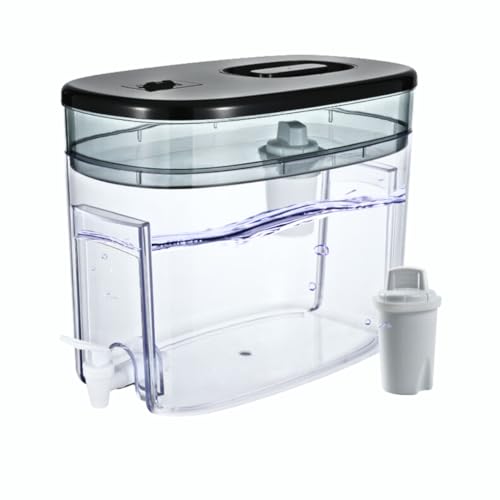
Capacity can also shape everyday convenience. The PUREPLUS cartridge is listed for 22,000 gallons and up to 2.5 GPM at 60 PSI, while the OnlyPure dispenser is sized for 40 cups and its filter is recommended for replacement after 120 gallons or about six months. Those are product specifications, not a promise that every household will get the same service life or performance. If an inline model is on your shortlist, this inline water filter installation guide may help you understand the basic setup considerations.




FAQs
Will these filters remove every contaminant in Los Angeles tap water?
No. The listed products describe specific reductions, such as chlorine, taste, odor, turbidity, or selected metals. Check the exact model’s certification and contaminant claims against your water report; a filter certified to NSF/ANSI 42 for aesthetic effects should not be assumed to reduce contaminants outside its stated scope.
Does a 0.5-micron rating mean a refrigerator filter removes lead?
No. A micron rating describes particle filtration, not proof of reduction for every dissolved contaminant. Review the specific certification and manufacturer claim for lead or another contaminant, and match the replacement cartridge to your refrigerator model.
How often should I replace a refrigerator or inline cartridge?
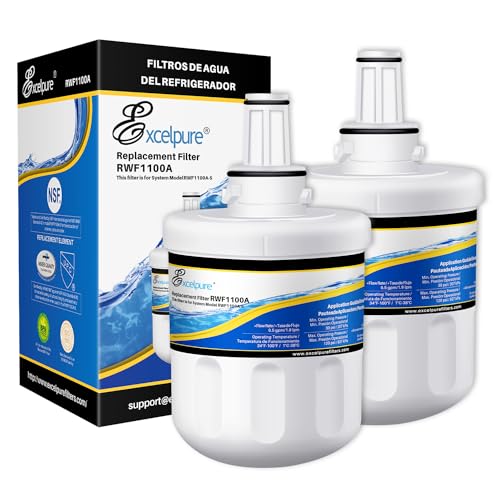
Follow the cartridge’s stated schedule and your appliance instructions. The EXCELPURE RWF0300A is listed for replacement every six months, while the Waterdrop LG-compatible filter is listed for six months or 200 gallons. Actual timing depends on use and the product’s instructions.
Does the PUREPLUS under-sink filter reduce TDS?
No. Its product information says it retains beneficial minerals and does not change TDS. It is described as a 0.5-micron composite filter with NSF/ANSI 42 certification; buyers seeking TDS reduction should compare reverse osmosis systems instead.
Are pitcher filters a practical alternative to an under-sink system?
Yes, if you prefer a countertop or refrigerator dispenser and can keep up with refills and cartridge changes. The OnlyPure 40-cup dispenser includes a filter specified for 120 gallons or about six months. For removal steps and safe handling, see this pitcher filter replacement guide.
Can I use a replacement filter that lists several refrigerator brands?
Only if your exact refrigerator model or original cartridge number appears in the compatibility list. Similar-looking cartridges can differ, so verify the model before buying and follow the installation and flushing instructions supplied with the replacement.


Write Your Review
No reviews yet. Be the first to share your experience!