


Sharp chlorine taste can linger in tap water, while grit and rust can collect in plumbing fixtures and aerators. A whole house water filter treats water at the point it enters your home, so filtration can reach multiple faucets and appliances. This guide compares the best whole house water filters under $500 using the listed product specifications and manufacturer claims, with attention to contaminant reduction, maintenance features, and installation needs.
The two options take different approaches. Express Water highlights heavy-metal reduction and polyphosphate scale protection, while iSpring pairs a sediment stage with two carbon block stages and lists a 5-micron sediment filter and flow rate up to 15 GPM. Those details can help you narrow the choice, but household water conditions matter: a city-water chlorine concern is not the same as a private-well sediment or iron problem. Check your water report or arrange appropriate water testing before relying on any system for a specific contaminant. For another treatment approach, see this overview of non-RO water purifiers for home.
Both systems require space for installation and periodic cartridge maintenance, and neither listing supplies a complete contaminant-by-contaminant performance table here. Confirm that the stated claims match your water concerns, check replacement cartridge costs, and account for plumbing connections before buying. If installation is new territory, this guide to installing an inline water filter offers related filtration setup context, though it covers RV equipment rather than a whole-house system.


Pros
- Saves money over bottled water for campers who want great taste on the road.
- High flow rate means no annoying pressure drop when filling your RV tank or washing dishes.
- Easy filter changes every 6-12 months with the included wrench.
- Customer support is responsive and the brand has a strong reputation among U.S. homeowners and RVers.
Cons
- Not portable – requires permanent mounting near your main water line, best for home or a dedicated RV setup.
- Does not soften hard water – you may need a separate water softener if your TDS is above 300 ppm.
- Initial installation can be challenging if you’re not handy with plumbing – may require extra fittings and a bypass loop.
The iSpring WGB32B whole house water filter system is a three-stage filtration unit designed to reduce sediment, chlorine, taste, and odor from your incoming water supply. While it’s primarily marketed for residential use, it also makes a solid upgrade for RV campers, overlanders, and anyone who takes water quality seriously – whether at home or on the road. With a 100,000-gallon capacity and filters that last up to a year, this system can handle a family’s worth of clean drinking, cooking, and washing water through multiple camping seasons.
For campers, the biggest benefit is the improvement in water taste and smell. Many municipal water supplies contain enough chlorine to give tap water an unpleasant chemical flavor – not what you want when filling your hydration bladder for a hike or brewing morning coffee at the campsite. The iSpring’s carbon block filters tackle up to 99% of chlorine, along with sediment, rust, and cloudiness. According to user reviews, the difference is immediately noticeable: clearer toilet tanks, better-tasting water, and less scale buildup in appliances like your RV’s water heater.
Installation is designed for DIY folks, though it does require some plumbing know-how. The unit mounts to a wall near your main water line, and the 1-inch NPT inlet/outlet keep water flowing at up to 15 GPM – enough to run multiple faucets or fill an RV tank without significant pressure loss. Many users recommend adding a bypass loop for easy filter changes, and the included wrench makes swapping out the three 20-inch cartridges simple. If you’re setting up in an RV, you’ll need to ensure the unit is sheltered from freezing temperatures and direct sunlight, as the manual advises indoor or protected installation.
Build quality feels substantial. The polypropylene sediment filter catches particles down to 5 microns, while the two coconut-shell carbon block filters provide deep chemical reduction. The filter housings are sturdy, though some reviews note the threads can be damaged during shipping, so inspect them on arrival. iSpring offers a one-year warranty and lifetime tech support, and customers report responsive service. Replacement filters are readily available on Amazon, and the total cost of ownership is reasonable given the long lifespan.
That said, this isn’t a portable solution. You won’t be tossing it in a backpack or even strapping it into a truck bed for a weekend trip. It’s best suited for a permanent installation at your home base, your RV’s utility bay, or a cabin. Also, note that it does not soften water – if you have hard well water (TDS over 300 ppm), you’ll want to add a softener before the filter. Some users also recommend installing a spin‑down pre-filter to extend the life of the sediment cartridge in especially dirty water conditions.
Overall, the iSpring WGB32B is a practical investment for anyone who drinks, cooks, or showers with tap water – especially campers who want that same crisp quality whether they’re prepping gear at home or rinsing off after a dusty trail. It’s not a backpacking item, but for RVers, overlanders, and weekend warriors who value great water, this system delivers reliable performance and solid value.
Installing the iSpring WGB32B is a one-time project best done in a basement, garage, or RV utility compartment. The kit includes the manifold, three filter housings, a housing wrench, and a manual with QR codes for video guides. You’ll need basic plumbing skills and tools like pipe cutters, Teflon tape, and PVC or PEX fittings.
Many users recommend mounting a sturdy plywood or 2x10 board into wall studs first, then bolting the manifold to it – the unit weighs about 45 pounds dry. Create a bypass loop with shutoff valves so you can still have water while changing filters. Use plenty of Teflon tape and a quality pipe sealant on all threaded connections to prevent leaks. For first-time installers, plan a full afternoon; experienced DIYers can finish in a couple of hours.
If you’re installing in an RV, be mindful of space constraints and ensure the unit is protected from freezing. The manual specifies operating temperatures between 40°F and 100°F, so avoid unheated compartments in winter. A leak detector add-on (sold separately) provides extra peace of mind.
The iSpring WGB32B uses three 20x4.5-inch filters: one sediment (FP25B) and two carbon block (FC25B). iSpring recommends replacing them every 6-12 months or up to 100,000 gallons, whichever comes first. Heavy sediment or chlorine levels may shorten that interval.
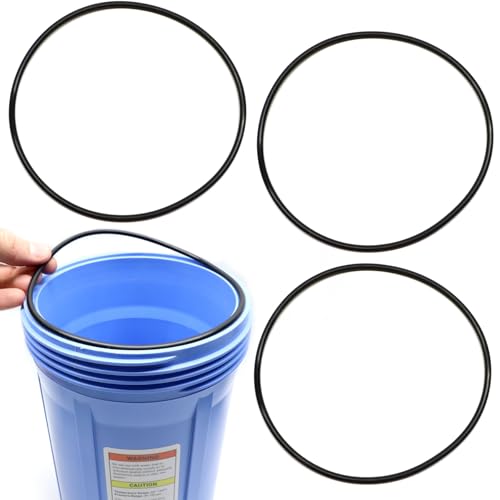
To change filters, close the inlet and outlet valves, open a faucet to depressurize, then unscrew the blue housings with the included wrench. Replace the cartridges, lubricate the O-rings with a food-grade silicone grease (not included), and hand-tighten the housings snugly – no need to overtighten. Run water for 10 minutes to flush any carbon fines. Users note that marking which housing holds which filter helps avoid mix-ups.
Maintenance is minimal: just quarterly checks for leaks and annual filter swaps. The housings are translucent enough to see sediment buildup, so you can gauge when the sediment filter is nearing its limit. Replacement filter bundles are available on Amazon, making it easy to stock up.
FAQs
What does a whole house sediment filter remove?
A sediment stage traps particles such as sand, rust, silt, and dirt. The iSpring system lists a 5-micron first-stage filter, followed by carbon blocks for taste and odor concerns. Sediment filtration does not by itself address every dissolved contaminant.
Do these systems reduce chlorine taste and odor?
Yes, both product listings describe chlorine reduction. iSpring claims reduction of up to 99% and identifies carbon block stages; Express Water also lists chlorine among its reduction targets. Treat these as manufacturer claims and verify suitability for your local water.
Is a 5-micron filter likely to affect household water pressure?
A 5-micron rating describes the listed sediment filter’s particle size, not a guaranteed pressure result. The iSpring listing says its design supports flow up to 15 GPM with minimal maintenance, but actual flow can depend on incoming pressure, plumbing, water use, and cartridge condition.
Can a whole house filter treat private well water?
Possibly, but the right system depends on well-water test results. These products list sediment, taste, odor, chlorine, and selected heavy-metal claims, but the supplied details do not establish treatment for every well issue, such as bacteria, iron, or sulfur. Match the media to the contaminants identified in your water.
Do whole house filters remove TDS like reverse osmosis?
No, the iSpring listing describes its system as TDS-friendly and says it retains minerals, unlike reverse osmosis systems designed to reduce total dissolved solids. Compare a non-RO home water purifier with RO options based on your specific water goals.
How often do replacement cartridges need changing?
The supplied product details do not give a specific replacement schedule for both systems. Follow the manufacturer instructions and consider water quality and household usage, since sediment loading can vary. Check cartridge availability and ongoing replacement costs before purchase.





Write Your Review
No reviews yet. Be the first to share your experience!