
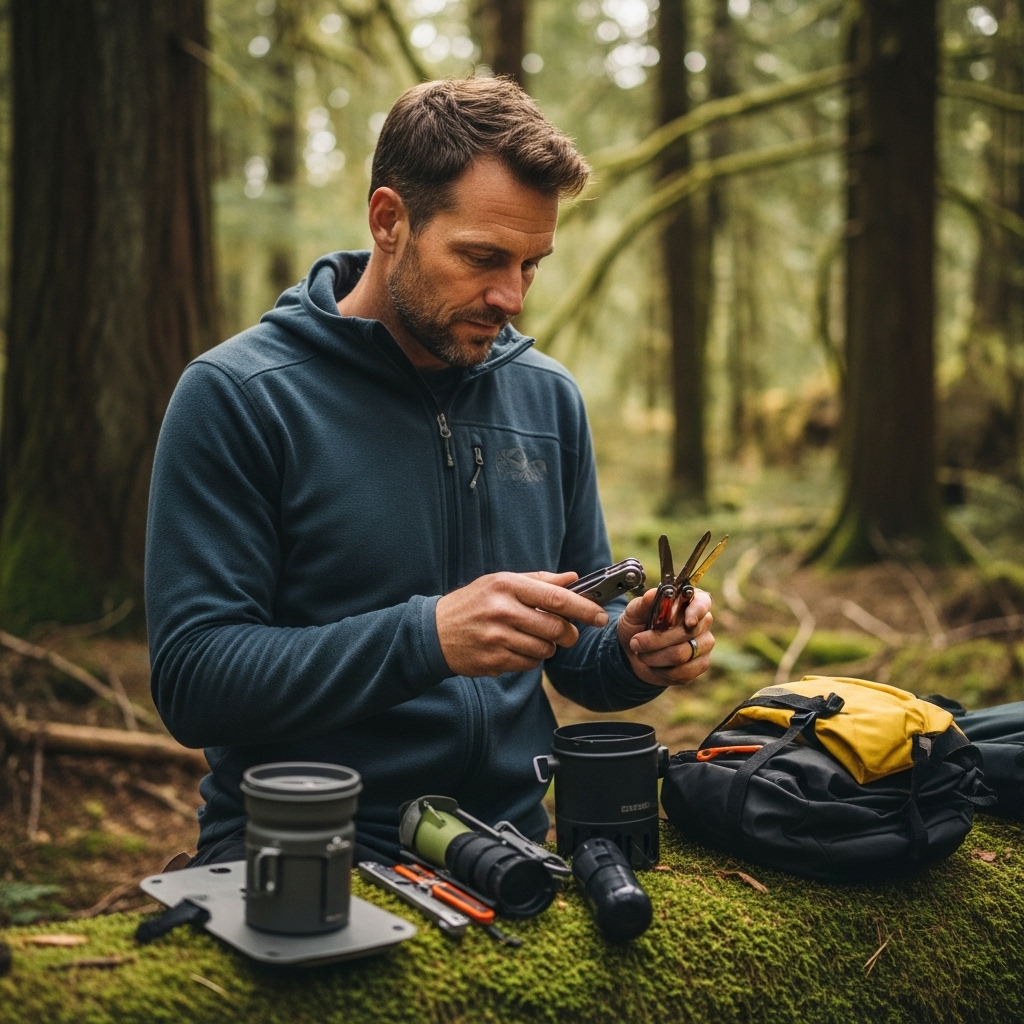

Gritty water and sharp tap taste call for the right filter
Fine grit can cloud a glass, while chlorine taste can make even cold tap water hard to enjoy. A dependable e coli water filter needs to match the water source and the way you plan to use it: a personal straw for outdoor water is a different tool from a countertop purifier for treated household water. Product claims also have limits, so check what each filter says it reduces rather than assuming one device handles every contaminant.
This lineup spans compact emergency straws, a large-capacity pitcher-style dispenser, and a countertop reverse osmosis unit. The listed details include useful comparisons, such as 0.1-micron straw filtration, stated bacterial reduction claims, storage capacity, and filter service life. Those specifications can help you weigh portability, maintenance, and taste, but they don’t replace checking local water advisories or confirming that a product is suitable for a specific water source. For more household context, see this guide to non-RO water purifiers for home use.
For backcountry trips or emergency kits, the travel hydration guide offers related planning ideas. Below, the product specifications and user feedback help distinguish portable treatment from everyday tap-water filtration. Pay close attention to cleaning instructions, filter replacement needs, and whether the stated reduction claims cover the concern you actually have.

Pros
- Featherlight 2-ounce weight makes it effortless to pack on long-distance backpacking treks or day hikes.
- Versatile use options include sipping directly from natural streams, screwing onto 28mm bottles, or running a gravity setup.
- Includes individual cleaning plungers for each filter, simplifying field maintenance and extending lifespan.
- Five-pack configuration offers tremendous value for families, outdoor groups, or multi-vehicle emergency kits.
Cons
- Hollow fiber membranes can be damaged if frozen after first use, requiring careful cold-weather storage inside a sleeping bag or jacket.
- Does not remove dissolved chemical contaminants, heavy metals, or water odors without an activated carbon stage.
- Not compatible with modern thin-walled disposable water bottles that feature ultra-short neck threading.
The Practical Survival Emergency Water Straw 5-Pack is a versatile hollow-fiber personal filtration system engineered for backcountry trekking, dispersed car camping, and comprehensive disaster readiness. Tailored for backpackers, family campers, overland travelers, and budget-conscious preppers, this multi-pack equips an entire household or outdoor group with reliable water purification tools. Each individual filter tips the scales at just two ounces, making it effortless to distribute across bugout bags, daypacks, glove boxes, and hunting vests without adding noticeable trail weight.
Filtering water from a backcountry stream or pond requires thorough protection, and these straws utilize a 0.1-micron hollow fiber membrane that stops 99.99 percent of waterborne bacteria, cysts, and protozoan parasites like Giardia and Cryptosporidium. With a rated capacity of up to 1,800 gallons per straw, a single filter provides years of hydration capability when properly maintained. Whether you are gathering water while hiking into a remote campsite, weathering a surprise municipal boil-water notice, or cooking breakfast at sunrise along a high-country trail, this system reliably produces clear, palatable drinking water from murky wilderness sources.
One of the most practical aspects highlighted in user reviews is the threaded base, which connects directly to standard 28mm bottle necks. Campers do not need to rely solely on lying flat on a muddy bank to sip from a stream; you can scoop dirty water into a standard soda bottle or compatible soft flask, screw the filter onto the top, and drink directly or squeeze clean water into a camp cookware pot. The straw also integrates cleanly with gravity feed tubing, allowing solo adventurers or family groups to hang a dirty water reservoir from a tree branch for hands-free camp hydration.
Built with durable, BPA-free plastic bodies, these straws are engineered to withstand the jostling and dropping associated with rugged trail life. Unlike many compact filters that require separate maintenance kits, each filter in this five-pack includes its own dedicated backflushing syringe. Backflushing with clean water clears out trapped sediment and organic matter, restoring flow rate after filtering silty river water. Campers should keep in mind that, like all hollow-fiber filters, freezing conditions can compromise wet internal fibers, so keeping wet filters inside a jacket or sleeping bag during cold mountain nights is essential.
While these filters excel at eliminating biological hazards and microplastics, they do not neutralize chemical runoff, heavy metals, or viruses, which means backcountry travelers should always select the cleanest available moving water source. For outdoor enthusiasts seeking an affordable, shelf-stable, and highly portable water filtration solution, this five-pack delivers unmatched versatility and peace of mind. It stands as a top-tier recommendation for family campers stocking their supplies, weekend warriors assembling bugout bags, and backpackers looking for dependable backcountry hydration.
Proper maintenance is the key to preserving the high flow rate and extended lifespan of these survival water straws. After filtering cloudy or sediment-heavy water from backcountry streams, use the included backflushing plunger to push clean, filtered water backward through the mouthpiece. This reverse pressure dislodges silt and biological matter trapped against the outer surface of the hollow fibers, preventing premature clogging and slow sips.
Before packing the straws away for long-term storage in a home emergency kit or vehicle trunk, flush them with clean tap water and push air through the filter using the plunger to expel residual moisture. Allow the units to dry completely before replacing the protective end caps. Always protect wet filters from freezing temperatures during cold-weather expeditions, as expanding ice crystals can crack the internal microscopic pores and render the filtration membrane ineffective.
Weighing only two ounces per unit and measuring eight inches in length, these water filter straws represent one of the most space-efficient hydration tools available for outdoor enthusiasts. Their slender, cylindrical profile slides effortlessly into exterior backpack bottle sleeves, hydration pack pockets, tactical pouches, and fishing vests without crowding out other essential trail gear.
Because the straws require no batteries, pumping mechanisms, or chemical treatment tablets to operate, they eliminate the mechanical weight often associated with bulky camp water purifiers. The lightweight five-pack format makes it simple to store individual filters across multiple vehicles, family camping bags, and bugout supplies, ensuring that dependable, clean drinking water is always within arm's reach during unexpected situations.
Pros
- Ultralight two-ounce weight makes it effortless to stash in pockets, hip belts, or emergency go-bags
- Standard 28mm bottle threading provides flexible drinking options using common disposable bottles or squeeze pouches
- Activated carbon core noticeably improves water odor and taste compared to basic hollow-fiber hollow straws
- Four-filter bundle offers tremendous value for families, hiking groups, and multi-kit emergency staging
Cons
- Initial suction can feel stiff when the internal filter membrane is dry before first use
- Does not remove dissolved minerals, heavy chemicals, or ocean salt, making it unsuitable for seawater
- Wet internal membranes must be protected from freezing winter temperatures to prevent physical damage
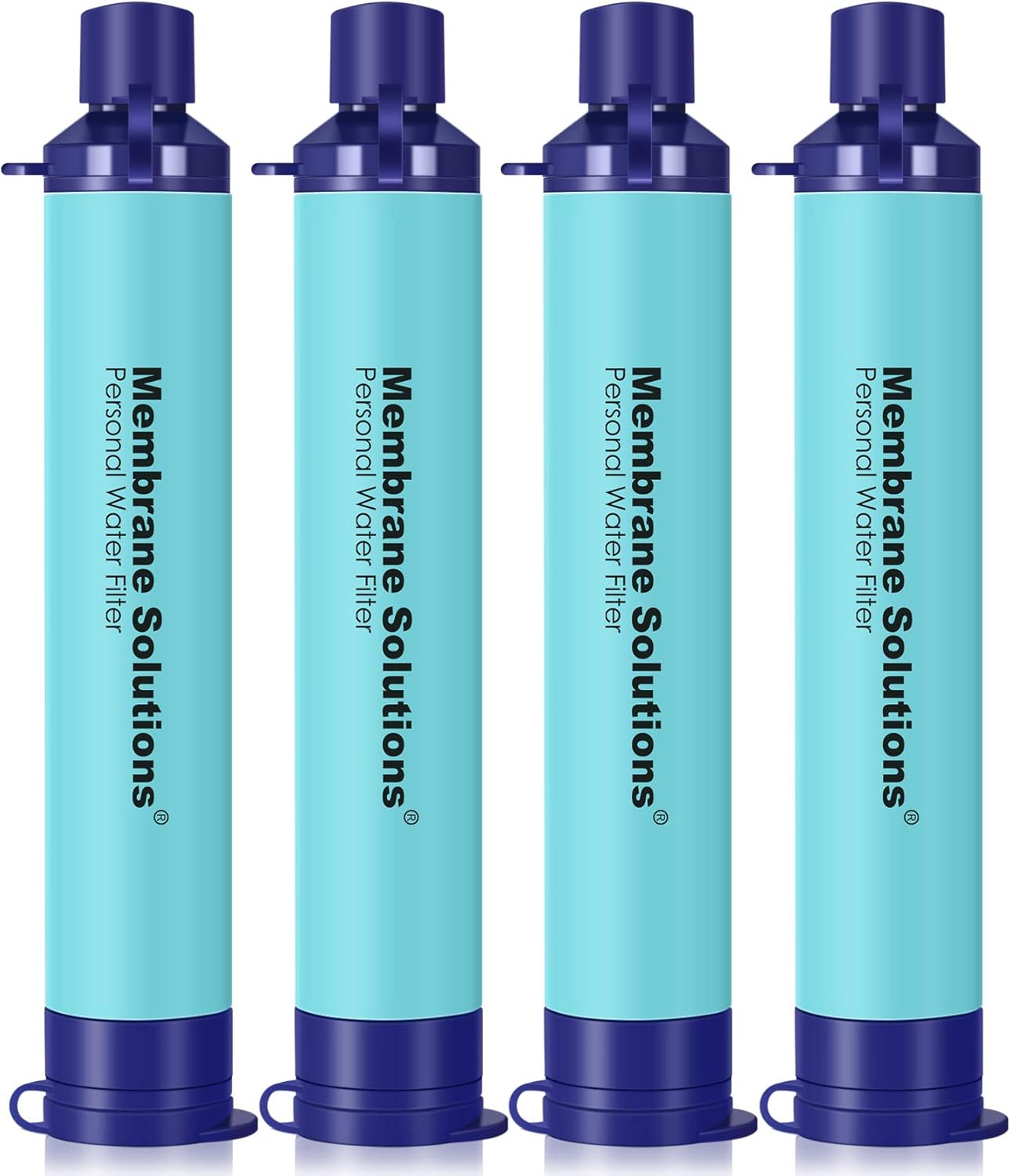
The Membrane Solutions S1 Straw Water Filter is a compact, personal micro-filtration device engineered to provide clean drinking water directly from backcountry sources. Designed as an accessible survival and trail filtration tool, this multi-pack setup caters to a wide spectrum of outdoor enthusiasts. Whether you are a solo backpacker tracking miles on the Appalachian Trail, a parent packing supplies for a family campground outing, or a homeowner assembling emergency hurricane kits, having dependable water purification on hand is a fundamental outdoor necessity.
Filtration performance relies on a 5-stage setup featuring a coarse pre-filter screen, double polypropylene cotton layers, coconut shell activated carbon, and a 0.1-micron hollow fiber ultrafiltration membrane. This layered arrangement efficiently targets suspended dirt, protozoa, and common bacteria like E. coli, while the carbon block helps neutralize swampy smells and bitter organic flavors from still wilderness ponds. The unit yields a balanced flow rate of up to 500 milliliters per minute, giving thirsty hikers a steady stream of water without having to wait on chemical drop treatments.
Versatility is where this small filter really proves its worth around camp. In addition to functioning as a traditional direct-sipping straw for drawing water straight out of a mountain creek, the bottom end features universal 28mm threading. This thoughtful design lets you screw the filter directly onto standard disposable soda or water bottles, converting a basic plastic bottle into an on-the-go squeeze filtration setup. It can also integrate into compatible gravity bags, allowing you to hang a bag from a tree branch and let gravity fill your camp cook pots while you pitch the tent.
Build quality centers on durable, food-grade, BPA-free ABS plastic that holds up well to getting jostled inside crowded rucksacks. Each individual straw measures just over seven inches in length and tips the scales at an unnoticeable two ounces. Removable end caps protect the mouthpiece and intake from dirt, pine needles, and backpack grime when tossed into gear bins. With an upgraded operational lifespan of up to 1,320 gallons per straw, a single filter can comfortably support several seasons of weekend warrior backpacking trips.
Like any micro-filtration system, there are practical outdoor considerations to keep in mind. Because the internal capillary tubes use ultra-fine 0.1-micron pores, pulling water through a bone-dry straw requires patience during the initial priming stage. Allowing the intake to sit submerged for a minute or two before drinking helps saturate the fibers for a smoother flow. Additionally, because the unit relies on physical filtration rather than chemical destruction, campers venturing into sub-freezing mountain climates must carry the damp filter in an inside jacket pocket or sleeping bag to prevent residual water from freezing and cracking the membrane.
For outdoor adventurers seeking an economical, ultra-portable, and reliable clean water safeguard, this 4-pack represents an outstanding investment. It removes the stress of running dry on long summer day hikes and provides ready-to-use peace of mind for family emergency prep. With its versatile bottle threading, lightweight construction, and solid filtration performance, it is an essential addition to any outdoor gear closet or vehicle roadside kit.
Weighing only two ounces per unit, the Membrane Solutions S1 straw filter is virtually unnoticeable whether slipped into a trail running vest, lashed to a backpack shoulder strap, or stored in a glove compartment. Its slim one-inch diameter allows it to fit neatly inside compact first aid kits and emergency bug-out pouches.
Setting up the straw in the field takes only seconds. You can uncap both ends and drink directly from a freshwater stream, or twist the threaded base onto any standard 28mm threaded plastic bottle. When starting with a completely dry filter, letting the base soak in water for a minute or two helps loosen the membrane resistance and ensures a steady drinking flow.
Routine maintenance is essential to keep the hollow fiber membrane running at full speed throughout its 1,320-gallon service life. After trips through silty or murky water, backwashing the straw with clean tap or filtered water from the mouthpiece end flushes trapped dirt particles away from the intake screen.
Before packing the filter away for off-season storage, ensure the unit is thoroughly air-dried in a vertical position to prevent stagnant odors. If hiking in sub-freezing weather, keep the damp filter inside your sleeping bag at night, as expanding ice inside the hollow fibers can permanently compromise the membrane barrier.

Pros
- Massive 27-cup capacity minimizes trips to the campground water spigot
- Easy-pour spigot dispenses smoothly into camp cups and wide-mouth bottles
- Elite filter handles heavy metals, chlorine, and unwanted tap water odors
- Slim footprint packs neatly into vehicle trunks, camp bins, or RV fridges
- Locking lid design helps keep campground dust, debris, and bugs out of drinking water
Cons
- Designed strictly for potable tap water and cannot purify untreated backcountry stream water
- Plastic body requires careful packing to avoid cracking under heavy gear in a packed trunk
- Spigot requires placement near a table edge or riser for tall camp mugs and hydration bladders
The Brita UltraMax Elite 27-Cup Water Dispenser is a high-volume gravity filtration system crafted for high-demand hydration needs. While lightweight backpackers look toward pocket-sized squeeze filters, car campers, RV travelers, overlanders, and family basecamp coordinators need serious volume without hauling endless flats of plastic water bottles. This unit bridges the gap between home kitchen comfort and campsite practicality, offering a generous reservoir that keeps clean, crisp drinking water ready for your whole crew throughout a busy weekend outdoors.
At developed state parks, municipal campgrounds, and RV resorts, tap water can often carry strong chlorine tastes, sulfur odors, or heavy mineral sediments that ruin camp coffee and hydration packs. Equipped with the Brita Elite filter, this dispenser significantly reduces chlorine taste, cadmium, mercury, benzene, asbestos, and 99 percent of lead. Based on product specifications, the activated carbon core treats potable campground water efficiently, allowing you to fill water bottles, prep morning oatmeal, and brew your campfire pour-over coffee with clean, neutral-tasting water every single morning.
The structural design suits outdoor living surprisingly well. Measuring just over five inches wide and roughly fourteen inches deep, the dispenser maintains a slim profile that rests securely along the edge of a camp table, tailgate shelf, or inside an RV refrigerator. The 27-cup total capacity holds roughly 1.7 gallons, meaning fewer walks across the campground loop to the shared pump. A tightly locking top lid keeps outdoor elements like pine needles, dust, and insects out of the upper reservoir, while the precision-pour spigot provides smooth, drip-free dispensing directly into mugs and canteen necks.
Setup and camp maintenance are straightforward. You simply insert the Elite cartridge into the inner reservoir, fill the top tank with potable campground tap water, and let gravity pull the water through the filtration media. The dispenser features an integrated electronic filter indicator that monitors usage so you know exactly when the 120-gallon filter cycle finishes. Packing for transit requires a bit of forethought, as the rigid polystyrene construction can scratch or crack if packed carelessly beneath heavy cast iron Dutch ovens or steel camp stoves in a crowded vehicle trunk.
Campers must remember that this unit is engineered strictly for treated, potable water sources. It is not designed to neutralize biological pathogens like Giardia or Cryptosporidium found in raw backcountry creeks or wilderness lakes. For overlanders, family campground trips, music festivals, glamping retreats, and home emergency preparedness kits, the Brita UltraMax Elite stands as an exceptionally practical, cost-effective hydration hub that upgrades campsite living and dramatically cuts down on single-use plastics.
Integrating this high-capacity dispenser into your outdoor kitchen setup streamlines camp chores significantly. Instead of lifting heavy jugs every time someone needs to wash fruit, fill an electric kettle, or prep cooking water for pasta, the front-facing spigot offers effortless access for both adults and children. Placing the unit at the end of a picnic table or on a dedicated camp kitchen shelf makes hydration self-serve, letting camp cooks focus on the stove.
For RV owners and camper van travelers, the rectangular footprint optimizes limited counter space. The dispenser slides neatly into standard compact RV refrigerators to keep water chilled on warm summer days, and it fits flush against backsplash walls while parked. When driving down bumpy washboard roads, simply empty the reservoir into your main water containers or stow the unit inside a padded gear tote to prevent shifting during transit.
Maintaining the dispenser while camping is simple with basic camp sanitation practices. Hand wash the reservoir, lid, and spigot using warm water and mild dish soap between trips, making sure to avoid abrasive scrubbing pads that could mar the clear finish. The electronic filter indicator should be wiped with a damp cloth rather than fully submerged in wash basins.
If you camp during shoulder seasons with freezing overnight temperatures, remember to drain the dispenser before going to sleep. Water trapped inside the carbon filter cartridge can expand when frozen, potentially damaging the filter structure and compromising water flow. Storing the unit indoors in a cool, dry place between adventures ensures the plastic stays durable and ready for your next outdoor road trip.
FAQs
Can a portable straw filter reduce E. coli?
Yes, the listed straw products claim reduction of waterborne bacteria, including E. coli. PracticalSurvival states greater than 99.99% reduction, while Membrane Solutions lists 99.9999% reduction of total coliforms, including E. coli. Treat these as product claims, and follow the maker’s instructions for use and care.
Does a 0.1-micron straw filter remove every water contaminant?
No, a micron rating alone doesn’t establish removal of every contaminant. The Membrane Solutions straw lists a 0.1-micron pore size and multiple filtration stages, including activated carbon and hollow-fiber membranes. Check its specific claims against your water-quality concern; it also states that it does not lower TDS.
Can I use these filters for untreated well water?
Not automatically. Untreated well water may contain concerns that a portable straw or pitcher filter is not designed to address, so get the water tested and match treatment to the results. A household purifier’s stated contaminant claims are not a substitute for confirming suitability for your supply.
How long do the portable straw filters last?
The listed capacities are up to 1,800 gallons per PracticalSurvival filter and up to 1,320 gallons for the Membrane Solutions straw. Actual service life can depend on sediment and maintenance, and the PracticalSurvival product includes a backflushing plunger. Follow the manufacturer’s care instructions and replace the filter as directed.
Is the Brita dispenser designed for E. coli treatment?
No bacterial reduction claim is provided for this Brita dispenser in the listed product details. Its description focuses on chlorine taste and odor and reduction of listed contaminants such as lead, cadmium, mercury, and asbestos. Don’t treat it as a disinfection device unless the manufacturer specifically confirms that use.
What does the countertop RO system claim to reduce?
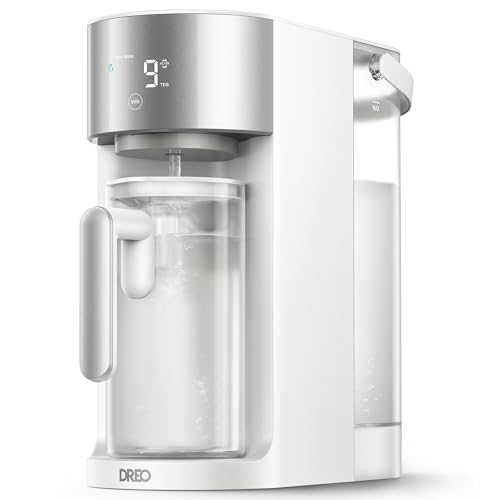
The DREO system lists an RO membrane and manufacturer-stated reductions for lead, hexavalent chromium, chlorine, PFOS, PFOA, and fluoride under laboratory conditions. It also lists a 265-gallon filter life and a 3:1 pure-to-drain ratio. Check the product’s current documentation for claim details and maintenance requirements before buying.




Write Your Review
No reviews yet. Be the first to share your experience!