

Sharp chlorine taste can make a glass of tap water less appealing, while concerns about metals or other contaminants call for more than a taste fix. A well-matched ion exchange water filter can help address specific water quality needs, but the right choice depends on what the product is designed to reduce and which appliance it fits. These options range from a replacement pitcher cartridge to resin media for a compatible espresso machine and a countertop reverse osmosis system.
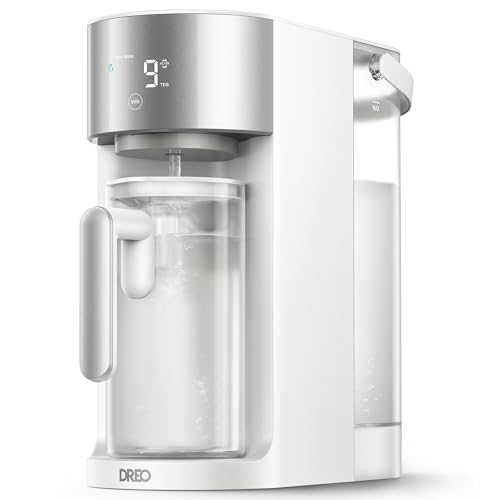
After carefully analyzing the listed specifications, the main differences are filtration media, compatibility, and replacement intervals. LifeStraw describes its activated carbon and ion exchange cartridge as reducing several listed contaminants and lasting up to 150 liters or two months with regular use. Geesta’s resin filters are made for specified Breville machines, while DREO’s countertop RO unit includes a TDS and filter-life monitor. Those are different jobs, so match the device to your water source and routine rather than assuming every filter treats the same things. For a broader look at non-RO home water purifiers, compare the system type and upkeep before you buy.

Pros
- Significantly enhances water flavor by eliminating chlorine and sulfur odors common at rural campgrounds
- Filters microplastics, lead, mercury, and chemical residues often found in older park plumbing
- Takes up minimal cargo room in camp kitchen boxes or trailer pantry storage
- Simple drop-in design makes swapping cartridges quick without any tools or mess
Cons
- Designed specifically for LifeStraw Home pitchers rather than portable backcountry trail bottles or gravity bags
- Requires potable or clear tap water sources since it is not built to process muddy, silt-heavy wilderness water
- Forty-gallon rating means busy camp kitchens and large families will need frequent cartridge replacements
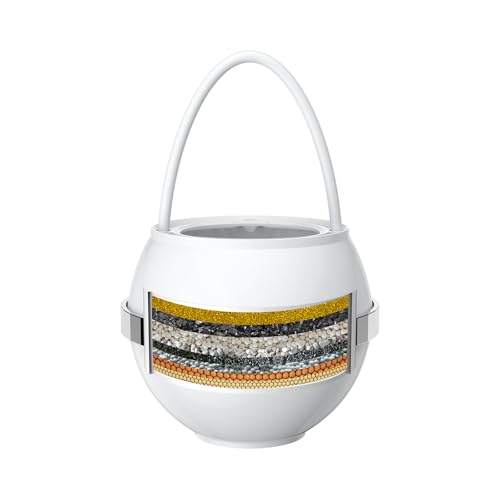
Keeping clean, fresh-tasting drinking water on hand is a top priority when cooking breakfast at sunrise or hydrating after a long desert hike. The LifeStraw Home Activated Carbon and Ion Exchange Replacement Filter is an essential consumable for campers who use LifeStraw Home glass pitchers or countertop dispensers in their camp kitchens. Designed specifically to work with the brand's residential carafes, this filter media targets dissolved chemicals and metals that standard mechanical screens cannot catch. It is ideally suited for RV campers, overlanders, car campers setting up deluxe camp kitchens, cabin weekenders, and outdoor enthusiasts maintaining well-stocked emergency preparedness bins.
Campground water spigots and rural RV hookups often deliver safe municipal or well water that unfortunately carries strong chlorine smells, sulfur notes, or metallic tinges from aging distribution pipes. Based on product specifications, this dual-action filter utilizes activated carbon alongside an ion exchange matrix to dramatically cut down on unwanted flavors, odors, chlorine, and organic chemicals like pesticides and herbicides. It also tackles tough contaminants including lead, mercury, copper, and PFAS forever chemicals. For families hanging around the campsite picnic table, that means crisp water for brewing morning coffee, mixing electrolyte drinks, or filling hydration bladders before setting out on the trail.
In terms of build and form factor, the filter cartridge features a compact cylindrical plastic housing that drops directly into the upper reservoir of your LifeStraw Home unit. Measuring just over two inches across and weighing under two ounces each, these cartridges take up practically zero space in a dry storage tote, camper trailer galley, or truck bed storage drawer. Maintenance and installation remain straightforward, requiring only a quick rinse and soak according to manufacturer directions before settling the cartridge into the carafe. Each unit is rated for approximately 40 gallons or up to two months of regular hydration duty, which provides plenty of clean water for multiple weekend getaways.
Understanding the intended operating environment is critical before packing these for a trip. This replacement cartridge is not designed for wilderness survivalists scooping turbid pond water or filtering silty backcountry streams into a backpacking mug. Because it is engineered for the LifeStraw Home pitcher system, it works best with clear water sources such as potable park taps, campground spigots, and rural cabin faucets. Backpackers hiking into remote trails will still want a lightweight squeeze filter or trail straw, but for established campgrounds and vehicle-based camping, this cartridge excels at refining questionable tap sources into premium drinking water.
Overall, keeping fresh replacement cartridges on hand is a smart, cost-effective move for car campers, overlanders, and RV owners who already appreciate the quality of LifeStraw countertop filtration. Swapping out spent filters ensures your camp kitchen maintains peak flow rates and odor-free hydration without forcing you to buy dozens of single-use plastic jugs from the nearest highway gas station. Whether you are prepping for a cross-country road trip, spending a week at a family campground, or outfitting an off-grid cabin pantry, this replacement filter delivers reliable water clarity you can count on.
For vehicle campers and RV enthusiasts, holding tank water and rustic campground taps rarely provide the clean, neutral taste you want for morning cooking and hydration. Pairing a LifeStraw Home pitcher with fresh replacement filters allows you to purify local water right on your camp folding table or trailer countertop. It removes the harsh chemical aftertaste often associated with campground chlorine treatments or aging park piping systems.
Because the filter eliminates foul odors and dissolved contaminants, your morning camp coffee tastes noticeably cleaner and your freeze-dried camp meals rehydrate with pure flavor. Packing a multi-pack of replacement cartridges ensures your overland rig or camper remains self-sufficient for weeks of outdoor travel without contributing plastic waste to remote campground dumpsters.
To maximize the operational life of your carbon and ion exchange filter, always follow standard prep procedures by rinsing the exterior and seating it securely inside the pitcher funnel. If storing the filter between camping trips, ensure the pitcher is thoroughly dried and the filter is kept in a cool, shaded spot away from direct heat or freezing temperatures inside your vehicle.
Keep an eye on flow rate and water taste as you approach the 40-gallon mark. If you notice filtration slowing down significantly or chlorine odor returning to your water, it is time to drop in a fresh cartridge from your backup gear tote. Storing spare sealed cartridges in airtight zip-top bags keeps them clean and ready for your next outdoor excursion.
FAQs
What does an ion exchange water filter reduce?
It depends on the filter media and the manufacturer’s stated claims. LifeStraw says its pitcher and dispenser replacement cartridge reduces PFAS, lead, mercury, chromium III, cadmium, copper, chlorine, odors, pesticides, and herbicides. Check the specific cartridge claims and compatibility, and consult local water quality information for contaminants of concern.
Is ion exchange resin the same as reverse osmosis?
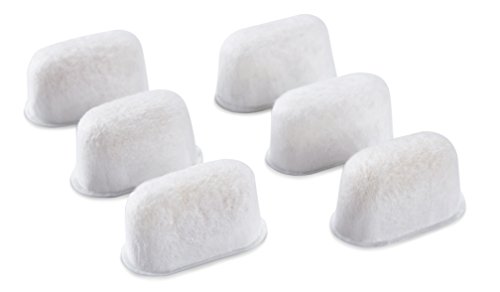
No, they are different filtration approaches. Geesta’s resin media is intended for compatible Breville machines and uses ion exchange to soften water, while DREO’s countertop system uses a reverse osmosis membrane. Compare the stated purpose and replacement requirements before selecting a system.
How often should these replacement filters be changed?
Follow the schedule provided for the specific product. LifeStraw lists up to 150 liters or two months with regular use, and Geesta recommends replacing its Breville filters every couple of months or every 60 tank refills, sooner in hard-water areas. The DREO description lists a 265-gallon filter life and a filter-life monitor.
Will a pitcher ion exchange filter remove sediment from well water?
Do not assume it will. The listed LifeStraw claims focus on selected contaminants, taste, and odor, not sediment removal. If a private well has visible grit, iron staining, or other issues, identify the problem with appropriate water testing and select equipment specifically rated for it.
Does the Geesta six-pack fit every Breville espresso machine?
No, compatibility is limited to the listed models. The product names BES920XL, BES980XL, BES900XL, BES860XL, BES870XL, BES840XL, BKC600XL, and BKC700XL. Check the model number on your machine before ordering; a filter that does not fit cannot protect its water system as intended.
Can the DREO countertop RO system work without plumbing installation?
Yes, its listing describes it as installation-free and gives dimensions of 14.51 by 6.73 by 13.35 inches, with a 3-liter tank and 1.1-liter pitcher. It also lists a 3:1 pure-to-drain ratio and real-time TDS monitoring. Review the space and refill routine to see whether a countertop system suits your kitchen.
For pitcher cartridge upkeep, this guide explains how to remove an old water filter from a pitcher. Use the instructions for your own model, since cartridge fittings and preparation steps can differ.






Write Your Review
No reviews yet. Be the first to share your experience!