

From Sharp Tap Taste to Better Water Choices
A sharp chlorine taste can make a glass of tap water less appealing, while grit and sediment call for a different kind of filtration than dissolved substances. This selection of multi stage water filter options spans portable emergency gear, countertop dispensers, gravity systems, and reverse osmosis units, so the right fit depends on your water source and routine. A straw filter for a trail pack solves a different problem than an under-sink RO system for a busy kitchen.
Product specifications offer useful comparisons: filtration stages and media, stated pore sizes, flow rates, capacity, and listed NSF/ANSI standards. Those details are not interchangeable, and certification or manufacturer reduction claims apply only to the claims specified for each product. For example, the Membrane Solutions straw lists a 0.1-micron pore size and a flow rate up to 500 ml per minute, while the Purewell gravity system lists a 0.01-micron pore size and a stated four gallons per hour. Neither pore size alone tells you whether a filter addresses every contaminant in your water.
For dissolved solids and a broader set of stated reduction claims, compare the iSpring under-sink RO system with the countertop DREO RO unit. If you want a pitcher-style dispenser with a built-in TDS meter, ZeroWater offers a different countertop approach. Check replacement requirements, installation needs, and whether the filter’s specific claims match your water report before buying. For another home filtration perspective, see this guide to non-RO water purifiers, or review the safe steps for removing a pitcher filter.
Pros
- Ultralight two-ounce weight makes it effortless to stash in pockets, hip belts, or emergency go-bags
- Standard 28mm bottle threading provides flexible drinking options using common disposable bottles or squeeze pouches
- Activated carbon core noticeably improves water odor and taste compared to basic hollow-fiber hollow straws
- Four-filter bundle offers tremendous value for families, hiking groups, and multi-kit emergency staging
Cons
- Initial suction can feel stiff when the internal filter membrane is dry before first use
- Does not remove dissolved minerals, heavy chemicals, or ocean salt, making it unsuitable for seawater
- Wet internal membranes must be protected from freezing winter temperatures to prevent physical damage
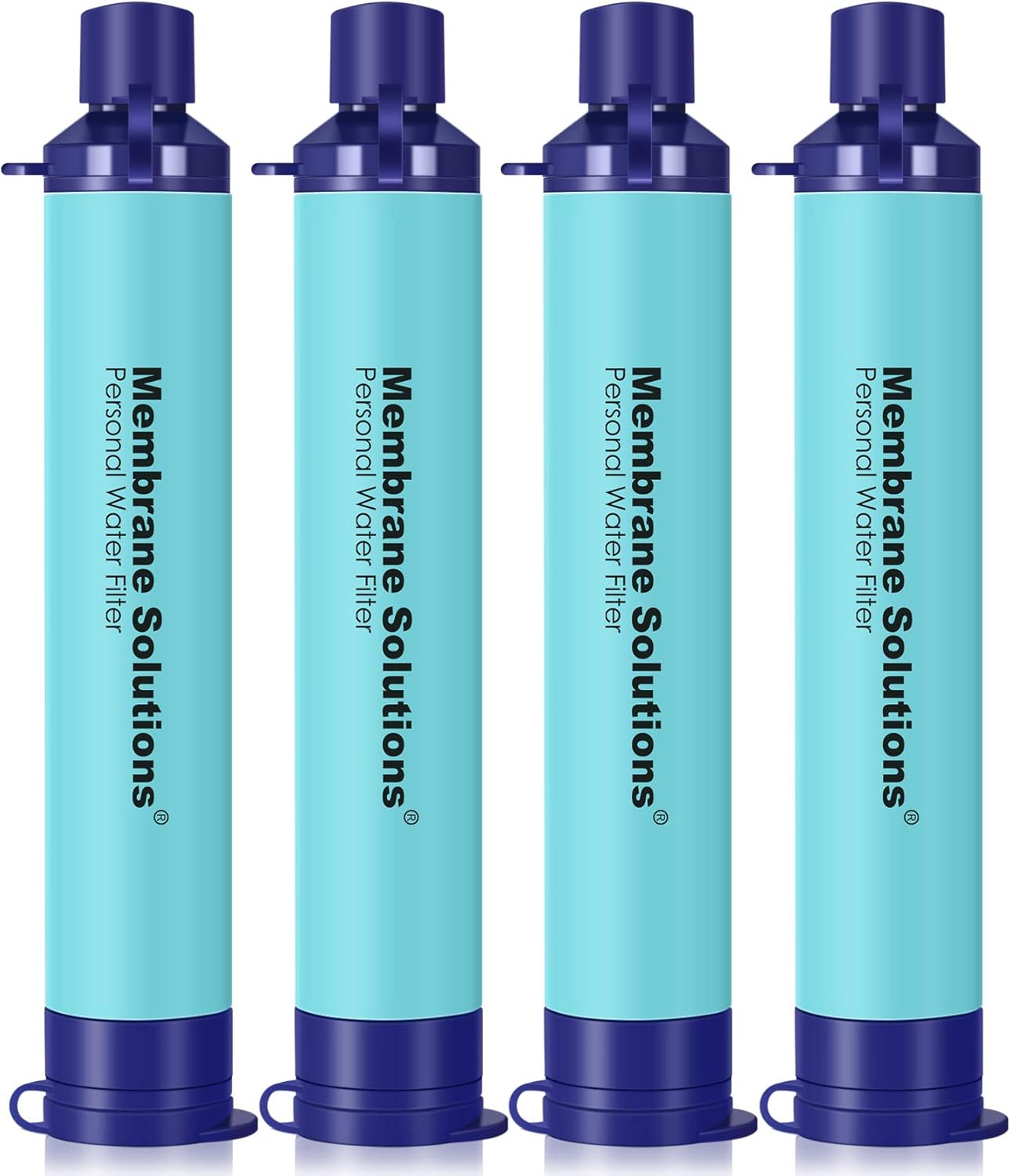
The Membrane Solutions S1 Straw Water Filter is a compact, personal micro-filtration device engineered to provide clean drinking water directly from backcountry sources. Designed as an accessible survival and trail filtration tool, this multi-pack setup caters to a wide spectrum of outdoor enthusiasts. Whether you are a solo backpacker tracking miles on the Appalachian Trail, a parent packing supplies for a family campground outing, or a homeowner assembling emergency hurricane kits, having dependable water purification on hand is a fundamental outdoor necessity.
Filtration performance relies on a 5-stage setup featuring a coarse pre-filter screen, double polypropylene cotton layers, coconut shell activated carbon, and a 0.1-micron hollow fiber ultrafiltration membrane. This layered arrangement efficiently targets suspended dirt, protozoa, and common bacteria like E. coli, while the carbon block helps neutralize swampy smells and bitter organic flavors from still wilderness ponds. The unit yields a balanced flow rate of up to 500 milliliters per minute, giving thirsty hikers a steady stream of water without having to wait on chemical drop treatments.
Versatility is where this small filter really proves its worth around camp. In addition to functioning as a traditional direct-sipping straw for drawing water straight out of a mountain creek, the bottom end features universal 28mm threading. This thoughtful design lets you screw the filter directly onto standard disposable soda or water bottles, converting a basic plastic bottle into an on-the-go squeeze filtration setup. It can also integrate into compatible gravity bags, allowing you to hang a bag from a tree branch and let gravity fill your camp cook pots while you pitch the tent.
Build quality centers on durable, food-grade, BPA-free ABS plastic that holds up well to getting jostled inside crowded rucksacks. Each individual straw measures just over seven inches in length and tips the scales at an unnoticeable two ounces. Removable end caps protect the mouthpiece and intake from dirt, pine needles, and backpack grime when tossed into gear bins. With an upgraded operational lifespan of up to 1,320 gallons per straw, a single filter can comfortably support several seasons of weekend warrior backpacking trips.
Like any micro-filtration system, there are practical outdoor considerations to keep in mind. Because the internal capillary tubes use ultra-fine 0.1-micron pores, pulling water through a bone-dry straw requires patience during the initial priming stage. Allowing the intake to sit submerged for a minute or two before drinking helps saturate the fibers for a smoother flow. Additionally, because the unit relies on physical filtration rather than chemical destruction, campers venturing into sub-freezing mountain climates must carry the damp filter in an inside jacket pocket or sleeping bag to prevent residual water from freezing and cracking the membrane.
For outdoor adventurers seeking an economical, ultra-portable, and reliable clean water safeguard, this 4-pack represents an outstanding investment. It removes the stress of running dry on long summer day hikes and provides ready-to-use peace of mind for family emergency prep. With its versatile bottle threading, lightweight construction, and solid filtration performance, it is an essential addition to any outdoor gear closet or vehicle roadside kit.
Weighing only two ounces per unit, the Membrane Solutions S1 straw filter is virtually unnoticeable whether slipped into a trail running vest, lashed to a backpack shoulder strap, or stored in a glove compartment. Its slim one-inch diameter allows it to fit neatly inside compact first aid kits and emergency bug-out pouches.
Setting up the straw in the field takes only seconds. You can uncap both ends and drink directly from a freshwater stream, or twist the threaded base onto any standard 28mm threaded plastic bottle. When starting with a completely dry filter, letting the base soak in water for a minute or two helps loosen the membrane resistance and ensures a steady drinking flow.
Routine maintenance is essential to keep the hollow fiber membrane running at full speed throughout its 1,320-gallon service life. After trips through silty or murky water, backwashing the straw with clean tap or filtered water from the mouthpiece end flushes trapped dirt particles away from the intake screen.
Before packing the filter away for off-season storage, ensure the unit is thoroughly air-dried in a vertical position to prevent stagnant odors. If hiking in sub-freezing weather, keep the damp filter inside your sleeping bag at night, as expanding ice inside the hollow fibers can permanently compromise the membrane barrier.

Pros
- Generous 7.5-liter capacity minimizes repetitive trips to the campground water spigot.
- Five-stage ion exchange filter removes dissolved solids down to 000 PPM for remarkably crisp camp water taste.
- Built-in digital TDS meter removes the guesswork from cartridge replacement schedules.
- Smooth push-button spigot makes filling camp cups, hydration bladders, and cook pots effortless.
- Compact rectangular footprint fits securely on camp kitchen tables, tailgates, or inside RV refrigerators.
Cons
- Thorough five-stage gravity filtration operates with a slow flow rate that requires patience when refilling the basin.
- Not intended for raw backcountry streams with heavy silt or biological pathogens without prior boiling or micro-filtration.
- At 5.5 pounds empty and over 20 pounds fully filled, it is suited strictly for vehicle-supported camping rather than backpacking.
The ZeroWater 32-Cup Ready-Read 5-Stage Water Filter Dispenser serves as a dependable, high-capacity bulk hydration station tailored for vehicle-based camping setups. Unlike small handheld camp squeeze filters or micro-strainers designed for wilderness trekking, this tabletop unit holds 7.5 liters (32 cups) of liquid, making it a cornerstone for camp kitchens, pop-up campers, overland rigs, and cabin retreats. Whether you are hooking up to questionable water spigots at a crowded state park or drawing from an onboard camper holding tank, this dispenser aims to strip out dissolved solids, chemical aftertastes, and common municipal contaminants before you fill your camp mugs or coffee percolator.
This bulk filtration system is best suited for family campers, RV travelers, overlanders, festival goers, tailgate hosts, and emergency preppers seeking pure drinking water without hauling heavy cases of single-use disposable bottles. If your camp style revolves around a basecamp picnic table or a dedicated camper kitchen counter, the high capacity saves you from making constant runs to the campground water post. It also makes an exceptional choice for budget-conscious road trippers who want to bypass store-bought jugs by purifying campground hookup water directly on site.
In terms of outdoor performance, the core strength lies in its 5-stage ion exchange filtration, which is IAPMO certified to reduce lead, chromium, mercury, and forever chemicals like PFOA and PFOS. The integrated digital TDS (total dissolved solids) meter slides right into the dispenser body, allowing you to sample the water and confirm a 000 PPM readout with a single button press. When cooking breakfast at sunrise or mixing hydration electrolytes for a day on the hiking trail, the water yields a neutral, crisp flavor free from the sulfur, chlorine, or metallic mineral twang often encountered at rural campgrounds.
The dispenser body is molded from sturdy, BPA-free plastic with an ergonomic handle for stable transport from the potable water post back to your picnic table. Measuring 13.13 inches long, 6 inches wide, and 10.38 inches tall, its slim rectangular footprint slots easily into RV refrigerators, camp storage totes, or along the edge of a tailgate. The front-mounted push-button spigot allows one-handed pouring into hydration bladders, camp kettles, and tall water bottles without needing to lift the heavy unit once it is filled.
Realistic limitations are centered on flow rate and raw water source selection. Because the dense 5-stage resin filter removes fine dissolved solids, water drips through slowly, requiring campers to top off the reservoir well before the morning coffee rush. Additionally, user reviews highlight that sediment-heavy water or extremely mineral-rich tap supplies will deplete the filter cartridge faster. Campers should also remember that this unit is engineered for clear, potable tap or pre-filtered water sources; it is not a wilderness purifier meant to eliminate backcountry bacteria, giardia, or silt from muddy riverbeds without proper pre-filtration or boiling.
For car campers, RV owners, weekend warriors, and emergency preparedness kits, the ZeroWater 32-Cup Dispenser offers exceptional value by providing bottled-quality water straight from your campsite base. As long as you pair it with clear tap sources or pre-filtered camp supply tanks, it simplifies meal prep, protects your crew from lingering tap contaminants, and eliminates the waste of plastic water bottles on every outdoor getaway.
Setting up an organized camp kitchen requires gear that operates reliably without constant tending, and this 32-cup dispenser fits right into that routine. Placing the unit at the end of a picnic table or on a tailgate creates a dedicated hydration station where kids and fellow campers can help themselves using the push-button spigot, keeping dirty hands out of main water jugs.
For RVers and van lifers, the dispenser slides directly onto standard camper refrigerator shelves or kitchen counter corners. Purifying campground hookup water through the 5-stage filter noticeably improves the aroma and flavor of camp drip coffee, morning oatmeal, and rehydrated backcountry meals by removing mineral hardness and chlorine odors.
Maintaining the system during an outdoor season is straightforward thanks to the included digital TDS meter. By testing the dispensed water periodically, you receive a definitive measurement of filter life; the manufacturer advises replacing the cartridge once the meter registers 006 PPM or higher.
To protect the unit during camping trips, avoid letting the filtration cartridge dry out completely between weekend outings, and never expose the plastic reservoir to freezing overnight temperatures with water inside. Keeping the basin washed with mild soap between outings prevents scale buildup and ensures clean hydration throughout your camping calendar.

Pros
- Alkaline remineralization stage balances pH for refreshing, clean-tasting drinking water
- Operates without electricity using standard water line pressure
- Clear first-stage housing allows easy monitoring of sediment accumulation
- Top-mounted faucet installation eases setup in cramped camper and cabin cabinets
- High 75 GPD output easily supports group camp kitchens and multi-day hydration prep
Cons
- Requires a pressurized water supply, making it unsuitable for unpressurized backcountry streams
- Under-sink footprint and storage tank require dedicated storage space in compact rigs
- Produces standard reverse osmosis wastewater during the purification process
The iSpring RCC7AK is a comprehensive 6-stage under-sink reverse osmosis water filtration system engineered to produce purified drinking water with added alkaline minerals. Designed to operate entirely on water line pressure without electricity, this system provides a dependable water purification solution for fixed basecamps, hunting cabins, RV campers, and home emergency preparedness stations. By combining high-level filtration with a dedicated remineralization stage, it addresses common water quality concerns encountered when sourcing water from diverse campground hookups, rural wells, or municipal systems.
This filtration system is particularly suited for RV campers, overlanders with built-in plumbing, cabin owners, and emergency preparedness planners who need consistent water purification for groups and extended stays. Family campers and weekend warriors who frequently fill large water jugs, hydration bladders, and camp kitchen cookware before heading out to remote trailheads can also benefit from having a high-output purification hub at home or in their mobile setup.
Based on product specifications, the multi-stage setup includes sediment filtration, dual carbon block stages, a reverse osmosis membrane, and an alkaline remineralization stage. It removes contaminants including chlorine, lead, fluoride, PFAS, and heavy metals, while the transparent first-stage canister makes it easy to monitor sediment accumulation from gritty campground supplies. Because the system can produce up to 75 gallons per day and includes a pressurized storage tank, users get on-demand flow suitable for washing produce, boiling camp meals, and filling multiple hydration reservoirs without long waiting times.
In terms of hardware and build quality, the unit features standard quick-connect fittings, color-coded tubing, and a brushed nickel dedicated faucet. The patented top-mounted faucet design allows the faucet to be fastened securely from above the counter, which avoids difficult maneuvering inside tight RV or cabin cabinetry. The included housing wrench and clear manual facilitate DIY installation and regular filter replacements across seasonal outdoor cycles.
A realistic limitation is that reverse osmosis systems require a pressurized water line between 45 and 70 PSI to function efficiently, meaning it cannot filter unpressurized water directly from a backcountry creek without a separate pump. Additionally, the system and its storage tank occupy noticeable space under a sink, which requires thoughtful layout planning in compact camper van conversions or small travel trailers.
For RV travelers, basecamp managers, and emergency preppers seeking dependable water treatment without relying on electrical power, the iSpring RCC7AK offers high-capacity purification and mineral balancing. It serves as a practical, high-volume hydration solution for outdoor enthusiasts who prioritize clean drinking water across their road trips, cabin retreats, and wilderness preparations.
Installing this unit in an RV, overland rig, or off-grid cabin requires a secure under-sink mounting location and adequate water pressure from an onboard 12-volt pump or city water hookup. Quick-connect push fittings make routing the color-coded lines straightforward even in tighter spaces.
Because the top-mounted faucet secures from above the countertop, securing the hardware does not require awkward reaching beneath cramped camper sinks. The included pressurized holding tank ensures that purified drinking water is readily available on demand for filling camp thermoses, boiling trail meals, or quenching thirst after a day on the hiking trail.
Routine maintenance for this reverse osmosis unit involves replacing the pre-filters on a scheduled basis to protect the RO membrane. The transparent first-stage sediment filter lets you see sediment buildup at a glance, which is especially helpful when dealing with varying water quality at different campgrounds or well water sources.
Replacing the three lower pre-filter cartridges is typically recommended every 6 to 12 months depending on water usage and source clarity, while the reverse osmosis membrane and alkaline remineralization filter generally last 1 to 3 years. Winterizing the system by fully draining the storage tank and housing canisters is essential for RV campers and seasonal cabin owners to prevent freezing damage during cold months.


Pros
- Operates completely off-grid relying strictly on gravity, requiring zero electricity or pressurized plumbing hookups
- Durable 304 food-grade stainless steel housing provides exceptional longevity compared to plastic filter pitchers
- Includes both an elevated metal stand and a sturdy stainless steel spigot right out of the box
- Impressive 6,000-gallon dual-element filter lifespan delivers excellent cost efficiency over multiple camping seasons
Cons
- At roughly 8.5 pounds and 20 inches tall, it is sized for basecamps, RVs, and vehicle travel rather than backpacking
- Does not reduce total dissolved solids (TDS) or remove beneficial natural minerals from the water
- Filling the upper chamber while the lower chamber is already full can cause water to overflow the center rim
The Purewell 2.25 Gallon Gravity Water Filter System is a rugged, non-electric countertop filtration station engineered for reliable hydration at basecamp. Built around heavy-duty stainless steel chambers and gravity-fed composite filters, this system is an ideal match for car campers, RV travelers, overlanders, cabin owners, and emergency preparedness planners. If you frequently set up camp at state parks with questionable municipal hookups, boondock off the beaten path, or prepare for severe weather power outages, this self-contained gravity filter delivers dependable hydration without relying on batteries or pressurized water lines.
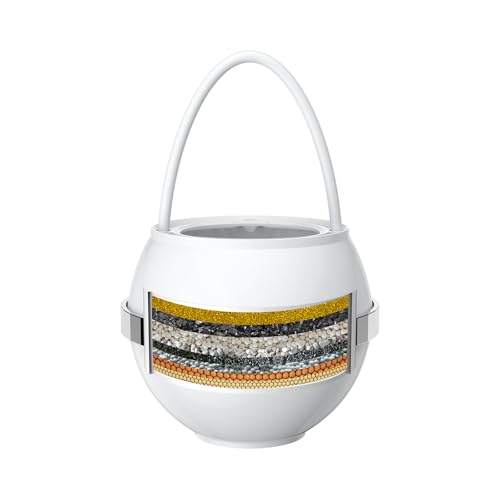
At the center of the system is a 3-stage composite filtration core featuring a 0.01-micron hollow-fiber ultrafiltration membrane, an activated carbon block, and a silver ion layer. Based on product specifications, this configuration meets NSF/ANSI standards 42 and 372 for chlorine reduction and lead-free construction. In practical campsite use, it excels at removing cloudy sediment, pipe rust, and harsh sulfur or chlorine odors from campground spigots and treated well supplies. Filtering at an estimated rate of up to four gallons per hour, it fills camp kettles and trail bladders quickly enough to keep group breakfasts moving smoothly at sunrise.
Build quality stands out thanks to the 304 food-grade stainless steel upper and lower housings. Unlike plastic filter pitchers that can crack during bumpy transit down washboard forest service roads, these metal canisters resist dents and outdoor wear. Purewell includes a matching 304 stainless steel spigot rather than a cheap plastic valve, eliminating leaks and ensuring smooth pouring. The included non-slip wire stand is an especially thoughtful touch for outdoor use, lifting the spigot high enough off picnic tables or camp kitchen tailgates to fit large insulated bottles and wide-mouth cooking pots directly underneath.
Setting up and maintaining the system around camp requires minimal fuss. Assembly involves installing the spigot, screwing the filter elements into the upper chamber, and filling the top reservoir. Because water flows strictly by gravitational draw, users must remember that adding water to the top while the bottom chamber is full will cause overflow at the seam. For long-term care between camping trips, draining the canisters, allowing the filter elements to dry thoroughly, and wiping down the polished steel surfaces will keep the unit clean and ready for your next outdoor excursion.
While this system excels at stationary campsite hydration, it does carry realistic outdoor limitations. Weighing around 8.5 pounds with a 20-inch standing profile, it is far too bulky for backcountry backpacking and belongs squarely in vehicle-supported camps. Additionally, the composite filters are designed to strip contaminants and foul tastes without stripping natural minerals, meaning they will not lower total dissolved solids (TDS). For family campers, overlanders, hunters, and emergency preparedness enthusiasts seeking a durable, high-capacity gravity system that delivers crisp drinking water without burning through single-use plastic bottles, this Purewell setup offers outstanding long-term value.
Operating a camp kitchen for a family or group requires a steady supply of potable water for coffee, rehydrating freeze-dried meals, and washing produce. This 2.25-gallon gravity system eliminates the tedious chore of constantly pumping hand filters or hauling dozens of disposable plastic jugs into the backcountry. Resting securely on its included stand, it creates an intuitive hydration station where campers can easily dispense clean water straight into camp cookware, tumblers, and hydration packs.
For overlanders and RV boondockers, the non-electric design ensures clean drinking water even when house batteries run low or solar panels face cloudy skies. The nesting chamber design allows the upper bucket to slip inside the lower one for transit, saving valuable cargo space in crowded vehicle trunks or camper van cabinets when packing gear between destinations.
According to manufacturer guidelines, the dual composite carbon filters offer a combined lifespan of up to 6,000 gallons, translating to several seasons of regular weekend camping or long-term household backup use. For the best flow rates and hygiene, rinsing the exterior of the filter cartridges under clean water periodically removes silt buildup that naturally accumulates when processing turbid outdoor water sources.
When packing away your gear at the end of the camping season, disassemble the chambers, empty all standing water, and let the components air-dry completely in a shaded area. Proper drying prevents mildew buildup, while storing the stainless canisters inside an enclosed gear tote protects the polished finish from trail grit until your next family adventure.
FAQs
Does a multi-stage filter remove sediment and chlorine?
Some do, but the exact stages and claims matter. The Purewell system lists a hollow-fiber membrane and activated carbon block for sediment and chlorine reduction, while the Membrane Solutions straw includes a coarse screen and activated carbon. Check the model’s stated certifications and contaminant claims rather than assuming all multi-stage filters perform alike.
Should I choose reverse osmosis or a countertop dispenser?
Choose based on your water goals and setup. The iSpring is an under-sink RO system with an NSF/ANSI 58 certification claim and a remineralization stage; the DREO is a countertop RO option, while ZeroWater is a 32-cup dispenser with a TDS meter. Compare installation, space, maintenance, and the contaminants each product says it reduces.
Does a lower micron rating mean better water pressure?
No, micron rating alone does not predict flow or household water pressure. These products list different formats and rates, but they are not whole-house systems with a stated GPM rating for multiple bathrooms. Review the manufacturer’s flow information and intended use before connecting any filter to a plumbing line.
Can these filters reduce TDS?
Some can, and others explicitly do not. ZeroWater is designed to remove virtually all TDS, and the iSpring RO system lists TDS reduction; the Membrane Solutions straw and Purewell gravity filter say they do not lower TDS. A TDS reading does not identify which dissolved substances are present.
How often should I replace the filter cartridges?
Follow the model-specific guidance and monitor the product’s indicator where provided. ZeroWater says to change its filter when the meter reads 006, while Purewell recommends replacement every six months for optimum performance and lists a capacity of up to 3,000 gallons per filter. Water quality and use can affect service life, so check the current manufacturer instructions and replacement-filter availability.
Is a portable straw filter suitable for every water source?
No, a portable filter should not be treated as a universal purifier. The Membrane Solutions straw is designed for portable use and lists NSF/ANSI 42, 372, and 401 claims, but those claims do not establish suitability for every contaminant or unsafe source. Check local advisories and product instructions, and see this RV inline water filter installation guide for a separate travel-water setup.





Write Your Review
No reviews yet. Be the first to share your experience!