


Sharp, chemical-like tap flavor can make a cold glass of water less appealing, while dissolved minerals and salts may call for a different filtration approach than sediment or chlorine. Water filters that remove sodium are often sought by people managing sodium intake, but these products do not all make an explicit sodium-reduction claim. Reverse osmosis can reduce many dissolved substances, while the listed ZeroWater and Culligan models target total dissolved solids and specified contaminants; check the product details and your water report before treating a filter as a guaranteed sodium solution.
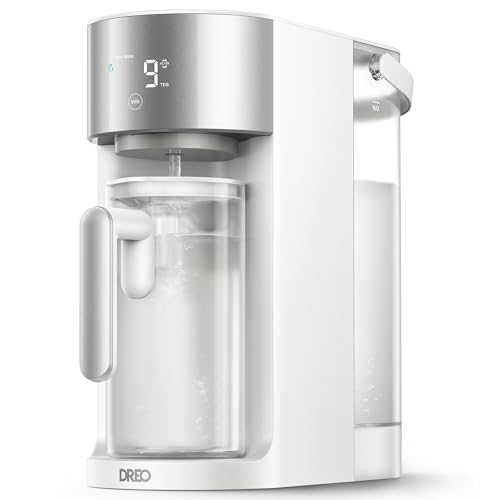
This roundup compares countertop RO systems and pitcher-style filters for everyday kitchens, from compact spaces to households that want a larger dispensing reservoir. The DREO models list TDS monitoring, and one specifies a 3:1 pure-to-drain ratio; ZeroWater and Culligan options highlight five-stage filtration and certifications for reducing named contaminants. Those claims are product-specific, not a promise that every unwanted substance is removed. Consider maintenance, replacement-filter compatibility, counter or fridge space, and the exact contaminant you need to address. For a related look at another home filtration approach, see our guide to non-RO water purifiers for home use. If a pitcher filter needs replacing, these safe pitcher filter removal steps may help.


Pros
- Huge 52-cup reservoir easily supplies drinking and cooking water for multi-person camp groups
- Integrated TDS meter takes the guesswork out of knowing exactly when your filter needs replacement
- Noticeable improvement in water taste for morning pour-overs, dehydrated meals, and hydration packs
- IAPMO certified filtration removes harmful contaminants including lead and forever chemicals
Cons
- At nearly eight pounds empty, the large footprint is strictly suited for vehicle-based camping rather than backpacking
- Ion exchange gravity filtration flows slower than simple mesh screen filters, especially when cold
- Requires municipal or pre-clarified potable source water, as it is not intended for untreated backcountry mud or microbiological pathogens
The ZeroWater 52-Cup Ready-Read Dispenser brings large-capacity, heavy-duty filtration straight to your outdoor camp kitchen. Unlike small backpacking squeeze filters or standard one-liter pitchers, this high-volume reservoir holds up to 12.3 liters of water, creating an accessible central hydration point for busy campsites. It is especially well-suited for family car campers, RV travelers, overlanders, festival goers, and outdoor enthusiasts setting up a weekend basecamp where multiple people constantly need clean water for drinking bottles, cooking pots, and dog bowls.
Filtration performance is centered around a multi-stage ion exchange system designed to strip out dissolved solids down to zero parts per million. Based on product specifications, the five-stage filter is IAPMO certified to reduce heavy metals like lead, chromium, and mercury, alongside chlorine and stubborn forever chemicals (PFOA and PFOS). The integrated Ready-Read digital meter sits directly on the unit, allowing you to instantly assess dissolved solids before filling up your hydration bladder or boiling water over the camp stove for morning oatmeal.
Around the picnic table or tailgate, the unit delivers practical convenience. Its sturdy, stand-alone rectangular profile sits flat on camp counters, chuck boxes, or folding tables without rocking. The front-facing spigot allows easy one-handed dispensing, so kids and camp cooks can fill mugs and cookware without lifting a heavy jug. The BPA-free plastic housing resists typical camp kitchen bumps, while the broad top lid makes pouring in water from park spigots or campground water hookups quick and mess-free.
Outdoor maintenance is straightforward with basic preventative habits. The gravity filtration rate works steadily, though campers in cooler mountain climates may notice slightly slower flow as cold water moves through the dense filter media. Keep in mind that ion exchange filters are engineered for treated campground or tap water that carries mineral hardness, foul taste, or pipe contaminants. It is not built to treat murky, pathogen-heavy water scooped directly from backcountry swamps without prior boiling or chemical disinfection.
For vehicle campers, tailgaters, and cabin owners looking to ditch dozens of single-use plastic water bottles, this high-volume dispenser offers exceptional value. It keeps an abundant supply of crisp, clean water on tap throughout long weekends under the open sky, making it an excellent centerpiece for group meal prep, family camping trips, and home emergency preparedness kits alike.
Setting up an efficient hydration station makes group camping run much smoother. Placing this 52-cup dispenser on the end of a picnic table or on a tailgate creates an easy-access point where anyone can grab a drink without tracking dirt through an RV or opening a crowded cooler. The spigot clearance easily accommodates standard 32-ounce camp bottles, coffee carafes, and deep cooking pots.
During hot summer weekends, filling the top reservoir with potable campground water and adding clean ice cubes keeps ice-cold, zero-TDS water available all day. It eliminates the need to haul heavy cases of throwaway plastic water bottles in your vehicle trunk, leaving more space for sleeping bags, camp chairs, and dry food storage.
To protect the dispenser during road trips and camp transit, transport the unit empty and pack it securely in a plastic storage tub to prevent accidental impacts against the dispensing spigot. Wash the reservoir before and after camping trips using warm water and mild dish soap, avoiding abrasive sponges that could scratch the clear plastic walls.
Monitor the digital TDS meter after filling. Once the reading climbs past six parts per million, it indicates the ion exchange resin has reached saturation and is ready for a replacement filter cartridge. If storing the unit between camping seasons, remove the filter, allow the tank to air dry completely, and store it in a cool, dry place away from direct sunlight.

Pros
- Exceptional 5-stage filtration removes more contaminants than standard pitchers
- Built-in TDS meter takes the guesswork out of filter replacement
- BPA-free materials with a reliable, leak-free design for car camping or RV use
- Saves money and reduces plastic waste over time
Cons
- Plastic construction may feel less premium than glass or stainless steel alternatives
- Replacement filters can add up in cost for heavy users
- Not designed for backcountry use - best for tap water or RV water supply
The ZeroWater 10-Cup Ready-Pour Water Filter Pitcher is a practical hydration solution for campers who rely on tap water at RV parks, campgrounds, or festival grounds. Instead of hauling heavy plastic bottles or trusting questionable supply lines, this pitcher gives you control over water quality with its advanced 5-stage ion exchange filter. It removes virtually all total dissolved solids (TDS), including metals, minerals, salts, and even forever chemicals like PFOA/PFOS, so every glass tastes clean and fresh.
This pitcher is best suited for car campers, RV enthusiasts, overlanders, and family campers who have access to a spigot but want better-tasting, safer water. It also works well for festival goers tailgating for a weekend and budget-conscious adventurers looking to save money on bottled water. The included TDS meter lets you test your starting water quality and monitor filter life, so you are never caught off guard with a degraded taste.
In real-world camping scenarios, the ZeroWater pitcher shines when you need to fill water bottles, coffee pots, or hydration bladders. The 10-cup capacity is enough for a small group's daily drinking needs, and the quick-fill spigot makes dispensing easy without tipping the whole pitcher. While it does not filter from a backcountry stream, it is perfect for improving the taste and safety of campground tap water, RV tank water, or even well water at remote cabins. The filtration is certified by IAPMO for reducing lead, chromium, and mercury, adding an extra layer of trust for families.
Build quality is solid: the BPA-free plastic body is sturdy enough for regular handling and the handle is comfortable for pouring. The pitcher is lightweight at just 1 pound, so it won't weigh down your camp kitchen. However, the plastic construction means it could crack if dropped on rocky ground, so handle with care. The included filter is easy to install and replace - just soak, rinse, and snap in. Many users find the TDS meter particularly helpful for seeing the difference before and after filtration.
One realistic limitation is the ongoing cost of replacement filters. Depending on your water quality, a filter may need changing every 20 to 40 gallons, which can add up for heavy users. Also, if you are camping without access to a clean water source, this pitcher won't help - it is strictly for tap water, not murky rivers or lakes. For those who want a no-fuss way to ditch single-use plastic bottles at the campsite, though, the ZeroWater pitcher is a reliable, user-friendly choice that delivers on its promise of pure taste.

Pros
- Brings TDS readings down to 000 for pure-tasting camp coffee, tea, and meal prep
- Integrated digital TDS meter eliminates guesswork on filter cartridge life
- Substantial 5.2-liter capacity reduces the need for constant refilling at the spigot
- Slim, rectangular footprint packs efficiently into camp kitchen bins or camper galleys
Cons
- Not engineered for untreated backcountry streams or wilderness sources lacking pre-filtration for biological pathogens
- Denser 5-stage filter media results in a slower gravity flow rate than basic carbon pitchers
- Heavy when fully filled with water, requiring a stable camp table or solid countertop surface
The ZeroWater 22-Cup Water Filter Dispenser is a high-capacity, gravity-fed filtration station designed to provide clean, crisp drinking water at the campsite, RV park, or cabin. Equipped with a 5-stage ion exchange filter and an integrated digital TDS (Total Dissolved Solids) meter, this dispenser is engineered to strip away metals, chemical contaminants, and dissolved minerals from tap supplies. It serves car campers, RV travelers, overlanders, family campground groups, and emergency preparedness planners who want premium drinking and cooking water without hauling heavy cases of disposable plastic bottles.
In a camp setting, municipal campground spigots and rural RV hookups often yield water with heavy mineral loads, chlorine odor, or lingering sediment. This dispenser tackles those issues by filtering tap supplies down to an impressive 0 TDS, noticeably improving the flavor of campfire coffee, morning oatmeal, and trail canteens. With a 22-cup (5.2-liter) capacity, it supplies plenty of water for multiple campers throughout the day. The built-in push-and-pour spigot allows effortless one-handed dispensing right from the edge of a picnic table or tailgate kitchen.
Built from durable, BPA-free food-grade plastic, the unit balances structural rigidity with a lightweight empty weight of just 2.3 pounds. Its slim profile measures 5.5 inches wide, 10.4 inches long, and 11.3 inches high, allowing it to slide into compact spaces such as an RV counter, a portable camp pantry, or alongside standard camping coolers. The included Ready-Read TDS meter mounts directly into the chassis, giving you instant clarity on water quality before filling your hydration bladders.
Setting up the dispenser at basecamp is straightforward: rinse the filter cartridge, screw it securely into the reservoir base to prevent bypass leaks, and pour in your water supply. Maintenance is made simple by the digital meter, which signals that a replacement cartridge is needed once the reading reaches 006. Hand washing the reservoir with mild soap between camping weekends keeps the components fresh and ready for the next adventure.
Campers must keep in mind its wilderness limitations. The 5-stage filter is not an outdoor wilderness purifier for raw, untreated backcountry lakes or stagnant streams containing bacteria, protozoa, or cysts. Additionally, because the multi-stage filter media is exceptionally dense, water flows more slowly through the top reservoir than through standard single-stage carbon pitchers, so filling the unit ahead of group meal prep is recommended.
For weekend car campers, tailgaters, glampers, and emergency preppers, the ZeroWater 22-Cup Dispenser offers remarkable value and peace of mind. It turns questionable campground tap water into exceptionally pure hydration, cuts plastic waste around the campfire, and neatly fits into your vehicle camp kitchen loadout. If your outdoor adventures revolve around established campgrounds, RV parks, or remote cabin getaways with running water, this dispenser is an outstanding hydration companion.
Organizing a clean hydration hub is one of the most practical upgrades you can make to a family campsite or overland camp kitchen. Setting this dispenser on the corner of a sturdy folding camp table gives the whole group immediate access to pure water without opening and closing coolers to grab plastic bottles.
The push-button spigot makes it easy for kids to fill their own camp mugs, while adults can quickly draw measured amounts of water for Dutch oven cooking or pour-over camp coffee. Because the unit maintains a narrow 5.5-inch width, it takes up minimal table space, leaving plenty of room for camp stoves, cutting boards, and dining essentials.
Proper care ensures your dispenser delivers optimal filtration across many camping seasons. Always check that the O-ring on the filter cartridge sits squarely in place before threading it tightly into the upper reservoir, as an imperfect seal can allow unfiltered tap water to bypass the filtration bed.
During cold-weather trips, avoid leaving water inside the filter cartridge in freezing conditions, as expanding ice can compromise the internal ion exchange membranes. Store the dispenser in an insulated vehicle cabin or tent overnight when temperatures drop. To clean, remove the filter and TDS meter, and gently hand wash the plastic body with mild dish soap and warm water.

Pros
- Reduces total dissolved solids down to zero for exceptionally crisp, clean-tasting camp water
- Built-in TDS meter takes the guesswork out of knowing exactly when to swap your filter
- Drop-in filter redesign eliminates thread alignment issues and bypass leaks found on older versions
- Slim 12-cup footprint packs easily into camp kitchen bins, camper van galleys, and overland storage
Cons
- Designed strictly for treated campground tap water and not suitable for untreated backcountry streams or lakes
- Filter life shortens considerably when processing heavily mineralized or very hard campground water
- Slower flow rate than basic single-stage pitchers due to the thorough 5-stage ion exchange process
The Culligan with ZeroWater Technology 12-Cup Water Filter Pitcher is a high-performance pour-through water purifier designed to deliver clean, bottle-quality water wherever there is access to potable or municipal campground spigots. While ultralight hikers rely on compact squeeze filters for the trail, basecamp cooks and vehicular campers often struggle with the heavy chlorine odor, chemical aftertaste, and mineral sediment common in campground water hookups. This unit bridges that gap by packing a certified 5-stage ion exchange and activated carbon filtration system into a tidy countertop pitcher that holds 96 fluid ounces of refreshing water.
This filtration pitcher is tailored primarily for car campers, RV owners, overland adventurers, family campground groups, and cabin weekenders. If you are setting up a central camp kitchen or outfitting a camper van galley, you need high-volume water that tastes clean for morning pour-over coffee, cooking breakfast, and filling personal hydration bladders. Rather than packing cases of single-use plastic water bottles that crowd your trunk and create excess campsite trash, this pitcher lets you pull directly from campground taps while stripping out unwanted contaminants before taking your first sip.
Real-world camp kitchen performance is where this system shines. The 5-stage filtration process removes virtually all total dissolved solids, taking mineral-heavy spigot water down to zero on the included digital tester. Customer feedback frequently highlights that coffee and tea taste remarkably smoother because sulfur and chlorine notes are completely eliminated. The pitcher features a built-in meter mount that allows you to check water quality on the fly, alerting you when readings rise above acceptable levels so you know precisely when to change the cartridge. The 0.18-liter-per-minute flow rate takes a few minutes to filter a full reservoir, but the resulting purity justifies the wait.
The build quality reflects a thoughtful redesign over older legacy models. It features a modern drop-in filter design that eliminates difficult screw-in threads, preventing unfiltered water from bypassing the seal. Measuring 10.3 inches long, 5 inches wide, and 10.5 inches tall, the slim profile easily slides into standard ice chests, portable 12-volt camp fridges, or crowded camp kitchen chuck boxes. An ergonomic handle provides steady control when pouring into narrow camp mugs or hydration bottles, while the slide-top lid allows fast top-offs under low spigots without pulling the entire lid assembly off.
Campers should bear in mind that this pitcher is not a wilderness survival purifier meant for raw, untreated backcountry rivers or murky alpine ponds containing biological pathogens. It is specifically engineered to eliminate dissolved chemicals, heavy metals, and sediment from treated sources. Furthermore, if you are camping in regions with exceptionally hard water, the filter resin works overtime, meaning filter longevity will be shorter than in areas with lower baseline dissolved solids. Pre-filtering heavily sedimented water or pairing it with municipal taps yields the best cartridge lifespan.
For weekend road trippers, family campground vacations, festival camping setups, and long-haul RVers, the Culligan with ZeroWater Technology 12-Cup Pitcher is an exceptionally practical upgrade to your camp kitchen gear roster. It eliminates the hassle and clutter of disposable plastic jugs, provides instant proof of water quality via the onboard TDS meter, and ensures every cup of morning camp coffee tastes as pure as fresh mountain rain.
Setting up a comfortable camp kitchen requires reliable drinking water, and this 12-cup pitcher fits neatly on folding camp tables or tailgate prep stations. Its 96-ounce capacity ensures your group has chilled, clean water ready for meal prep, hydration bladders, and hydration packs throughout the day.
The space-saving rectangular footprint makes it convenient to store inside powered camp coolers or standard hard-sided ice chests without monopolizing valuable food storage space. It provides an eco-conscious alternative to hauling bulky plastic gallon jugs to your campsite.
To keep the pitcher operating at peak performance during camping season, wash the plastic reservoir and lid with warm soapy water between trips, taking care to detach the digital TDS meter before washing to prevent moisture damage to the electronic display.
Store spare drop-in filters in a dry, sealed plastic bag inside your camp chuck box so they remain free of camp dust and debris until you need them. If you are winterizing your camper van or putting gear away for the off-season, fully empty and dry the pitcher to prevent mold growth.
FAQs
Do these water filters specifically claim to remove sodium?
No, the supplied product details do not explicitly name sodium reduction for these models. The DREO products use reverse osmosis, while ZeroWater and Culligan describe TDS reduction, but TDS readings do not identify individual substances. Check the manufacturer’s current performance information for sodium before buying.
Can reverse osmosis reduce dissolved salts in drinking water?
Reverse osmosis is designed to reduce many dissolved substances, but results depend on the system and water conditions. The DREO descriptions list RO filtration and reductions for specific contaminants; they do not provide a sodium-specific percentage. Review the manufacturer’s claims and confirm the system suits your water concern.
What does a TDS meter tell me about filtered water?
A TDS meter reports the combined level of dissolved solids, not which substances are present. ZeroWater and Culligan models include a meter to help track TDS and filter status. Use a water-quality report or appropriate testing to identify a particular contaminant such as sodium.
Which option suits a household that needs more water ready?
The 52-cup ZeroWater dispenser is the largest listed capacity, while the 22-cup dispenser and smaller pitchers offer other storage choices. The DREO RO system description lists a 3-liter tank and a 1.1-liter pitcher. Match capacity to your counter space and daily demand, and account for refilling and filter upkeep.
Are ZeroWater and Culligan replacement filters interchangeable?
No, do not assume they are interchangeable. The Culligan with ZeroWater Technology pitcher is listed as compatible with the newer Culligan filters and not legacy ZeroWater filters. Check the exact model and cartridge compatibility before ordering replacements.
How should I choose between a pitcher and countertop RO system?
Choose a pitcher for straightforward pour-through use and a countertop RO model if its listed filtration features better match your needs. RO systems require space and produce drain water; the DREO description lists a 3:1 pure-to-drain ratio for one model. Compare maintenance, replacement cartridges, and the manufacturer’s contaminant claims before deciding.


Write Your Review
No reviews yet. Be the first to share your experience!