

Gritty water calls for the right kind of filter
Fine sand, cloudy stream water, and odd tastes can turn a planned refill into a question mark. The best water filter for dirty water options here range from pocket-sized personal straws to a gravity-fed setup and a refrigerator dispenser, so the best fit depends on where you’ll use it and what you need reduced. Portable hollow-fiber filters are built for outdoor water treatment, while the dispenser’s carbon fiber filter is intended for everyday tap water and taste improvement.
We reviewed the listed specifications, including micron ratings, filter life, materials, and stated uses, rather than treating every product as suitable for every water source. A straw filter is not a substitute for municipal treatment or a home system designed for a known contaminant problem. The hydration pack and bite valve guide can help with trail-carry setup, while this home water purifier overview covers a different kind of daily filtration need.
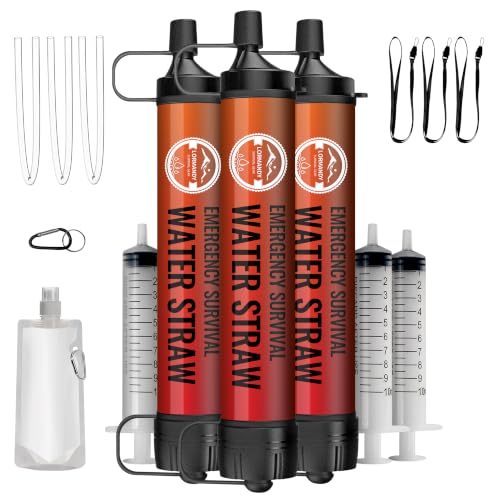
For direct sipping, Lormandy’s three-pack and the five-pack from Advenlution list 0.1-micron hollow-fiber membranes; LifeStraw lists a 0.2-micron turbidity reduction figure and a 4,000-liter lifespan. Waterdrop pairs a 0.1-micron membrane with a 1.5-gallon gravity bag and backflushing. The electric ITEHIL model lists 0.01-micron filtration and USB-C or solar charging, while Waterdrop’s refrigerator dispenser focuses on carbon filtration and chlorine taste reduction. Match the product’s stated claims to your water source, and follow its maintenance directions.

Pros
- Automated electric pumping delivers 700 ml per minute without manual pumping effort
- High-grade 0.01-micron dual filtration system targets bacteria, viruses, micro-particles, and odors
- Dual recharging options via solar and Type-C USB offer dependable off-grid backup
- Multi-functional design incorporates an emergency light and 5200mAh phone-charging power bank
- Compact and lightweight 7-inch form factor attaches easily to packs or camp gear bins
Cons
- Filter cartridge requires periodic replacement after approximately 1,000 liters or 6 months of use
- Solar charging is primarily intended for supplemental emergency power rather than rapid primary recharging
- Freezing temperatures can damage damp internal filter membranes if not properly drained and stored
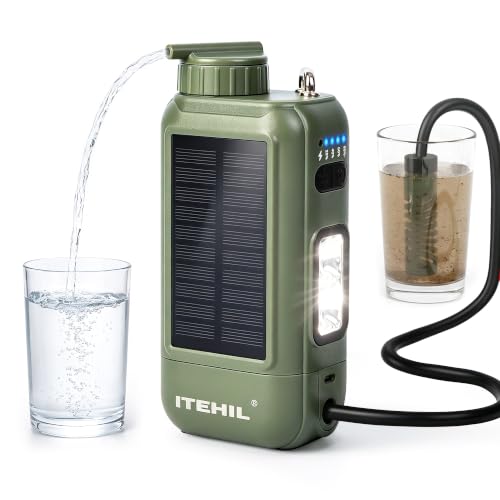
The ITEHIL Portable Electric Water Purifier is a compact, automated campsite water purification device designed to streamline hydration and clean water access in the outdoors. It suits family campers, car campers, overlanders, backpackers, van-life travelers, emergency preppers, and outdoor cooks who want clean water at their campsite without spending time and energy on manual hand pumps. Measuring 3.2 x 2.4 x 7 inches, this handheld unit fits neatly on a camp prep table, inside a vehicle gear bin, or clipped directly to a backpack.
Built around a dual filtration system featuring an Ahlstrom membrane and pre-stage ultrafiltration, the purifier achieves a 0.01-micron filtration precision. According to product specifications, it filters out 99.99 percent of bacteria, viruses, heavy metals, chlorine, odors, parasites, sand, and turbidity from freshwater streams, lakes, or emergency water supplies. The automated pump produces up to 700 milliliters of purified water per minute, making quick work of filling camp kettles, hydration reservoirs, and cooking pots during outdoor meal prep.
Powered by an integrated 5200mAh rechargeable lithium battery, the device offers up to four hours of continuous water purification on a full charge. For off-grid flexibility, it supports both standard USB Type-C charging and solar charging. The built-in solar panel provides emergency backup power, with roughly 30 minutes of direct solar exposure generating sufficient power to purify a full liter of water. Additionally, the device doubles as a portable power bank to top off smartphones, GPS units, or headlamps around camp.
Practical campsite features include an integrated emergency LED light that assists with nighttime water collection and meal preparation beside a camp stove. The unit includes a sturdy hanging hook that lets campers suspend it from a lantern pole, vehicle rack, or camp table frame to keep hoses organized and off muddy ground. Cartridge maintenance is straightforward, with each filter cartridge rated for up to 1,000 liters of freshwater processing before requiring replacement.
While the unit provides automated convenience, campers should keep in mind that solar charging serves primarily as an emergency fallback, so charging fully via Type-C before leaving home remains best practice. Campers should also avoid letting wet filter elements freeze during cold-weather trips. For car campers, RV travelers, overlanders, and emergency preparedness kits, this multi-use electric purifier delivers dependable filtration, emergency power, and hands-free water production for outdoor adventures.
The ITEHIL purification system utilizes a two-stage 0.01-micron Ahlstrom and ultrafiltration setup engineered to remove sediment, bacteria, viruses, heavy metals, and off-flavors from raw water sources. With a continuous output of 700 ml per minute, it fills water bottles and cookware swiftly without the fatigue associated with manual squeeze or pump filters. The cartridge has an operational lifespan of up to 1,000 liters depending on water clarity, providing ample capacity for extended camping trips and seasonal outings.
Equipped with a 5200mAh internal battery, this unit supplies up to four hours of steady pumping performance while functioning as a power source for essential camping electronics. Users can recharge the internal battery via standard 5V Type-C USB cables from vehicle ports, portable power stations, or wall outlets. The integrated solar surface provides an auxiliary power option during remote backcountry trips or emergency utility outages, offering a practical failsafe when conventional charging is unavailable.
Featuring an integrated hanging carabiner hook and a built-in emergency light, the device integrates smoothly into campsite kitchens and base camp hydration stations. Campers can suspend the unit above a camp table or prep surface to keep clean water dispensing directly into cookware, cups, or storage jugs without taking up valuable table surface space. Its compact dimensions make it easy to pack into dry boxes, camp kitchen totes, or vehicle glove compartments.

Pros
- Weighs only two ounces, making it an ideal choice for ultralight backpacking and compact survival kits
- Impressive 4,000-liter filtration lifespan delivers years of safe drinking water without extra moving parts
- Straightforward operation requires no pumping, chemical wait time, or battery power
- Rigorous 0.2-micron filtration effectively blocks bacteria, protozoan cysts, microplastics, and silt
Cons
- Requires sipping directly from the water source or a cup rather than filtering directly into storage bladders
- Does not eliminate viruses, heavy metals, or agricultural chemicals found in heavily polluted runoff
- Filtering large volumes of water for camp cooking or group hydration can be tedious
The LifeStraw Personal Water Filter is a compact, point-of-use hollow fiber membrane filter engineered for on-the-go hydration during wilderness treks and emergency situations. Designed as an ultralight survival tool, it allows outdoors enthusiasts to drink directly from natural freshwater sources without relying on chemical purification tablets or cumbersome mechanical pumps. This filter caters directly to backpackers, day hikers, trail runners, hunters, scouts, solo adventurers, and emergency preppers assembling bug-out bags.
Filtration performance is centered around a 0.2-micron microfiltration membrane capable of removing 99.999999% of waterborne bacteria, including E. coli and Salmonella, as well as 99.999% of waterborne protozoan parasites such as Giardia lamblia and Cryptosporidium. In practical camping scenarios, such as filling up along an alpine stream or drinking from a backcountry lake, the filter purifies water instantly with a steady flow rate. It also filters out fine sediment and environmental microplastics, significantly improving water clarity without introducing any chemical aftertaste.
Weighing only around two ounces and measuring approximately nine inches in length, the unit delivers high portability. The durable, BPA-free plastic housing withstands being tossed into a packed rucksack, stashed inside a vehicle console, or clipped to a chest harness. Both ends are equipped with protective caps to keep trail dirt and debris away from the mouthpiece and intake zone during rugged hikes through brush or rocky terrain.
Operation and ongoing care remain straightforward. To drink, users simply uncap both ends, place the base into a water source, allow the membrane to saturate for a few seconds, and sip through the top mouthpiece. Clearing the filter requires blowing a quick puff of air back through the straw after drinking, which purges residual moisture and prevents particulate buildup. Because the unit contains no moving parts or batteries, it requires virtually zero mechanical troubleshooting in the field.
A realistic limitation of this straw-style filter is that it is primarily intended for individual, immediate consumption. Gathering gallons of water for camp kitchen cooking, large-scale family hydration, or refilling narrow hydration reservoirs requires transferring water into an intermediate wide-mouth container first. Additionally, like most standard backcountry microfilters, it does not remove viruses or dissolved chemical contaminants, making it best suited for natural wilderness waters rather than heavily industrialized runoff.
For weekend backpackers, trail hikers, overland travelers, and budget-conscious campers seeking peace of mind in the outdoors, the LifeStraw Personal Water Filter represents an exceptional value. Its combination of near-zero pack weight, massive 4,000-liter operational lifespan, and proven microbiological protection makes it a core staple for any outdoor gear loadout or home emergency kit.
For ounce-counting backpackers and thru-hikers, minimizing pack weight is essential. Weighing roughly 2 ounces, the LifeStraw adds virtually no penalty to your base weight while eliminating the need to carry heavy liters of pre-filtered water on trails with frequent water sources.
Its slim profile slips easily into backpack side pockets, hip belt pouches, or running vests. During quick trail stops, hikers can hydrate directly from passing streams in seconds without taking off their packs or assembling multi-piece pump systems.
Maintaining the LifeStraw requires minimal effort on the trail. After each drinking session, simply blow air back through the mouthpiece to clear trapped water and silt from the membrane fibers before snapping the protective caps back into place.
When storing the filter between camping seasons, rinse it thoroughly with clean water, allow it to air dry, and keep it in a cool, dry location. In sub-freezing temperatures, keep wet filters inside a jacket pocket or sleeping bag, as freezing water can damage the internal microfiltration membrane.

Pros
- Hands-free gravity filtration frees you up to pitch tents or cook meals while filtering water
- Generous 1.5-gallon water capacity reduces repetitive trips down to the creek or water source
- Dual-ended modular straw connects easily to gravity bags, squeeze pouches, and common threaded beverage bottles
- Activated carbon core improves backcountry water flavor compared to plain hollow fiber filters
- Inexpensive maintenance thanks to simple backwash capability using a standard water bottle
Cons
- Requires a sturdy elevated branch or hook to achieve optimal gravity-fed water flow
- Internal hollow fiber membrane must be protected from freezing temperatures once wet to prevent damage
- Hauling a completely full 1.5-gallon bag back to camp adds noticeable temporary weight
The Waterdrop Gravity Water Filter Straw System is an all-in-one outdoor water purification kit engineered to provide high-volume safe hydration in backcountry environments. Built around a 0.1-micron hollow fiber membrane paired with coconut shell activated carbon, this setup purifies water from natural lakes, creeks, and rainwater caches. Unlike standard inline straw filters that require hard manual suction, this system pairs the straw with an expansive 1.5-gallon gravity bag, transforming raw outdoor water into clean drinking water with hands-free operation.
This filtration setup is tailored for backpackers, family campers, solo adventurers, and survivalists who need a steady water supply without carrying heavy plastic bottles. Camp cooks and group leaders will find the high reservoir volume especially useful for boiling pasta, filling hydration bladders, and prepping morning coffee. It also makes an exceptional addition to home emergency preparedness kits, overlanding rigs, and off-grid bug-out bags where municipal water reliability might be suddenly compromised during severe storms.
In field conditions, performance centers on the impressive 700 ml per minute flow rate and multi-stage filtration mechanics. The 0.1-micron ultrafiltration barrier removes common waterborne threats such as sediment, micro-debris, and turbidity, while the activated carbon layer helps neutralize chlorine taste and unpleasant swampy odors. Because the system utilizes gravity pressure, you can string the reservoir up between two trees, attach the hose, and let camp water filter effortlessly into clean canteens while you pitch your tent or start a campfire.
Constructed with durable, BPA-free TPU materials, the collapsible water reservoir withstands trail abrasion while folding down nearly flat when emptied. The complete package weighs under half a pound, making it light enough to slide inside an external backpack mesh pocket without eating into base weight allowances. The filter straw itself offers modular versatility, featuring threaded ends compatible with standard 27.5mm soda bottles and smaller personal squeeze pouches, giving you complete flexibility on long-distance treks.
While the system excels in camp convenience, it has a few natural limitations typical of hollow fiber gravity filters. Freezing temperatures can rupture the internal fibers once wetted, meaning winter hikers must sleep with the filter inside their sleeping bags. Additionally, highly silted glacial runoff or muddy puddles can slow the flow rate, requiring frequent backwashing via clean water flushes to keep the pores clear. Finding a sufficiently high branch or anchor point at dry campsites also requires some forward planning.
For outdoor enthusiasts, weekend backpackers, and emergency preppers seeking a high-capacity, budget-friendly filtration solution, the Waterdrop Gravity System provides outstanding utility. It eliminates the elbow grease of hand pump filters and the frustrating mouth fatigue of solo filter straws. If you want a dependable, multi-functional water purification system that effortlessly hydrates the whole camp, this setup is a dependable companion for your next wilderness outing.
Setting up the Waterdrop gravity system at camp takes just a few moments. Simply scoop raw water from a stream or lake into the wide-mouth 1.5-gallon reservoir, seal the top, and hang the bag from a tree branch, camp lantern pole, or vehicle roof rack using the integrated strap. Connect the filter straw to the tubing at the base, open the valve, and let gravity push clean water into your water bottle or cook pot.
Maintaining optimum flow rate on multi-day trips requires basic filter hygiene. When filtering sediment-heavy water, backflush the straw regularly by pushing clean water in reverse through the mouthpiece using a standard threaded pop bottle or the included squeeze pouch. After returning home from your trip, flush the filter thoroughly with clean tap water, air dry the bag completely to avoid mildew, and store the unit in a climate-controlled space away from freezing conditions.
Weight and pack space are critical factors for any backcountry expedition, and this complete water filtration kit weighs roughly 0.29 to 0.48 pounds. The collapsible TPU water bag rolls up compactly, slipping effortlessly into your pack side pocket or lid without consuming precious interior volume needed for sleeping bags and shelters.
Its modular design also lets you adapt your gear loadout to your itinerary. On ultra-fast solo day hikes, leave the 1.5-gallon bag behind and carry just the lightweight filter straw attached to a flexible water pouch. For group basecamps or dry-camp treks where water sources are miles apart, packing the full gravity kit ensures your crew can haul and filter multiple gallons in a single trip.

Pros
- Substantial 8.4-liter capacity minimizes repetitive trips to the campground water station.
- Fast gravity flow rate filters significantly quicker than conventional pitcher designs.
- Certified to NSF standards for chlorine and odor reduction to improve campground spigot water quality.
- Molded top carry handle makes hauling and repositioning around the camp galley effortless.
Cons
- Too large and heavy for backpacking, lightweight hiking, or mobile trail use.
- Designed for potable tap or campground water and does not remove biological pathogens from backcountry streams.
- Weighs over twenty pounds when full of water, requiring a sturdy, level camp table or counter.
The Waterdrop 35-Cup Slim Water Filter Dispenser is a high-volume gravity filtration system designed to provide crisp, great-tasting drinking water at basecamps, RV galleys, cabin getaways, and tailgates. While backcountry hikers rely on squeeze filters or compact trail pumps, group basecampers and car campers need higher water volume without constant refilling. This dispenser holds up to 8.4 liters (35 cups total capacity), making it an outstanding fit for family campers, road trippers, overlanders with portable kitchens, and anyone staging an emergency home preparedness kit.
Campground water hookups and park spigots frequently carry noticeable chlorine tastes, chemical odors, or lingering pipe sediment that can spoil camp coffee and drinking water. Based on product specifications, this dispenser utilizes an advanced activated carbon fiber (ACF) filter certified against NSF 42 and NSF 372 standards to reduce chlorine taste, odor, heavy metals, and PFOA/PFOS compounds. With a fast flow rate that processes a full reservoir in approximately five minutes, campers do not have to wait around when boiling water for dinner or filling bottles before setting out on the trail.
Build quality is tailored for frequent handling around busy outdoor cook stations and vehicle setups. The unit is molded from durable, BPA-free, food-grade plastic that withstands everyday transport in a packed trunk or camper van. Practical outdoor details include an integrated top push-pull handle that makes carrying the dispenser back from the spigot comfortable. A sliding top lid prevents campsite dust, bugs, and falling leaves from entering the reservoir, while a two-degree sloped base directs every drop toward the spout so you never have to tip a heavy container.
Setup and long-term maintenance are straightforward. The filter installs smoothly without complex tools, and a built-in replacement indicator helps track usage across the generous 200-gallon filter lifespan. Cleaning requires only warm water and mild soap between camping weekends. Campers heading out during cold shoulder seasons will want to prevent the filter from freezing overnight, as freezing temperatures can damage internal carbon blocks.
There are realistic limitations to keep in mind. Weighing over four pounds empty and more than twenty pounds when filled, this dispenser is intended strictly for stationary camp tables, tailgate setups, or RV counters. Additionally, because this system uses an activated carbon filter rather than a microbiological purifier, it is intended solely for municipally treated tap water, RV holding tanks, or potable campground spigots. It should not be used on untreated backcountry lakes or rivers without prior boiling or chemical purification.
For car campers, overlanders, and family outdoor enthusiasts seeking a centralized hydration station, the Waterdrop 35-Cup Dispenser offers remarkable convenience and water clarity. It eliminates the hassle and waste of hauling single-use plastic bottles to camp, streamlines outdoor meal preparation, and provides dependable, clean water for your entire group.
Setting up an efficient camp kitchen requires easy access to clean water for cooking, morning coffee, and general hydration. The slim 5.5-inch width of this dispenser allows it to sit neatly on a standard picnic table, camp kitchen organizer, or tailgate without dominating food prep space. Its push-spigot design allows campers to fill tumblers and pots single-handedly while managing stoves and cookware.
For RVers and campervan travelers, the unit slides cleanly into compact camper refrigerators or stands securely on galley countertops during camp stays. Because it filters municipal and campground water quickly, your crew can refill personal water bottles rapidly before day hikes without creating bottlenecks around camp.
Maintaining the dispenser during active camping seasons is simple. Before your first trip, rinse the reservoir with mild dish soap and flush the filter according to instructions to clear loose carbon dust. For routine care, hand-wash the body and lid regularly to prevent mineral buildup from hard campground water.
If you are camping in near-freezing mountain conditions, bring the dispenser inside your vehicle cabin or insulated camper overnight. Freezing temperatures can cause residual moisture inside the carbon filter media to expand, potentially cracking the filtration structure. When storing the unit between camping seasons, remove and air-dry the filter to keep your gear fresh and ready for the next adventure.
FAQs
Can a personal water filter straw make any dirty water safe to drink?
No. These products list filtration claims for specific particles or organisms, but no single straw should be assumed to remove every chemical or contaminant. Check the product’s stated capabilities and avoid unknown or chemically contaminated sources.
What does a 0.1-micron rating mean for outdoor water filtration?
A 0.1-micron rating describes the size of particles the listed membrane is designed to filter. Lormandy, Advenlution, and Waterdrop list 0.1-micron filtration, but ratings alone don’t establish performance against every contaminant or guarantee a particular sip rate.
Which option is easiest for a group camping trip?
The Lormandy model comes as a three-pack, and Advenlution’s filter set comes as a five-pack. Individual straws let each person carry a filter, while Waterdrop’s 1.5-gallon gravity bag provides a shared filling option. Consider whether your group prefers direct sipping or filling a container.
How often should I replace or clean these filters?
Follow the specific manufacturer’s service instructions. Listed lifespans vary: LifeStraw specifies 4,000 liters, Advenlution lists up to 1,600 gallons per filter, and Waterdrop lists up to 1,400 gallons for its straw with backflushing guidance. ITEHIL advises cartridge replacement based on time and water flow, with water quality affecting the interval.
Is the Waterdrop refrigerator dispenser suitable for outdoor water?
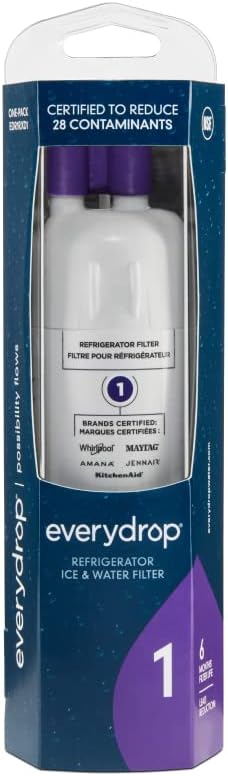
No, it’s a refrigerator dispenser for treated household tap water, not a portable purifier for streams or emergency sources. Its carbon fiber filter is listed for chlorine taste and odor reduction, and the system does not lower TDS. For pitcher maintenance, see this guide to removing an old water filter.
Does a finer micron rating mean a filter is always better?
No. A smaller stated micron size is only one specification, not a complete measure of suitability. Compare the contaminants addressed, flow and maintenance requirements, capacity, and intended water source before buying.




Write Your Review
No reviews yet. Be the first to share your experience!