

Backcountry streams can turn into chocolate milk after an unexpected afternoon thunderstorm, leaving your camp water bladders filled with thick sediment. Scooping silted water quickly clogs standard microfilters, slowing your camp kitchen prep to a frustrating crawl. Understanding how to use moringa seeds for water purification gives outdoor enthusiasts a clever, natural coagulation technique to settle out suspended particles before pumping. Natural proteins in crushed seeds act as clarifying agents that bind to dirt, making heavy particulates sink straight to the bottom of your bucket. Pairing this traditional coagulant with a reliable water filter for hunting or remote camping keeps your filtration cartridges from jamming up on silty riverbanks.
Crushing clean seed kernels from fresh batches creates a fine paste that clarifies cloudy trail water within hours. Ground seeds from suppliers like SoloTherapy or MOGOMORINGA provide compact, lightweight seed stocks that pack neatly inside your emergency kit without wasting precious pack space. Based on product specifications and user feedback, seasoned backpackers often carry dried seeds to pre-treat turbid water before filling the best hydration pack for backpacking. This simple campcraft method saves your mechanical filter membranes from premature wear, keeping trail hydration smooth and dependable deep in the wilderness.

Pros
- High germination rates reported by gardeners following the standard warm-water soaking protocol
- Extremely lightweight and portable pack makes it simple to store inside bug-out bags or survival kits
- Produces drought-resistant, fast-growing trees suited for warm climates, greenhouses, or indoor pots
- Backed by a responsive 365-day manufacturer germination guarantee for peace of mind
Cons
- Requires warm temperatures and protection from freezing conditions to survive cold winters
- Clear packaging requires storage in a cool, dark container to prevent light degradation over time
- Sprouting demands patient 24-hour soaking and careful handling of fragile early shoots
The MOGO 100-Pack Moringa Oleifera PKM1 Seeds represent a specialized survival gear and emergency preparedness resource designed for outdoor enthusiasts, homesteaders, and self-reliant survivalists. Rather than relying solely on packaged freeze-dried rations, many off-grid campers, overlanders, and emergency preppers look to sustainable food cultivation to support long-term self-sufficiency. Known widely as the miracle tree, moringa provides exceptionally nutrient-dense foliage that can supplement campfire cooking or off-grid homestead meal plans.
In terms of outdoor resilience, moringa is celebrated for its ability to thrive in challenging warm-weather environments. Once established, the plant demonstrates solid drought tolerance, making it suitable for arid basecamp gardens, sunny homestead plots, or warm summer campsites. The PKM1 variety is bred for vigorous vegetative growth, rapid leaf production, and adaptability to sandy or loose loamy soils. However, like many tropical and subtropical perennials, moringa requires full to partial sun exposure and moderate watering to establish a strong root network before cooler weather arrives.
Build quality in seed stock comes down to purity, seed viability, and proper selection. Based on product specifications and user feedback, these seeds are hand-selected, non-GMO, and sourced from small growers. Gardeners frequently highlight strong germination rates when following the recommended pre-planting routine. Soaking the dark, winged seeds in clean water for 24 to 36 hours initiates hydration, after which placing them in a warm, moist paper towel encourages early root sprouting before transferring them to soil.
Portability and packability make this packet practical for survival kits and bug-out bags. Weighing under two ounces and measuring just a few inches across, the compact pouch slides easily into a survival seed vault, dry bag, or vehicle emergency box alongside fire starters and water purifiers. For backpackers planning extended stays at remote off-grid shelters, carrying viable seed stock offers long-term sustainability without adding noticeable pack weight.
Realistic limitations must be kept in mind by seasonal campers and northern gardeners. Moringa cannot tolerate sustained freezing temperatures, meaning survivalists outside of warm southern climates must cultivate plants in large containers that can be moved indoors during winter. Additionally, user reviews point out that the seed pouch is clear rather than opaque, meaning buyers should store the package inside a dark, airtight container to protect the seeds from light degradation prior to planting.
For emergency preppers, off-grid cabin owners, and green-thumb outdoor enthusiasts looking to bolster their food independence, these MOGO moringa seeds provide excellent value and reliable vigor. Whether integrated into a dedicated survival garden, sprouted as microgreens at basecamp, or kept as a backup food source in a homestead preparedness cache, this 100-count pack delivers practical utility for self-reliant outdoor living.
Moringa thrives in high heat and ample sunlight, making late spring and summer the ideal planting window across most United States climate zones. Campers and growers should ensure soil temperatures remain consistently warm to encourage vigorous root development and leafy growth.
For outdoor enthusiasts living in regions with harsh winters, growing moringa in an 18-inch pot or portable tub allows you to move the plant inside an off-grid shelter, greenhouse, or sunroom to protect it from deadly frost.
Proper seed preparation is critical for maximizing germination rates. Soak the seeds in room-temperature water for 24 to 36 hours, then transfer them into a moist paper towel sealed in a plastic bag until the first sprouts emerge.
Handle delicate new shoots with care when planting roughly three-quarters of an inch deep in well-draining sandy loam soil. Store any unused seeds in an airtight, light-blocking container kept in a cool, dry place to maintain viability.

Pros
- Ultralight four-ounce package adds negligible weight to multi-day backpacking packs
- Resealable pouch design helps keep the seeds dry against trail condensation and humidity
- Over 350 whole seeds deliver excellent value for extended camping trips and survival storage
- Free from added sugars, caffeine, artificial flavorings, and gluten for clean outdoor fuel
Cons
- Distinct earthy and bitter-sweet herbal flavor may take some getting used to for first-time users
- Outer hull must be cracked and peeled before consuming the inner kernel on the trail
- Serves strictly as a micro-nutrient wellness supplement rather than a high-calorie trail meal
Maintaining balanced nutrition on extended outdoor treks can be tough when you are living out of freeze-dried meal pouches and processed snack bars. The Green Royalty Moringa Seeds offer a practical, plant-based superfood solution designed to supplement your daily outdoor diet. Packed with essential vitamins, minerals, and amino acids derived straight from Moringa oleifera trees, these whole seeds serve as a compact, shelf-stable nutritional asset for backpackers, thru-hikers, wilderness survivalists, overlanders, and emergency preparedness planners.
Out on the trail, pack weight and space efficiency are everything. Tipping the scales at roughly four ounces for more than 350 seeds, this package provides approximately a two-month supply without crowding your bear canister or backpacking mess kit. Campers can chew the peeled white inner kernels raw during a mid-morning rest stop, roast them lightly in a camp skillet over a backpacking stove, or crush them to steep in boiling water alongside breakfast at sunrise. Because they are naturally caffeine-free and sugar-free, they offer clean dietary support without causing energy crashes or keeping you awake inside your sleeping bag at night.
Field durability centers heavily on the packaging, especially when weather turns rough. The seeds arrive in a thick, resealable barrier pouch that resists camp grime, trail dust, and humidity. Whether you are dealing with heavy morning dew while packing up camp or stashing rations inside a humid vehicle storage box, the seal keeps moisture away from the dried seeds to maintain freshness. Its slim profile also slides easily into glove boxes, bug out bags, first aid kits, or hunting daypacks without puncturing adjacent dry bags or gear sacks.
There are a few practical considerations to keep in mind before bringing these on your next wilderness trip. Moringa seeds have a unique flavor profile that starts with a distinct herbal bitterness before finishing with a lingering sweetness, which might surprise campers who have never tried them before. You also need to crack and remove the winged outer husk to reach the edible kernel inside, requiring clean fingers or a quick peel with a pocket knife. Additionally, these seeds function as a nutrient-dense dietary supplement rather than a calorie-heavy meal replacement, so you will still need plenty of trail mix and dehydrated rations for high-mileage energy burn.
For outdoor enthusiasts focused on holistic health, wilderness survival kits, and lightweight trail nutrition, Green Royalty Moringa Seeds are a dependable, budget-friendly addition to your backcountry pantry. They offer long-term value, easy packing, and natural wellness support whether you are resting around an evening campfire, packing emergency storm supplies, or hiking deep into the backcountry.
Integrating moringa seeds into your camp routine is straightforward once you know how to prep them. Campers simply squeeze or lightly crush the outer brown shell with their fingers or a multi-tool handle to pop open the husk, revealing the small cream-colored seed kernel inside. Eating one to two peeled kernels with your trail water bottle provides a quick nutrient top-off during grueling uphill climbs.
For a warm camp beverage on chilly mountain mornings, crush several peeled seeds and add them directly to a pot of water boiled over your camp stove. Steeping them for five minutes creates a soothing, earthy herbal tea that pairs well with a dash of honey. You can also toss peeled kernels into your evening camp skillet alongside dehydrated rice bowls or trail stir-fry for added texture and natural plant compounds.
With a total weight of only four ounces, this resealable pouch ranks among the most space-efficient nutrition items you can pack. The slim footprint takes up virtually zero cubic inches, making it easy to slip into the top lid pocket of a hiking pack, a small survival tin, or an overlanding dry box.
To ensure maximum shelf life in outdoor environments, press excess air out of the pouch before pressing the zip seal firmly shut. Store the pouch away from direct sun inside your pack or vehicle to protect the natural oils within the seeds from extreme summer heat. Kept cool and dry, these seeds remain a reliable component of your emergency food cache or seasonal camping rations.

Pros
- Generous bulk pack containing approximately 1,000 seeds provides lasting value for emergency prep or seasonal planting
- Sturdy resealable packaging helps keep moisture out when stashed inside a backpack, camp pantry, or emergency kit
- Dual-use capability allows direct consumption as an energy-dense snack or cultivation for fresh wilderness greens
- PKM1 drumstick tree genetics are recognized for vigorous growth, heat tolerance, and resilient outdoor performance
Cons
- Strong, distinct earthy-bitter flavor can take some getting used to for first-time campers eating raw seeds
- Sensitive to freezing temperatures and frost, requiring warm outdoor climates or indoor starting in colder regions
- Strict daily intake limit of two to four seeds means they serve as a concentrated supplement rather than a bulk camp meal
Finding compact, nutrient-dense provisions that serve multiple survival roles is a priority for emergency preppers, bushcrafters, and self-reliant outdoor adventurers. The SoloTherapy PKM1 Moringa Oleifera Seeds package delivers roughly 1,000 non-GMO seeds in a 10-ounce resealable pouch, bridging the gap between wilderness survival rations and sustainable outdoor cultivation. Whether you are assembling a bug-out bag, stocking an off-grid basecamp pantry, or preparing a homestead survival garden, these seeds offer practical dual-use versatility that appeals to survivalists, long-term overlanders, and outdoor enthusiasts focusing on self-sufficiency.
In terms of camp performance and wilderness sustenance, moringa seeds are valued as a potent botanical supplement. According to the manufacturer guidelines, users can consume one to two seeds at a time, up to a maximum of four seeds per day. This makes them a lightweight, high-density emergency consumable that packs easily alongside backpacking freeze-dried meals, trail snacks, and camp mess kits. Campers hiking into remote backcountry sites or setting up camp after dark can easily access the seeds for quick herbal supplementation without needing a camp stove, fuel canister, or elaborate cookware.
For gardeners, homesteaders, and survivalists seeking sustainable food production, the PKM1 variety is widely appreciated for its fast growth rate and abundant leaf yield. When planting around a basecamp or off-grid cabin, the product specifications recommend direct garden sowing, as moringa forms a delicate, deep-reaching taproot that resents transplanting. Digging a hole roughly twelve inches wide and deep, backfilling with loose compost, and planting three to five seeds half an inch deep allows the strongest seedling to thrive. The resulting tree provides edible greens and pods that can supplement a camp kitchen in warm climates.
Packaging and packability are well suited for outdoor storage and gear organization. The durable 10-ounce bag features a secure resealable closure that helps shield the seeds from humidity, ambient moisture, and dust when tucked inside a backpack front pocket or camp dry box. Because roughly 1,000 seeds weigh well under a pound, they integrate seamlessly into emergency preparedness kits, vehicle overland setups, and gear lofts without demanding substantial pack volume or adding burdensome trail weight.
Realistic limitations must also be kept in mind before stocking these in your outdoor gear stash. Moringa seeds possess a potent, astringent, and slightly sweet-bitter flavor profile that may surprise campers accustomed to conventional trail nuts and seeds. Furthermore, because daily consumption is capped at a few seeds, they serve as a micronutrient booster rather than a primary calorie source. Outdoorsmen planting them must also remember that moringa trees are sensitive to freezing temperatures and hard frosts, limiting outdoor survival planting to warm seasons or southern hardiness zones.
For emergency preppers, wilderness survivalists, and self-reliant campers wanting a reliable, multi-functional seed supply, this bulk pack provides impressive utility and longevity. It serves as both a lightweight, pocket-sized trail supplement and a viable planting stock for emergency food self-sufficiency, making it a sensible addition to any off-grid survival kit or camp pantry.
Stocking an emergency food supply or bushcraft pack requires items that maximize utility while minimizing pack weight. With approximately 1,000 seeds in a single moisture-resistant pouch, this package allows outdoor adventurers to divide portions between bug-out bags, vehicle glove compartments, and home emergency pantries.
Because the seeds remain stable when stored in cool, dry conditions away from direct sunlight, preppers can keep them on hand for long-term preparedness. Whether utilized for gradual dietary supplementation on extended backcountry expeditions or reserved as survival garden seed stock, they deliver dependable flexibility for self-reliant outdoor living.
Pros
- Extremely lightweight and shelf-stable trail food option for remote backcountry expeditions
- Dual functionality allows for immediate trail snacking or emergency survival planting
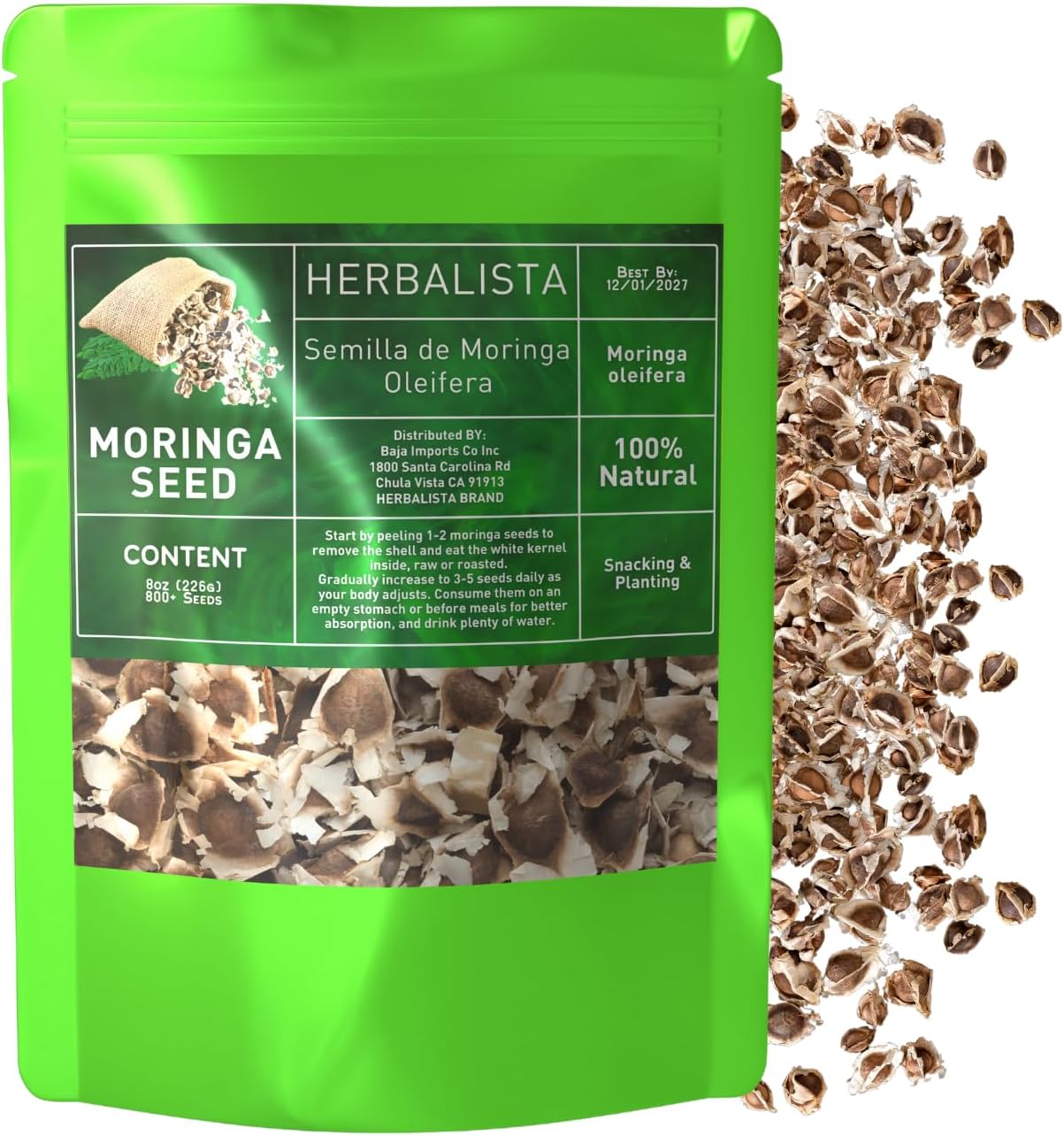
- Generous count of over 800 seeds per 8-ounce bag offers solid value for preppers and campers
- Naturally packed with plant-based nutrients to sustain energy around camp or on rugged hikes
Cons
- Distinct earthy and slightly bitter flavor profile can require an acquired taste for casual snacking
- Seed hulls require peeling before eating, which can be tedious around a dusty campsite
- Requires warm soil temperatures to successfully germinate if planted in cooler northern regions
Herbalista PKM1 Moringa Seeds represent a multi-purpose outdoor provision designed for survivalists, off-grid campers, long-distance backpackers, and emergency preparedness planners. Known botanically as Moringa Oleifera or the drumstick tree, this botanical pack serves a dual role in an outdoor lifestyle. It acts both as a portable, nutrient-rich wildcrafted snack for strenuous trail days and as a high-germination seed supply for off-grid homesteading or survival gardens. For adventurers who prioritize self-reliance and functional camp pantry supplies, having an 8-ounce stash of over 800 resilient seeds offers distinct utility across backcountry treks and bug-out kits.
On the trail, weight and pack volume dictate every gear decision. Tipping the scales at less than half a pound, this compact pouch slips easily into an external backpack pocket, camp kitchen organizer, or dry storage box. High-mileage hikers and solo adventurers often face caloric fatigue during multi-day expeditions. Chewing a few moringa seeds provides a concentrated boost of natural plant compounds and micronutrients without requiring a camp stove, fuel canister, or clean cookware. Whether trekking through dense pine forests or gathering around the campfire after a long summit push, this low-maintenance superfood offers sustained trail energy on demand.
Outdoor durability and resilience against the elements are essential for any camp pantry item. The seeds come secured in an 8-ounce sealed pouch that measures roughly 9 by 6 inches, making it easy to nestle among tent stakes, cookware, and sleeping bags in a crammed backpack. However, because moisture and humidity can compromise seed viability and cause mold in wet wilderness environments, experienced outdoorsmen will want to store the pack inside a sealed dry bag or heavy-duty airtight container during extended rainstorms or damp river trips. Keeping the seeds completely dry preserves both their germination potential for wilderness planting and their shelf life for emergency storm prep.
Consuming and using moringa seeds in a camp environment requires understanding their realistic characteristics. Each seed features a papery outer wing and hull that must be cracked and peeled away before eating the inner kernel. Doing this with cold fingers around a morning campfire or on a windy ridgeline takes a bit of patience. Furthermore, the flavor profile is uniquely astringent and herbal, shifting from bitter to a lingering sweetness that might surprise first-time users. Mixing the crushed kernels into hot trail porridge or blending them with dried fruit and nuts creates a more palatable backcountry snack.
For survivalists and homestead campers planning to cultivate moringa plants, the PKM1 variety provides fast germination and vigorous growth under the right environmental conditions. While they thrive in warm climates with regular watering and partial to full sunlight, campers living in colder northern states will need to start them in sheltered greenhouse environments or indoor pots before transplanting outdoors. As an affordable and nutrient-dense addition to an overland pantry, survival cache, or lightweight backpacking food kit, these seeds offer practical long-term value for outdoor enthusiasts who appreciate wildcrafted provisions.
For bug-out bags, off-grid cabins, and disaster readiness supply bins, moringa seeds provide exceptional survival value in a compact footprint. An 8-ounce pouch stores over 800 viable seeds that can establish fast-growing, edible drumstick trees in warm, sunny locations. The leaves, pods, and seeds of the mature tree are entirely edible, offering continuous sustenance during prolonged off-grid situations.
Preppers and overlanders also value moringa seeds for their traditional utility in water clarification. Ground moringa seed powder acts as a natural coagulant, binding to suspended sediment and particles in turbid outdoor water sources to help settle debris prior to standard boiling or backcountry filtration. Keeping a pouch alongside your primary water filter and survival gear adds a layer of versatility to your wilderness toolkit.
Proper storage is critical for maintaining seed viability and freshness across varied outdoor conditions. Keep the seed pouch sealed and protected from direct sunlight, excessive camp heat, and ambient moisture. When packing for humid forest treks, swamp environments, or rainy weekend camping trips, place the pouch inside a heavy-duty zip-top freezer bag or waterproof dry bag.
If intending to plant the seeds for a camp garden or homestead plot, store them in a cool, dark, and dry pantry until ready for use. Shell the seeds gently by cracking the outer husk between your fingers without damaging the internal white seed kernel before soaking and sowing.

Pros
- Lightweight 3.4-ounce pack weight adds virtually no bulk to backpacking packs or bug-out bags
- Resealable barrier pouch keeps contents secure during dry camp storage and transport
- High density of natural micronutrients offers a clean boost during strenuous backcountry treks
- Dual-purpose utility serves as both instant survival food and plantable garden seed stock
Cons
- Distinctive earthy, bitter-to-sweet flavor profile may require an adjustment period for some campers
- Paper kraft exterior pouch can puncture if packed directly against sharp tent stakes or utensils
- Shelling the raw seeds outdoors takes a bit of extra patience around the camp kitchen
Ecovista Moringa Oleifera Seeds offer an intriguing dual-purpose solution for outdoor enthusiasts, preppers, and backcountry travelers seeking compact nutrition. Sourced from the drumstick tree, these non-GMO, sun-dried seeds serve as both an immediate raw trail snack and a viable emergency planting stock. Weighing in at just over three ounces for approximately 300 seeds, this package delivers a high concentration of plant protein, essential amino acids, iron, and protective antioxidants. Unlike bulky canned rations or heavy camp food supplies, dried moringa seeds provide concentrated sustenance without adding noticeable pack weight to a multi-day backpacking kit or emergency bug-out pack.
This superfood package is best suited for thru-hikers, backcountry backpackers, survivalists, overlanders, and emergency preparedness planners who value lightweight self-reliance. When hiking long miles or setting up camp after dark, quick access to clean micronutrients can help maintain stamina without requiring a camp stove or fuel burn. Preppers and off-grid homesteaders will appreciate the germination potential, allowing the seeds to be grown into resilient moringa trees in warmer climates. Festival goers and weekend car campers can also benefit from tossing a handful into trail mixes, morning camp oatmeal, or backcountry skillet meals for an easy nutrient boost.
From a backcountry packability standpoint, the 3-ounce resealable kraft pouch measures roughly 10.6 by 7.9 inches and flattens out easily inside a backpack pocket, dry bag, or camp pantry bin. The sun-dried nature of the seeds means they require zero refrigeration, holding up well in warm summer heat, dry desert conditions, or humid forest campsites. Because dampness can threaten dried goods inside a pack during extended rainstorms, slipping the pouch into a lightweight waterproof stuff sack or zip-top freezer bag is recommended for wet-weather expeditions. The seeds themselves feature tough outer husks that protect the inner kernel from crushing while buried under heavy sleeping bags, tent poles, or camp cooksets.
Handling these seeds around the camp kitchen is straightforward and versatile. Campers can crack the outer shell with a pocket knife or multitool to eat the inner kernel raw, roast them gently over a camp stove burner, or crush them into simmering stews to enhance trail meals. The resealable pouch keeps leftover seeds secure between trail stops, preventing stray seeds from scattering across tent floors or pack liners. Sourced naturally without chemical additives, artificial preservatives, or added sugars, they offer a clean alternative to overly processed energy bars that can freeze solid in cold mountain air or melt into a sticky mess in hot weather.
There are a few realistic factors to keep in mind before adding these seeds to your outdoor meal plan. Moringa seeds carry a distinct flavor profile that shifts from earthy and bitter to a lingering sweetness, which may not appeal to every palate without mixing into other foods. Peeling the shells one by one can also feel a bit tedious when fingers are cold around early morning campfires. Additionally, while the kraft pouch is reasonably durable for standard camp storage, it lacks puncture resistance against sharp gear like tent stakes, hunting knives, or metal mess kits, so proper pack organization is essential.
For backpackers seeking concentrated nutrition on demanding trails and survivalists building a diversified emergency food reserve, Ecovista Moringa Oleifera Seeds provide exceptional utility in a compact format. They bridge the gap between lightweight survival rations and functional camp nutrition at a very accessible price point. Whether you are assembling an ultralight bug-out bag, planning high-mileage mountain treks, or looking to enrich your backcountry camp cooking, this resealable pouch of nutrient-dense seeds makes a smart and practical addition to any outdoor pantry.
Weighing only 3.4 ounces total, this package takes up negligible space inside daypacks, multiday backpacks, or emergency survival bins. The flexible pouch easily flexes between camp gear, making it simple to stow in tent gear lofts, kayak dry bags, or glove boxes.
For long-distance backpackers watching every ounce, dried moringa seeds provide high-density calories and micronutrients without the bulk of freeze-dried meal pouches or heavy canned goods. To safeguard the paper packaging against unexpected trail downpours, packing it within a sealed dry bag or plastic zip pouch is best practice.
Preparing moringa seeds in camp requires zero fuel or specialized cookware, making them an excellent choice for no-cook trail days. Campers can peel the outer hull by hand or with a camp knife to reveal the edible kernel, which can be eaten immediately as a trail snack.
For warm camp meals, the kernels can be lightly toasted in a camp skillet or crushed into instant rice, dehydrated meals, and hot breakfast cereals. Their stable shelf life ensures they stay fresh through long overland road trips, multi-day river expeditions, and off-grid camping trips without spoiling.

Pros
- Extremely lightweight and compact for backpacking packs and emergency bug-out kits
- Simple sprouting process requires minimal gear for fresh greens at camp
- Non-GMO and certified organic seeds with dependable germination potential
- High nutritional density provides valuable vitamins and minerals outdoors
Cons
- Limited quantity of thirty seeds per packet means supplies must be managed carefully
- Outdoor planting requires full sun, warmer conditions, and sandy soil to thrive
- Requires clean water and a multi-day soaking period to initiate sprouting
Mai's Family Organic Moringa Oleifera Drumstick Seeds provide outdoor enthusiasts, survivalists, and off-grid adventurers with a compact and natural food source designed for self-reliance. Moringa oleifera, commonly known as the drumstick tree, produces leaves, pods, and seeds renowned for exceptional nutritional density, including vital plant protein, vitamin A, vitamin C, calcium, and potassium. For emergency preparedness and backcountry living, packing viable seeds offers a renewable method to supplement freeze-dried rations with live greens or energy-rich roasted seeds.
This seed packet is well suited for preppers stocking bug-out bags, long-term overlanders setting up remote basecamps, bushcrafters, and budget-conscious backpackers interested in trail sprouting. Solo adventurers and hikers looking to maximize every ounce in a multi-day trek often struggle with carrying fresh greens. Because a packet of thirty seeds weighs barely a fraction of an ounce, it slides into a mess kit, ultralight dry bag, or first aid pack without adding noticeable pack weight.
In terms of practical outdoor performance, these moringa seeds feature a high germination rate that simplifies both camp sprouting and off-grid cultivation. Sprouting on the trail requires only soaking the seeds in clean filtered water for twelve to twenty-four hours before placing them in a damp cloth or lightweight sprouting pouch inside your pack. Within a few days, tender shoots emerge that can be added directly to camp stove stews or trail salads. For extended stays at a cabin, homestead, or permanent campsite, planting them in sandy soil with full sunlight exposure yields fast-growing saplings that handle heat with minimal maintenance.
The quality of the seed stock stands out due to organic, non-GMO farming practices by Mai's Family. Grown without synthetic pesticides or chemical fertilizers, the seeds remain clean and safe for immediate culinary use or long-term seed banking. Campers can roast the mature seeds over a portable camp stove for a nutty snack, crush them into nutrient-rich powder to stir into morning oatmeal, or save them in an airtight container as part of a seasonal disaster preparedness cache.
While moringa is a remarkably hardy plant, campers should keep realistic limitations in mind. The package contains thirty seeds, which serves as a starter kit rather than a bulk food reserve. In addition, moringa trees are sensitive to frost and require warm conditions with full sun, meaning cold mountain trips or winter expeditions are not suitable for direct ground planting without greenhouse protection. For wilderness sprouting, access to clean drinking water is necessary to keep the seeds properly hydrated.
For survivalists assembling emergency bug-out supplies, homestead campers building a resilient garden, or hikers curious about field sprouting, Mai's Family Moringa Oleifera Seeds deliver remarkable utility in a pocket-sized package. They provide a cost-effective, nutrient-dense asset that adds valuable self-sufficiency to any backcountry kitchen or emergency gear checklist.
Moringa oleifera stands out among emergency survival crops because virtually every part of the plant offers culinary and nutritional value. The seeds are naturally loaded with antioxidants, plant-based protein, dietary fiber, and essential minerals like iron and calcium, which are often scarce during extended wilderness trips.
Integrating these seeds into a backcountry ration plan can help prevent nutrient fatigue from processed survival meals. Whether ground into a supplement for camp broths or sprouted inside a pack for fresh living greens, they offer a dependable nutritional boost during prolonged outdoor scenarios.
To maintain peak germination rates and nutritional potency, store these seeds in a waterproof, airtight container away from direct sunlight, moisture, and extreme heat. A small zip-seal bag stored alongside a desiccant pack inside an ammo can or watertight gear case works exceptionally well for long-term survival kits.
When ready to sprout or plant outdoors, inspect the seeds to ensure the hulls are intact. Soaking them overnight in purified water jumpstarts the sprouting process, after which they should be kept moist but well ventilated to avoid mold during backcountry handling.

Pros
- Fast growth rate produces usable edible leaves and survival greens within months
- Highly tolerant of dry conditions and poor soils typical of arid backcountry environments
- Compact two-ounce bag packs flat in bug-out bags or emergency supply caches
- High germination potential provides dependable results for off-grid self-reliance
Cons
- Requires warm climates or container sheltering since mature trees are frost-sensitive outside USDA zones 9-11
- Seeds require a 24-hour water soak prior to planting for optimal germination results
- Not an instant trail meal since plants need weeks of growth before yielding harvestable nutrition
The Groundio Moringa Oleifera Seed Pack is an emergency preparedness and survival gardening staple designed for off-grid self-reliance, outdoor homesteading, and long-term emergency food planning. Unlike standard freeze-dried camp rations that provide single-use sustenance, high-germination survival seeds give outdoorsmen a renewable food source that can produce nutrient-packed greens, edible pods, and tea leaves. Packaged in a compact two-ounce pouch containing over 140 non-GMO seeds, this kit fits cleanly into a bug-out bag, camp kitchen pantry, or overland vehicle storage bin without taking up valuable gear space.
This seed supply is ideally suited for survivalists, off-grid campers, overlanders establishing permanent basecamps, and emergency preppers building long-term survival caches. Experienced outdoorsmen who prioritize self-sufficiency often seek out versatile crops that yield fast results in rough conditions. Campers who maintain long-term backcountry shelters or homestead sites will appreciate how quickly Moringa oleifera takes root, offering fresh leafy greens rich in vitamins and minerals to supplement typical campfire meals of rice, beans, or dehydrated backpacking rations.
Outdoor performance centers heavily around resilience and speed. Based on product specifications, these PKM1 quality seeds feature a germination rate of up to 96 percent and sprout within one to two weeks under warm conditions. Once established, Moringa exhibits remarkable drought resistance and handles poor, sandy soils that would kill more delicate garden vegetables. In sunny southern conditions corresponding to USDA hardiness zones 9 through 11, young trees can climb to six feet or more in a single warm season. This rapid growth provides survivalists not only with dependable emergency greens but also with natural camp shade and wind-break support around a remote campsite.
Preparation and camp handling remain straightforward, though users should understand the practical cultivation steps. The hard outer shell requires stripping the papery wings and soaking the seeds in clean camp water for 24 hours to maximize germination before planting. For mobile RV campers, vanlifers, or outdoor enthusiasts living in colder northern states, growing Moringa in five-gallon buckets or portable planters allows you to bring the plants inside when overnight temperatures drop. The leaves can be picked fresh, tossed into a campfire skillet, dried for lightweight trail tea, or ground into a nutrient-dense powder for backpacking soups.
There are practical limitations to keep in mind before adding this to your outdoor kit. Moringa cannot withstand freezing winter weather, meaning outdoor survivalists in northern climates must treat it as an annual crop or shelter it during frost events. Additionally, this is an investment in renewable food production rather than an immediate meal for a quick weekend trek. For preppers and off-grid adventurers seeking sustainable outdoor nutrition, this 140-seed pack delivers dependable genetics and exceptional value for emergency readiness.
For outdoor survivalists and preppers, food security requires sustainable solutions beyond standard canned rations. Storing high-germination Moringa seeds inside an airtight dry bag or survival cache allows outdoor adventurers to cultivate fresh greens rapidly after establishing a remote shelter or bug-out site.
The leaves, pods, and seeds are entirely edible, providing critical vitamins and minerals when fresh supply lines are unavailable. Groundio packages these seeds in a compact pouch that adds virtually zero weight to a backpack, making it an efficient piece of emergency preparedness gear for self-reliant outdoorsmen.
Achieving a high germination rate begins with soaking the seeds in room-temperature water for roughly 24 hours to soften their protective outer hulls. Plant each seed approximately one to two inches deep in warm, well-draining soil, positioning the container or garden bed where it receives full sunlight throughout the day.
Water regularly while the sprouts establish root systems, taking care to avoid waterlogged conditions. In frost-prone regions, keep your Moringa trees in mobile containers that can be sheltered inside a tent vestibule, cabin, or vehicle during sudden cold snaps.
Natural Coagulation and Camp Hydration FAQs
Does How To Use Moringa Seeds For Water Purification kill harmful backcountry bacteria completely?
No, crushed seeds act primarily as a natural coagulant rather than a complete chemical disinfectant. While seed proteins bind to floating silt and pull down a substantial portion of bacteria into the settling sediment, they do not neutralize all active cysts or viruses. You should always boil the decanted water or follow up with a microfilter to ensure total safety before drinking. Learning how to clean lifestraw water bottle filter units ensures your secondary line of defense stays functional after filtering pre-treated water.
How many moringa seeds do you need to purify one liter of water?
You typically need one to two mature seed kernels per liter for slightly cloudy water, or up to three seeds for heavily turbid runoff. Remove the papery winged husk, crush the white inner kernel into a fine powder, and mix it with a small splash of clean water to make a quick slurry. Stir the slurry vigorously into your water container for five minutes, then let it settle undisturbed for two hours. Transferring the clear top layer into a sturdy insulated water bottle with straw keeps your settled drinking supply clean throughout camp.
How long does How To Use Moringa Seeds For Water Purification take to clarify murky river water?
The clarification process generally takes between one and two hours under standard campsite conditions. Allowing the treated container to rest without disturbance lets the coagulated flocs drift smoothly to the bottom. Rushing the process or disturbing the container causes the bonded sediment to disperse back into the water column. Pour the clarified liquid slowly through a clean cloth or coffee filter into your camp pot before boiling.
Can you use planting-grade seeds for clarifying backcountry water?
Yes, raw, non-GMO planting seeds such as PKM1 moringa oleifera varieties work effectively for water clarification. Ensure the seeds are clean, free from synthetic pesticide coatings, and naturally sun-dried without chemical additives. Brands like SoloTherapy and Groundio offer non-GMO seeds that retain their natural protein structures suitable for both garden beds and camp hydration prep. Always peel away the papery outer shell to expose the pale kernel inside before grinding.
Does water treated with moringa seeds develop a strange taste?
Properly dosed seed powder leaves minimal aftertaste, though overdosing can impart a mild, slightly sweet or nutty flavor. Using excessive seed powder will not speed up clarification and may leave organic material that spoils the water if left standing overnight. Sticking to the recommended ratio of one or two crushed kernels per liter keeps the taste neutral and refreshing. If a faint botanical taste remains, boiling or chilling the decanted water easily neutralizes it.
Is How To Use Moringa Seeds For Water Purification practical for lightweight backpacking in 2026?
Yes, carrying a small pouch of dried seeds adds negligible weight to your pack while serving as a reliable emergency pre-filter. A dozen seeds weigh only a few grams, easily tucking into an emergency pouch alongside your fire starter. When seasonal rainstorms muddy your only trail water source, this natural trick protects your mechanical pump filters from catastrophic clogging. It remains a valuable backup bushcraft skill for remote expeditions where turbid water is inevitable.





Write Your Review
No reviews yet. Be the first to share your experience!