
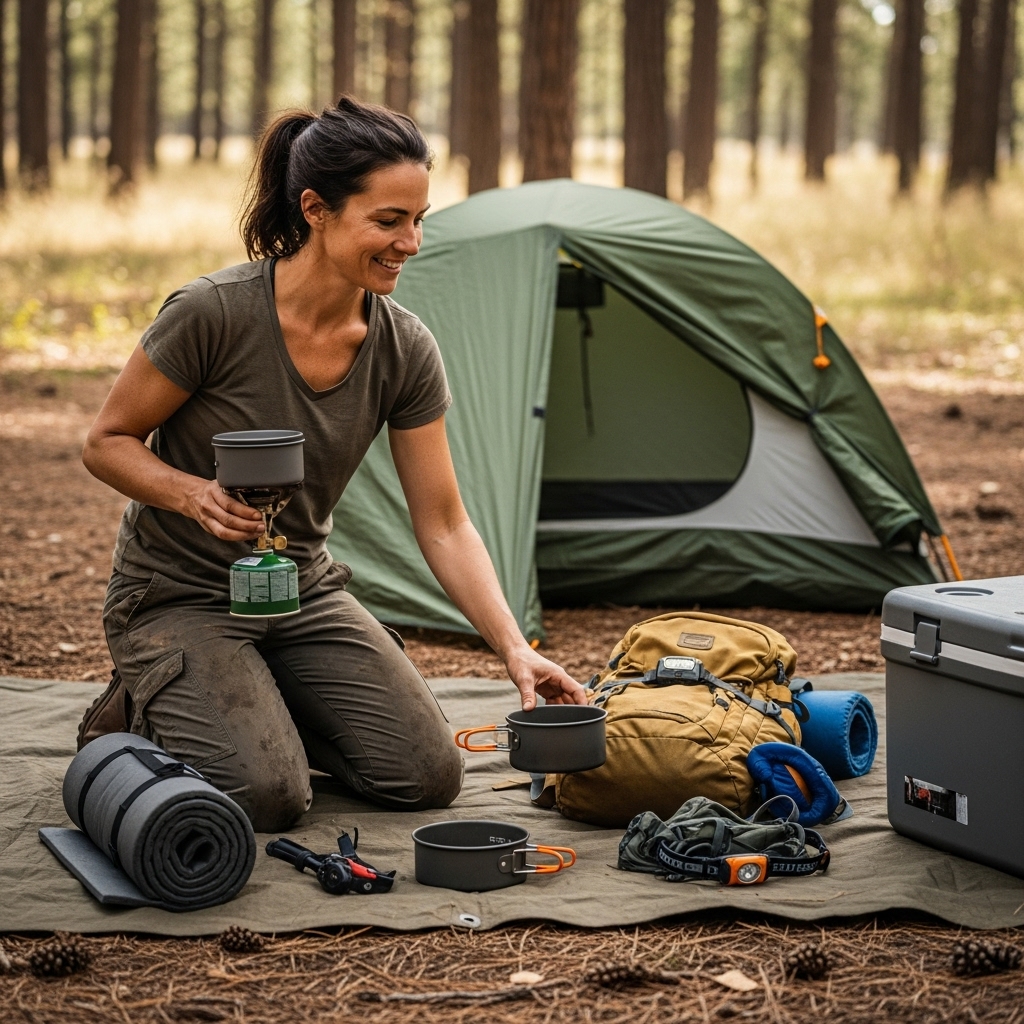

A snapped pole during pitch setup or unexpected wind can ruin a camping trip quickly, leaving campers to wonder if their entire shelter is doomed. The simple answer is that can you buy tent poles separately without replacing the rest of your tent body or rainfly. Campers frequently face broken fiberglass sections or bent metal rods, but buying standalone components provides an affordable, practical alternative to discarding functional fabrics. Taking advantage of replacement rods helps extend the working lifespan of favorite gear while cutting down on outdoor equipment waste.
Upgrading your frame can also improve stability when facing wet or windy conditions in weather-resistant camping shelters. Whether you manage a small solo shelter or maintain larger spacious outdoor tents, aftermarket poles offer flexible solutions for standard designs. Understanding how replacement segments connect, measure, and assemble ensures your shelter stays pitched safely on every trip.


Pros
- Durable 7001 T6 aluminum alloy construction eliminates the splintering risks associated with aging fiberglass poles
- Lightweight 0.66-pound total weight pairs with a compact 17.4-inch folded section length suitable for backpacking or panniers
- Pre-strung shock-cord design allows quick deployment while remaining adjustable if custom length trimming is required
- Smooth ferrule connections ensure fluid insertion through tent pole sleeves and clips
Cons
- Sold as an individual single pole, meaning campers needing a full two-pole or three-pole tent frame set must purchase multiple units
- Trimming or resizing sections to match non-standard tent frames requires careful measuring and manual cutting
The BRILLIANCE4U aluminum replacement tent pole is an aftermarket frame component designed for solo campers, backpackers, and outdoor enthusiasts seeking to repair or upgrade an existing shelter. Instead of replacing an entire tent due to a fractured rod, this pre-assembled segment provides a direct replacement option for damaged sections or full-length arches. It is particularly well suited for repairing small dome tents, lightweight backpacking shelters, or custom tarp awning configurations without the hassle of splinter-prone fiberglass.
In terms of technical specifications, the assembled pole spans an overall length of 14 feet 8.7 inches (448.7 cm, or roughly 176.7 inches) including the male insert tips. It features an outer diameter of 0.33 inches (8.5 mm) and a total weight of approximately 0.66 pounds (10.6 ounces). The construction utilizes 7001 T6 heat-treated aluminum alloy, which provides flexibility and resilience against bending. When folded down for storage, the individual segments measure 17.4 inches long, offering a manageable packed footprint for space-conscious travelers.
The pole comes pre-strung with elastic shock cord, allowing quick assembly by snapping the sections together at the campsite. The ferrules and tube ends are machined for smooth transitions, which helps prevent fabric snags when feeding the rod through continuous pole sleeves or attaching exterior clips. If a specific tent structure requires a shorter arch, the pole sections can be shortened by untying the shock cord, cutting the aluminum tubing to the desired dimension with a suitable metal saw, and restringing the assembly.
Transporting this pole is straightforward whether packed in a car trunk, strapped to a backpack, or tucked into motorcycle panniers. Routine care involves wiping down the aluminum segments after exposure to dirt, mud, or sand, as grit trapped in the ferrules can prevent the joints from seating flush and cause undue stress on the metal. Campers should also ensure the pole is completely dry before long-term storage to protect the elastic shock cord from premature degradation.
A critical limitation to recognize is that this package contains only one single pole. Because most dome, tunnel, or backpacking tents require two or three poles to establish a complete structural frame, campers outfitting a complete shelter must purchase multiple units. Furthermore, fit is not universal; 8.5mm aluminum poles are primarily engineered for compact one- to three-person tents and will not support large multi-room family cabin tents that require heavier gauge tubing.
For outdoor enthusiasts with a broken pole or those looking to replace deteriorating fiberglass rods with lightweight aluminum, this BRILLIANCE4U pole provides an adaptable, cost-effective repair solution. Before purchasing, verify your existing tent frame by measuring the total pole length, outer diameter, and end-tip style to confirm compatibility with your tent body and grommet attachment points.
The pole is manufactured from 7001 series T6 heat-treated aluminum alloy, an industry-standard material for outdoor shelters requiring high tensile strength and resilience under flex. This metallic construction avoids the microscopic splinters and sudden brittle cracking commonly experienced with aging fiberglass rods.
Each joint features precision-formed ferrules that facilitate a smooth connection between segments, minimizing stress points along the assembled arch. The interior shock cord maintains tension along the line while enabling swift breakdown and folding.
With an assembled length of nearly 15 feet collapsing down to 17.4-inch segments, this replacement pole is optimized for compact transit. Its light weight of approximately 0.66 pounds (10.6 ounces) makes it an unobtrusive addition to backpacking kits, panniers, or vehicle emergency gear.
Its low bulk allows campers to carry it as a spare part on extended backcountry outings or slip it easily into existing tent bags without requiring oversized luggage.

Pros
- Lightweight 0.54-pound total weight makes it practical for backpacking and bike touring repairs
- Durable 7001 T6 aluminum construction avoids the splintering and cracking common to aging fiberglass poles
- Pre-assembled shock-corded structure allows immediate setup without threading elastic from scratch
- Compact 17.48-inch collapsed length fits easily inside pack side pockets or panniers
- Can be cut down and re-knotted to match custom shelter dimensions
Cons
- Sold as an individual single pole, requiring multiple purchases for multi-pole tent designs
- End tip style and grommet compatibility are not specifically detailed in the product specifications
- Shortening the pole requires DIY tools to cut aluminum tubing and adjust the internal shock cord
The BRILLIANCE4U Replacement Aluminum Tent Pole is a specialized tent repair accessory designed for campers who want to restore an existing shelter rather than invest in an entirely new tent. Frame failures can happen due to high winds, rough handling, or material fatigue, particularly with original fiberglass poles that crack and splinter over time. This aftermarket single pole provides a direct replacement option for solo campers, couples, and families looking for a durable metal frame component.
In terms of physical measurements, the fully assembled pole spans 12 feet 1.4 inches (369.3 cm) with an outer diameter of 0.33 inches (8.5 mm). It breaks down into linked segments measuring 17.48 inches each, resulting in a compact folded profile that slides easily into backpack sleeves, bicycle panniers, or camp storage totes. With a total weight of 0.54 pounds per pole, it adds very little bulk to a gear kit, making it suitable for both car campers and weight-conscious backpackers who carry repair gear into the field.
The pole is manufactured from heat-treated 7001 T6 series aluminum alloy. This material is widely used in outdoor shelters because it offers a favorable strength-to-weight ratio and can handle the continuous arc required by dome and tunnel designs without cracking. The sections come pre-strung on an internal elastic shock cord, allowing quick assembly out of the box. According to the manufacturer, sections can also be cut down or removed to achieve a custom span if your specific tent requires a shorter rod.
When assessing fit, buyers should keep in mind that this listing includes only a single pole. Most standard dome or tunnel tents require two or three poles to erect the canopy, so campers needing to replace an entire pole set will need to purchase multiple units. It is essential to measure your broken pole's exact total length, outer diameter, and end tips, as attachment systems such as corner grommets, eyelets, and pole sleeves vary significantly across tent manufacturers.
Important limitations include the lack of detailed end-tip specifications in the listing, leaving some uncertainty about whether the tips match every proprietary grommet style. Additionally, shortening the pole requires basic DIY capability to cut aluminum tubing cleanly and retie the shock cord. For campers who have confirmed their tent dimensions and want an affordable, lightweight aluminum replacement pole, this BRILLIANCE4U rod is a practical and durable repair option.
This replacement pole uses 7001 T6 heat-treated aluminum alloy, which provides dependable flexibility and resilience under typical tent pitch tension. Unlike fiberglass rods that tend to fray, crack, or leave sharp splinters when overloaded, aluminum alloy holds its shape and bends cleanly without shattering.
The outer diameter is machined to 0.33 inches (8.5 mm), matching the standard diameter of many lightweight two-person to four-person camping tents. The titanium gray finish offers a subtle look that blends in well with most modern tent designs while helping protect the bare metal from outdoor elements.
The pole arrives pre-assembled with elastic shock cord running through all sections, eliminating the tedious task of routing and tensioning fresh cord by hand. The sections align and snap together quickly, speeding up pitch time at the campsite.
For tents with pole paths shorter than 12 feet 1.4 inches, the manufacturer notes that the pole can be customized. Campers can remove an entire section or cut a tube to length using a mini tubing cutter, untying and retying the shock cord knot to secure the new length.
Everything You Need to Know About Buying Replacement Tent Poles
Campers do not need to replace an entire tent just because a single structural pole splits, bends, or goes missing. Manufacturers and aftermarket brands provide standalone replacement options that restore the structural integrity of your favorite shelter. Understanding how to select the right dimensions and materials allows you to resurrect an aging shelter without spending money on brand-new equipment. By learning the specifics of pole construction, you can make an informed choice that keeps your campsite secure through unpredictable weather.
When Buying Standalone Tent Poles Makes Practical Sense
Poles represent the primary load-bearing system of any pitching structure, enduring tension from taut fabric, wind gusts, and guyline pressure. Over multiple seasons of use, constant mechanical stress can cause individual segments to splinter or lose their natural flexibility. Purchasing individual poles or full assembled replacement kits allows campers to address structural damage directly while preserving pristine tent bodies and rainflies. This targeted approach prevents sound fabric components from ending up prematurely in landfills.
Standalone replacements also serve as a practical upgrade path for budget camping shelters originally equipped with entry-level hardware. Many factory tents rely on heavier, brittle materials that degrade after prolonged sun and moisture exposure. Upgrading those components with modern aftermarket alternatives provides greater peace of mind during remote backpacking excursions or weekend family outings. Carrying a dedicated spare pole or tailored repair segment in your gear bag also ensures that unexpected campsite accidents do not force an early end to your trip.
Understanding Pole Materials: Aluminum Alloy Versus Fiberglass
Campers generally encounter two primary material choices when looking for standalone tent poles: fiberglass and aluminum alloy. Fiberglass remains common in budget-friendly camping designs due to lower production costs, but it carries distinct structural drawbacks over time. When fiberglass poles fail under sudden wind loads, they tend to snap abruptly and produce sharp, microscopic splinters that can pierce tent fabric or injure your hands. Fiberglass rods also add noticeable weight to your pack, making them less suitable for mobile trekking trips.
Aluminum alloy poles, especially those crafted from 7001 T6 heated aluminum alloy, offer superior elasticity and weight savings. Under heavy wind deflection, quality aluminum bends smoothly without shattering into hazardous fragments. This flexibility allows the tent frame to absorb external pressure and spring back into position once the force subsides. Aluminum rods also resist degradation from seasonal temperature swings, offering dependable performance across diverse camping conditions.
Replacing aging fiberglass poles with aluminum alternatives like the preassembled kits from BRILLIANCE4U can substantially drop the packed weight of your shelter. A single aluminum pole section often weighs only a fraction of an equivalent fiberglass rod while providing comparable or superior structural rigidity. For backpackers, motorcycle campers, and bikepackers, shedding that bulk transforms standard gear into a much more travel-friendly package.
Critical Measurements to Check Before Purchasing
Achieving a proper pitch requires careful measurement of your existing tent frame before placing an order for separate poles. The most important metric is total assembled length, which must correspond closely to your original pole dimensions. A replacement that is even a few inches too long can overstretch tent seams and tear delicate fabric channels. Conversely, a pole that falls short will produce a slack, sagging canopy that collects rainwater and flaps noisily in light breezes.
Outer diameter represents another crucial specification that determines structural stiffness and compatibility with your tent hardware. Common pole diameters range from 7.9mm (around 5/16 inch) for lightweight single-person designs up to 9.5mm (around 3/8 inch) or 11mm for broad multi-person family shelters. A pole with an outer diameter that is too wide will not slide smoothly through narrow fabric sleeves or clip into molded rainfly brackets. Selecting a diameter that is too narrow might result in a flimsy frame that bends excessively under moderate gusts.
You must also evaluate the folded segment length to confirm whether the packed poles will fit comfortably inside your storage bags. Standard replacement segments measure between sixteen and eighteen inches when disassembled, matching the footprint of most touring packs and panniers. Shorter individual sections yield a more compact packed profile, which benefits campers with restricted cargo space. Verifying both the extended span and the collapsed length ensures smooth transport and effortless pitching at camp.
How Preassembled Replacement Poles Work
Modern aftermarket kits arrive preassembled with internal elastic shock cord already threaded through hollow aluminum segments. This internal cord maintains continuous tension along the pole, pulling consecutive joints together automatically as you unfold the rod. Internal shock cord keeps all segments organized in sequential order so you never misplace an individual section in tall campsite grass. High-elasticity cord also simplifies solo pitching, allowing one person to align sections without dropping parts.
The ends of replacement poles typically feature either male end tips or hollow female sockets designed to interface with your tent base. Male tips insert directly into metal eyelets or corner grommets integrated into the tent webbing. Some designs feature female ends that receive metal pins attached directly to corner staking rings. Checking whether your existing tent uses grommet eyelets or pin-and-ring hardware helps you choose the correct end fittings without requiring tedious modifications.
Preassembled models, such as the 12-foot, 14-foot, or 20-foot options manufactured by BRILLIANCE4U, provide complete out-of-the-box structural replacements. Each hollow segment features precision-machined ferrule connectors that slip together smoothly without binding or catching on internal cord fibers. Smooth junction points prevent snagging when feeding the assembled pole through continuous mesh sleeves on your tent canopy. This refined design minimizes setup friction and reduces the risk of accidental fabric punctures during assembly.
Customizing and Trimming Replacement Poles to Fit Your Tent
Because tent models vary widely across outdoor manufacturers, off-the-shelf replacement poles occasionally require minor length adjustments to match your exact frame. Most aluminum replacement rods can be modified at home using basic household tools. If an assembled replacement is slightly longer than your original pole, you can shorten an individual segment to achieve the exact total length needed. Making these measured adjustments ensures that your shelter maintains optimal fabric tension without placing unnecessary strain on corner seams.
To shorten an aluminum pole, begin by untying or unclamping the internal elastic shock cord at one terminal end. Pull the cord free from the section you plan to trim, securing the loose cord with a binder clip so it does not retract inside the other tubes. Use a small pipe cutter or fine-toothed hacksaw to remove the excess length from the hollow tube. Always trim from the open female end rather than the ferrule insert to ensure the adjoining segment still connects securely.
After cutting the tube, smooth away any sharp metal burrs using a metal file or sandpaper to protect the elastic shock cord from abrasion. Rethread the shock cord through the trimmed section and retie the securing knot with firm tension. Testing the flexibility of the reassembled pole before heading into the backcountry confirms that the joints seat completely and the cord retracts smoothly. Taking time to trim replacement segments carefully gives you a tailored frame that performs reliably for seasons to come.
Assessing Compatibility with Different Tent Architecture Styles
Different tent designs impose unique demands on replacement poles, depending on whether you own a classic dome, a tunnel shelter, or a specialized family cabin. Traditional dome shelters utilize crisscrossing poles that form gentle arches across the center apex, making them well suited for standard flexible aluminum rods. In contrast, tunnel shelters feature parallel hoop arches that require uniform curvature along the entire length of the rod to prevent localized structural buckling.
Specialized designs like dark-room camping tents often rely on heavier opaque fabrics that add weight to the canopy, requiring sturdy pole diameters that resist sagging. If you use instant or quick-pitch outdoor tents, your frame might feature integrated hub mechanisms rather than standalone continuous poles. In those specialized designs, replacing a single standard rod might require disassembling corner brackets or ordering brand-specific joint components. Identifying your tent frame style prevents mismatched hardware choices and guarantees that new poles support the canopy properly.
Ridge poles, which support vestibule awnings or expand interior headroom, usually operate independently from the main crossing poles. These shorter accessory rods frequently require different end fittings, such as plastic ball tips or specialized grommet inserts, to dock securely into rainfly attachment points. If you only need to replace a damaged vestibule support, measuring that specific segment independently from the main body poles ensures a precise match. Maintaining balanced tension across all structural elements keeps the rainfly taut and improves overall ventilation during humid nights.
Practical Tips for Camping Setup and Field Care
Proper handling during camp setup prevents premature damage and extends the useful lifespan of your replacement poles. Never allow pole sections to snap together violently under the tension of the internal shock cord, as the impact can hairline-crack aluminum ferrules or chip protective anodized coatings. Instead, guide each joint together smoothly by hand, verifying that the male insert sits fully flush inside the adjoining tube before applying bending pressure. Incomplete joint seating represents the most common cause of pole fractures during pitching.
Environmental conditions also demand thoughtful care during and after your outdoor excursions. When camping on sandy beaches or dry dusty trails, wipe down each pole section before sliding the frame through fabric channels to avoid grinding grit into the joints. Fine dirt lodged inside ferrules can cause friction jams that make disassembling the tent frustrating at the end of a trip. If your gear encounters heavy rain or salty coastal air, rinse the metal segments with clean tap water and allow them to dry completely before long-term storage.
Storing poles in a relaxed state protects the internal elastic shock cord from losing tension prematurely. Avoid storing assembled poles under tight bends for extended weeks in your garage or attic. Keep your replacement rods in a dedicated, breathable fabric sleeve to prevent scratches against metal tent stakes or sharp cookware. Simple maintenance routines ensure that your replacement frame remains strong and ready for immediate deployment whenever you pack for your next journey.
Essential Verification Steps Before Heading Outdoors
Never head into the wilderness with newly acquired replacement poles without first conducting a complete test pitch in your backyard or a nearby park. Setting up the tent beforehand allows you to verify that the pole arch creates proper fabric tension without straining delicate zipper seams or pulling corner stakes loose. You can also confirm that all end tips lock securely into the grommets and that the rainfly clips attach without excessive resistance. Discovering sizing discrepancies at home gives you ample time to make adjustments without facing campsite frustration in dark or wet conditions.
During your trial pitch, inspect the curvature of the assembled poles to ensure the bend forms a smooth, symmetrical arc across the entire tent roof. Any sudden kinks or irregular flat spots indicate that individual segments may be unevenly seated or mismatched in wall thickness. Check that the pole sleeves allow smooth movement so the canopy can shift naturally under wind pressure without snagging. Taking these verification precautions guarantees that your repaired shelter performs reliably and keeps you protected throughout your camping adventures.
Knowing that you can buy replacement tent poles separately provides a cost-effective way to preserve functional camping shelters and reduce unnecessary outdoor waste. By matching length, outer diameter, and end fittings to your tent specifications, you can easily restore your gear to dependable working order. A properly fitted replacement frame maintains optimal canopy tension, keeps your living space secure, and ensures you enjoy many more seasons under the stars.


Write Your Review
No reviews yet. Be the first to share your experience!