
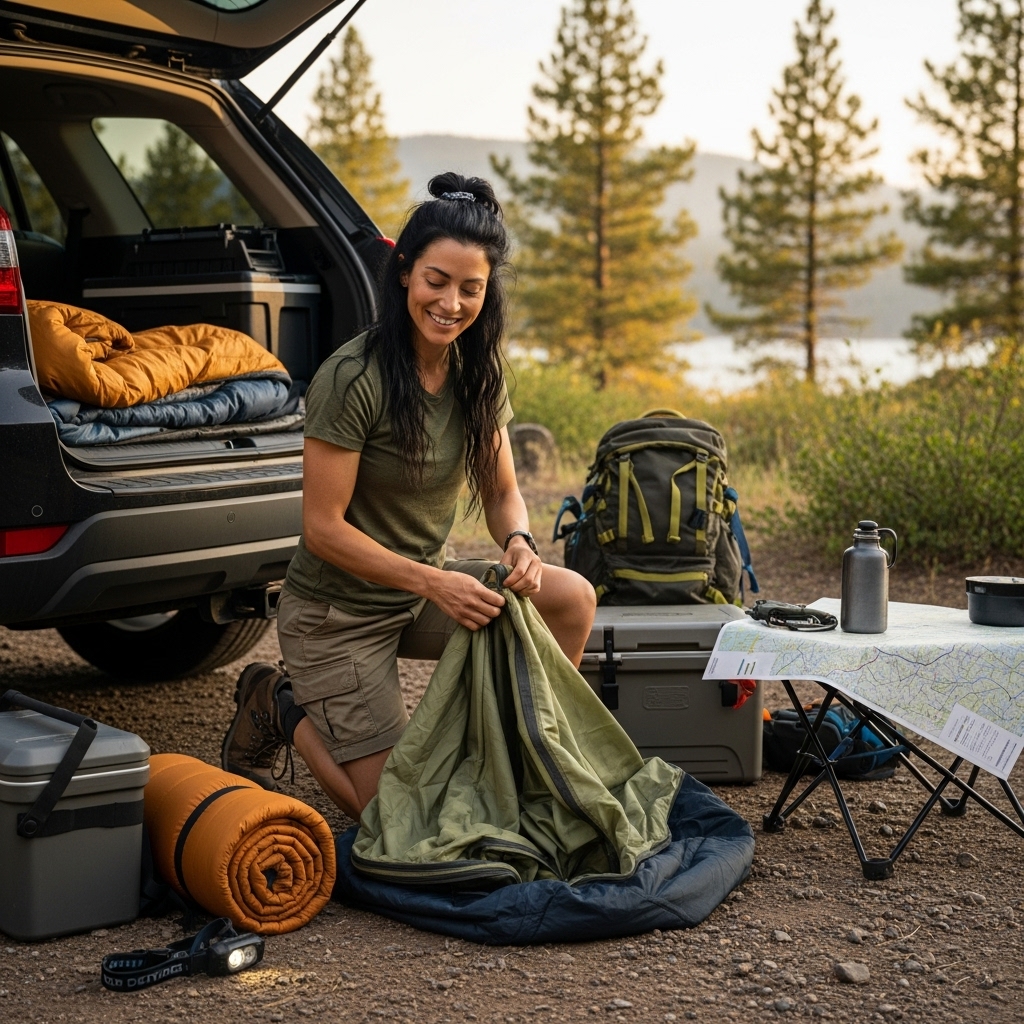

Securing a prime spot under the open sky often feels like trying to win the lottery during peak outdoor seasons. Popular national parks and state campgrounds release dates months ahead, leaving unprepared travelers staring at sold-out calendars within seconds. Knowing how to make camping reservations well ahead of time makes the difference between sleeping by a peaceful riverbank and scrambling for an overflow dirt pullout. Experienced trip planning requires checking opening window schedules, campsite dimensions, and specific park rules so your shelter actually fits the designated pad. Before locking in a date, pairing your schedule with dependable gear like a kids tent for easy setup 4 person layout ensures your family settles in smoothly after check-in.
Careful research into guidebooks and campground maps helps clarify vehicle limits, hookup availability, and tent pad clearance before booking. Stated site capacity rarely tells the whole story, as rocky ground or narrow driveways can ruin an otherwise exciting weekend getaway. Analyzing resource manuals such as Field & Stream: Total Camping Manual and detailed park handbooks allows campers to spot cancellation trends, manage reservation systems, and secure permits efficiently. Mastering these early steps gives outdoor travelers complete control over their wilderness itinerary.


Helpful Guidance for Campsite Reservations
When is the best time to book public campground sites?
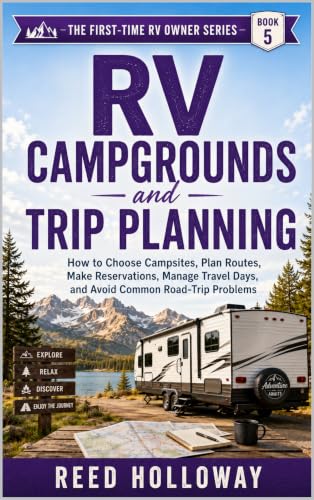
Public campgrounds usually open booking windows exactly six months in advance at 7:00 AM or 10:00 AM local time. Federal portals like Recreation.gov release inventory on a rolling schedule, making early account creation critical for competitive dates. Setting digital reminders and having multiple backup dates ready increases your chances of securing preferred waterfront or shaded loops. Reviewing resources like RV Campgrounds and Trip Planning provides practical guidance on navigating competitive platform drop times.
How do national park reservation systems work for 2026 trips?
National park camping operates primarily through centralized digital booking portals with tiered reservation dates. Destination parks frequently release peak-season dates between one and six months ahead, while popular destinations may also use lottery systems for backcountry permits. Regional handbooks like The Ultimate Guide to Acadia National Park outline seasonal opening schedules and road access details for specific park campgrounds. Logging into your account ten minutes before the booking window opens prevents checkout timeouts during high-traffic release windows.
Can travelers secure same-day camping reservations online?
Yes, many state and federal campgrounds allow same-day digital bookings if vacant inventory remains available. Walk-up availability has shifted toward real-time digital check-ins, meaning campers must often claim unreserved sites on mobile apps even while standing at the entrance kiosk. Cellular coverage can be unreliable in remote valleys, so checking availability before leaving highway corridors prevents unexpected access issues. When planning how to make camping reservations on short notice, targeting non-peak weekdays offers significantly better site selection than weekend arrivals.
What site dimensions must campers check before reserving?
Campers must verify tent pad dimensions, driveway length, and vehicle clearance rather than relying solely on listed site capacity. A campsite labeled for six people may only feature a 10-by-10-foot gravel pad, which restricts larger multi-room shelters. Driveway slope and low-hanging tree branches also dictate whether travel trailers or high-clearance camper vans can park safely. Checking official campground diagrams protects buyers from reserving sites that cannot accommodate their vehicle setup or living space.
What should campers do if scheduled dates bring severe weather?
Campers can monitor park cancellation policies to modify trip dates without losing their full initial deposit. Standard reservation rules typically require notice 48 to 72 hours before arrival to receive partial refunds on campsite fees. Travelers heading out during unpredictable shoulder seasons often pack a dedicated winter camping tent to handle unexpected temperature drops safely. Evaluating regional weather trends prior to the cancellation cutoff helps avoid financial losses while preserving overall outdoor comfort.
How does understanding how to make camping reservations prevent common travel delays?
Understanding how to make camping reservations eliminates time spent driving between full campgrounds in remote areas without cell service. Securing a confirmed confirmation number ensures an assigned site upon arrival, even during delayed evening travel days. Structured reservation planning also clarifies gate arrival cutoffs, water shutoff dates, and seasonal amenity closures well before setting out. This upfront preparation prevents common roadside headaches and ensures a seamless transition into camp.


Write Your Review
No reviews yet. Be the first to share your experience!