
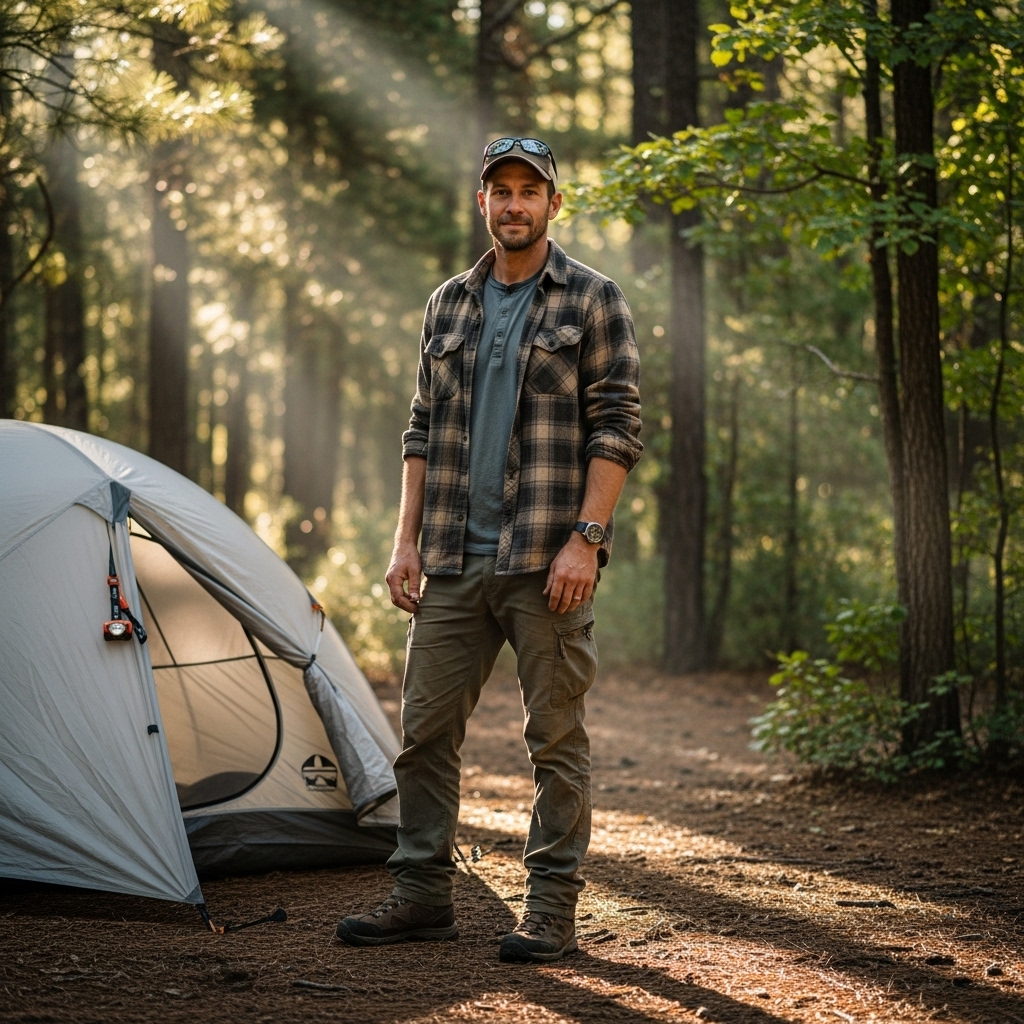

Campsite proximity and reliable campground amenities matter far more than remote wilderness scenery for early outdoor trips. Setting up near established facilities gives novice campers a safety net when unexpected weather hits or gear fails. Deciding where to go camping for the first time usually comes down to picking local state parks or national recreation areas that feature vehicle access, potable water spigots, and modern restrooms. Having quick access to your vehicle eliminates the panic of forgetting critical supplies, while level tent pads make staking out a shelter straightforward.
Established frontcountry campsites reduce stress by letting you focus on simple camp routines instead of backcountry navigation. Pitching a reliable shelter like a four-person easy setup tent on a designated gravel pad keeps your sleeping area dry and prevents damage from hidden tree roots. You will also want to keep close tabs on campground regulations regarding campfire rings, trash disposal, and quiet hours. Preparing your shelter and packing comfortable sleep insulation helps turn your maiden outing into a relaxing weekend rather than an exhausting ordeal.

Helpful Insights on Where To Go Camping For The First Time in 2026
Campground infrastructure often matters much more than scenic isolation during initial overnight adventures. Figuring out where to go camping for the first time in 2026 comes down to balancing accessible facilities with outdoor comfort.
What type of campground is best for a beginner?
State park campgrounds with drive-up car camping sites are the best option for beginners. These locations provide dedicated parking, level tent pads, picnic tables, and communal fire rings right at your campsite. They also offer reliable access to flush toilets and potable drinking water spigots within short walking distance. Starting at a developed campground ensures you stay comfortable while getting familiar with your gear.
How far from home should you travel on your initial trip?
A campground located within a one- to two-hour drive from home is ideal for a first outdoor excursion. Staying relatively close prevents driver fatigue and makes packing logistics far less stressful. If severe weather rolls in or key gear fails, you can easily pack up and drive home safely. Once you build confidence with campsite setup, you can plan longer road trips to distant parks.
Should you pick a state park or a national park?
State parks are generally much better suited for beginner campers than large national parks. State parks typically feature simpler reservation systems, fewer crowd bottlenecks, and closer proximity to grocery stores or outdoor retailers. National parks often require booking permits many months in advance and can involve complex wildlife food storage rules. Setting up camp beneath a canopy tent for campsite shade at a nearby state park provides a much more relaxed environment.
What campsite amenities should first-time campers prioritize?
Flush restrooms, clean potable water, and marked drive-in parking spaces are the top amenities to prioritize. Having potable water nearby eliminates the need to haul heavy water jugs or operate complex portable filtration filters. Drive-in parking allows you to store extra layers, coolers, and backup gear securely in your vehicle trunk. Ground surfaces with firm soil also make it easier to drive sturdy tent stakes into the earth for proper shelter tension.
Is dispersed camping recommended when deciding where to go camping for the first time?
No, dispersed or primitive camping is not recommended for first-time campers. Dispersed camping lacks piped drinking water, designated toilet facilities, and trash dumpsters, demanding strict Leave No Trace navigation skills. Beginners must pack out all human waste and purify their own water sources, which adds unnecessary complexity. Choosing an established frontcountry site provides a safe learning curve without backcountry hazards.


Write Your Review
No reviews yet. Be the first to share your experience!