
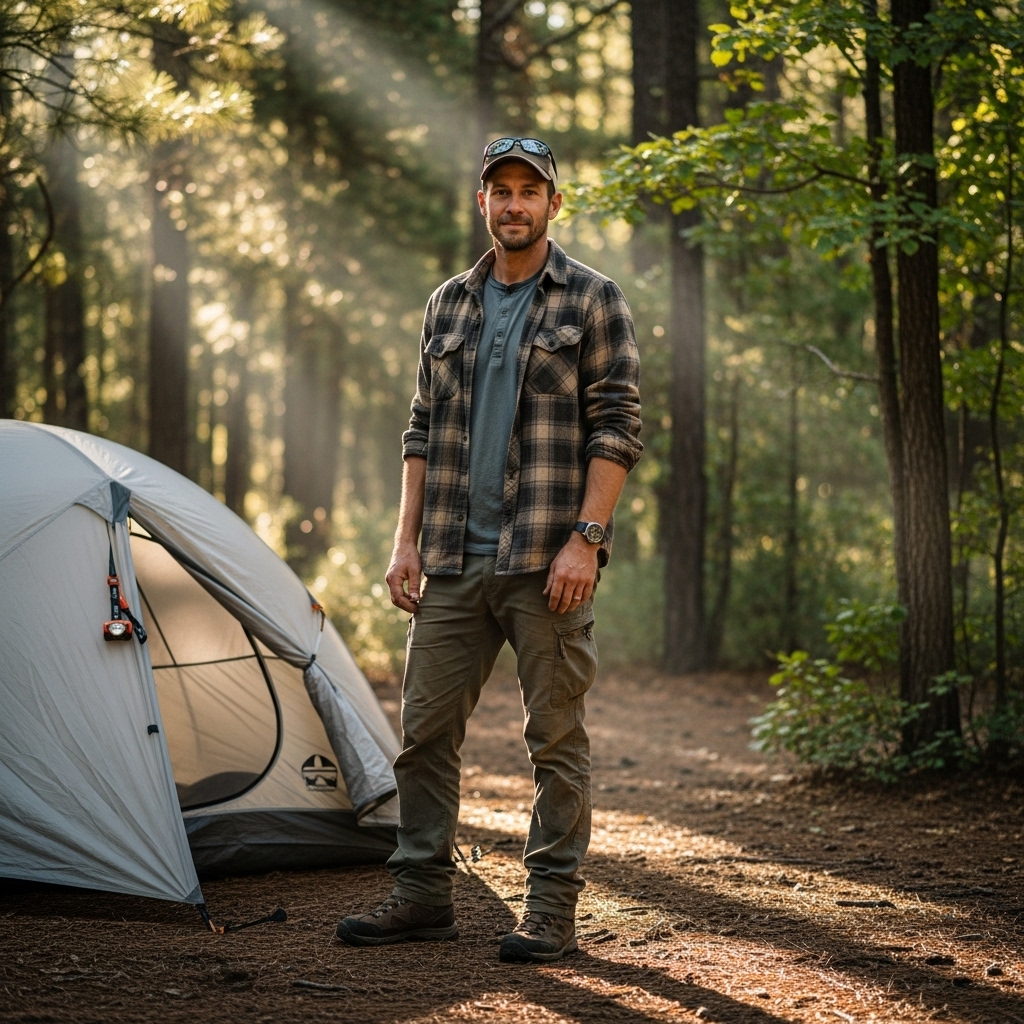

Heading into public lands requires balancing pack weight with dependable navigation and shelter gear. Unpaved access roads often lead to remote clearings where established campground amenities simply do not exist. Many outdoor enthusiasts planning off-grid trips wonder is camping allowed in national forests across the country. The direct answer is yes, as public timberlands permit both developed campground stays and free dispersed camping. Proper preparation means packing accurate trail references like comprehensive regional guides alongside a dependable cold-weather winter camping tent if you encounter shoulder-season chills.
Setting up a remote camp requires following clear guidelines to safeguard fragile wilderness ecosystems. You must pitch your shelter at least one to two hundred feet from roads, trails, and natural water sources to prevent resource damage. Many campers display outdoor trail signs or log milestones in dedicated journals to track regional regulations and stay limits. Respecting posted local fire bans and practicing Leave No Trace principles keeps these shared public lands open and enjoyable for future adventures.


Forest Camping Rules and Essentials FAQs
Can you camp anywhere for free in a national forest?
Yes, free dispersed camping is permitted in most national forest areas unless explicitly marked as closed. Regulations typically require pitching your tent at least 100 to 200 feet from roads, trails, and water sources. Always check local motor vehicle use maps to verify open roadside zones before setting up camp.
How long are you allowed to stay at a national forest campsite?
National forests generally enforce a 14-day limit within a 30-day period for continuous camping in a single district. This rule prevents permanent encampments and protects sensitive wilderness areas. Once your 14 days expire, you must move your campsite and vehicle several miles away before setting up again.
Do you need a permit for dispersed camping in national forests?
No permit is required for most dispersed forest camping, though select high-use areas and wilderness zones do mandate registrations. These designated areas use self-serve trailhead permits to manage visitor numbers and ecological impact. Contact the specific ranger district in advance to confirm if parking passes or quotas apply.
Are campfires allowed during dispersed camping trips?
Campfire rules depend strictly on current seasonal fire danger and district emergency orders. Forest supervisors frequently enact stage restrictions that prohibit open flames outside of developed campground metal fire rings. If open campfires are banned, cooking with an enclosed canister stove remains the safest way to prepare meals.
What shelter and setup gear do you need for primitive forest camping?
Primitive forest camping requires durable self-contained shelter, dependable navigation tools, and proper anchoring hardware. Packing heavy-duty tent stakes ensures your tent holds in rocky soil, while a freestanding camping canopy provides weather cover over your vehicle base. Reliable printed guides prevent navigation issues when cellular service drops.


Write Your Review
No reviews yet. Be the first to share your experience!