

Sharp chlorine taste, rusty sediment, and hard-water scale can make ordinary tap water a daily annoyance. The best whole house water filters with softener can address different parts of that problem, but filtration and softening are not the same job: carbon and specialty media target selected contaminants or taste, while a softener treats hardness minerals. A system that suits municipal water may not match a private well, so start with your water report or an appropriate water test before buying.
This lineup ranges from cartridge replacements and a filter housing to larger systems that combine filtration, softening, or reverse osmosis. Product specifications highlight details worth checking, including a 5-micron cartridge, 1-inch connections, stated cartridge capacity, and household hardness capacity. Claims about contaminant reduction are manufacturer claims, not a substitute for confirming that a unit addresses the specific issue in your water. For another home-treatment perspective, see this guide to non-RO water purifiers for home use, or review inline water filter installation considerations before planning a project.

Pros
- Fits standard 10 x 4.5 inch heavy-duty housings common in RVs and off-grid cabin water setups
- Dual-layer design catches physical sediment while neutralizing harsh chlorine odors and taste
- High 30,000-gallon service life handles multi-month camping seasons and travel trailer living
- No separate gaskets needed thanks to flexible, self-sealing end caps
Cons
- Large 10 x 4.5 inch Big Blue form factor is too bulky for compact backpacking or minimalist daypacks
- Requires an initial 5-minute water flush before drinking to clear loose carbon fines
- Not designed for heavy iron or microscopic bacteria removal without supplementary purification
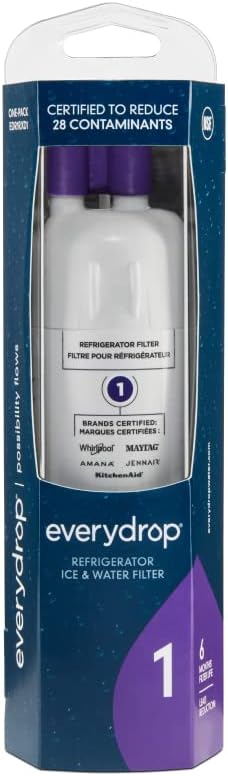
Clean water is essential whether you are parked at an RV resort, staying at a hunting cabin, or preparing an emergency basecamp off the grid. The PUREPLUS 5-Micron 10-inch by 4.5-inch Whole House Sediment and Carbon Water Filter Replacement Cartridge is built to deliver clean, clear water across high-demand setups. Designed as a drop-in replacement for standard 10 by 4.5-inch heavy-duty filter housings, this cartridge is especially suited for RV campers, overlanders with built-in plumbing, off-grid cabin dwellers, and emergency preparedness planners who want consistent water quality straight from the spigot.
Hooking up to unknown campground water sources or rural well lines can quickly reveal murky sediment, gritty sand, and strong chlorine odors. This dual-stage cartridge addresses both problems at once by combining a multi-layer polypropylene sediment barrier with a dense coconut shell activated carbon core. With a 5-micron rating, it filters out fine rust particles and debris while reducing unpleasant chemical tastes before water reaches your camper sink, shower, or camp cookware. Based on product specifications, it delivers a generous capacity of up to 30,000 gallons, allowing extended travel without frequent filter swaps.
Build quality plays a significant role in leak prevention and long-term durability. The cartridge uses three-layer density polypropylene that traps larger debris on the outer edges and finer particles deeper in the core, which helps prevent early clogging. Inside, the food-grade coconut shell carbon core provides reliable chemical absorption. Instead of relying on loose rubber gaskets that can shift or pinch during assembly, the filter features soft molded end caps that seal securely against the canister lid under normal tightening pressure.
Routine maintenance is straightforward for campers and cabin owners. When inserting a fresh cartridge into your RV or basecamp canister, remember to flush the line for about five minutes to condition the carbon media and rinse out harmless carbon fines. Replacing the cartridge every three to six months or whenever you notice a drop in water pressure ensures your plumbing lines and fixtures stay protected from scale and sediment buildup throughout the camping season.
While this cartridge excels at clearing out sediment and improving taste, outdoor travelers should remember that it is not designed to eliminate microscopic waterborne pathogens or heavy dissolved minerals. For backcountry purification from untreated wilderness lakes, pairing this system with dedicated UV or sub-micron purification is recommended. For weekend RV warriors, hunting camps, and practical family road trips, this 2-pack offers an affordable, dependable way to keep campsite water tasting crisp and flowing smoothly.
Campground water supplies can vary drastically from one state park to the next, often carrying high levels of sediment, rust from old piping, and strong municipal chlorine odors. Installing this 10-inch by 4.5-inch dual-action cartridge in an exterior RV filter canister cleans up incoming water before it enters your rig's fresh water tank or interior fixtures.
By filtering down to 5 microns, this cartridge protects your camper water heater, water pump, and faucets from clogging debris while making cooking, morning coffee, and camp showers far more enjoyable.
To ensure optimal flow and water clarity at camp, always shut off your water supply and relieve system pressure before opening the filter canister. Drop the cartridge in squarely, as the soft end caps create a tight seal without the hassle of loose rubber O-rings.
Always run clean water through the newly installed filter for five minutes to flush out natural carbon dust before drinking. When winterizing your RV or cabin for the cold season, remove the filter and drain the housing completely to prevent freeze damage.

Pros
- Targeted multi-stage media reduces PFAS, chlorine, hydrogen sulfide, and heavy metals effectively.
- Built-in scale inhibitor helps extend the lifespan of tankless camp water heaters and cabin plumbing.
- Massive 100,000-gallon filter capacity handles high-volume family and group use with ease.
- Sturdy steel bracket and 1-inch NPT connections maintain excellent flow with minimal pressure drop.
Cons
- Substantial unit weight exceeding 50 pounds requires sturdy wall mounting and ample clearance.
- Does not lower total dissolved solids (TDS) or soften water without adding a separate system.
- Requires proper insulation and weatherproofing if mounted at an outdoor basecamp or unheated cabin.
The iSpring WGB32B-PFKDS is a heavy-duty three-stage point-of-entry water filtration unit engineered to treat high volumes of incoming water. While originally intended for residential homes, its robust throughput and comprehensive contaminant reduction make it equally valuable for rural hunting cabins, family basecamps, seasonal RV hookups, and off-grid homestead retreats. For outdoorsmen and emergency preparedness planners relying on private wells, shared campground hookups, or hauled tank supplies, this system acts as a protective barrier right where the main line enters the dwelling.
Filtration capability is where this system stands out. The first stage uses specialized media engineered to target up to 99 percent of PFAS, PFOA, and PFOS chemicals while reducing volatile organic compounds with activated carbon fiber. The second stage combines kinetic degradation fluxion (KDF) and granular activated carbon (GAC) to significantly reduce lead, mercury, chlorine, and sulfur-induced rotten egg smells. The third stage incorporates a food-grade polyphosphate scale inhibitor, protecting camp kitchen faucets, outdoor showers, and water heaters from damaging mineral encrustation without stripping beneficial minerals.
Constructed around large 20-inch by 4.5-inch Big Blue style canisters mounted to a heavy-gauge steel bracket, the unit is built for durability. The reinforced polypropylene housings handle operating pressures between 25 and 80 PSI, ensuring strong water pressure even when multiple fixtures are running simultaneously. For outdoor enthusiasts running basecamp operations or a bustling cabin full of weekend guests, the generous 1-inch female NPT inlet and outlet ports keep water moving freely without noticeable flow restriction.
Maintenance and seasonal upkeep remain straightforward. Each replacement cartridge is individually vacuum-sealed to preserve media freshness during storage, which is helpful for cabin owners who only change filters at the start of the summer season. The system features a reversible head design that lets you swap flow direction if your plumbing layout runs right to left. While changing the large housings requires some muscle using the included housing wrench, the extended 100,000-gallon or 12-month service cycle means upkeep is infrequent.
Prospective buyers should note a few operational limitations. This system is designed for sediment, chemical, heavy metal, and scale reduction, but it does not remove total dissolved solids (TDS) or alter water hardness ratings. Furthermore, if you are mounting this system in an unheated mountain cabin or an exterior RV utility bay, you must properly insulate the housings and drain them before freezing winter temperatures arrive to prevent casing fractures.
Overall, the iSpring WGB32B-PFKDS is a reliable, high-yield filtration choice for remote property owners, overlanding base stations, and family campers who want tap-grade confidence in their water. Whether you are washing dishes after cooking over the fire or taking a shower after a long day on the trail, this three-stage system provides clear, clean water for all your outdoor living needs.
The core structure of the iSpring WGB32B-PFKDS is built around a heavy-duty steel mounting frame that supports the substantial weight of three filled 20-inch filter housings. The thick-walled polypropylene canisters are engineered to handle continuous operating pressures between 25 and 80 PSI, resisting internal pressure surges that can occur in private well pumps or erratic rural municipal lines.
All threaded fittings are precision-molded 1-inch female NPT connections, providing secure, leak-resistant junctions when paired with standard plumbing lines. The durable materials resist chemical degradation and environmental corrosion, making the assembly well-suited for humid utility basements, cabin crawl spaces, or sheltered outbuildings.
Routine maintenance for this system centers around seasonal cartridge replacement, typically needed every 6 to 12 months depending on water quality and usage volume. The massive 20-inch by 4.5-inch filter cartridges should be replaced using the included wrench, taking care to lubricate the housing O-rings with food-grade silicone grease during every swap.
For owners of seasonal cabins or cold-climate camping outposts, winterization is critical. Before freezing weather sets in, shut off the water supply, depressurize the lines, unscrew the canisters, and remove all water and filter cartridges. Storing the housings dry prevents freeze-cracking and ensures the unit is ready for the spring camping season.

Pros
- High-capacity 64,000 grain rating handles heavy mineral loads in rugged well water
- Includes a dedicated 75 GPD multi-stage reverse osmosis unit for ultra-clean drinking water
- Smart metered head regenerates only when needed to conserve water and salt reserves
- Robust composite tanks resist corrosion in damp basement or utility shed conditions
Cons
- Stationary infrastructure system requiring permanent plumbing and drainage connections
- Reverse osmosis filtration generates discharge water that off-grid cistern users must manage
- Substantial physical footprint requires dedicated utility space in a cabin or base camp
The Aquasure 64,000 Grain Water Softener and 75 GPD Reverse Osmosis bundle functions as a whole-property water management system built for stationary outdoor infrastructure. Outdoor enthusiasts managing hunting lodges, rural base camps, multi-family cabins, or dedicated homestead retreats frequently contend with harsh well water laden with calcium, magnesium, and dissolved iron. While portable squeeze filters and gravity bags handle backcountry trail needs, maintaining a reliable base camp requires heavy-duty hardware that safeguards internal plumbing while generating pristine hydration for large groups returning from the field.
Real-world water treatment performance centers around the dual-stage approach of softening and point-of-use purification. The primary 64,000 grain softening vessel treats incoming water to eliminate harsh minerals that clog off-grid tankless heaters, stain fixtures, and ruin camp cookware. In parallel, the multi-stage 75-gallon-per-day reverse osmosis system provides fine-pore membrane filtration that strips dissolved solids, heavy metals, and chemical impurities. This ensures outdoor groups have immediate access to crystal-clear water for filling daypack hydration bladders, brewing morning coffee, and rehydrating expedition meals without chemical aftertastes.
Build quality across both components reflects standard residential and light commercial utility expectations. The main mineral vessel utilizes high-strength composite fiberglass wrapping that resists pressure spikes and exterior condensation in uninsulated mountain utility rooms. Atop the tank, the digital metered Aquatrol control head monitors actual water usage rather than operating on a fixed calendar schedule. For rural property owners balancing finite cistern reserves or shallow well production, metered backwashing prevents unnecessary water waste and stretches salt supplies across extended seasonal stays.
Installation and plumbing integration require a modest investment of time and standard tools. The system ties directly into standard three-quarter-inch or one-inch main supply lines, requiring access to a standard electrical outlet and a suitable drainage line for regeneration discharge. Installing the reverse osmosis module beneath a camp kitchen sink is straightforward, utilizing push-connect fittings and dedicated line routing for the clean drinking faucet. While routine maintenance primarily involves periodic salt replenishment and annual RO filter cartridge swaps, winterizing the entire assembly requires thorough draining if leaving an unheated cabin empty during deep freezes.
Potential drawbacks are largely tied to its stationary design and operational footprint. Weighing substantially when filled with water and media, this system is strictly intended for fixed structures rather than mobile overlanding rigs or compact tear-drop campers. The reverse osmosis stage naturally produces concentrated brine runoff, which cabin owners operating on strictly limited hauled-water reserves must consider when calculating total supply needs. Additionally, low-pressure gravity systems will require a dedicated booster pump to achieve optimal filtration flow through the reverse osmosis membrane.
For owners of outdoor properties, remote family cabins, and long-term emergency survival retreats, the Aquasure bundle offers a comprehensive solution to hard, mineral-heavy ground water. It bridges the gap between rugged backcountry utility and modern comfort, protecting critical infrastructure while guaranteeing safe, crisp hydration for every outdoor adventure. Those seeking a complete, high-capacity water treatment setup for group base camps will find dependable long-term value in this bundled configuration.
Setting up this filtration system in a hunting lodge or rural retreat requires planning for drainage, power, and utility space. The central softening vessel needs a level floor surface capable of supporting considerable operating weight alongside a nearby salt brine storage tank. Handymen familiar with basic PEX, copper, or PVC plumbing can complete the primary line tie-in using standard bypass valves, allowing simple isolation during off-season shutdowns.
Routing the under-sink reverse osmosis line is simplified by color-coded tubing and quick-connect fittings. For cabins that experience freezing winter temperatures, the entire setup should be located inside a heated perimeter or equipped with easy-access drain valves so the delicate RO membrane and resin tanks can be purged prior to sub-zero storage periods.
Ongoing maintenance for this whole-house system is straightforward and fits well into routine seasonal cabin inspections. Users should monitor salt levels in the brine cabinet every few weeks during periods of heavy property use, ensuring no hard salt bridges form over the bottom screen. Using high-purity evaporated salt pellets helps reduce residual sediment inside the brine tank.
The companion reverse osmosis system uses pre-filters and carbon stages that generally require replacement every six to twelve months, depending on source water turbidity and daily consumption. The specialized thin-film composite reverse osmosis membrane typically delivers two to three years of service before requiring renewal, providing clean base camp drinking water with minimal ongoing effort.
Pros
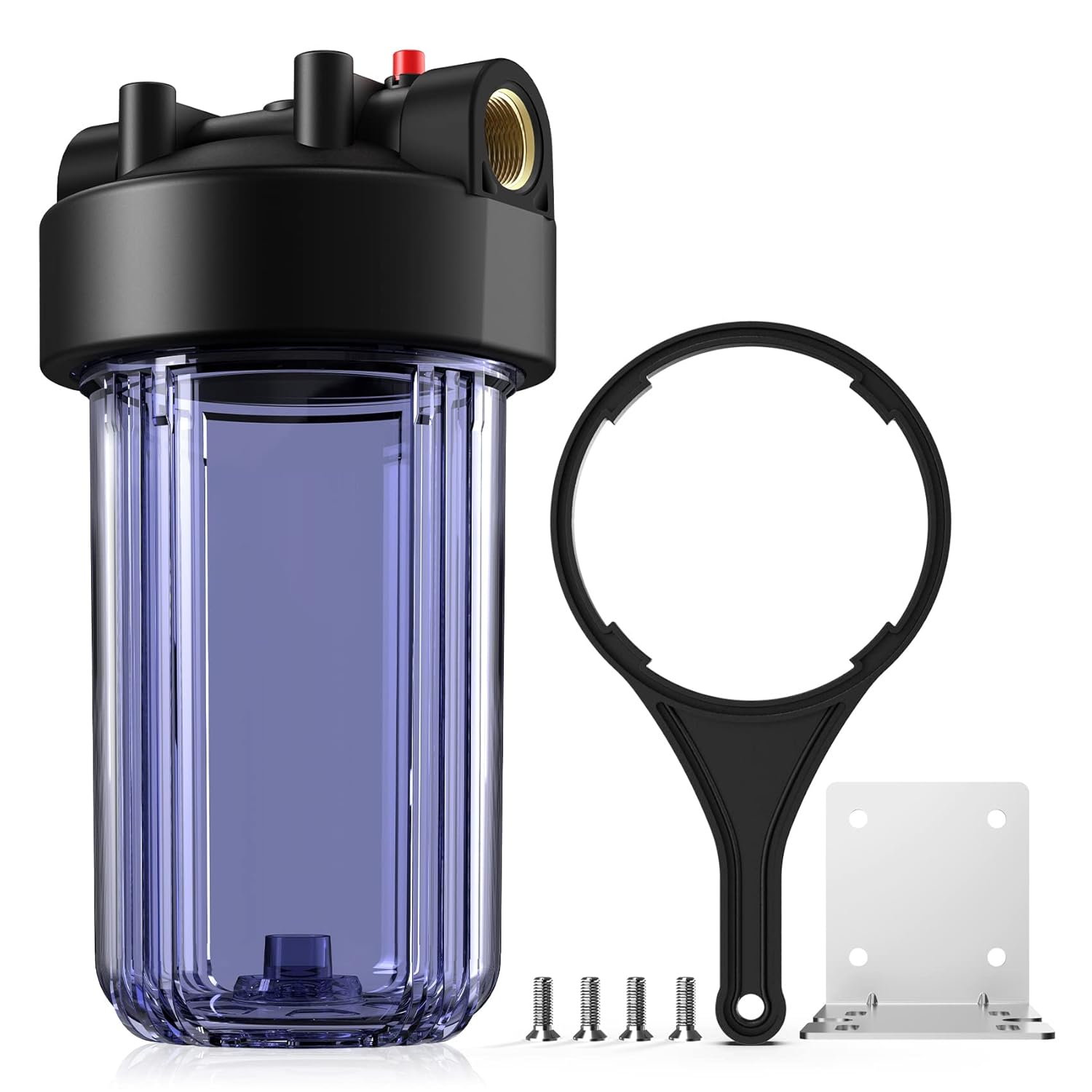
- Sturdy reinforced brass female threads reduce cross-threading and plumbing leaks compared to plastic ports.
- High 20 GPM flow rate prevents noticeable water pressure loss at camp sinks or outdoor showers.
- Accepts standard universal 10 x 4.5-inch filter cartridges widely available from outdoor and home suppliers.
- Includes a rugged steel mounting bracket, lag screws, and a dedicated housing spanner wrench.
Cons
- Filter cartridges and custom hose fittings are sold separately and must be sourced for your specific camp setup.
- Bulky dimensions require dedicated clearance inside an RV utility bay or cabin utility closet for canister removal.
- Pressure relief push button must be checked during initial setup to ensure a tight seal under high line pressure.
Securing a clean, dependable water supply is just as crucial at camp as packing the right sleeping bag or weather-resistant tent. The SimPure DB10C is a heavy-duty 10-inch by 4.5-inch water filter housing engineered to serve as a primary line of defense against sediment, dirt, rust, and silt. While often deployed in residential well systems, this rugged housing provides immense utility for mobile and off-grid outdoor setups. It acts as an upstream guardian for RV internal plumbing, camper van fresh water tanks, hunting camp wash stations, and remote cabin kitchens.
This filtration housing is best suited for RV campers, overlanders running self-contained water rigs, off-grid cabin caretakers, and emergency preparedness planners. Anyone who frequently hooks up to unmonitored campground spigots, rustic park hookups, or private off-grid well points will appreciate the reassurance it brings. Keeping fine sand, grit, and suspended particles out of downstream appliances protects 12-volt water pumps, tankless water heaters, and camp sink aerators from early failure.
In real-world outdoor operations, water pressure and flow rate make or break a plumbing setup. The DB10C supports a maximum flow rate of 20 gallons per minute, which ensures your camper or cabin water lines do not suffer from the painful trickle common with undersized inline filters. Operating comfortably within a 15 to 90 PSI range, it handles the fluctuating pressures encountered at commercial RV parks and remote water tanks. Paired with your choice of 10 x 4.5-inch sediment or carbon filter cartridges, it removes grit and foul tastes before water ever touches your camp cookware or drinking cup.
Build quality stands out through the reinforced food-grade polypropylene canister and upgraded 1-inch NPT brass female ports. Unlike all-plastic housings that risk cracked threads when connecting metal pipe fittings, the brass inserts provide lasting durability for seasonal setups and tear-downs. A double O-ring seal system inside the housing collar provides an extra layer of protection against unexpected drips inside your rig storage bay, while the thick plastic construction resists corrosion and rough outdoor handling.
Routine maintenance around camp is straightforward thanks to the included steel spanner wrench and built-in red pressure relief button. Before unscrewing the housing for a cartridge change, pressing the relief button bleeds off internal line pressure so the canister spins off smoothly. When mounting this unit, ensure you leave adequate vertical clearance beneath the sump to easily drop the canister and swap filters. As with any outdoor plumbing hardware, draining the housing completely before winter storage is essential to prevent freeze damage in freezing temperatures.
The SimPure DB10C is naturally too large and heavy for backpacking treks, but for stationary camp trailers, overland vehicle builds, and rustic cabin homesteads, it delivers outstanding value. It offers the structural strength, high flow, and broad filter cartridge compatibility required to keep your outdoor water clean, safe, and flowing smoothly wherever you establish your basecamp.
Installing the SimPure DB10C into an RV bay, overland utility box, or cabin wall is made easier with the included heavy-duty steel bracket and mounting hardware. Securing the bracket to a solid backer board or structural stud provides the stability needed when torquing the canister during future filter swaps.
The 1-inch NPT brass ports provide clean, sturdy threading. To avoid leaks when adapting to standard RV garden hose fittings or PEX lines, use quality pipe thread sealant or a moderate wrap of Teflon tape. Avoid over-tightening metal pipe fittings into the brass inserts to keep the structural seals aligned.
Always verify that both internal O-rings are lightly lubricated with food-grade silicone grease and seated flush in their grooves before spinning the canister into place. Hand-tighten the housing firmly, using the supplied wrench only to snug the seal without overtightening.
Campground water spigots are notorious for sudden surges of rust, sand, and mineral flakes, especially after seasonal line maintenance. Placed inline between the campground supply post and your RV fresh inlet, this housing catches coarse debris before it can clog your interior fixtures.
For off-grid cabins and hunting camps pulling water from rain cisterns or shallow well points, the large 10 x 4.5-inch format offers ample surface area. This means filter cartridges last significantly longer before clogging compared to skinny standard inline filter sticks.
Whether you need pure sediment filtration to save your on-demand water heater or a dense activated carbon block to eliminate foul sulfur odors and chlorine taste, this housing gives you the flexibility to adapt to whatever water source your outdoor travels encounter.

Pros
- Delivers both water softening and filtration in one unit, saving space and money
- Self-cleaning media means no replacement cartridges to buy or change
- High flow rate (8 GPM) maintains strong water pressure for showers and kitchen use
- Reduces clear water iron up to 3 ppm, helping prevent stains and rust in your RV or cabin
Cons
- Heavy at 92.8 pounds and requires permanent plumbing and electrical installation, not for portable camping
- High upfront cost compared to simple water filters or softeners
- Lower iron reduction (3 ppm) compared to standalone softeners that handle up to 10 ppm
The Kenmore Elite 520 Hybrid Water Softener & Whole House Filtration System is a 2-in-1 unit designed for homes, but it also works exceptionally well for serious campers who have an RV, cabin, or long-term base camp. This system combines a 31,000-grain capacity water softener with an integrated carbon media filter to reduce hardness up to 100 GPG and chlorine taste and odor. For campers who spend weeks or months at a time on the road or at a fixed campsite, having soft, great-tasting water from every tap can transform the experience.
Who is this best suited for? It is ideal for full-time RVers, overlanders with large rigs, cabin owners, and anyone setting up a semi-permanent camp. Family campers who enjoy all the comforts of home while outdoors will appreciate softer laundry, spotless dishes, and healthier skin and hair. It is also a great choice for survivalists or emergency preppers who have a fixed off-grid shelter with running water and want to improve water quality without constant filter changes. However, this is not for backpackers, solo adventurers, or weekend car campers who need portable gear.
Real-world performance in a camping context is impressive. The IntelliSoft Technology uses artificial intelligence to learn your water usage patterns and regenerates only when needed, saving salt and water - a real advantage when you are managing supplies in an RV or remote cabin. The self-cleaning carbon media means you never have to replace cartridges, which reduces maintenance during long trips. The 1-inch high-flow valve delivers up to 8 gallons per minute, maintaining strong water pressure for multiple showers, dishwashing, and laundry simultaneously. Many RV owners report that this system eliminates the hard water scale that damages water heaters and plumbing fixtures.
Build quality is solid, with a 48-inch tall plastic tank and a 0.98 cubic foot capacity. It comes with a bypass valve, installation kit, and instruction manual. The system is NSF certified to reduce chlorine taste/odor, barium, and radium. The lower temperature rating is 40 degrees Fahrenheit, so it can be installed in unheated spaces like a basement or enclosed RV bay, but you should protect it from freezing. The upper temperature rating of 120 degrees means you can run hot water through it safely. The system requires a power cord (corded electric) to operate the control valve and regeneration cycles.
Setup involves permanent plumbing connections - this is not a plug-and-play device. You need to cut into your home or RV water supply line and drain line. For RVs, you may need to install it in a pass-through compartment or basement area. The weight (92.8 pounds) makes it a two-person job to position. Once installed, operation is automatic. Maintenance is minimal: you need to add salt to the brine tank periodically (about every 4-6 weeks depending on usage). Cleaning is not needed due to the self-cleaning media.
Realistic limitations include the high cost ($869.41) and the fact that it is overkill for most casual campers. It requires reliable electricity and a plumbing system, so it is not suitable for tent camping or minimalist setups. The iron reduction is only 3 ppm, which may not be enough for well water with high iron content. Some users mention that the plastic tank can be prone to cracking if frozen, so winterization is critical. Additionally, the system takes up significant space (20.5 x 15 x 48 inches).
Overall, the Kenmore Elite 520 is a practical buy for dedicated RVers, cabin owners, or anyone running a permanent base camp who values water quality and convenience. It delivers the benefits of both a softener and a filter in one unit, saving space and eliminating the need for separate pre-filters. If you want great-tasting, soft water for your outdoor home away from home, this system is a solid investment that will enhance your camping experience with fewer chores and better water.
FAQs
Does a whole house water filter soften hard water?
No, a standard whole house filter does not necessarily soften water. Carbon and sediment cartridges target taste, odor, and particles, while a softener treats hardness minerals; check whether the selected system specifically includes softening media or a softener.
Which option combines filtration and softening?
The Aquasure bundle pairs a 64,000-grain softener with a 75 GPD reverse osmosis drinking-water system. The Kenmore Elite 520 combines softening and carbon filtration, with a stated 31,000-grain capacity; compare household needs and installation requirements before deciding.
Can a 5-micron sediment and carbon cartridge remove chlorine?
Yes, the PUREPLUS replacement cartridge is rated at 5 microns and uses layered polypropylene with coconut-shell activated carbon. Its product information claims reduction of chlorine, sand, rust, and sediment, but it is intended for tap water and may not suit every well-water condition.
How often should whole house filter cartridges be replaced?
Replacement timing depends on water quality and household use. PUREPLUS suggests roughly 3 to 6 months and lists capacity up to 30,000 gallons; iSpring lists up to 100,000 gallons or 12 months, depending on conditions. Follow the specific product instructions and watch for changes in taste or flow.
Is the SimPure housing a complete filter system?
No, the SimPure unit is a filter housing, and cartridges are sold separately. It accepts standard 10-by-4.5-inch cartridges, has 1-inch NPT brass ports, and lists a maximum flow rate of 20 gallons per minute; confirm cartridge fit and installation space before purchase.
Does the iSpring system reduce PFAS and scale?
The product description says its SGS-tested media removes up to 99% of PFAS, including PFOA and PFOS, and its scale inhibitor targets mineral buildup. It also describes three filtration stages and reduction of selected chemicals and metals. Verify the claims against your water needs and the manufacturer’s documentation.
Do these systems work for well water and preserve household flow?
Some listed products specify municipal and well-water use, but suitability depends on the well’s contaminants and the chosen cartridge. The SimPure housing lists up to 20 GPM, while the other products do not provide comparable flow figures here. A water test and your home’s demand help narrow the choice; safe filter replacement guidance can also help with routine maintenance.



Write Your Review
No reviews yet. Be the first to share your experience!