


Rust and grit can build up where washer hoses meet the inlet, slowing water flow and leaving a screen clogged.
A small inline filter can catch visible sediment before it reaches your washing machine, but the right choice depends on what is actually in your water. Best inline water filters for washing machines range from washable stainless steel mesh screens for sand and rust to replaceable cartridges that also use carbon media. Those designs serve different purposes, so a sediment filter alone should not be expected to remove chlorine, soften hard water, or address dissolved contaminants.
This comparison looks at the listed micron ratings, filtration materials, connection details, maintenance needs, and manufacturer claims to help you match a filter to a city supply line or private well. Clear housings make it easier to see collected debris, while reusable screens can be rinsed instead of replaced. Check thread compatibility and water pressure requirements before buying, and install filters only in a location where a leak can drain safely. For help with a related setup, see this guide to installing an inline RV water filter.
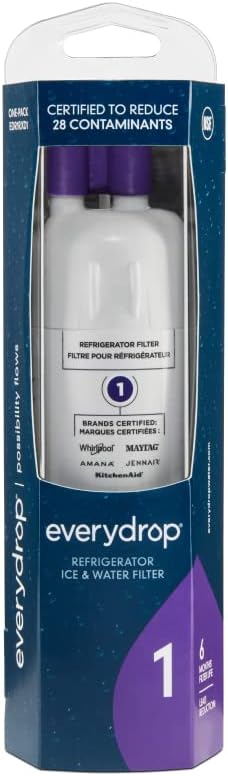
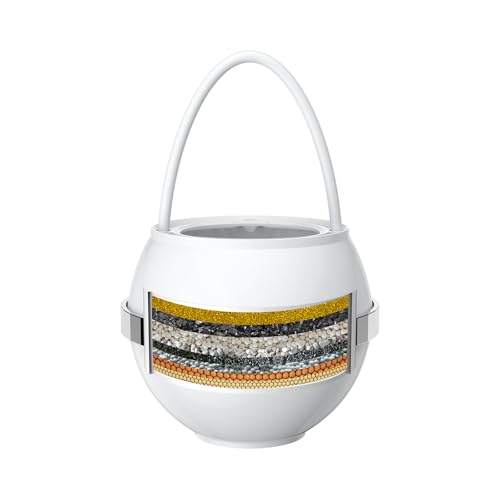
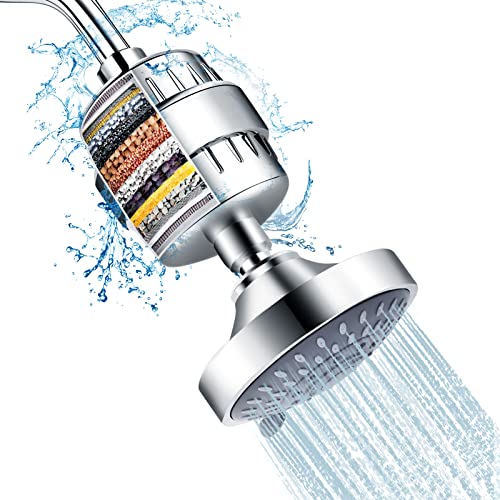
Options include compact washer inlet screens, brass-bodied reusable filters, and finer filtration media. The 40 to 50 micron mesh products are aimed at visible particles; the 2-micron ACF model lists carbon and other media, while the FS-TFC product describes a replaceable cartridge. These are not interchangeable claims. Read the product details carefully, especially if your goal is cleaner laundry water rather than drinking-water treatment. A separate home water purifier guide may help if you are comparing treatment for household drinking water.
Top Products


FAQs
Will a washer sediment filter remove chlorine or soften hard water?
No, a mesh sediment filter is designed to catch particles such as sand, rust, and grit, not dissolved chlorine or hardness minerals. The Gerrii and FA20 products are described as sediment-only filters. The ACF model lists activated carbon and other media, but check its specific claims and intended use rather than assuming every inline filter treats the same contaminants.
What micron rating should I look for in an inline washer filter?
Choose a rating based on the particles you want to capture and the filter’s intended application. Listed options include reusable mesh around 40 to 50 microns and a separate 2-micron ACF cartridge; a finer rating does not by itself prove contaminant removal or guarantee unchanged flow. Follow the manufacturer’s pressure and maintenance instructions.
Can these filters work with private well water?
Several products describe use with well water and sediment such as sand or rust. A washer pre-filter can catch particles, but it is not a complete well-water treatment system for dissolved iron, sulfur odors, or other contaminants. Identify the water issue first, and use appropriate testing or treatment guidance for broader concerns.
Do reusable inline filters need replacement cartridges?
Not always. Stainless steel mesh models are described as reusable and can be removed and rinsed, while the FS-TFC and ACF products use replaceable cartridges. Check the listed service guidance for the exact model, inspect clear housings for buildup, and shut off the water before maintenance.
How do I avoid leaks or reduced washer water flow after installation?
Confirm the hose thread size, adapter fit, gasket position, and pressure limits before installation. Tighten connections securely without forcing them, then check for leaks and monitor washer filling. Some products specify a floor drain or drainage area, and the FA20 listing calls for a pressure-reducing valve above its stated pressure limit.




Write Your Review
No reviews yet. Be the first to share your experience!