


Fine sand and plant debris can clog irrigation equipment before you notice a change in watering. A well-matched lake water filter for irrigation helps screen particles at the intake or line, but the right design depends on pump setup, target flow, and how much debris your source carries.
These options range from reusable matting filters for lake and pond pumps to compact Y strainers with stated mesh and flow specifications. That distinction matters: a coarse intake filter and a 120-mesh line strainer serve different points in a system, and neither should be treated as a drinking-water purifier. Review the listed connection size, rated capacity, and cleaning access before buying, then check compatibility with your pump and irrigation layout. The product information supplied here does not specify micron ratings for the Big Foot models or cleaning intervals, so confirm those details with the manufacturer if they affect your setup.
For a related look at home water treatment, see this guide to a non-RO water purifier for home use. It covers a different application, but can help clarify why irrigation sediment screening should not be confused with treatment for household drinking water. The products below include Shore-Tech Industries, KW-FISH, and UPLYKKE models, with listed options spanning 40- to 80-gallon filter capacity and Y strainers specified at 120 mesh.



FAQs
Which type of lake intake filter suits an irrigation pump?
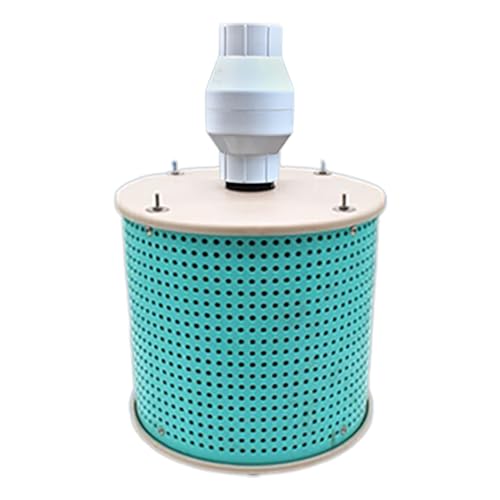
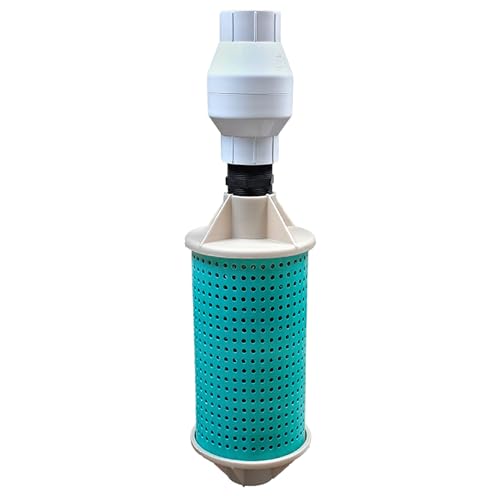
A pump intake filter is suited to screening debris before water enters compatible pump equipment. The Shore-Tech Industries Big Foot options use filter matting and are described for lake or pond irrigation pumps and fountains; confirm their dimensions and pump compatibility before ordering.
Do the UPLYKKE Y strainers state a mesh rating and flow rate?
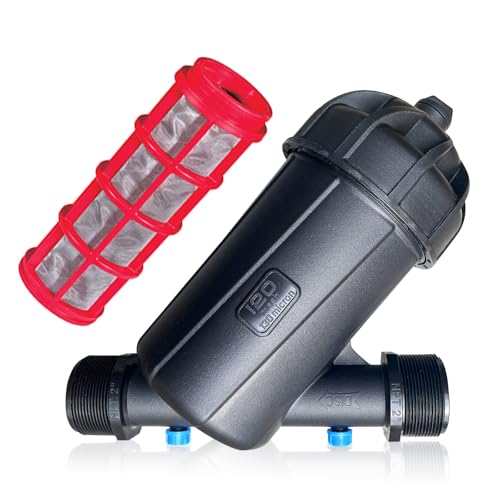
Yes, both listed UPLYKKE strainers specify 120 mesh. The 1-1/2-inch disc filter lists 88 GPM, while the 2-inch model lists 110 GPM; actual system flow depends on the pump and installation, so check connection fit and operating requirements.
Is a 120-mesh strainer the same as a drinking-water filter?
No, a 120-mesh irrigation strainer is intended for particle screening, not verified treatment of drinking water contaminants. It does not establish reduction of bacteria, chemicals, or dissolved minerals, so use a separate, appropriately certified drinking-water treatment system if needed.
What is the difference between the 40-gallon Big Foot models?
The standard Shore-Tech Industries 40 Gallon Big Foot Filter includes filter matting, while the 40 Gallon Big Foot Filter with Check Valve listing adds a check valve. Verify the valve’s role and installation requirements for your pump setup; the supplied details do not describe its operating specifications.
When might the 80-gallon Big Foot filter be worth considering?
The 80-gallon model may suit buyers seeking the larger stated capacity for lake irrigation pumps or fountains. Capacity alone does not confirm flow performance or maintenance frequency, so compare the product’s complete dimensions and compatibility with your planned installation.
How often should irrigation filter matting or a Y strainer be cleaned?
No cleaning schedule is provided for these products. Inspect the filter as source debris changes and follow the manufacturer’s cleaning instructions; regular checks can help you spot loading before it interferes with irrigation flow.
Will the SuperFlo intake filter fit any pump?
No, its listing says it fits KLEEN-FLO filter frames, not every pump or frame. Confirm your frame model and dimensions before purchase, and consult the inline water filter installation guide for general filtration setup context, noting that RV plumbing differs from lake-pump irrigation.






Write Your Review
No reviews yet. Be the first to share your experience!