


A sharp chlorine taste can make tap water less pleasant, while fluoride reduction calls for a filter specifically designed to address it. The best water filter for chlorine and fluoride depends on whether you want treated drinking water, a countertop gravity system, a pitcher replacement cartridge, or bath water filtration. These products differ in media, capacity, maintenance, and stated contaminant claims, so matching the filter to your water and intended use matters.
Our comparison focuses on listed specifications such as activated carbon, fluoride reduction media, filter lifespan, materials, and stated NSF/ANSI standards, while treating manufacturer performance claims as claims rather than independent guarantees. A pitcher may suit a small kitchen, while a larger gravity-fed unit can keep filtered water available for a household without plumbing changes. Check your local water report and the product’s published performance data before buying. For more context, see this guide to non-RO water purifiers for home use and advice on replacing a pitcher water filter.
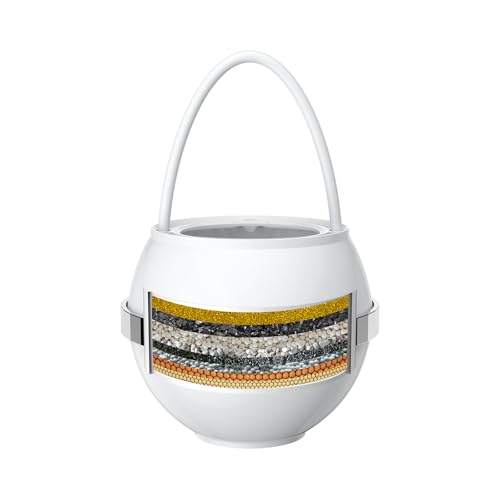


Pros
- Effectively reduces fluoride and arsenic, a key concern for many U.S. campers using tap or well water
- Simple to install and replace, no special tools or plumbing required
- Long 1,000-gallon lifespan offers great value for frequent campers and families
Cons
- Requires Black Berkey Elements already in place; adds an extra cost for initial setup
- Not designed for standalone use, only works as an add-on to Berkey systems
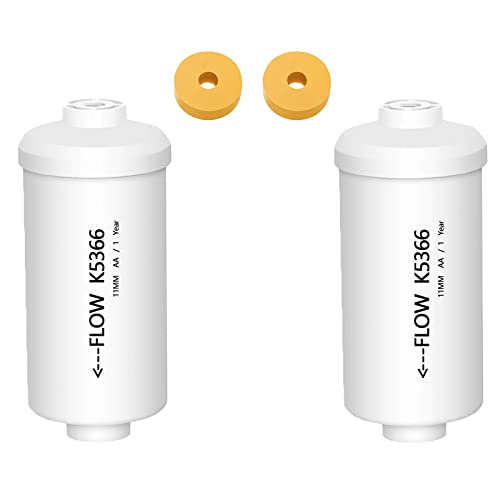
The Berkey PF-2 Fluoride and Arsenic Reduction Elements are a specialized add-on designed for use with Berkey gravity water filter systems. While the core Black Berkey Elements handle a wide range of contaminants, the PF-2 elements specifically target fluoride, arsenic(V), and re-oxidized arsenic(III) along with other heavy metal ions. This makes them an essential upgrade for campers who rely on tap water, well water, or suspect sources during their outdoor adventures.
These replacement elements are best suited for family campers, overlanders, RV campers, and weekend warriors who want peace of mind about their drinking water. They are also popular among survivalists and emergency preppers who value the Berkey system's no-electricity design. However, hikers and lightweight backpackers may find the system too bulky, though the PF-2 itself is compact and easy to store.
In real-world camping use, the PF-2 elements attach to the bottom of Black Berkey Elements and sit in the lower chamber. Setup is straightforward - no tools or power needed. Once installed, you simply pour water into the top chamber and let gravity do the work. Users often note the consistent flow rate and lack of effort required, which is a big plus when setting up camp after dark or during rain.
Build quality of the PF-2 elements is solid, with white plastic housing that fits snugly. The set includes two elements, each rated for 1,000 gallons under normal conditions - that's a lot of water for a long weekend of car camping or an extended overland trip. The manufacturer recommends replacing them after 1,000 gallons, which is straightforward since they just twist off.
One limitation is that these filters are only compatible with Berkey systems and require Black Berkey Elements already in place. Some users also mention the initial cost for the entire Berkey setup can be higher than other portable filters, but the long-term value is excellent for committed campers. Overall, the PF-2 elements offer targeted fluoride and arsenic reduction that many generic filters miss, making them a smart choice for anyone serious about water quality on their camping trips.
Installing the Berkey PF-2 elements is a simple process that takes just minutes. First, ensure you have Black Berkey Elements already seated in the upper chamber. Then, remove the lower chamber, screw the PF-2 elements onto the bottom of each Black Berkey Element, and replace the lower chamber. The PF-2 elements have a standard thread that matches perfectly. No tools, glue, or special skills are needed, making it easy to swap out during a camping trip or at home.

Pros
- Durable 304 stainless steel housing holds up reliably to camp kitchen life and outdoor use
- Comes complete with an elevated non-slip stand and a visualized water level spigot
- Completely non-electric design functions smoothly during power outages and off-grid camping
- Ceramic filters are washable and reusable, prolonging service life without extra costs
Cons
- At 7.7 pounds empty and 20 inches tall, it is sized for basecamps rather than backpacking
- Gravity flow rate gradually slows down as the upper reservoir empties
- Maintains healthy natural minerals and is not designed to lower total dissolved solids (TDS)
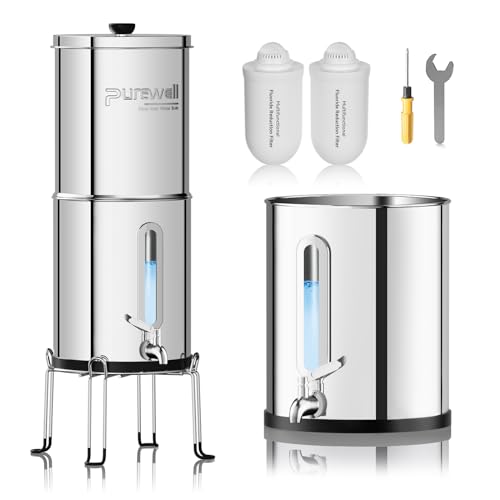
The Purewell 2.25-Gallon Gravity Water Filter System is a heavy-duty, countertop-style gravity filtration unit engineered to turn untreated freshwater into clean drinking water without relying on electricity, batteries, or pressurized plumbing. Operating on natural gravity flow, this dual-chamber setup serves as a central hydration depot for car campers, overland rigs, off-grid cabins, RV boondockers, and survivalists preparing for emergency storm outages. While portable enough to pack into a vehicle for a week in the national forest, it offers the high capacity required to supply fresh water for entire families and basecamp crews.
Filtration performance is centered around an 8-stage composite design combining two micro-porous ceramic filter candles and two specialized fluoride reduction elements. The ceramic stage utilizes activated carbon block and silver ion membranes to target chlorine, suspended sediments, rust, and organic matter, meeting NSF/ANSI 42 standards for aesthetic contaminant reduction and NSF/ANSI 372 standards for lead-free construction. Working in tandem, the lower fluoride filters use dedicated media to intercept up to 90 percent of fluoride without relying on conventional alumina. This multi-barrier design provides peace of mind when drawing water from rural taps, cabin cisterns, or backcountry sources, easily supplying water for morning coffee, cooking breakfast, and topping off hydration bladders.
Build quality stands out thanks to polished 304 food-grade stainless steel chambers that resist rust, punctures, and odor absorption far better than plastic gravity bags or brittle dispensers. Purewell includes a full accessory bundle right in the box, featuring a matching wire stand that elevates the system high enough to fit mugs and water bottles beneath the tap. The included metallic sight-glass spigot incorporates a vertical clear tube, allowing campers to verify remaining water volume at a glance without having to lift the heavy upper chamber and risk spilling.
Maintenance and camp handling are straightforward. The ceramic elements are fully washable, meaning when silty lake or river water creates a surface film that slows flow rate, you can restore speed simply by scrubbing the outer shell with the included sponge and clean water. Users must avoid using hand soap or detergents, as chemicals can clog the micro-pores. With the ceramic filters rated for up to 10,000 gallons combined and the fluoride filters rated for 1,000 gallons, this unit delivers low operating expenses over seasons of outdoor adventures.
Because it weighs 7.7 pounds dry and measures 8.8 inches in diameter by 20 inches in height, this system is unsuited for lightweight backpacking or tight trekking packs. It is also worth noting that gravity filtration takes time, and flow naturally tapers as head pressure drops in the top chamber. Furthermore, this filtration system does not eliminate dissolved mineral salts, so TDS meters will read normal mineral levels, which is standard for ceramic and carbon block purifiers.
For outdoor enthusiasts who spend weekends at established campgrounds, travel in converted vans, manage off-grid property, or maintain a family emergency cache, the Purewell 2.25-Gallon System offers tremendous utility. Its durable steel construction, included stand, sight-glass tap, and long-life washable filters provide dependable, self-reliant hydration wherever your adventures lead.
The Purewell system uses an 8-stage composite filtration layout divided across two upper ceramic filters and two lower inline fluoride elements. The ceramic shells form a mechanical barrier against particulates, rust, and silt, while internal activated carbon blocks absorb chemical residues and unpleasant odors. Silver ion treatment within the membrane helps maintain internal cleanliness, preventing biological fouling inside the cartridge housing during warm summer camp trips.
The secondary fluoride cartridges utilize high-grade reduction media and three sediment PP membranes to capture fluoride and residual chlorine. The system complies with NSF/ANSI 42 guidelines for chlorine reduction and NSF/ANSI 372 standards for lead-free materials, offering verified filtration integrity for off-grid and municipal tap water alike.
Because the unit relies entirely on gravity rather than pressure pumps, filtration takes place at a steady, unforced pace. Keeping the upper chamber topped off maintains maximum downward hydrostatic pressure, ensuring the best possible output rate when filling camp cookware, wash basins, and personal canteens.
Setting up the Purewell system requires no plumbing tools. The upper stainless steel chamber nests into the lower reservoir, and the filter elements attach securely through pre-drilled holes with food-grade silicone washers and wing nuts. Installing the metal sight-glass spigot takes only a few minutes, creating a watertight seal that prevents drips around your camp kitchen table.
When camping near sandy rivers or murky creeks, suspended particles will slowly coat the exterior of the ceramic filters. Routine cleaning is simple: remove the ceramic candles, scrub the outer surface gently under clean water using the provided abrasive pad, and reinstall them. Avoid soaps, dish liquids, or bleach, as these substances ruin the delicate pore matrix.
When packing down camp, empty both chambers and allow the filters to air dry before long-term storage. For winter camping or cabin shutdown, ensure the ceramic elements do not freeze while saturated, as expanding moisture can crack ceramic walls.



Pros
- Significantly improves the taste and smell of municipal campground hookup and RV tank water
- Tough ABS plastic construction holds up better around camp than fragile acrylic pitchers
- Threaded filter housing prevents untreated reservoir water from leaking into the clean pitcher
- Adds beneficial calcium, magnesium, and potassium for smooth hydration and camp cooking
Cons
- Designed strictly for potable tap, RV, or well water, not for raw backcountry streams or murky lake water
- Pouring can feel clunky and slow if the pitcher is tilted too quickly while the upper reservoir is full
- Filtration speed may slow down over extended use, occasionally requiring a gentle shake to clear trapped air
The Reshape Water 10-Cup Pitcher is a durable countertop water filtration system well suited for camp kitchens, RV galleys, and overland basecamps. While ultralight backpackers depend on hollow-fiber squeeze filters for mountain streams, car campers and road trippers face a distinct problem: heavy chlorine smells, sulfur notes, and metallic tastes from campground spigots and municipal hookups. This pitcher bridges the gap by offering multi-stage purification in a portable container that sits conveniently on an outdoor picnic table or tucks into an RV refrigerator.
This system is ideal for family campers, weekend warriors, overlanders, and camper van enthusiasts who prepare group meals and need steady hydration. It also serves emergency preparedness kits and cabin kitchens dealing with mineral-heavy well water. Budget-conscious outdoor lovers will appreciate the 79-gallon filter lifespan, which saves money and prevents waste by eliminating the need to haul dozens of single-use plastic water bottles to the campsite.
In practical outdoor kitchen use, having 3.5 liters of treated water on hand makes camp chores effortless. Whether you are brewing fresh morning coffee over a dual-burner camp stove or boiling water for campfire pasta, the six-stage filter strips away chemical aftertastes while boosting alkalinity and replenishing trace minerals like magnesium and calcium. Operating entirely on gravity, it needs no campsite electrical hookups or power stations. The digital lid timer operates on an internal cell to track filter duration across seasonal adventures.
Build quality is a strong point for outdoor use where gear often shifts in transport. Made from thick, high-impact ABS plastic that is completely BPA-free, this pitcher resists cracks far better than delicate glass or brittle acrylic carafes. The reservoir features a screw-in cartridge connection, preventing unpurified water from slipping past the seal during bumpy road trips or quick pours. The lid also incorporates a broad thumb rest to help hold the top firmly in place while serving.
Campers should keep a few realistic operational boundaries in mind. This unit is intended for pre-treated municipal taps, RV hookups, and tested well water with a TDS level under 300 PPM. It is not designed to treat raw backcountry water containing giardia or cryptosporidium cysts. User feedback also notes that pouring can feel somewhat heavy and awkward with a single hand when filled to the 3.5-liter brim, making a steady two-handed pour advisable on uneven camp tables.
For car camping weekends, road trips, festival setups, and mobile chuck boxes, the Reshape Water 10-Cup Pitcher is a dependable and practical investment. It turns harsh-tasting campground water into clean, crisp drinking water for the entire crew without cluttering your camp with disposable plastics. If you want dependable hydration and better coffee on your campground getaways, this rugged filter pitcher is a great addition to your camp kitchen bin.
Campground water hookups often vary wildly in taste and mineral quality from park to park. Keeping this pitcher on your camp kitchen prep table ensures your cooking water, coffee, and powdered electrolyte mixes always taste fresh and clean.
The pitcher fits easily into standard RV door shelves, camp cooler corners, and tailgate storage totes. Because it requires zero power or plumbing modifications, it provides an immediate water quality upgrade for camper vans, teardrop trailers, and pop-up campers.
Using a large-capacity pitcher eliminates the bulk and environmental waste of buying disposable plastic gallon jugs at every gas station stop along your road trip.
Before heading out on a trip, prime the filter cartridge by running water through the reservoir twice to clear any loose activated carbon dust.
If water flow slows down during extended trips, remove the cartridge, shake it gently under running tap water to dislodge trapped air bubbles, and thread it firmly back into the reservoir base.
Hand wash the ABS plastic pitcher and reservoir with mild camp soap and warm water between trips. Avoid harsh scrub pads or boiling water to keep the housing in prime condition for your next outdoor excursion.

Pros
- Targets up to 99.9% of difficult contaminants like fluoride, lead, and PFAS from rural or RV park water sources.
- Medical-grade Tritan construction is tough, shatter-resistant, and non-leaching in warm camp kitchens.
- Leaves healthy hydration minerals intact for better-tasting camp coffee and cooking water.
- Long 100-gallon filter life reduces replacement frequency during extended travel seasons.
Cons
- Filtration flow rate is slower than basic carbon pitchers due to dense contaminant-trapping media.
- Requires a priming process with the included flush bag before initial use or after extended storage.
- At 80 ounces full, the pitcher is relatively heavy and best suited for RV, trailer, or basecamp counters rather than mobile trail use.
The Clearly Filtered Water Pitcher is a heavy-duty countertop filtration system built to transform questionable water sources into pure, crisp drinking water. While ultralight backpackers rely on squeeze filters on the trail, family car campers, RV travelers, overlanders, and cabin vacationers often struggle with the heavy chemical smell, chlorine taste, or aging pipe contamination found at public campground hookups and rural spigots. This pitcher provides a reliable camp kitchen solution that targets up to 99.9 percent of over 365 identified tap water contaminants without requiring plumbing modifications or electrical power.
Performance around the campsite centers on the proprietary Affinity Filtration technology. Unlike standard filters that only tackle chlorine odor, this system targets heavy metals such as lead, toxic forever chemicals like PFAS and PFOA, microplastics, arsenic, and fluoride. At the same time, it is engineered to leave behind naturally occurring electrolytes and minerals like calcium and magnesium. For outdoor enthusiasts prepping meals on a camping stove or brewing fresh coffee at sunrise, the difference in water clarity and taste is immediate and noticeable.
Build quality is another crucial factor when gear travels in the back of a truck, camper van, or storage bin. The body is molded from medical-grade Tritan plastic, which is completely free of BPA, BPS, and endocrine-disrupting chemicals. This material resists clouding and withstands the bumps and jolts of mobile camp setups far better than brittle household plastic. The August 2024 update introduces an ergonomic handle designed to balance the pitcher safely when it is filled to its 80-ounce capacity, alongside a secure hinged lid that prevents spills when serving around busy camp tables.
Managing the pitcher in an outdoor or RV setting does require attention to setup details. The filter core requires priming with the included flush bag prior to first use to saturate the media and clear air pockets. Based on product specifications and user feedback, the dense filtration barrier means water trickles through at a slower pace than budget carbon pitchers, often taking twenty to thirty minutes to filter a full reservoir. Campers who plan ahead by keeping the pitcher topped off after dinner will have plenty of clean water ready for morning hydration packs.
For long-term travelers and weekend warriors, the 100-gallon filter lifespan offers substantial convenience, translating to roughly 200 refills before a swap is needed. While the bulk and 2.8-pound dry weight keep it out of backpacking packs, it shines as an essential fixture for overland rigs, teardrop trailers, deer camps, and residential emergency prep kits. It delivers peace of mind whenever you hook up to unfamiliar campground municipal lines, ensuring clean hydration for the whole family without relying on endless packs of disposable plastic bottles.
Integrating a high-capacity filter into your camp kitchen or RV setup eliminates reliance on disposable single-use plastic jugs. Public campground spigots and dump station fresh-water fills frequently carry residual rust, sulfur odors, or heavy chlorine treatments that affect cooking and drinking. Placing this pitcher on your outdoor prep table or trailer countertop allows you to filter water as you need it for rehydrating meals, filling hydration bladders, and washing fresh produce.
Because it operates entirely via gravity without water pressure or electrical pumps, it serves as a dependable backup during off-grid stays and boondocking trips. The compact footprint fits neatly into camper refrigerators or cooler racks, while the sturdy Tritan housing handles temperature swings and regular transport in gear totes without cracking.
Proper priming is essential to ensure a smooth flow rate and full filtration efficacy. The included threaded priming bag attaches directly to the filter cartridge, allowing you to force water through the media using hand pressure to displace trapped air before installing it into the reservoir. If the water flow slows down during extended camping trips, repeating this quick priming process often restores steady filtration.
To maintain peak hygiene in outdoor environments, wash the Tritan pitcher and reservoir by hand with warm water and mild dish soap between trips. The filter cartridge should be kept moist if in regular use, or thoroughly drained and stored in a clean, airtight bag if packed away between camping seasons. Avoid filtering muddy backcountry lake water or silt-heavy creek water, as high particulate matter will prematurely clog the fine affinity matrix.
FAQs
Do these filters reduce both chlorine and fluoride?
Several listed products are designed to reduce both, but the exact claims and supporting standards vary. For example, Purewell systems list fluoride reduction media and chlorine reduction features, while the Epic Pure replacement filter lists both contaminants and independent testing to named NSF/ANSI standards. Check the specific model’s performance information for your concern.
Does a sediment filter remove chlorine or fluoride?
No, sediment trapping alone is not the same as chemical reduction. These systems pair different media, such as mesh or PP cotton for particles and activated carbon or fluoride reduction media for other targets. Review the product’s stated contaminant claims rather than assuming one stage handles everything.
How often do replacement filters need changing?
It depends on the cartridge and water conditions. The Epic Pure replacement is rated for 100 gallons, Berkey PF-2 elements are recommended for replacement after 1,000 gallons, and the Reshape pitcher filter lists up to 79 gallons or 75 days. Follow the product instructions and track use.
Will a gravity filter lower TDS?
No, the listed Purewell gravity systems state that they do not lower TDS. A TDS reading also does not identify individual contaminants, so it cannot confirm whether fluoride or chlorine has been reduced. Consult product performance data for those specific substances.
Can replacement fluoride elements fit any gravity filter?
No, compatibility is model-specific. Berkey PF-2 elements are intended for compatible Berkey systems and must be used with the specified primary elements; Purewell and Virego replacements list their own compatible systems. Verify the exact model and connection before ordering. The inline RV filter installation guide covers a different setup, but reinforces the value of checking fit before installation.
Are pitcher filters or countertop gravity systems better for a household?
Neither is best for every kitchen. A pitcher is compact and easy to store, while countertop units offer larger stated capacities, including a 16-liter Filteroo system and a 2.25-gallon Purewell model. Consider counter space, household demand, refill routine, and cartridge upkeep before choosing.



Write Your Review
No reviews yet. Be the first to share your experience!