
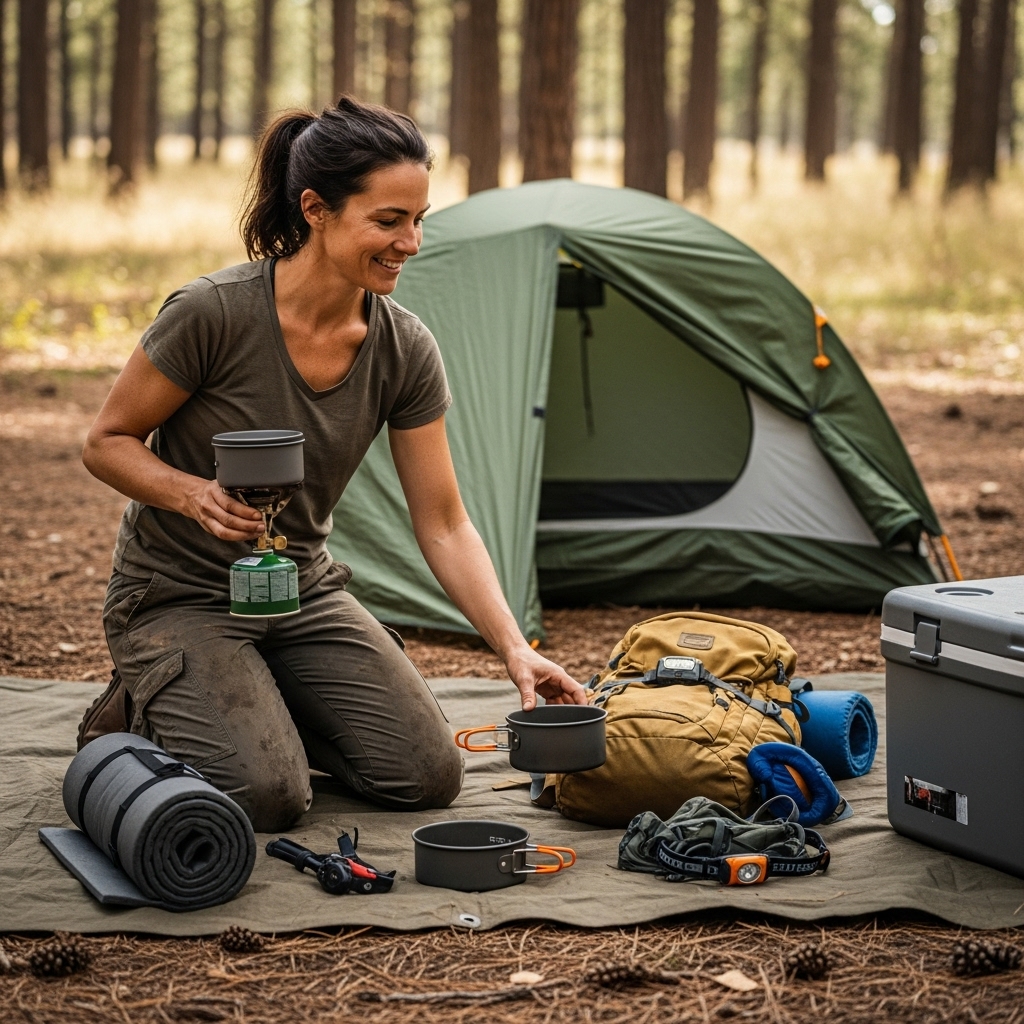

A homemade filter can make cloudy water look clearer, but appearance alone doesn’t show whether it’s safe to drink. That distinction matters if you’re preparing for an emergency, building a school demonstration, or trying to improve water at home. How to create a water filter depends on the goal: a layered bottle filter can illustrate how particles are trapped, while dependable drinking-water treatment requires a system validated for the specific hazards in the source water.
This guide explains what a simple gravity filter can and can’t do, how to build one as a demonstration, and when a certified treatment method or professional advice is the safer choice. A DIY filter should never be treated as proof that water is potable or as a substitute for a boil-water advisory. For related household options, see our guide to inline RV water filtration and our practical overview of removing a pitcher filter.


How a homemade water filter works, and where it stops
A basic homemade filter is best understood as a physical demonstration of particle capture, not a complete water-treatment system. Water passes through layers of material, and some suspended particles may be caught along the way. A clearer-looking result can still contain dissolved chemicals, salts, metals, or disease-causing microorganisms. Since this guide’s listed products are books and audio rather than specified filtration devices, their titles can point readers toward water preparedness, but they don’t establish any particular filter’s performance.
Separate visible clarity from drinking-water safety
Turbidity is the cloudiness caused by suspended material such as fine soil or organic debris. A coarse screen or settling step may reduce larger particles, and layered media can catch some additional visible material. Neither observation tells you whether bacteria, viruses, parasites, lead, arsenic, fuel residues, pesticides, or dissolved salts remain. Safe water decisions depend on the source and the treatment process, not just on color, smell, or taste.
Activated carbon is used in some commercial systems to reduce certain taste, odor, or chemical concerns, but its capabilities depend on the particular media, system design, and verified performance claim. A loose handful of charcoal is not the same as a rated carbon cartridge. Carbon also does not automatically remove dissolved minerals or disinfect water. Don’t assume a material’s name or a homemade recipe proves reduction of a specific contaminant.
Likewise, fabric, sand, gravel, and household containers aren’t validated barriers to pathogens. Water that looks clear after passing through them may still be microbiologically unsafe. Boiling, chemical disinfection, UV treatment, and certified filtration each have specific conditions and limitations, so choose a method consistent with current public-health guidance and the actual water hazard. If officials issue a boil-water advisory, follow their instructions rather than relying on a DIY filter.
A simple bottle filter for a non-drinking demonstration
For a classroom or household demonstration, use a clean, clear plastic bottle, a container to catch the output, and clean demonstration materials such as gravel, coarse sand, and a coffee filter or clean cloth. A grown-up should cut the bottle if a cutting tool is needed. Keep the setup separate from food preparation, and label the output clearly as not for drinking. Don’t use unknown outdoor materials or substances that might shed fibers or contain chemicals.
Remove the bottle cap and position the bottle so water can drain through its neck into the catch container. Place the cloth or paper filter at the neck to keep the loose media from falling out, then add a layer of rinsed gravel followed by sand. The exact arrangement can vary for a demonstration, because this is not a validated treatment design. Keep the bottle stable and leave room beneath it for the receiving container.
Pour a small amount of muddy demonstration water into the top and let gravity carry it through the layers. Observe whether the output appears less cloudy, and compare it with the starting sample in a clear container. That visual comparison illustrates particle capture only. It is not a test for microbes or dissolved contaminants, and the filtered sample must not be tasted, used for cooking, or poured into a drinking-water supply.
Dispose of the demonstration water safely and wash hands and work surfaces afterward. Don’t reuse the media for drinking-water treatment, and don’t leave wet organic material sitting in a bottle where it can develop odor or microbial growth. A one-time classroom build is different from a maintained treatment device with a defined design, replacement parts, and performance documentation. If the project is intended for children, an adult should handle any sharp tools and supervise water handling.
Why layers don’t add up to a complete purifier
Each material in a homemade stack has limitations. Gravel can support drainage and intercept larger debris, while sand can capture some suspended particles under particular conditions. A cloth or paper layer can hold back media and visible solids. None of those functions establishes removal of invisible health hazards, and a thicker stack is not automatically safer or more effective.
Flow through a DIY filter is also unpredictable. Grain size, packing, channeling, clogging, and the volume poured can change how water moves through the layers. Water may find a path around the media or pass through too quickly for the demonstration to behave consistently. Without defined construction specifications and validated testing, there’s no defensible way to assign a micron rating, capacity, flow rate, or contaminant-reduction claim.
Do not put household charcoal briquettes into drinking water. Briquettes can contain binders or additives and aren’t interchangeable with activated carbon made for water treatment. Even purpose-made loose activated carbon isn’t a complete treatment system by itself. A commercial product should be evaluated by its exact model and its documentation for the contaminant of concern, not by a general claim that it contains carbon.
Microorganisms create a separate concern from visible sediment. Filtering particles does not reliably disinfect water, and a homemade bottle filter may collect organic material while remaining damp. That can create a hygiene problem rather than a dependable safety barrier. If source water may contain pathogens, use an appropriate treatment method recommended by public-health authorities; don’t improvise a filter as a substitute.
Match a real treatment system to the source water
Start with the water source and the problem you want to solve. Municipal tap water and private well water can have different risks, and a bad taste is not enough to identify a contaminant. For municipal concerns, review the local water utility’s Consumer Confidence Report and contact the utility if the report or a household issue raises questions. For a private well, arrange appropriate testing through a qualified laboratory, particularly when there’s a change in taste, odor, appearance, or nearby land use.
Test results help narrow the treatment options. A sediment problem calls for a different approach than a dissolved metal, microbial hazard, or chemical taste concern. A water softener addresses hardness, not every contaminant, and a basic carbon stage shouldn’t be assumed to reduce fluoride, arsenic, or all dissolved substances. Ask what exact reduction claim applies to the model under consideration and whether independent performance documentation supports it.
For household treatment, look for independent certification or performance documentation that identifies both the exact system and the target contaminant. NSF/ANSI standards have distinct scopes; for example, a claim under one standard doesn’t mean a filter reduces every health-related contaminant. Read the product’s performance data sheet rather than relying on a broad phrase such as “water purifier.” If the target contaminant isn’t listed for that specific model, don’t assume the system addresses it.
System location matters, too. A point-of-use unit treats water at a selected tap, while a point-of-entry system treats water where it enters the home. The right choice depends on the water issue, household use, installation constraints, and ongoing maintenance. Under-sink systems may need space and, depending on their design, a drain connection or storage tank; whole-house systems need plumbing compatibility and service clearance. Check the manufacturer’s instructions and local plumbing requirements before installation.
For a broader comparison of treatment approaches, our overview of non-RO home purifiers can help frame the questions to ask. The model-specific specifications still determine whether a product suits a particular water supply. Pay attention to the stated contaminant claims, replacement cartridge availability, maintenance instructions, and any operating limits. If water chemistry is complex or a plumbing change is involved, consult a certified water treatment professional or licensed plumber as appropriate.
Understand what books and guides can contribute
The products listed above focus on preparedness, water supply, filtration, purification, and related topics. Titles such as Water Survival Guide for Beginners: How to Store and The Essential Home Water Treatment Guide: Testing suggest areas readers may want to explore, including emergency storage and home treatment decisions. The supplied product information doesn’t include detailed descriptions, so it can’t support claims about a particular book’s instructions, accuracy, or included procedures.
A book or audio guide can be useful as background, but it doesn’t replace current local advisories, laboratory results, product documentation, or safe operating instructions. Emergency guidance should be checked against current recommendations from public-health agencies. If a guide describes a homemade method, verify whether it addresses the specific contaminant and whether the method has been validated for that purpose. A survival-oriented title alone doesn’t demonstrate that a suggested device produces potable water.
The listed options also vary by format and subject. Some are presented as books, while one is identified as an Audible title, which may suit someone looking for audio rather than a physical reference. The available data doesn’t confirm whether an audiobook includes diagrams, technical tables, or printable instructions. Consider the format you can consult reliably during preparation, and keep essential local emergency information accessible separately.
Common assumptions that can put water safety at risk
“It looks clean” is not a safety test. Many contaminants are invisible, and some have no noticeable taste or smell. Conversely, a taste or odor complaint doesn’t identify its cause by itself. Use suitable testing or official source-water information instead of trying to diagnose water chemistry by appearance alone.
“More layers must be better” is another unreliable shortcut. Adding materials can slow drainage or make a filter clog, while still failing to address dissolved substances or pathogens. Layers may also introduce contamination if they’re dirty, unsuitable, or reused without proper handling. A homemade device has no dependable performance rating unless a credible assessment specifically validates its design and intended use.
“Boiling after filtering solves every issue” isn’t a safe general rule either. Boiling is used for certain microbiological risks under public-health guidance, but it does not remove many chemical contaminants or dissolved metals. In some situations, heating can concentrate substances as water evaporates. Follow the specific advisory for the known hazard, and seek local guidance when the risk isn’t clear.
Finally, don’t combine improvised treatment steps without understanding their limits. A sediment layer followed by carbon does not become a certified reverse-osmosis system, and adding UV equipment does not guarantee disinfection unless the device is properly designed and operated. Each treatment technology has conditions that affect its use. Treat claims about a multi-stage arrangement with the same scrutiny as claims about a single cartridge.
Choose the next step based on the intended use
If the goal is a science activity, build the bottle filter as a contained demonstration and clearly mark the output as non-potable. If the goal is better-tasting tap water, identify the concern and compare products with specific performance information for that concern. If the goal is emergency readiness, plan for safe water storage and a treatment method that follows current official guidance. These are different tasks, so the same homemade design shouldn’t be presented as a solution for all three.
For a home system, also consider ownership requirements. Replacement parts, cartridge access, cleaning, and the need for professional installation can affect whether a design is practical. Follow the product manual for cartridge changes and housing maintenance; pressurized plumbing should not be opened without the proper shutoff and depressurization steps described by the manufacturer. Consult a licensed plumber when installation involves uncertain connections or local code requirements.
For emergency water, keep instructions tied to the actual source and hazard rather than relying on a generic DIY recipe. Official agencies may change recommendations based on the event, and a private well may need testing before it is used again after flooding or other contamination. Stored water also needs containers and handling practices appropriate for drinking-water use. A homemade demonstration filter is not a storage container or a validated emergency purifier.
The practical dividing line is simple: use a layered bottle filter to demonstrate how visible particles can be trapped, but don’t use its output as drinking water. For water intended for consumption, identify the source, verify the concern, and select treatment with documented suitability for that exact hazard. If you can’t verify the method, don’t assume the water is safe.



Write Your Review
No reviews yet. Be the first to share your experience!