


Stop Sand and Grit Before They Reach Your Irrigation Lines
Sand in a well supply can clog drip emitters, foul valves, and leave grit in irrigation lines. A sediment pre-filter can catch particles before they reach downstream equipment, but the right screen and connection size depend on your water source, plumbing, and flow needs. These irrigation water filter systems include spin-down sediment filters and smaller inline options for drip setups, so the useful comparison is about fit and purpose, not just price.
This roundup covers products from Rusco, One Stop Outdoor, Merrill, and other brands. Product details list options such as 100-mesh screens, a 155-mesh screen, a 1.5-inch PVC separator, and an irrigation kit with a 25 PSI regulator. Those specifications can help narrow the field, but they don’t establish how well a filter will handle your particular water or preserve pressure in your system. Check the product listing for connection details and manufacturer guidance, then match those details to your pipe size and irrigation demand. For a separate look at point-of-use treatment, see this guide to installing an inline RV water filter.
Spin-down screens are aimed at sediment and sand, not dissolved contaminants, chemical taste, or odor. They also need periodic inspection and cleaning as debris collects. If your concern is drinking-water quality rather than irrigation debris, a sediment screen alone isn’t a substitute for treatment selected for that concern. The product notes below stick to listed specifications, with no assumed removal rates or test results. Compare the screen mesh, pipe or hose connection, and intended use before you buy.


FAQs
What does a spin-down irrigation filter remove?
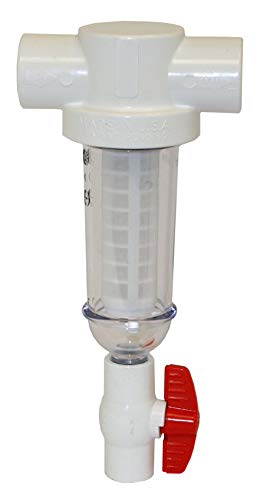
A spin-down filter is intended to catch suspended particles such as sand and sediment. Screen mesh holds debris while water passes through, and collected material needs to be flushed or cleaned according to the manufacturer’s instructions. It does not, by itself, establish reduction of dissolved chemicals, metals, or odors.
Is a 100-mesh screen finer than a 155-mesh screen?
A 155-mesh screen has more openings per area than a 100-mesh screen and is generally finer. Mesh count alone does not state a precise micron rating, however, so check manufacturer specifications if particle size is critical. Finer screens may need more frequent cleaning, depending on the sediment load.
Can an irrigation sediment filter improve drinking-water taste?
No, a sediment screen is not a taste-and-odor treatment. It targets suspended grit, while taste concerns may call for a separate treatment stage suited to the water and contaminant concern. This guide to non-RO home water purifiers covers a different type of drinking-water equipment.
How do I choose the right connection size?
Match the filter connection to the pipe or hose connection at the installation point. The listed choices include 1-inch and 1.5-inch options, plus a 3/4-inch hose-thread filter and a 3/4-inch drip kit. Confirm thread type and installation direction in the product details before ordering.
Will a finer screen reduce irrigation flow?
It can restrict flow as debris accumulates, and a finer screen may require closer maintenance in sediment-heavy water. The supplied product information doesn’t provide comparable flow figures for every model. Check the manufacturer’s flow guidance and clean the screen as directed to help avoid avoidable blockage.
Are these filters suitable for every well-water problem?
No, these listed products focus on sediment filtration and irrigation use. They are not shown here as treatments for dissolved iron, sulfur odor, hardness, or microbes. Identify the water problem first and select treatment based on appropriate water-quality information and the manufacturer’s stated capabilities.



Write Your Review
No reviews yet. Be the first to share your experience!