


Cleaner-Tasting Water and Ice, Without Guesswork
A sharp chlorine taste can make a cold glass of water less appealing, while the wrong replacement cartridge may not fit your refrigerator at all. This roundup of the best fridge water filter options compares genuine model-specific cartridges, inline filters, and countertop dispensers, so you can match the setup to your kitchen and water line. The useful details are practical ones: contaminant reduction claims, cartridge life, connection type, and whether a filter lowers TDS.
Product specifications and listed certification details offer a sensible starting point, but compatibility still deserves a careful check. Match your refrigerator model or old cartridge number before ordering, and remember that a long service-life claim can vary with water conditions. Inline models may suit an ice maker or RV line, while a dispenser gives you a separate filtration option without changing the refrigerator plumbing. For setup pointers, see this guide to installing an inline RV water filter.
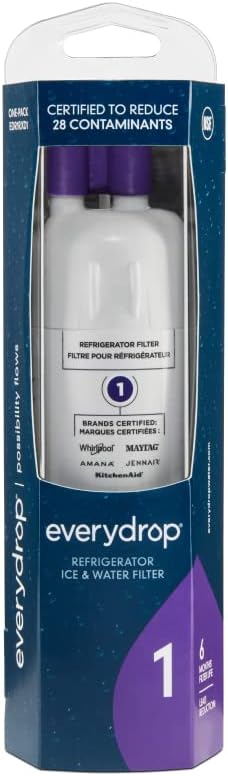
Pros
- NSF 401 certification reduces emerging contaminants, ideal for families concerned about water quality
- Designed specifically for Whirlpool, Maytag, KitchenAid, Jenn-Air, and Amana refrigerators - fits perfectly
- Easy to install and replace in minutes with no tools required
- Provides clean, fresh-tasting water for drinking, cooking, and ice - excellent for filling camp water jugs
- Reliable 6-month lifespan helps plan filter changes around camping season
Cons
- Only compatible with specific refrigerator models - check compatibility before purchase
- Not a portable water filter for backcountry use; strictly a home/RV refrigerator filter
- Premium pricing compared to generic alternatives, though genuine filters maintain warranty coverage
If you're an RV camper, weekend warrior, or family camper who likes to hit the road with clean water, the everydrop by Whirlpool Ice and Water Refrigerator Filter 1 (EDR1RXD1) is a smart addition to your home or rig. While it's not a backpacking water filter, it plays a key role in prepping for trips: you can fill your hydration bladders, water jugs, and ice chests with filtered water right from your refrigerator dispenser.
According to the product specifications, this filter is NSF certified to reduce 28 contaminants, including 99% of lead, pesticides, and pharmaceuticals. For RV owners with a compatible Whirlpool, Maytag, KitchenAid, Jenn-Air, or Amana refrigerator, this means you can enjoy clean water and ice while on the road without worrying about off-flavors or sediment. Many campers appreciate the convenience of having filtered water available for cooking breakfast or making coffee at the campsite.
Build quality is solid: the filter is made from durable plastic and is designed for easy twist-and-lock installation. Replacement is recommended every 6 months or 200 gallons, which aligns nicely with seasonal camping schedules. Simply mark your calendar before your first spring trip or fall adventure. The package includes a single filter, and the UPC is clearly labeled for easy reordering.
One of the biggest practical benefits is the ice quality. If you use a cooler for your camping trips, starting with clean ice from a filtered supply can help keep food and drinks fresh for longer. The filter also reduces sediment and chlorine taste, so the water you pour into your CamelBak or Nalgene just tastes better. For families with kids, knowing that the water is free from common contaminants adds peace of mind.
That said, this filter is not designed for backcountry use. It requires a refrigerator with a compatible water line, so it won't work for tent campers or hikers who need a portable solution. Additionally, you must check your refrigerator model number to ensure fit. Some users note that the cost is higher than third-party options, but using a genuine everydrop filter keeps your refrigerator's warranty intact and ensures certified performance.
Overall, the everydrop EDR1RXD1 is a practical choice for RV campers, overlanders with refrigerator-equipped rigs, and families who want clean water at home before heading outdoors. It's not a camping water filter per se, but it's a great tool for pre-trip water preparation. If you're looking to upgrade your home or RV water quality and you have a compatible fridge, this filter delivers reliable, certified performance for your outdoor lifestyle.

Pros
- Compact and lightweight at under one pound, making it easy to stow or tuck into tight camper cabinets.
- NSF certified coconut shell carbon media significantly improves tap water taste and eliminates foul sulfur or chlorine odors.
- Includes 1/4-inch push-fit hardware and tubing for fast, hassle-free plumbing into camper water lines.
- Extended 1,400-gallon lifespan provides plenty of capacity for a full season of road trips and outdoor getaways.
Cons
- Does not reduce Total Dissolved Solids (TDS) or filter out biological pathogens from raw backcountry streams.
- Requires a pressurized water line or RV water pump, so it cannot be used as a standalone gravity camp filter.
- Initial installation requires a five-minute water flush to clear harmless loose carbon fines.
The Waterdrop Inline Water Filter is a compact, high-capacity carbon block filtration unit engineered for direct-line plumbed systems. While widely chosen for home refrigerators and ice makers, this inline filter is equally valuable for RV campers, campervan builders, overlanders, and off-grid cabin dwellers who want clean-tasting drinking water on the road. Whether tapping into unpredictable municipal campground spigots or pulling supply from an onboard freshwater tank, this inline cartridge targets common campsite water issues such as sulfur odor, heavy chlorination, and gritty pipe sediment.
Inside the slender housing sits a dense coconut shell activated carbon block rated down to 0.5 microns. According to manufacturer specifications, the unit holds NSF 42 certification for removing up to 97.6 percent of chlorine, bad taste, and foul odors, alongside NSF 372 certification for lead-free construction. For camp kitchen galleys, this filtration level transforms harsh campground tap water into crisp, clean water suitable for morning pour-over coffee, cooking pots, and filling daily hydration bladders without taking up valuable counter space.
Installing the filter into an RV or mobile rig is straightforward thanks to the included 1/4-inch quick-connect fittings and poly tubing. Outdoor adventurers can mount the 10.8-inch cylinder vertically or horizontally inside an under-sink cabinet or behind an exterior utility bay. The push-fit mechanism allows for rapid, tool-free line splicing, though users must push the tubing a full 20 millimeters into the collar to ensure a secure, leak-free seal that withstands travel vibrations on rough dirt roads.
Based on product specifications, this filter does not reduce Total Dissolved Solids (TDS) and is not intended to purify untreated water from backcountry wilderness rivers or stagnant ponds. Backpackers and survivalists should recognize that this is an inline chemical and sediment filter designed for pressurized systems, not a microbiological purifier for eliminating Giardia or Cryptosporidium. Additionally, brand-new cartridges require an initial five-minute flush to purge loose coconut carbon dust before drinking.
For RV travelers, weekend road warriors, seasonal camp hosts, and trailer owners looking for an affordable plumbing upgrade, the Waterdrop inline system offers outstanding value. With a generous 1,400-gallon service life that comfortably covers an entire camping season, it keeps freshwater flowing smoothly without the bulk, complexity, or expense of multi-stage canister systems.
Setting up the Waterdrop inline filter in a camper or mobile rig takes only a few minutes with basic utility shears. The unit uses direct-connect 1/4-inch push-fit collars that grip standard copper or plastic lines without the need for specialized wrenches or thread seal tape. Slicing cleanly through your cold water supply line and seating the tubing firmly into each end creates a dependable inline connection.
Routine maintenance during the camping season is virtually non-existent once the initial five-minute carbon flush is completed. For winterization, RVers should disconnect and drain the cartridge before storing the vehicle in sub-freezing temperatures, as trapped water can expand and crack the plastic housing during hard winter freezes.
A clean water source is essential for meal preparation and hot drinks around the camp kitchen. Campground hookups often carry distinct chemical or metallic notes that spoil delicate camp recipes and morning coffee. Placing this inline carbon block directly before your dedicated drinking faucet or ice maker eliminates chemical odors and leaves clear, neutral water.
Because it operates inline with minimal drop in water flow, this filter allows quick filling of large hydration packs, stockpots, and camp wash basins. It delivers dependable, restaurant-grade water quality straight from your camper sink faucet without cluttering up limited meal prep surfaces.

Pros
- Noticeably improves the taste and smell of sulfurous or heavily chlorinated campground tap water
- Tool-free push-fit connections make installation fast and straightforward in tight RV storage areas
- Generous hardware assortment accommodates both copper lines and flexible plastic tubing
- Much more affordable than proprietary brand-name refrigerator and RV replacement cartridges
Cons
- Does not reduce Total Dissolved Solids (TDS) and will not soften hard mineral water
- High-sediment rural campground wells can clog the fine 0.5-micron pores before reaching maximum rated gallon capacity
- Not designed to purify raw, untreated backcountry lake or river water containing biological pathogens
The AQUA CREST Inline Water Filter is a high-capacity filtration cartridge engineered to splice directly into 1/4-inch cold water supply lines, making it a reliable hydration upgrade for RV campers, vanlifers, overland rig builders, and travel trailer owners. Whether you are outfitting a mobile camp kitchen sink, feeding an on-board ice machine, or configuring an off-grid trailer water system, having dependable access to clean-tasting drinking water is a top priority. This inline system serves as an effective barrier against the odd odors and chemical tastes frequently encountered at municipal RV parks, state park fill stations, and rustic campground hookups across the country.
At the core of the filtration cartridge is a dense 0.5-micron coconut shell activated carbon block paired with an integrated sediment barrier. Based on manufacturer specifications and customer feedback, this setup effectively reduces common municipal additives like chlorine, along with unpleasant tastes, sulfur odors, rust flakes, suspended silt, and emerging contaminants such as PFAS and PFOA. For campers pulling water from variable campground spigots, this filtration noticeably improves the clarity and crispness of morning camp coffee, cooking broths, and drinking cups. It maintains steady water line pressure without choking galley faucet output, ensuring that washing produce or filling hydration reservoirs at the camp sink remains fast and hassle-free.
Build quality centers around a rigid, crack-resistant canister built to withstand typical line pressure fluctuations found in mobile water systems. The unit comes outfitted with an all-inclusive hardware package, including 1/4-inch push-to-connect adapters, compression fittings, and mounting clips that make securing the canister inside a cramped camper cabinet or behind an appliance straightforward. Because it requires no specialized plumbing tools or torch work, installation can be completed in just a few minutes using standard hand tools. Its slim profile tucks neatly alongside existing RV plumbing lines, leaving plenty of valuable under-sink storage space for dry goods, camp cookware, and cleaning supplies.
While the filter provides reliable taste and sediment control, outdoor enthusiasts should understand its functional boundaries. Like most carbon block inline filters, it is not engineered to reduce Total Dissolved Solids (TDS), meaning naturally occurring beneficial minerals remain in the water. Furthermore, this unit is designed for potable municipal or treated campground water supplies and should not be relied upon as a solo wilderness purifier for untreated backcountry streams or stagnant lakes containing biological cysts. Users also note that while the cartridge carries a high theoretical gallon rating, heavy sediment loads from rural campground wells can shorten operational life, requiring a seasonal changeout to maintain ideal flow.
For RV travelers, weekend road-trippers, seasonal campground visitors, and emergency preparedness planners, this inline filter delivers practical convenience and peace of mind. It eliminates the hassle of hauling heavy plastic water jugs or constantly buying expensive branded proprietary replacement cartridges for RV refrigerators. If your travel trailer, camper van, or overland setup features a plumbed 1/4-inch cold water line, adding this compact filtration unit is an affordable, practical step toward cleaner, fresher hydration on every outdoor adventure.
Getting the best performance from your inline filter during camping season begins with proper initial flushing. When installing a fresh cartridge in your RV or camper galley line, allow approximately three to five gallons of water to run through the system into a bucket or drain before consuming. This initial flush clears any harmless loose carbon fines from manufacturing and primes the dense coconut shell media for optimal water flow and clarity.
Proper winterization is essential for RV campers and seasonal travelers. If your rig is stored in freezing climates, never leave water sitting inside the filter canister, as frozen water can expand and crack the housing or damage the internal carbon block. Simply disconnect the push-fit fittings before pumping non-toxic RV antifreeze through your camper lines, store the filter in a climate-controlled space if still within its useful life, or plan to install a fresh unit at the start of your spring camping adventures.

Pros
- Five-year replacement cycle means less frequent filter changes and lower long-term costs
- Tool-free installation with both compression and push-to-connect fittings works with copper or plastic lines
- Reduces chlorine taste and odor, making water from RV tanks or boat plumbing much more pleasant
- Compatible with a wide range of refrigerators, ice makers, and water dispensers perfect for RVs and boats
Cons
- Only reduces chlorine taste, odor, and sediment it does not remove lead, arsenic, or other heavy metals
- Plastic body may feel less premium than metal-bodied filters, though it holds up fine in normal use
- Some users report the included fittings may not match all refrigerator connection types, requiring an adapter
When you are living the RV life or spending weekends on a boat, having clean, great-tasting water is a must. The EcoPure EPINL30 is an in-line water filter that hooks directly into your refrigerator or ice maker's water line, giving you fresh water and ice without the hassle of bulky countertop pitchers. This filter is built to last up to five years, which is a huge time saver for anyone who would rather spend their weekends exploring than swapping out filters every couple of months.
This filter is a solid choice for RV campers, boat owners, and families who rely on their refrigerator's water dispenser. It is also a practical upgrade for anyone with a secondary ice maker, coffee machine, or water cooler. The universal design means it fits most popular refrigerator brands including Samsung, LG, Whirlpool, GE, and Frigidaire, so you don't have to worry about compatibility when installing it in your camper or fifth wheel. The compact size (13.5 by 6 by 3 inches) slips neatly into the space behind your fridge or under the sink without taking up valuable storage room.
In terms of real-world performance, the EPINL30 does a fine job of reducing chlorine taste, odor, and sediment. If your RV's water source has that typical pool-like chlorine smell, this filter will knock it down significantly, making your drinking water and ice cubes taste much cleaner. It is certified to NSF/ANSI Standard 42, which means it has been verified for aesthetic improvements like taste and odor. Keep in mind that it does not filter out lead, arsenic, or other contaminants, so if you are pulling water from a questionable source, you may want to pair this with a more robust filtration system. For standard city water hookups or well-maintained RV park supplies, though, it works great.
Installation is one of this filter's strongest points. The package includes both 1/4-inch compression fittings and push-to-connect fittings, so you can connect it to copper or plastic water lines in minutes with no tools required. Many users report being able to swap out an old filter in under ten minutes, even if they have never touched a plumbing fitting before. The instructions are clear, and the filter itself is easy to orient correctly thanks to the directional arrows printed on the housing. For RV and boat owners, this simplicity is a blessing, especially when you are setting up camp after dark or dealing with tight spaces in a boat galley.
Build quality is dependable, with a sturdy plastic housing that holds up well to the vibrations and temperature swings common in mobile environments. The filter is designed, engineered, and assembled in the USA, which adds a layer of confidence for buyers who prefer American-made products. All replacement parts and fittings are readily available, and the five-year spare part availability duration ensures you will not be left hunting for a hard-to-find component down the road. The EPINL30 also comes with a straightforward installation guide that covers most common hookup scenarios.
One realistic limitation is the filter's narrow reduction capability. It only tackles chlorine taste, odor, and sediment, so if you are looking for comprehensive protection against heavy metals, bacteria, or cysts, you will need a different solution. Additionally, the plastic construction, while adequate, does not feel as premium as some metal-bodied alternatives. A very small number of users have noted that the included fittings did not perfectly match their refrigerator's connection, requiring a quick trip to the hardware store for an adapter. Overall, the EcoPure EPINL30 is an excellent value for RV campers, boaters, and homeowners who want a low-maintenance way to improve their drinking water and ice. If you are a weekend warrior or full-time traveler looking for a filter that lasts years and installs in minutes, this is a smart pick.

Pros
- Massive capacity reduces repetitive refill runs across busy family campgrounds.
- Sturdy built-in handle makes lugging water from campsite faucets back to the picnic table manageable.
- Noticeably improves tap water taste, making campground hookups and RV tank water far more palatable.
- Fast flow rate keeps morning coffee water and trail hydration bladder fill-ups moving quickly.
Cons
- Intended strictly for municipally treated or pre-sanitized water, not raw backcountry lake or stream sources.
- Dispensing spigot flow rate slows down noticeably as the lower reservoir drops to its last few cups.
- Bulky footprint requires dedicated table space or a secure, flat spot in an RV or camp kitchen tote.
The Waterdrop 40-Cup Water Filter Dispenser (model WD-WFD-22L) serves as a high-capacity countertop hydration hub that transitions easily from the home kitchen to active camp environments. Designed to hold 40 cups of water, this unit features a 21-cup lower filtered basin and an upper reservoir that processes water through a replaceable activated carbon fiber cartridge. It bridges the gap between bulky multi-gallon store-bought jugs and slow-dripping standard pitchers, offering a practical solution for outdoor cooks who want cleaner water on tap.
This dispenser is best suited for family campers, car campers, RV travelers, overlanders, and cabin vacationers who stay at established campgrounds with potable water hookups. Group camp organizers, tailgate hosts, and emergency preparedness planners will also appreciate having a centralized, self-serve hydration station. Because of its 4-pound empty weight and rectangular dimensions, it is not built for lightweight backpacking or wilderness trekking, but it fits naturally into car trunks, truck beds, camp kitchen tables, and camper van galley counters.
Campground spigots and state park hydrants often carry noticeable chlorine, sulfur, or old metal pipe flavors. Based on product specifications and user feedback, the activated carbon fiber filter excels at clearing out these harsh tastes, bad odors, chlorine, and chemical compounds like PFOA and PFOS. The filtration speed is notably rapid, processing a full upper chamber in about five minutes. This quick turnaround proves convenient when preparing a morning pot of coffee over a camp stove, filling hydration bladders before hitting the trail, or rinsing fresh produce at the picnic table.
The build quality centers on lightweight, durable, BPA-free, and lead-free food-grade plastics. A rugged molded carry handle sits on the lid, making trips to the campground water spigot relatively simple. The top features a sliding fill door that allows quick refilling from a hose or sink without requiring you to remove the entire lid, which also keeps wandering bugs, falling pine needles, and blowing campsite dust out of your drinking supply. The front-facing spigot offers a positive-locking toggle for hands-free pitcher filling or a manual push-down action for one-handed cup filling.
A realistic limitation to keep in mind is that this system is strictly a taste and odor filter designed for municipally treated or safe potable tap water. It does not replace a microbiological backcountry water purifier and should not be used to treat raw, unboiled water from wilderness rivers, ponds, or muddy streams where pathogens may be present. Furthermore, because it relies on standard gravity pressure, dispensing speed slows down when the water level drops to the final few cups in the basin, requiring a slight forward tilt to drain completely.
For outdoor enthusiasts who spend weekends at state park campsites, road-tripping in an RV, or building out a well-organized overland kitchen, the Waterdrop 40-Cup Dispenser offers tremendous utility. It significantly reduces reliance on single-use disposable plastic bottles, keeps hydration accessible for the whole family, and ensures your campfire coffee and cooking water taste clean throughout the entire trip.
Managing fresh water at a busy campsite often leads to piles of crushed disposable bottles or awkward, heavy plastic jugs that tip over in the dirt. Setting this 40-cup dispenser on the end of a picnic table or camp kitchen chuck box creates an instant, organized hydration station for kids and adults alike. The push spigot makes it simple for anyone to top off an insulated tumbler, boil water for dehydrated camp meals, or fill up a dog bowl without making a mess.
For camper vans and travel trailers, the unit fits comfortably on compact countertops or inside mid-size RV refrigerators. Using campground city-water hookups can sometimes leave an unpleasant tank or hose taste in your drinks, and running that water through the carbon fiber cartridge ensures your camp beverages and cooking broths taste fresh every time.
Keeping the dispenser clean in an outdoor setting requires minimal effort. Both the upper tray and lower reservoir can be hand-washed with mild soap and warm water at the campground wash sink between camping trips. To prevent outdoor algae or microbial growth, avoid leaving water sitting in direct, hot sunlight for extended days, and drain the unit completely before packing up camp.
When traveling during cold shoulder seasons or winter camping trips, protect the wet filter cartridge from freezing temperatures, as freezing water can expand and damage the internal carbon fiber structure. For safe transport, nest the dispenser in an open gear tote surrounded by soft sleeping bags or camp towels to protect the plastic spigot and body from scratches or accidental impacts on rough washboard roads.

Pros
- Substantial 8.4-liter capacity minimizes repetitive trips to the campground water station.
- Fast gravity flow rate filters significantly quicker than conventional pitcher designs.
- Certified to NSF standards for chlorine and odor reduction to improve campground spigot water quality.
- Molded top carry handle makes hauling and repositioning around the camp galley effortless.
Cons
- Too large and heavy for backpacking, lightweight hiking, or mobile trail use.
- Designed for potable tap or campground water and does not remove biological pathogens from backcountry streams.
- Weighs over twenty pounds when full of water, requiring a sturdy, level camp table or counter.
The Waterdrop 35-Cup Slim Water Filter Dispenser is a high-volume gravity filtration system designed to provide crisp, great-tasting drinking water at basecamps, RV galleys, cabin getaways, and tailgates. While backcountry hikers rely on squeeze filters or compact trail pumps, group basecampers and car campers need higher water volume without constant refilling. This dispenser holds up to 8.4 liters (35 cups total capacity), making it an outstanding fit for family campers, road trippers, overlanders with portable kitchens, and anyone staging an emergency home preparedness kit.
Campground water hookups and park spigots frequently carry noticeable chlorine tastes, chemical odors, or lingering pipe sediment that can spoil camp coffee and drinking water. Based on product specifications, this dispenser utilizes an advanced activated carbon fiber (ACF) filter certified against NSF 42 and NSF 372 standards to reduce chlorine taste, odor, heavy metals, and PFOA/PFOS compounds. With a fast flow rate that processes a full reservoir in approximately five minutes, campers do not have to wait around when boiling water for dinner or filling bottles before setting out on the trail.
Build quality is tailored for frequent handling around busy outdoor cook stations and vehicle setups. The unit is molded from durable, BPA-free, food-grade plastic that withstands everyday transport in a packed trunk or camper van. Practical outdoor details include an integrated top push-pull handle that makes carrying the dispenser back from the spigot comfortable. A sliding top lid prevents campsite dust, bugs, and falling leaves from entering the reservoir, while a two-degree sloped base directs every drop toward the spout so you never have to tip a heavy container.
Setup and long-term maintenance are straightforward. The filter installs smoothly without complex tools, and a built-in replacement indicator helps track usage across the generous 200-gallon filter lifespan. Cleaning requires only warm water and mild soap between camping weekends. Campers heading out during cold shoulder seasons will want to prevent the filter from freezing overnight, as freezing temperatures can damage internal carbon blocks.
There are realistic limitations to keep in mind. Weighing over four pounds empty and more than twenty pounds when filled, this dispenser is intended strictly for stationary camp tables, tailgate setups, or RV counters. Additionally, because this system uses an activated carbon filter rather than a microbiological purifier, it is intended solely for municipally treated tap water, RV holding tanks, or potable campground spigots. It should not be used on untreated backcountry lakes or rivers without prior boiling or chemical purification.
For car campers, overlanders, and family outdoor enthusiasts seeking a centralized hydration station, the Waterdrop 35-Cup Dispenser offers remarkable convenience and water clarity. It eliminates the hassle and waste of hauling single-use plastic bottles to camp, streamlines outdoor meal preparation, and provides dependable, clean water for your entire group.
Setting up an efficient camp kitchen requires easy access to clean water for cooking, morning coffee, and general hydration. The slim 5.5-inch width of this dispenser allows it to sit neatly on a standard picnic table, camp kitchen organizer, or tailgate without dominating food prep space. Its push-spigot design allows campers to fill tumblers and pots single-handedly while managing stoves and cookware.
For RVers and campervan travelers, the unit slides cleanly into compact camper refrigerators or stands securely on galley countertops during camp stays. Because it filters municipal and campground water quickly, your crew can refill personal water bottles rapidly before day hikes without creating bottlenecks around camp.
Maintaining the dispenser during active camping seasons is simple. Before your first trip, rinse the reservoir with mild dish soap and flush the filter according to instructions to clear loose carbon dust. For routine care, hand-wash the body and lid regularly to prevent mineral buildup from hard campground water.
If you are camping in near-freezing mountain conditions, bring the dispenser inside your vehicle cabin or insulated camper overnight. Freezing temperatures can cause residual moisture inside the carbon filter media to expand, potentially cracking the filtration structure. When storing the unit between camping seasons, remove and air-dry the filter to keep your gear fresh and ready for the next adventure.


Pros
- Genuine GE replacement ensures proper fit and filtration performance in compatible refrigerators
- Certified to NSF/ANSI standards for reducing a wide range of contaminants
- Simple, no-tool installation is perfect for quick changes even when camping
Cons
- Only works with select GE refrigerators, limiting use for campers with other brands
- Not a portable filter for backcountry or backpacking use
- Higher price point than some generic alternatives
The GE XWFE Refrigerator Water Filter may not be the first product that comes to mind for camping gear, but it’s a practical addition for RV campers, overlanders, and anyone using a compatible refrigerator in their camper van, fifth wheel, or cabin. This genuine replacement filter ensures that the water you drink and cook with on the road is free from over 50 common impurities, including lead, chlorine, sulfur, and select pharmaceuticals.
For RV campers who rely on their fridge’s water dispenser and ice maker, swapping to a fresh XWFE filter every six months helps maintain great taste and safety. The installation is straightforward — no tools or water shutoff needed — so you can replace it even while parked at a scenic overlook or before a long weekend trip. The filter’s compact size (1.8 x 1.8 x 9.8 inches) doesn’t eat up valuable fridge space, and its white color blends right in.
Build quality is exactly what you’d expect from GE: the filter housing is sturdy, and the certified reduction of lead, PFOA/PFOS, microplastics, and arsenic gives peace of mind, especially when filling up from unknown water sources at campgrounds or RV parks. While this filter isn’t meant for backcountry use or for filtering stream water with a hydration bladder, it excels at improving the water that flows into your camper’s refrigerator system.
One limitation is compatibility — this filter only fits select GE, GE Profile, Café, and Monogram refrigerators, so check your model before buying. Also, at around $50 per pack of one, it’s pricier than some generic options, but the genuine GE certification and assured fit may be worth it for those who prioritize water quality during their travels.
For family campers staying at full-hookup sites, overlanders with built-in fridge setups, or weekend warriors who want crisp, clean water from their camper’s fridge, the GE XWFE is a reliable choice. Just remember to mark your calendar for a replacement every six months to keep the water flowing fresh.
FAQs
How do I know which refrigerator filter fits my fridge?
Match the refrigerator model number or the number printed on your existing cartridge. For example, everydrop Water Filter 1 is intended for compatible Whirlpool-family refrigerators, while GE XWFE fits select GE appliances. Check the manufacturer compatibility list before buying a replacement filter.
Do inline refrigerator filters reduce TDS?
No, the listed AQUA CREST and Waterdrop inline filters do not reduce total dissolved solids. Their stated benefits focus on taste, odor, chlorine, and other specified substances. A TDS reading is not a measure of every contaminant, so select filtration based on the specific water issue you need to address.
How often should I replace a refrigerator water filter?
Follow the cartridge maker’s schedule and your refrigerator instructions. The everydrop and GE models list a six-month replacement interval, while inline models describe longer service lives that depend on water conditions. Replace on schedule to maintain the stated filtration performance and fresh taste.
Are inline filters difficult to install?
Many are designed for a direct connection to a 1/4-inch water line and include compression and push-to-connect fittings. Follow the included directions, seat the tubing fully, and check for leaks after installation. This non-RO home water purifier overview can help if you’re comparing other filtration approaches.
Can a refrigerator filter treat well water?
It may improve taste or reduce listed substances, but a refrigerator cartridge is not a complete well-water treatment system. Well water can contain issues that require testing and targeted treatment, such as sediment or iron. Choose a filter only for contaminants its manufacturer specifically claims to reduce.
What is the difference between a refrigerator cartridge and a dispenser?
A refrigerator cartridge filters water through the appliance’s built-in system or an inline connection. A countertop dispenser filters water in a separate reservoir and needs refrigerator space if you want chilled water. The Waterdrop dispensers list 200-gallon or two-month filter life, so check replacement availability and the recommended schedule.


Write Your Review
No reviews yet. Be the first to share your experience!