


Chlorine taste and scale can spoil a fresh batch of ice
Sharp tap-water flavor can linger in ice and chill a drink without making it taste refreshing. A suitable best water filter for ice maker may help reduce unwanted tastes and odors, while a scale-inhibiting cartridge can help limit mineral buildup in a compatible ice maker. The right fit depends on your appliance, water line, and the contaminants the product actually claims to address.
This selection includes direct-connect inline filters for refrigerator lines and dedicated replacement cartridges for Opal nugget ice makers, plus a Hoshizaki system. Product specifications highlight differences such as a 0.5-micron carbon block, granular activated carbon, listed service-life estimates, and quick-connect fittings. Those details are useful, but manufacturer claims aren’t a substitute for checking your local water quality or confirming a model’s compatibility. For a separate installation walkthrough, see this guide to installing an inline RV water filter. Homeowners comparing broader treatment options can also review this non-RO water purifier guide.


Pros
- Noticeably improves the taste and smell of sulfurous or heavily chlorinated campground tap water
- Tool-free push-fit connections make installation fast and straightforward in tight RV storage areas
- Generous hardware assortment accommodates both copper lines and flexible plastic tubing
- Much more affordable than proprietary brand-name refrigerator and RV replacement cartridges
Cons
- Does not reduce Total Dissolved Solids (TDS) and will not soften hard mineral water
- High-sediment rural campground wells can clog the fine 0.5-micron pores before reaching maximum rated gallon capacity
- Not designed to purify raw, untreated backcountry lake or river water containing biological pathogens
The AQUA CREST Inline Water Filter is a high-capacity filtration cartridge engineered to splice directly into 1/4-inch cold water supply lines, making it a reliable hydration upgrade for RV campers, vanlifers, overland rig builders, and travel trailer owners. Whether you are outfitting a mobile camp kitchen sink, feeding an on-board ice machine, or configuring an off-grid trailer water system, having dependable access to clean-tasting drinking water is a top priority. This inline system serves as an effective barrier against the odd odors and chemical tastes frequently encountered at municipal RV parks, state park fill stations, and rustic campground hookups across the country.
At the core of the filtration cartridge is a dense 0.5-micron coconut shell activated carbon block paired with an integrated sediment barrier. Based on manufacturer specifications and customer feedback, this setup effectively reduces common municipal additives like chlorine, along with unpleasant tastes, sulfur odors, rust flakes, suspended silt, and emerging contaminants such as PFAS and PFOA. For campers pulling water from variable campground spigots, this filtration noticeably improves the clarity and crispness of morning camp coffee, cooking broths, and drinking cups. It maintains steady water line pressure without choking galley faucet output, ensuring that washing produce or filling hydration reservoirs at the camp sink remains fast and hassle-free.
Build quality centers around a rigid, crack-resistant canister built to withstand typical line pressure fluctuations found in mobile water systems. The unit comes outfitted with an all-inclusive hardware package, including 1/4-inch push-to-connect adapters, compression fittings, and mounting clips that make securing the canister inside a cramped camper cabinet or behind an appliance straightforward. Because it requires no specialized plumbing tools or torch work, installation can be completed in just a few minutes using standard hand tools. Its slim profile tucks neatly alongside existing RV plumbing lines, leaving plenty of valuable under-sink storage space for dry goods, camp cookware, and cleaning supplies.
While the filter provides reliable taste and sediment control, outdoor enthusiasts should understand its functional boundaries. Like most carbon block inline filters, it is not engineered to reduce Total Dissolved Solids (TDS), meaning naturally occurring beneficial minerals remain in the water. Furthermore, this unit is designed for potable municipal or treated campground water supplies and should not be relied upon as a solo wilderness purifier for untreated backcountry streams or stagnant lakes containing biological cysts. Users also note that while the cartridge carries a high theoretical gallon rating, heavy sediment loads from rural campground wells can shorten operational life, requiring a seasonal changeout to maintain ideal flow.
For RV travelers, weekend road-trippers, seasonal campground visitors, and emergency preparedness planners, this inline filter delivers practical convenience and peace of mind. It eliminates the hassle of hauling heavy plastic water jugs or constantly buying expensive branded proprietary replacement cartridges for RV refrigerators. If your travel trailer, camper van, or overland setup features a plumbed 1/4-inch cold water line, adding this compact filtration unit is an affordable, practical step toward cleaner, fresher hydration on every outdoor adventure.
Getting the best performance from your inline filter during camping season begins with proper initial flushing. When installing a fresh cartridge in your RV or camper galley line, allow approximately three to five gallons of water to run through the system into a bucket or drain before consuming. This initial flush clears any harmless loose carbon fines from manufacturing and primes the dense coconut shell media for optimal water flow and clarity.
Proper winterization is essential for RV campers and seasonal travelers. If your rig is stored in freezing climates, never leave water sitting inside the filter canister, as frozen water can expand and crack the housing or damage the internal carbon block. Simply disconnect the push-fit fittings before pumping non-toxic RV antifreeze through your camper lines, store the filter in a climate-controlled space if still within its useful life, or plan to install a fresh unit at the start of your spring camping adventures.


FAQs
Do inline ice maker filters reduce chlorine taste?
Yes, several listed inline filters use activated carbon and claim to reduce chlorine taste and odor. AQUA CREST also lists reduction of PFAS, PFOA/PFOS, rust, and suspended solids for its 0.5-micron carbon block model. Check the specific product documentation and your water needs, since claims vary and these filters do not all address the same contaminants.
Do these filters reduce total dissolved solids?
No, the AQUA CREST 5 Years Capacity inline filter and the PURENAT inline filters state that they do not reduce TDS. Activated carbon can improve taste and odor, but it isn’t a reverse osmosis membrane. If TDS reduction is your goal, compare treatment methods and water quality needs before buying.
How often should an Opal ice maker filter be replaced?
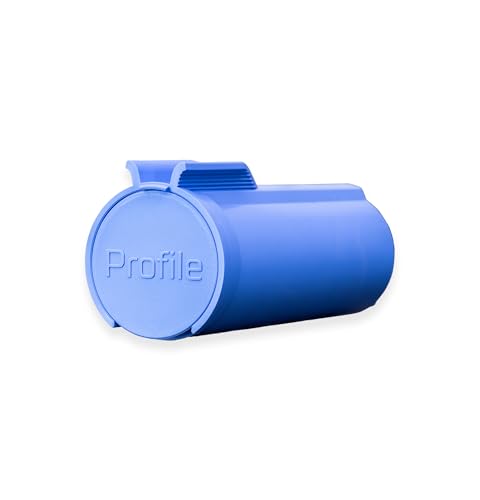
Replace the listed GE Profile Opal filters approximately every three months for best results, as their product descriptions advise. The scale-inhibiting version is specified for certain full-size Opal models, so verify your model number before ordering. A compatible cartridge and timely replacement help keep maintenance straightforward.
Can I install an inline filter without cutting the water line?
Yes, the AQUA CREST 5 Years Capacity model includes compression and push-to-connect fittings and says installation can be done without cutting tubing. Fit depends on your line material and connection size, so check the included fittings before starting. Insert tubing fully as directed to help prevent leaks.
Are inline filters suitable for well water?
They may help with certain taste, odor, and suspended-particle concerns, but these products aren’t presented as complete well-water treatment systems. Test private well water and match treatment to the results, especially for iron, sulfur, or other specific issues. For RV installation context, see the safe water-filter replacement guide for general cartridge handling, while following your appliance instructions for the ice maker.




Write Your Review
No reviews yet. Be the first to share your experience!