


Chlorine taste and mineral buildup can dull a good espresso
A sharp chlorine note can linger in espresso, while mineral deposits may build up inside a machine over time. A correctly matched reservoir filter can help reduce certain tastes and odors, and some models use resin to address hardness. The best water filters for espresso machines in this roundup cover several machine brands, so check the model number and filter holder before ordering. Compatibility is the first thing to get right; a filter that does not fit cannot do its job.
Product specifications point to different maintenance needs: some options call for replacement every couple of months, while others state a monthly interval or a limit based on tank refills. Those schedules are not interchangeable, and local water hardness can affect how quickly scale develops. This comparison focuses on listed media, fit, and replacement guidance rather than unsupported claims about contaminant removal. For a broader look at household water treatment, see this guide to a non-RO water purifier for home use or the practical overview of installing an inline RV water filter.




FAQs
Do espresso machine water filters soften hard water?
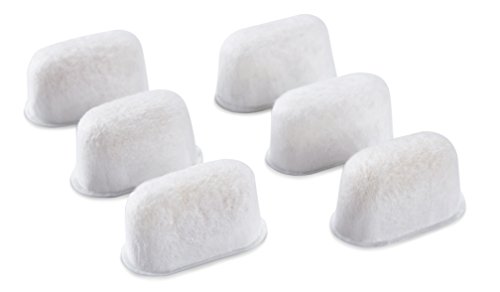
Some do, but not all. The Geesta Breville replacement uses ion-exchange resin, which its product details say softens hard water; activated charcoal options primarily target chlorine taste, odors, or impurities. Check the specific filter’s media and your machine manual before buying.
How often should I replace an espresso machine filter?
Follow the schedule stated for your specific filter and machine. Listed guidance ranges from monthly replacement for one DeLonghi-compatible multipack to about every two months for several options, with some Breville-compatible filters citing tank refills. Hard water may call for closer attention to the manufacturer’s instructions.
Will a Breville filter fit every Breville espresso machine?
No. Compatibility depends on the machine model and sometimes its production batch. For example, the listed Breville BWF100 filter specifies certain models and batch cutoffs, so compare the exact model number with the product listing before purchase.
Can a charcoal filter prevent limescale buildup?
Not necessarily. Charcoal is described for reducing chlorine, odors, and some impurities, while resin or ion-exchange filtration is more directly associated with reducing hardness minerals. Some product descriptions also claim scale protection, but a reservoir filter does not replace descaling when your machine instructions call for it.
Are compatible replacement filters equivalent to the machine brand’s filter?
They may fit specified models, but compatibility alone does not establish identical materials or performance. Compare the stated media, installation steps, and replacement schedule, and use the manufacturer filter if your machine instructions require it. For more filter-care context, see this guide to removing an old water filter safely.
Do these filters remove lead or make water safe to drink?
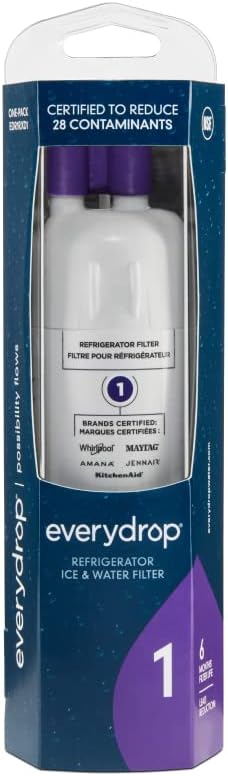
Do not assume so. The listed product details do not establish universal lead reduction or drinking-water safety, and the KitchenAid description notes that listed contaminants may not be present in every water supply. Check the manufacturer’s specific claims and use a suitable independently verified treatment if you need reduction of a particular contaminant.



Write Your Review
No reviews yet. Be the first to share your experience!