

Shin splints, sore feet, and constant tripping over your own toes. That’s what happens when you wear the wrong footwear for jump rope and running. Whether you’re training for a 5K or just trying to get your heart rate up in the backyard, having the right shoes can make or break your workout. The best shoes for jump rope and running need to handle impact, provide lateral stability, and keep your feet comfortable mile after mile. We’ve dug into six options from brands like Jump99, RENPHO, and SPORTBIT, plus some barefoot and orthopedic picks, to help you find the right pair. If you’re also dialing in your rope length, check out our guide on best jump rope length to avoid frustration. From plyometric trainers to minimalist sneakers, we’ve got you covered.

Pros
- Ultralight footprint under one pound makes them effortless to pack for multi-day treks
- Spacious toe box design relieves trail fatigue and promotes natural foot alignment
- Grippy rubber outsole offers traction on damp campsite terrain and slick river rocks
- Sock-like collar enables rapid slip-on convenience when stepping out of a tent at night
Cons
- Minimalist thin sole provides zero rock plate protection on sharp backcountry scree
- Fabric upper lacks heavy-duty water resistance against cold downpours or deep mud
- Lack of rigid ankle support makes them unsuitable for carrying heavy expedition packs on rough trails
The AIRHAS Men's Barefoot Shoes represent a practical solution for outdoor enthusiasts seeking lightweight, minimalist footwear for trail recovery and campground comfort. Designed with a true zero-drop profile and an anatomical wide toe box, these shoes allow your feet to move, splay, and recover naturally. For hikers, backpackers, and river trekkers, carrying a dedicated pair of camp shoes often feels like a luxury, but the collapsible profile and featherlight build of this model make it an accessible luxury that easily earns its spot in any gear bag.
This footwear is particularly well suited for backpackers, thru-hikers, car campers, canoeists, and weekend adventurers. After trekking for miles in stiff, heavy hiking boots with rigid shanks, sliding into a flexible barefoot shoe gives tired arches and cramped toes immediate relief. Car campers and festival goers will appreciate the slip-on convenience around camp chairs and folding tables, while kayak and beach campers benefit from the quick-drying, breathable construction during warm weather outings along the water.
In terms of campsite performance, the thin, flexible rubber outsole provides solid grip across a variety of terrains, from dusty tent pads and slick river stones to damp pine needles around the fire ring. The zero-drop architecture positions your heel and forefoot level with the ground, promoting natural posture and balance while gathering firewood or setting up camp tarps. With an optional wide toe box cut, your toes are never compressed, which helps reduce hot spots and promotes healthy circulation after grueling uphill climbs.
Build quality focuses on flexibility and practical outdoor handling. The tongue-free, sock-like collar paired with a sturdy heel pull loop makes stepping out of the tent in the dark fast and hassle-free, eliminating the need to fumble with intricate laces. A seamless interior layer allows comfortable barefoot wear without socks, while the dual-mode configuration lets you keep the removable insole for light cushioning or pull it out entirely for maximum ground feedback and faster drying times. Weighing under a pound for the pair, they compress completely flat to slide into exterior backpack mesh pockets or crowded dry bags.
While these barefoot shoes excel at camp lounging and casual stream crossings, realistic outdoor limitations exist. The minimalist rubber sole purposefully lacks a puncture-resistant rock plate or thick midsole foam, meaning sharp shale, pointed roots, and jagged backcountry scree will be felt directly through the footbed. They are not engineered to replace supportive hiking boots when hauling forty-pound packs over rugged mountain passes, nor are they insulated for freezing mountain nights or heavy snow conditions.
For backpackers searching for an ultralight camp shoe, weekend car campers who want an easy slip-on around the site, or active travelers wanting a compact backup shoe, the AIRHAS barefoot model delivers dependable utility. It strikes a balanced blend of trail recovery comfort, reliable traction, and packable convenience, making it a smart addition to your outdoor sleep and shelter kit.
Weighing under nine-tenths of a pound for the pair, these minimalist shoes add negligible weight to your overall pack base weight. Their pliable rubber soles and soft fabric uppers allow them to roll or fold nearly flat, taking up virtually no volume in your backpack, dry sack, or duffel bag.
Hikers can easily lash them to the outside of a multi-day pack using compression straps or carabiners for quick access when arriving at camp or encountering unexpected river fords. Car campers and road-trippers will also find them easy to tuck into door pockets or glove compartments as ready-to-go campsite footwear.
Maintaining these minimalist shoes after muddy outdoor adventures is straightforward. Remove the insoles and hand rinse the shoes in cold or lukewarm fresh water to flush away fine silt, river sand, and campsite mud.
Air dry the shoes thoroughly in a shaded, well-ventilated spot rather than placing them directly next to roaring campfire embers or high-heat camp stoves, as excessive heat can compromise the bonded rubber sole and synthetic upper materials.

Pros
- Extremely lightweight and compact for backpacking, RVing, or car camping gear bags
- Simple sizing system allows quick cord trimming without specialized crimping tools
- Sweat-resistant, non-slip handles provide dependable grip in hot or humid weather
- Flexible wire-free cord will not coil awkwardly or kink inside crammed gear sacks
Cons
- Lightweight plastic cord may show rapid wear if repeatedly skipped on rough, jagged gravel
- Once trimmed with scissors, the cord length cannot be lengthened for taller users
- Does not include weighted handle inserts for heavy resistance training
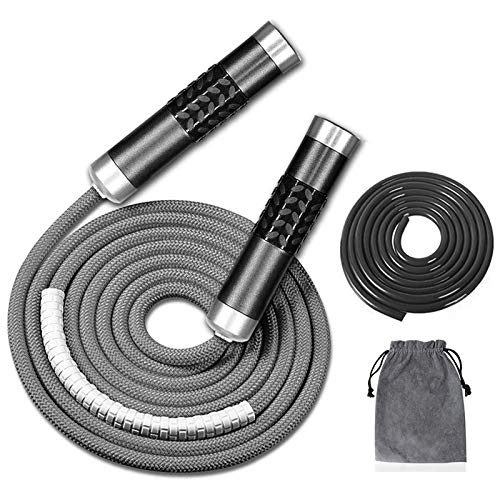
The SPORTBIT Adjustable Jump Rope serves as an ultralight, packable fitness accessory designed for athletes, backpackers, and campers who want to maintain cardiovascular conditioning outside traditional gym settings. For hikers prepping for strenuous elevation gains or overlanders living out of a vehicle for weeks at a time, carrying bulky exercise gear simply is not feasible. This lightweight speed rope delivers a compact conditioning solution that coils neatly into a daypack, car glove compartment, or dry bag without adding noticeable bulk to outdoor gear setups.
This speed rope is especially suited for solo adventurers, trail runners, weekend warriors, and RV travelers who prioritize an active routine during extended road trips. Budget-conscious outdoor enthusiasts will appreciate the straightforward design, while family campers can easily adapt the rope for kids or adults at the campground. Whether you are warming up muscles at dawn before hitting a steep mountain trail or getting a quick heart-pumping session outside your tent, it fits naturally into an outdoor lifestyle.
Performance in outdoor environments depends on adaptability and resilience, and this model handles typical campground terrain effectively. The 118-inch cord length accommodates users of virtually any height, allowing for quick sizing with standard camp scissors. Because it lacks rigid internal steel wires, the rope avoids permanent bends or awkward kinks after being compressed inside a stuffed pack. The 360-degree rotating handles facilitate smooth, fluid rotations, helping to minimize wrist fatigue whether skipping on packed campsite dirt, picnic pavilion concrete, or grassy meadows.
Built with washable, sweat-resistant 4.8-inch handles, the grip remains secure even during humid summer heat or sweaty post-hike conditioning. The synthetic non-slip handle surface resists moisture, mud, and trail dust, making cleanup as simple as wiping it down with a damp towel or rinsing it under a camp spigot. The absence of metallic internal hardware also means campers do not have to worry about rust or corrosion after exposure to morning dew, sudden mountain rainstorms, or coastal salt air during beach camping trips.
There are practical trade-offs to keep in mind when exercising outdoors with this equipment. While the flexible, wire-free cord provides a forgiving touch if it accidentally catches your shins, it is relatively lightweight, which may require extra cadence control in gusty winds. Additionally, repeated skipping on rough, abrasive surfaces like sharp river stones or coarse campsite gravel can accelerate exterior cord scuffing over time. Selecting a flatter patch of grass, packed earth, or setting it down over a portable camp mat will extend its overall lifespan considerably.
For backpackers keeping their pack weight low, overlanders building a compact mobile fitness kit, or campers looking for simple recreation around the campsite, the SPORTBIT Adjustable Speed Jump Rope delivers solid utility and packability. It rolls down to practically nothing, withstands damp outdoor environments without rusting, and provides a dependable full-body workout wherever you pitch your tent.
When preparing for outdoor adventures, every cubic inch of gear storage matters. The SPORTBIT speed rope weighs only a fraction of an ounce, making it one of the lightest conditioning tools you can add to a backpacking pack or travel duffel. It folds compactly into pocket-sized dimensions without requiring bulky protective cases.
Because the flexible cord lacks stiff wire cores, it resists memory retention and will not lock into stubborn coils after days spent tightly rolled inside a stuff sack. Campers can stash it directly alongside sleeping pads, hammocks, or camp kitchen kits without worrying about sharp metal ends snagging delicate nylon tent fabrics.
Maintaining this jump rope in outdoor environments requires minimal effort. After a dusty workout session at the campground, simply wipe the plastic handles and cord with a moist cloth or rinse them using clean camp water to remove grit and sweat residue.
Store the rope away from direct, prolonged midday sunlight when not in use to preserve the cord flexibility and prevent UV degradation. Avoid storing it loose next to unsheathed camp knives, axes, or sharp tent stakes that could nick the cord material.

Pros
- Compresses nearly flat to take up minimal space in a backpack or camp bin
- Anatomical wide toe box gives tired feet room to spread out and relax after hiking
- Flexible zero-drop sole supports natural foot articulation around the campsite
- Slip-on build with rear pull loop makes midnight tent exits quick and simple
Cons
- Ultra-thin sole offers no puncture resistance against sharp thorns or jagged rock edges
- Lightweight fabric upper lacks water resistance during wet or muddy camp conditions
- Bright white colorway readily shows dirt, campfire ash, and trail dust
The AIRHAS Men's Barefoot Shoes deliver a low-profile, zero-drop design tailored for natural foot movement, making them a practical addition to any outdoor packing list as a dedicated camp shoe or lightweight travel sneaker. Backpackers, hikers, and car campers regularly encounter fatigued, swollen feet after navigating rugged trails in stiff, heavy boots. For solo adventurers, weekend warriors, festival goers, and budget-conscious campers, slipping into a flexible shoe that allows your feet to breathe and recover around camp without monopolizing precious pack space is a major benefit.
When evaluating campsite performance, these minimalist shoes provide grounded stability on level dirt clearings, packed fire roads, and river banks thanks to their thin, flexible rubber outsoles. The zero-drop orientation maintains equal height between heel and forefoot, encouraging natural spinal alignment and balance while you gather firewood, prepare meals over the camp stove, or secure tent stakes before sunset. While they lack the rigid rock plates found on technical trail boots, they deliver the tactile flexibility needed to let foot muscles flex and relax after hours of constriction.
Regarding build quality and functional design, the shoe features a breathable sock-style knit upper engineered without an independent tongue, avoiding pressure points across the instep. A sturdy heel loop makes sliding the shoes on and off fast and seamless when moving between the tent interior and the campsite. The anatomical toe box gives your toes plenty of room to splay naturally, which prevents the rubbing common in tapered sneakers. Additionally, the dual-wearing configuration allows you to keep the thin insole for slight cushioning or remove it entirely to walk directly on the smooth internal footbed for a full barefoot experience.
Packability is a major consideration for backcountry explorers, and these shoes weigh under a pound for the pair, allowing them to tuck into an exterior mesh pocket or slide flat beneath a sleeping pad. Keeping them clean around camp is straightforward, as the synthetic knit can be rinsed and air-dried quickly after exposure to dusty trail paths. While the crisp white fabric will naturally pick up dirt and campfire ash faster than darker shades, regular spot cleaning helps keep them looking fresh across seasonal adventures.
These barefoot sneakers are not intended for technical mountain scrambling, heavy pack hauling, or freezing weather, but they excel as secondary footwear for relaxing at the campsite, strolling around festival grounds, and traveling between outdoor destinations. For hikers needing lightweight foot relief after untying heavy hiking boots, this minimalist design offers a practical and budget-friendly footwear upgrade.
Weighing under 0.9 pounds for the pair, these minimalist shoes solve the classic backpacker dilemma of finding comfortable camp footwear without adding unnecessary pack weight. Unlike bulky sandals or heavy foam clogs, these flexible shoes pack nearly flat against your gear or slide neatly into an exterior water bottle sleeve.
For car campers and overlanders organizing gear inside tight storage totes, the pliable rubber sole can be rolled or compressed without losing its shape, ensuring reliable secondary footwear is always ready for campfire duty.
Stepping out of heavy, waterproof hiking boots at the end of a long trek brings instant relief, but walking barefoot on rough campsite ground is rarely safe. The wide anatomical toe box in these sneakers gives your toes complete freedom to splay out, helping ease pressure points and reduce foot fatigue accumulated on the trail.
The tongue-free design acts like a supportive sock that slips on smoothly when you need to make a quick trip outside the tent at night. Whether worn with lightweight merino wool socks or completely barefoot, the seamless interior prevents chafing during relaxed campsite activities.

Pros
- Weighs under three quarters of a pound, making it easy to toss into travel duffels or hiking packs
- Durable steel wire core resists twisting and spins smoothly on flat campsite surfaces or tent footprints
- Clear LCD readout on the handle lets you monitor skips directly without constantly checking a phone
- Straightforward cable adjustment fits both adults and kids around the campsite
Cons
- Skipping on rough campground gravel or sharp granite can wear down the protective outer PVC coating faster
- Handle housing and electronics are not waterproof against sudden rainstorms or wet grass drops
- Syncing full workout analytics requires smartphone battery power when camping off-grid
Staying trail-ready requires consistent cardiovascular conditioning, and the RENPHO Smart Jump Rope provides outdoor enthusiasts with a lightweight training solution that will not weigh down a gear bin. Whether you are preparing for a strenuous backcountry trek with heavy elevation gains, stretching your legs at a state park campsite, or living on the road in an RV, this smart skipping rope serves as a portable workout station that operates in any cleared clearing or campsite pad.
This compact fitness tool suits hikers, backpackers, trail runners, and car campers who want to maintain lower leg stamina, ankle stability, and lung capacity between mountain trips. It also serves as an efficient warm-up tool on brisk mornings around basecamp before strapping on heavy hiking packs or setting off on long day hikes.
At the center of the rope is a 9.85-foot steel wire core protected by a flexible PVC sheath. This design promotes smooth, fast rotations while resisting kinks even after being tightly rolled into a backpack pocket. When used on wooden campground platforms, picnic pads, rubber camp mats, or level packed dirt, the cable provides reliable speed without bunching. However, skipping on abrasive granite, jagged river rocks, or cracked asphalt will accelerate wear on the outer plastic coating, making smooth surfaces the better choice.
The lightweight ABS handles feature an ergonomic EVA foam wrap that absorbs palm sweat and maintains a reliable hold during high-intensity training. Embedded inside is a responsive sensor system with three Hall sensors that track each rotation, feeding skip counts and elapsed time directly to an integrated LCD screen on the primary handle. For outdoor athletes who carry portable power stations or battery banks, the device links via Bluetooth to the Renpho Health application to track periodic progress and estimated calorie burn.
While the mechanical components withstand typical outdoor use, the electronics inside the handle require sensible weather protection. The unit is not waterproof, meaning it should be stowed inside a dry bag or internal pack sleeve to protect the display and battery compartment from morning dew and sudden downpours. Additionally, backpackers operating far off-grid without spare battery power for their phones can simply rely on the onboard handle screen rather than live app tracking.
For outdoor adventurers seeking an affordable conditioning accessory that takes up almost no space in a camp duffel, this smart rope offers practical value. It delivers a fast, lung-burning workout anywhere from the backyard to a dispersed wilderness campsite, helping hikers maintain the aerobic base needed for challenging trails.
Weighing less than three quarters of a pound, this jump rope packs down smaller than a standard water bottle, making it easy to store in a camp kitchen tub, camper van drawer, or backpack lid pocket. The lightweight foam handles and flexible cable prevent bulky clutter among your outdoor equipment.
Setting up a workout at camp requires minimal space, needing only a level patch of ground clear of low-hanging tree branches and guyline trip hazards. It serves as a rapid way to elevate heart rates and stay active during multi-day campouts without requiring bulky weights or specialized fitness machinery.
To protect the steel core and PVC coating from premature abrasion, avoid using the rope directly over sharp stones, coarse gravel, or rough asphalt. Rolling out a small ground tarp, foam sleeping pad, or using a flat camp deck extends the life of the cable considerably.
Wipe the foam grips and digital handle dry after sweaty workouts, and avoid exposing the handles to heavy rain or wet ground. Store the rope loosely coiled inside a protective stuff sack to prevent crimping and ensure smooth rotations on your next outdoor workout.

Pros
- Targets calf muscles and fast-twitch fibers to assist with trail conditioning and steep climbs
- Durable outer sole provides dependable grip on outdoor asphalt, tracks, and hard gym surfaces
- Secure lace-up construction keeps the foot locked in place during explosive movements
- Compact enough to store in a gym bag, vehicle trunk, or basecamp gear tub
Cons
- Elevated forefoot design feels unnatural initially and requires a careful break-in period to avoid calf strain
- Intended strictly for structured athletic workouts rather than everyday trail walking or camp lounging
- Noticeably heavier and stiffer than standard lightweight running shoes
The Jump99 Ultra Strength Plyometric Training Shoes are a specialized piece of conditioning footwear engineered to elevate vertical leap, sprint acceleration, and lower-body explosive power. Unlike traditional running shoes or trail footwear, this training tool utilizes an elevated forefoot platform that forces the user to remain off their heels. While originally designed for basketball and track athletes, this platform makes an intriguing cross-training asset for hikers, mountain hunters, backpackers, and outdoor enthusiasts who need exceptional calf stamina and Achilles resilience for hauling heavy loads up steep mountain passes.
For adventurers gearing up for multi-day backpacking trips through the Rockies, rugged trail running, or backcountry hunts, lower-body stamina is everything. Based on product specifications, these shoes isolate the calves, Achilles tendons, and fast-twitch muscle fibers by eliminating heel contact during drills. Training with this elevated platform can help build reactive power and ankle stability, which may translate directly to better balance when stepping over roots, loose scree, and river stones on technical trails.
The build quality focuses on standard athletic materials capable of withstanding repetitive impact. Featuring a resilient synthetic upper with reinforced overlays, the shoe resists scuffs from turf and pavement during sprint work. The heavy-duty rubber outsole provides sufficient traction for dry outdoor training surfaces such as school tracks, asphalt driveways, and concrete pads. The traditional lace-up system works alongside a padded tongue and ankle collar to keep the heel seated, reducing internal friction during aggressive bounding drills.
Using the Jump99 shoes requires a sensible, gradual approach. Because the design places constant tension on the calves, new users should introduce them with short five-minute to ten-minute drill sessions rather than extended workouts. They pack neatly into any standard gear duffel or car camping tote, making it easy to squeeze in a conditioning workout at a state park parking lot or campsite clearing before settling in around the campfire.
A clear limitation of these shoes is their hyper-specific utility. They are not built for hiking on rocky trails, jogging long distances, or relaxing around the campsite after pitching your tent. Wearing them casually or on slick, muddy terrain is neither safe nor intended. However, for fitness-focused campers, weekend warriors, and backpackers preparing their legs for brutal elevation gains, the Jump99 shoes provide a targeted training platform to build the explosive power and calf endurance needed for the backcountry.
Preparing your legs for steep trail climbs often requires more than just standard walking. The elevated forefoot platform on the Jump99 shoes focuses pressure on the gastrocnemius, soleus, and Achilles tendon, simulating the intense calf strain experienced when ascending steep inclines with a loaded backpack. Integrating short plyometric jumps and sprint drills can help condition your legs against premature trail fatigue.
Developing reactive strength in the lower leg also supports overall joint stability. Backpackers navigating loose gravel, slippery granite slabs, or uneven forest paths rely heavily on fast-acting stabilizer muscles around the ankle. Used responsibly on flat surfaces, these training shoes can serve as an effective cross-training tool during the off-season to prepare outdoor enthusiasts for demanding summer treks.
Caring for these training shoes is straightforward thanks to the synthetic upper and solid rubber construction. After outdoor training sessions on dirt, asphalt, or damp turf, wipe the exterior with a damp cloth and mild soap to remove grime. Avoid submerging the shoes in water or using harsh detergents that could degrade the adhesive layers beneath the forefoot platform.
Allow the shoes to air dry thoroughly in a shaded, well-ventilated space away from direct heat sources such as camp stoves or open campfires. Storing them in a dry duffle bag or vehicle gear tote will keep the materials supple and ready for your next conditioning session.

Pros
- Substantial arch support and heel cushioning provide noticeable relief after hours of outdoor activity
- Convenient slip-on design makes quick exits from sleeping bags and tents hassle-free
- Lightweight, breathable materials dry relatively quickly and prevent overheating in warm weather
- Textured traction pattern handles packed dirt trails, gravel campsites, and pavement with ease
Cons
- Upper mesh fabric is not waterproof and will soak through in wet grass or sudden rain showers
- Lacks the ankle stability and heavy rock plates required for technical backcountry backpacking treks
- Slip-on profile may feel tight across the instep for individuals with high-volume or very wide feet
The OrthoComfoot Women's Orthopedic Walking Shoe is designed to bridge the gap between everyday athletic comfort and practical outdoor camp functionality. For outdoor enthusiasts who spend active days on their feet, having supportive footwear at the campsite is just as crucial as having a durable tent or a reliable sleeping pad. This shoe serves primarily as an ergonomic camp shoe, casual trail sneaker, and post-hike recovery option tailored for women who experience heel pain, arch fatigue, or plantar fasciitis while exploring the outdoors.
This footwear option is best suited for car campers, RV travelers, weekend hikers, festival goers, and outdoor enthusiasts who need reliable comfort around basecamp. Backpackers finishing a strenuous multi-day trek often carry lightweight footwear to swap out heavy hiking boots, and this slip-on design offers a welcoming blend of relief and support. Solo adventurers and family campers will also appreciate having a shoe that slips on effortlessly without the hassle of untying wet or mud-caked laces outside the tent vestibule.
In terms of campsite and outdoor performance, the shoe focuses heavily on footbed alignment and traction on maintained paths. The integrated orthotic insoles distribute body weight evenly across the footbed, helping to minimize pressure points after miles of walking. The durable rubber outsole provides adequate grip on common campground surfaces such as packed earth, gravel pads, and wooden footbridges. Furthermore, the breathable mesh upper allows air to circulate freely, managing internal moisture buildup during warm summer camping trips or sunny walks through national parks.
Build quality centers around practical comfort, featuring an elasticized collar and a seamless interior lining that helps prevent friction hotspots and blisters. The lightweight outsole keeps packing weight minimal, making it easy to stow these shoes in the bottom of a gear duffel or the side pocket of a camp bag. While the materials are geared toward breathability and flexibility, the reinforced heel cup ensures the foot remains seated securely without slipping during movement.
A realistic limitation to keep in mind is that this shoe is not engineered for rugged alpine terrain or wet weather conditions. The breathable upper provides no waterproof barrier against morning dew, marshy terrain, or sudden downpours, and the lack of high-top ankle support makes it unsuitable for carrying heavy expedition packs over rocky trails. It is strictly meant for light trails, campground recreation, and comfortable travel rather than technical wilderness navigation.
For outdoor lovers searching for a dependable, supportive camp shoe that relieves plantar fasciitis and tired arches, this OrthoComfoot model delivers dependable everyday utility. It works wonderfully for RV road trips, weekend tent camping, casual state park explorations, and lounging around the fire ring after a long day in the woods.
The anatomical arch support in these sneakers is engineered to relieve tension across the plantar fascia, making them especially soothing after spending hours on uneven hiking paths. The deep heel cup cradles the foot to prevent excessive rolling and maintain natural alignment across varied terrain.
Inside the shoe, the seamless lining minimizes hot spots, which is a major advantage when walking around camp without thick wool socks. The elastic collar offers a snug hold around the ankle while accommodating foot swelling that often occurs after long days of summer hiking or travel.
To keep the breathable mesh upper and supportive insoles in top condition after dusty campground use, wipe away surface dirt with a soft damp cloth. Avoid submerging the shoes in water or using harsh detergent, as this can degrade the specialized orthotic cushioning.
Air dry the shoes in a well-ventilated, shaded spot rather than placing them directly next to a roaring campfire or under intense sun exposure, which can warp the lightweight midsoles. Removing the insoles between uses helps speed up drying after warm, sweaty walks.
Frequently Asked Questions
Are barefoot shoes good for jump rope and running?
Yes, but it depends on your training and foot strength. Barefoot shoes like the AIRHAS Men’s Barefoot Shoes (zero drop, wide toe box) can improve ground feel and strengthen foot muscles. For jump rope, they force you to land lighter, but the lack of cushioning may shock your joints if you’re not used to it. For running, they work best on short distances or for form-focused training. Start slow and consider mixing in more cushioned options for longer runs.
What’s the difference between plyometric shoes and regular running shoes?
Plyometric shoes, like the Jump99 Ultra Strength Plyometric Training Shoes, are designed with a raised heel that targets fast-twitch muscles for explosive jumps. They add 5-10 inches to your vertical leap by shifting your balance forward. Regular running shoes focus on heel-to-toe transition and cushioning for forward motion. For jump rope, plyometric shoes can boost your rebound, but they may feel unstable for long runs. Use them specifically for jump training and sprint drills.
Can I use a smart jump rope without a phone?
Yes. The RENPHO Smart Jump Rope has an LCD display on the handle that shows skip count, time, and calories without needing the app. The three modes (free jump, time countdown, number countdown) work independently. The app just adds deeper data analysis and history tracking. So you can skip right out of the box.
What features should I look for in the best shoes for jump rope and running?
Look for a balance of cushioning and responsiveness. Key features include: zero drop or minimal heel-to-toe offset for jump rope control, a wide toe box for toe splay, good lateral support for side-to-side moves, and durable outsoles for rope contact. Arch support matters if you have plantar fasciitis or flat feet. The OrthoComfoot Women’s Orthopedic Tennis Shoes offer orthotic insoles and arch support for pain relief. Also consider weight – lighter shoes are better for speed work.
Is a cheap jump rope like the SPORTBIT worth buying?
Absolutely. At under $6, the SPORTBIT Adjustable Jump Rope is a solid budget option. It’s 118 inches long (adjustable with scissors), has 360-degree spinning handles, and is sweat-resistant. Perfect for beginners or as a backup rope. It won’t have the app connectivity or built-in sensors of pricier ropes, but for basic cardio and agility work, it gets the job done. Just note that it’s a speed rope, so it’s not ideal for weighted training.
How do I choose between zero drop and traditional shoes for jump rope?
Zero drop shoes (like AIRHAS) keep your foot flat, which mimics barefoot running and helps with posture and balance. They’re great for jump rope because they encourage a forefoot strike. Traditional running shoes have a higher heel drop (8-12mm) that eases heel-to-toe transition. If you’re used to cushioned runs, zero drop may feel harsh initially. Try both types during your workout – many jump rope athletes prefer zero drop for the ground connection, but those with Achilles issues may need a small drop.
Can these shoes also be used for hiking or walking?
Some can. The AIRHAS barefoot shoes are versatile for gym, walking, and daily wear thanks to their zero-drop design and grippy sole. The OrthoComfoot shoes are designed for walking and tennis too, with arch support and slip-on convenience. However, the Jump99 plyometric shoes are specialized for jump training and not ideal for hiking. For longer walks or hikes, look for models with more traction and cushioning. Staying hydrated on the trail is just as important – check out our guide on best hydration powder for daily use to keep your energy up.




Write Your Review
No reviews yet. Be the first to share your experience!