


Sharp chlorine odor and a chemical edge in bath water can make a relaxing soak feel less pleasant. The best tub water filters in this roundup attach to compatible tub spouts and are designed to reduce selected impurities, especially chlorine and related odors. Product claims vary, so check the stated filtration media, capacity, faucet fit, and replacement guidance instead of assuming every model addresses the same water concerns.
Options here range from compact hanging filters to models with overflow or splash-control features. Several list a 2,500-gallon capacity, while others claim up to 3,000 gallons; those figures are manufacturer specifications, and actual service life can depend on water conditions and use. This comparison focuses on practical details such as ABS construction, installation hardware, media, and upkeep. If your concern involves drinking water rather than bathing, see this guide to non-RO water purifiers for home use, or review this overview of inline water filter installation.


FAQs
Do tub water filters remove hard-water minerals?
No, not necessarily. Some listings describe their filters as softening hard water, but the supplied specifications do not establish a measured hardness reduction or conventional water-softening performance. Check the manufacturer’s claims and consider a water test if mineral scale is the main problem.
Which filter media helps reduce chlorine odor in bath water?
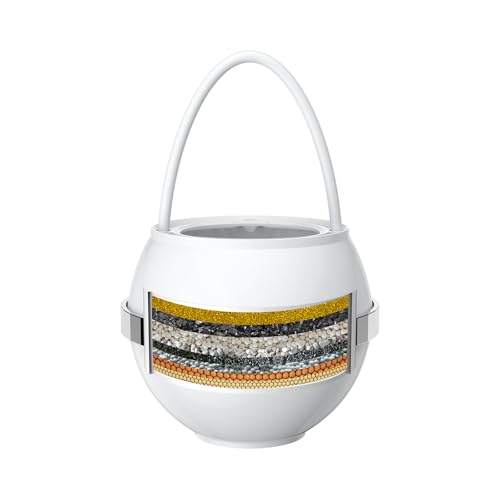
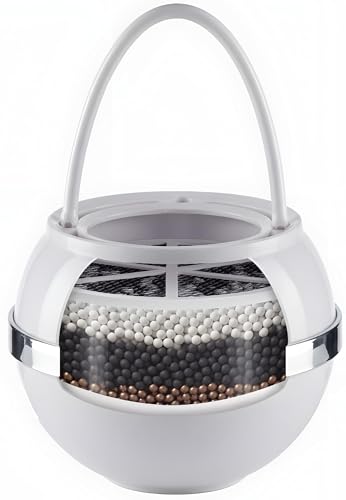
Activated carbon and KDF-55 are listed in some models as media intended to help reduce chlorine or odor. The Luxice filter specifies both, while HOPOPRO lists activated carbon, KDF, and calcium sulfite in its 8-stage design. Results depend on water conditions and use, so treat these as product claims rather than guaranteed removal rates.
How often should a bathtub filter cartridge be replaced?
Follow the specific model’s instructions and capacity claim. Several filters list 2,500 gallons, while Luxice and JDO list up to 3,000 gallons; Santevia describes a service life of two months or 4,755 gallons. Actual life varies with water quality and bathing habits, so track use and inspect the manufacturer’s replacement guidance.
Will a hanging bath filter fit every tub faucet?
No, universal fit should not be assumed. Many models include adjustable cords, straps, or interchangeable handles, but spout shape and clearance still matter. Check the product’s compatibility notes before buying, especially for unusual or enclosed faucet designs.
Can tub filters reduce lead or fluoride?
Some product descriptions claim reduction of lead, fluoride, or other contaminants, but the supplied details do not include independent test results or certification data. Confirm the exact contaminant claim for the model you are considering. A bath filter should not replace appropriate drinking-water treatment or a water-quality assessment.
Are these filters suitable for baby baths and sensitive skin?
Several listings market their filters for family or baby bathing and describe chlorine reduction. That does not establish medical benefits or guarantee suitability for every skin condition. Ask a healthcare professional about persistent irritation, and consult the water filter replacement and removal guide for general maintenance context.
Does a tub filter slow the water flow?
It can vary by design, faucet flow, and how water passes through the media. JDO lists a wide opening and a stated flow capacity, but that manufacturer figure does not guarantee the same fill time in every bathroom. Check for overflow guidance and keep the filter seated securely while filling the tub.


Write Your Review
No reviews yet. Be the first to share your experience!