
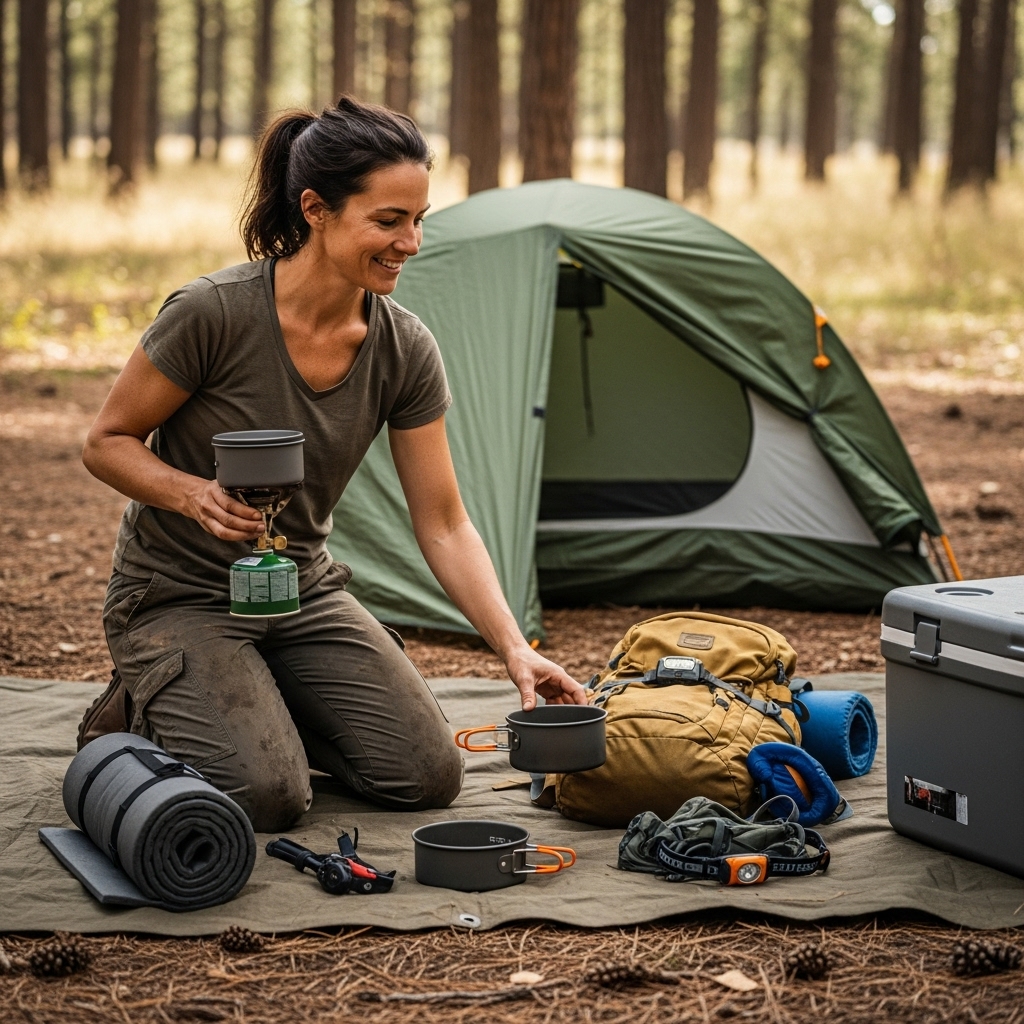

Sharp chlorine taste or grit in a campground hookup can make filling your caravan’s tank less appealing. The best water filter for caravan use depends on your water source, how much filtration you want, and whether you need a quick hose attachment or a larger multi-stage setup. Carbon and KDF inline filters in this lineup focus on reducing taste, odor, and sediment, while some systems add finer filtration stages and specified flow figures.
After carefully analyzing the listed specifications and manufacturer claims, we’ve included options ranging from simple hose filters to portable multi-stage systems. Check micron ratings, connection sizes, stated capacity, and replacement needs against your own hookup and water conditions. A taste-and-odor filter is not a universal purifier, so don’t assume it removes every contaminant or makes untreated water safe. For setup pointers, see this guide to installing an inline RV water filter.

Pros
- GAC and KDF media work together to reduce chlorine and keep stored filters fresher between camping trips
- Includes a flexible hose protector that prevents awkward hose kinks at crowded campground pedestals
- Maintains high water flow rate for speedy tank fills and consistent camp sink pressure
- Independently tested and certified lead-free to strict NSF standards for peace of mind
- Made in the USA with sturdy, UV-resistant exterior plastic housing
Cons
- Not rated for untreated backcountry wilderness water sources containing giardia, cryptosporidium, or raw organic matter
- Requires periodic replacement each camping season to maintain optimal flow and filtration efficiency
- Adds physical length to the campground spigot setup, which may require careful positioning on low-clearance hookups
The Camco Tastepure RV Inline Water Filter (40043) is an external inline filtration system engineered to purify potable water before it reaches an RV holding tank, camp kitchen, or drinking water container. Featuring an integrated 20-micron sediment barrier, Granular Activated Carbon (GAC), and Kinetic Degradation Fluxion (KDF) filtration media, this inline cartridge targets the most common water quality issues found at public campgrounds, state parks, and RV resorts. It is tailored for RV campers, travel trailer owners, overlanders, family campers, and tailgaters who need reliable access to clean, palatable water wherever a standard hose bib is available.
Campground water supplies often carry noticeable chlorine tastes, sulfur smells, sediment, or mineral cloudiness that can spoil your morning coffee and leave residue in camp cookware. Based on product specifications, the Camco Tastepure utilizes a 6-step Hex-Flow filtration process that efficiently reduces foul tastes, odors, and chlorine. The internal 20-micron sediment filter stops rust flakes, sand, and fine silt from entering RV plumbing lines or clogging camp sink aerators. Meanwhile, the wide-body canister design keeps water moving smoothly, preventing frustrating pressure drops when filling large 30-gallon freshwater tanks or running outdoor showers.
Durability and safety are standout aspects of this filtration unit. Made in the USA, the housing is constructed from robust, lead-free plastic and is independently certified to NSF/ANSI 42, 53, and 372 standards. A practical feature included in the package is the reinforced flexible hose protector. Attaching this spring-wrapped extension to the campsite spigot prevents tight hose bends, stops kink-induced flow restrictions, and relieves mechanical strain on the faucet threads, ensuring reliable operation throughout windy weekends and extended stays.
Setting up and maintaining the filter is straightforward. Campers simply attach the flexible protector to the campground spigot, thread the Tastepure filter in the direction of the water flow arrow, and attach a drinking-water-safe hose to the output end. Flushing the unit for thirty seconds clears any loose carbon dust before connecting it to your vehicle or hydration jug. Between camping trips, the integrated KDF media helps inhibit bacteria and mold growth inside the damp cartridge, making storage in a camp tote or RV pass-through compartment worry-free.
While this inline filter excels at treating municipal and regulated campground water, it is not designed to filter raw, unchlorinated backcountry water from mountain streams, lakes, or stagnant puddles that may contain dangerous microbiological cysts or viruses. Backpackers and primitive wilderness campers will still require a dedicated microfilter or chemical purifier. For weekend warriors, seasonal RVers, road-trippers, and car campers hooking up to park utilities, the Camco Tastepure provides an affordable, highly effective way to guarantee fresh, odor-free drinking water at every campsite.
Installing the Camco Tastepure RV Inline Filter takes less than two minutes at any standard outdoor water hookup. Begin by screwing the flexible hose protector onto the campground faucet to prevent hose pinching and kinking. Attach the intake side of the filter cartridge to the protector, pointing the directional flow arrow toward your RV or water vessel. Before connecting your clean drinking hose to the outlet, run the water for approximately 30 to 60 seconds until the stream runs crystal clear, which purges excess loose carbon fines from the manufacturing process.
For optimal care between camping excursions, shake out excess standing water from the filter body and allow it to drain thoroughly. Replace the threaded end caps when storing the filter in an RV storage bay, gear tote, or garage to keep dirt, insects, and grit from entering the intake and outlet ports. Replace the filter at the start of every new camping season or whenever you notice a significant drop in flow rate or taste quality.

Pros
- Exceptional 20 GPM flow rate prevents water pressure drops inside RV plumbing fixtures
- Comprehensive package includes three filter cartridges, solid brass adapters, and maintenance tools
- Durable housing withstands high water pressures up to 125 psi for dependable leak prevention
- Detachable top handle makes it easy to transport and reposition between the campground hookup and RV bay
Cons
- Substantial 17 by 16 inch footprint occupies more storage space than slim inline cylinder filters
- Requires manual winterization and careful draining to prevent freezing damage in cold mountain weather
- Higher upfront investment compared to basic single-stage disposable carbon cartridges
Clean water is a top priority whether you are parked at a developed state park or boondocking with a travel trailer. The WLSINJL RV Water Filter System is a freestanding, multi-stage water purification setup built for travel trailers, motorhomes, overlanders, and extended family campers. Hooking up to campground spigots often introduces rust, heavy sediment, chemical odors, and high levels of chlorine. This system sits right between the park spigot and your camper freshwater inlet, giving RVers dependable potable water straight from the interior faucets.
Performance hinges on filtration capability and water volume, and this unit balances both effectively. The 5-stage setup pairs a high-performance sediment filter with an ultrafiltration membrane designed to capture fine particulates, eliminate foul tastes, and reduce heavy metals. Unlike narrow inline stick filters that frequently choke down flow, this system is rated for an impressive 20 GPM flow rate. That allows you to wash dishes at the galley sink while someone else showers without experiencing an annoying drop in cabin water pressure.
The structural construction reflects the demands of outdoor travel. Made from food-grade polypropylene, the heavy housing is pressure-tested up to 125 psi. This robust build handles the unexpected water surges and pressure spikes common at older RV parks. Brass adapters are included to bridge the 1-inch ports to standard 3/4-inch garden hose threads, preventing the plastic cross-threading issues seen with cheaper assemblies. A molded top handle makes it simple to pull the unit out of your gear pass-through and set it on the ground near the hookup post.
Routine operation and maintenance are straightforward. The package includes three filter cartridges, each rated for up to 3,000 gallons, which easily covers a typical outdoor camping season for weekend warriors or full-time road travelers. Swapping cartridges requires unscrewing the housing with the supplied wrench, taking off the protective plastic wrap from the new element, and securing the housing back over the leak-proof O-ring seal.
As with any substantial filtration station, there are a few practical considerations. Measuring 17 inches by 16 inches, the unit requires dedicated space in your camper basement or truck bed compared to tiny disposable inline filters. Campers venturing into sub-freezing mountain climates must also remember to drain the housing completely to prevent cracked canisters. For RVers, overlanders, and camping families looking to eliminate plastic water bottles and protect their camper plumbing from nasty municipal sediment, this high-flow system offers solid peace of mind on the road.
Setting up the WLSINJL filtration unit takes just a couple of minutes at the campsite. Simply connect your incoming drinking water hose to the brass 3/4-inch inlet adapter and run your secondary RV drinking hose from the outlet directly into your camper city water connection. Make sure to apply the included thread tape to all threaded brass connections to maintain a watertight seal under pressure.
When preparing camp for freezing shoulder-season trips, always shut off the supply, depressurize the lines, and unscrew the canister bowls using the provided wrench to drain standing water. Before installing any replacement cartridges, remember to completely peel away the protective outer plastic film to avoid blocking the water flow.
Campground water hookups frequently deliver inconsistent pressures that can rupture weaker filter setups. This unit features thick-walled polypropylene housings engineered to endure working pressures up to 125 psi, safeguarding against line spikes. Solid brass connector fittings resist the thread wear and corrosion often caused by repeated connections to metal campground hydrants.
The sturdy freestanding base keeps the filters upright and off the wet ground or gravel. Combined with an ergonomic detachable carry handle, the system transitions smoothly between campground hookups, trailer storage bins, and marina docks without putting strain on the plumbing fittings.


Pros
- Noticeably improves the smell and taste of heavily chlorinated or sulfur-heavy campground well water
- Included flexible hose protector prevents frustrating line kinks and reduces stress on plastic camper inlet valves
- Wide-diameter housing delivers reliable water pressure without choking flow during camp dishwashing or showers
- KDF media helps prevent internal mold and bacteria buildup when the filter sits unused between weekend getaways
Cons
- Requires a 30 to 60-second initial water flush before first connection to rinse away normal, loose carbon fines
- Larger XL cylinder diameter can feel bulky in tightly confined RV utility wet bays or low-clearance ground spigots
- Designed for seasonal replacement and cannot be backflushed or frozen with residual water inside
The Camco TastePURE XL RV Water Filter is an external inline filtration canister engineered specifically to address unpredictable water quality at public and private campsites. Designed with universal garden hose fittings, this filter threads directly between a standard campground water spigot and your dedicated drinking water hose, acting as a dependable first line of defense. By targeting both suspended particulates and chemical contaminants, it transforms questionable campground hookups into safe, palatable fresh water for cooking, drinking, and washing gear.
This inline filter is best suited for RV campers, travel trailer travelers, fifth-wheel owners, overlanders, van lifers, and car campers who rely on potable water hookups at state parks, private campgrounds, or rural locations. Campers who fill portable water jugs, off-grid water tanks, or pressurized outdoor sinks will also appreciate the straightforward design. Because it requires no tools or permanent plumbing modifications, it is equally practical for first-time camper owners and seasoned road warriors looking for dependable freshwater safety without an expensive onboard multi-stage setup.
Performance in real-world campsite environments centers on its multi-stage media composition. A 20-micron internal barrier catches sediment, silt, and rust flakes that often plague older campground piping, preventing buildup inside camper plumbing fixtures and water heater tanks. Beneath the sediment screen, Granular Activated Carbon (GAC) absorbs unpleasant odors, foul sulfur scents, and heavy chlorine, leaving water crisp and fresh. Simultaneously, Kinetic Degradation Fluxion (KDF) media acts as a bacteriostatic barrier, mitigating the growth of algae, bacteria, and fungus inside the damp filter bed when your rig sits parked between road trips. Despite its thorough filtration, the wide-body chamber ensures water flow remains strong enough for steady showers and rapid tank fills.
Build quality reflects Camco's standard for outdoor durability. Manufactured in the USA, the exterior casing uses thick, impact-resistant plastic designed to handle sun exposure and typical campground ground contact. The fittings feature standard garden hose threads with pre-installed rubber gaskets to maintain a watertight seal. A notable practical inclusion is the coiled steel-spring flexible hose protector, which threads onto the inlet to absorb tension and prevent high-pressure hoses from bending or pinching shut when suspended from low-mounted park spigots.
While this inline filter offers reliable performance, campers should be aware of a few practical handling requirements. Upon unboxing, loose carbon particles must be flushed out by running water through the unit for roughly 45 seconds before connecting it to your camper or storage tank. Additionally, the extra-large canister size adds slight bulk, which might require an angled brass elbow if your RV water connection compartment has limited clearance. The filter must also be protected from winter freezes and drained thoroughly before being stored in your gear tote or RV basement between outdoor excursions.
For family campers and weekend travelers seeking clean, trustworthy hydration across varying campground water sources, the Camco TastePURE XL delivers exceptional functional value. It combines certified lead-free materials, high-flow convenience, and proven chemical filtration into a cost-effective, plug-and-play accessory that keeps your camp kitchen running smoothly all season long.
Proper maintenance ensures the Camco TastePURE XL maintains optimal water flow and freshness across the entire camping season. Before connecting the filter to your RV freshwater inlet or drinking line for the very first time, attach it directly to the spigot and flush it for 30 to 60 seconds until the water runs completely clear. This brief flush rinses out normal, loose carbon dust produced during shipping and ensures your RV plumbing lines stay clear of fine carbon sediment.
When breaking camp, take a moment to disconnect the filter and gently shake out the trapped water from both ends. Storing the canister full of standing water for weeks in a warm camper compartment can degrade the carbon media prematurely. Once drained, store the filter in a cool, ventilated container or gear bin out of direct sunlight. Never allow the unit to freeze while damp, as expanding ice will crack the internal filtration media and damage the outer casing.
The Camco TastePURE XL comes packaged with an essential flexible hose protector, which features a durable inner hose wrapped in a heavy-duty steel spring coil. This accessory is specifically designed to eliminate sharp line bends and kinks right at the source, ensuring an uninterrupted flow rate even when heavy, water-filled hoses pull downward from elevated campground spigots.
In addition to maintaining smooth water delivery, the flexible extension relieves mechanical strain from your camper's exterior city water inlet. Repeated hose weight on plastic RV fittings can lead to loosened connections or hairline fractures over time, making this simple shock-absorbing connector a valuable safeguard for your camper exterior plumbing.

Pros
- NSF/ANSI certified for contaminant reduction, giving you peace of mind about water safety
- Easy to install – simply connect to your hose and RV or faucet – no tools required
- Made in the USA with high-quality materials and patented technology for reliable performance
- High water flow rate keeps your tank filling fast and your camp kitchen running smoothly
- Versatile enough for not just RVs but also boats, home gardening, pet water stations, and car detailing
Cons
- Designed for RV and hose use – not suitable for backpacking or hydration bladder systems due to size and weight
- Filters require periodic replacement (typically every 3-6 months) depending on water quality and usage
- The plastic housing may feel less premium than metal filters, though it is durable for typical camping conditions
When you are out camping in your RV or setting up a base camp for a weekend trip, having access to clean, safe drinking water is more than a convenience – it is a necessity. The Camco Tastepure RV Water Filter is built specifically for that purpose. This 2-pack of inline water filters uses a patented 6-step filtration process called Hex-Flow Technology to reduce chlorine, bad tastes, odors, sediment, and even control bacteria and mold growth when the filter is not in use. Whether you are filling your fresh water tank, hooking up a hose for your camp kitchen, or using it for your dog’s water bowl, this filter helps ensure what comes out is noticeably cleaner and better tasting.
The Camco Tastepure is ideal for RV campers, car campers, overlanders, and anyone who spends time in a vehicle or trailer. It is also great for boat owners, gardeners, and pet owners who want to remove the heavy chlorine taste from tap water. Because it connects to any standard garden hose, it works well for beach camping where you might hook up to a spigot, or for festival campers looking for better water quality at the grounds. However, this is not a backpacking water filter – it is designed for pressurized hose systems and is larger than portable pump or gravity filters, so it is best for car or RV-based adventures.
In terms of real-world performance, the filter’s 20-micron sediment layer catches sand and silt before they enter your RV’s plumbing, while the granular activated carbon (GAC) and KDF media reduce chlorine and other impurities. The wide-body design maintains a high flow rate, so you won’t be waiting forever to fill a tank or a pot. Many users report a noticeable improvement in taste and odor, especially if you are used to heavily chlorinated campground water. The filter is certified to NSF/ANSI 42 (aesthetic effects) and 53 (health effects), and is also CSA lead-free certified – so you can trust it meets strict safety standards. This is especially reassuring if you are bringing kids or pets along.
Build quality is solid: the housing is impact-resistant plastic, and the O-rings provide a leak-free seal when installed correctly. Being made in the USA with patented technology adds to the confidence. One practical note – you should flush the system for a few minutes before first use to purge any loose carbon dust. The filter works best when replaced every three to six months depending on how much you use it and the source water quality. The two-pack means you have a spare ready to go, which is handy for long trips or when you forget to order a replacement.
Setup is simple: screw the filter onto your hose (male to female threads) and connect the other end to your RV inlet or faucet. No tools or special brackets are needed. The filter hangs inline, so just make sure it is supported to avoid putting stress on the connections. The only limitation is that it is not designed for hot water or continuous pressure, so you will want to disconnect it when not in use or during freezing temperatures. Also, serious backcountry backpackers will want a lighter, pump-style filter for streams.
Overall, the Camco Tastepure RV Water Filter is a practical, affordable solution for cleaner water on your camping trips. If you travel with an RV, camper van, or even just use a hose at a campground, this filter can make a real difference in water quality and taste. The two-pack offers good value, and the independent certifications give you confidence. For any American camper who wants to avoid the chemical taste and uncertainty of campground water, this is a solid choice.

Pros
- Hands-free gravity filtration frees you up to pitch tents or cook meals while filtering water
- Generous 1.5-gallon water capacity reduces repetitive trips down to the creek or water source
- Dual-ended modular straw connects easily to gravity bags, squeeze pouches, and common threaded beverage bottles
- Activated carbon core improves backcountry water flavor compared to plain hollow fiber filters
- Inexpensive maintenance thanks to simple backwash capability using a standard water bottle
Cons
- Requires a sturdy elevated branch or hook to achieve optimal gravity-fed water flow
- Internal hollow fiber membrane must be protected from freezing temperatures once wet to prevent damage
- Hauling a completely full 1.5-gallon bag back to camp adds noticeable temporary weight
The Waterdrop Gravity Water Filter Straw System is an all-in-one outdoor water purification kit engineered to provide high-volume safe hydration in backcountry environments. Built around a 0.1-micron hollow fiber membrane paired with coconut shell activated carbon, this setup purifies water from natural lakes, creeks, and rainwater caches. Unlike standard inline straw filters that require hard manual suction, this system pairs the straw with an expansive 1.5-gallon gravity bag, transforming raw outdoor water into clean drinking water with hands-free operation.
This filtration setup is tailored for backpackers, family campers, solo adventurers, and survivalists who need a steady water supply without carrying heavy plastic bottles. Camp cooks and group leaders will find the high reservoir volume especially useful for boiling pasta, filling hydration bladders, and prepping morning coffee. It also makes an exceptional addition to home emergency preparedness kits, overlanding rigs, and off-grid bug-out bags where municipal water reliability might be suddenly compromised during severe storms.
In field conditions, performance centers on the impressive 700 ml per minute flow rate and multi-stage filtration mechanics. The 0.1-micron ultrafiltration barrier removes common waterborne threats such as sediment, micro-debris, and turbidity, while the activated carbon layer helps neutralize chlorine taste and unpleasant swampy odors. Because the system utilizes gravity pressure, you can string the reservoir up between two trees, attach the hose, and let camp water filter effortlessly into clean canteens while you pitch your tent or start a campfire.
Constructed with durable, BPA-free TPU materials, the collapsible water reservoir withstands trail abrasion while folding down nearly flat when emptied. The complete package weighs under half a pound, making it light enough to slide inside an external backpack mesh pocket without eating into base weight allowances. The filter straw itself offers modular versatility, featuring threaded ends compatible with standard 27.5mm soda bottles and smaller personal squeeze pouches, giving you complete flexibility on long-distance treks.
While the system excels in camp convenience, it has a few natural limitations typical of hollow fiber gravity filters. Freezing temperatures can rupture the internal fibers once wetted, meaning winter hikers must sleep with the filter inside their sleeping bags. Additionally, highly silted glacial runoff or muddy puddles can slow the flow rate, requiring frequent backwashing via clean water flushes to keep the pores clear. Finding a sufficiently high branch or anchor point at dry campsites also requires some forward planning.
For outdoor enthusiasts, weekend backpackers, and emergency preppers seeking a high-capacity, budget-friendly filtration solution, the Waterdrop Gravity System provides outstanding utility. It eliminates the elbow grease of hand pump filters and the frustrating mouth fatigue of solo filter straws. If you want a dependable, multi-functional water purification system that effortlessly hydrates the whole camp, this setup is a dependable companion for your next wilderness outing.
Setting up the Waterdrop gravity system at camp takes just a few moments. Simply scoop raw water from a stream or lake into the wide-mouth 1.5-gallon reservoir, seal the top, and hang the bag from a tree branch, camp lantern pole, or vehicle roof rack using the integrated strap. Connect the filter straw to the tubing at the base, open the valve, and let gravity push clean water into your water bottle or cook pot.
Maintaining optimum flow rate on multi-day trips requires basic filter hygiene. When filtering sediment-heavy water, backflush the straw regularly by pushing clean water in reverse through the mouthpiece using a standard threaded pop bottle or the included squeeze pouch. After returning home from your trip, flush the filter thoroughly with clean tap water, air dry the bag completely to avoid mildew, and store the unit in a climate-controlled space away from freezing conditions.
Weight and pack space are critical factors for any backcountry expedition, and this complete water filtration kit weighs roughly 0.29 to 0.48 pounds. The collapsible TPU water bag rolls up compactly, slipping effortlessly into your pack side pocket or lid without consuming precious interior volume needed for sleeping bags and shelters.
Its modular design also lets you adapt your gear loadout to your itinerary. On ultra-fast solo day hikes, leave the 1.5-gallon bag behind and carry just the lightweight filter straw attached to a flexible water pouch. For group basecamps or dry-camp treks where water sources are miles apart, packing the full gravity kit ensures your crew can haul and filter multiple gallons in a single trip.

Pros
- Submicron 0.2-micron filtration captures micro-particulates far better than standard inline blue filters.
- Rugged carbon fiber polycarbonate housing keeps total weight under ten pounds for easy transport.
- Stainless steel quick connects simplify camp setup after dark without cross-threading brass fittings.
- Significantly improves freshwater taste, eliminating the need to haul heavy plastic water bottles.
Cons
- Requires proprietary 5-inch replacement cartridges rather than universal standard 10-inch filters.
- Must be safeguarded from freezing temperatures below 40 degrees Fahrenheit to prevent canister damage.
- Premium price point requires a bigger upfront gear investment compared to basic single-stage inline units.
The Blu Technology AR3 is a specialized three-stage mobile water filtration system engineered specifically for recreational vehicles, camper vans, travel trailers, and overland rigs. While many campers rely on basic inline disposable canisters that do little more than catch coarse sand, the AR3 steps up protection with a multi-stage approach. It combines an initial sediment filter to catch silt and rust, an activated coconut shell carbon block to strip away unpleasant chemical smells and sulfur tastes, and a 0.2-micron ultra-filtration barrier designed to target submicron particles commonly found in untamed campground well water.
This system caters directly to full-time RVers, extended-trip overlanders, van life travelers, and weekend warriors who refuse to gamble on campground water quality. Whether you are hooking up to an aging municipal line at a crowded family campground or tapping into a remote state park well spigot, water supplies can vary drastically from stop to stop. Campers report that this system brings peace of mind to daily camp tasks, from brewing morning coffee and washing dishes to filling onboard freshwater holding tanks, significantly reducing the necessity of lugging bulky plastic water jugs from the grocery store.
Where the AR3 truly distinguishes itself from traditional home-style filtration assemblies adapted for camper use is in its compact, rugged architecture. Built with an ultra-lightweight polycarbonate carbon fiber frame, the entire unit weighs under ten pounds and measures just 16.65 inches long by 8.5 inches high. Instead of awkward ten-inch commercial housings that monopolize precious under-bed or exterior pass-through storage bays, Blu Technology uses proprietary five-inch canisters. The housing is durable and corrosion-resistant, protecting the canisters from shifting gear inside a packed vehicle trunk or trailer compartment during transit.
Field setup is streamlined thanks to high-grade stainless steel garden hose quick-connect fittings. Instead of wrestling with stiff hoses and cross-threading plastic fittings at a muddy campground pedestal, campers can simply snap their lines into place for a secure, leak-free connection. User feedback frequently praises the high flow rate, noting that unlike dense residential filters that choke off plumbing flow, the AR3 manages to deliver deep filtration without causing a noticeable drop in shower or sink water pressure.
Every filtration setup comes with practical trade-offs that buyers should consider. The specialized five-inch canisters mean you must purchase replacement cartridges specifically sized for this unit rather than picking up generic ten-inch filters at a local hardware store. Additionally, because water remains inside the sealed canisters between stops, winter care is essential. The system has an operating range between 40 and 125 degrees Fahrenheit, meaning it must be drained and brought indoors during hard winter freezes to prevent expanding ice from cracking the housing components.
For outdoor enthusiasts who spend considerable time living on the road or frequently camp in regions with questionable water supplies, the Blu Technology AR3 represents a high-value upgrade to your mobile plumbing setup. Its compact footprint, sturdy carbon fiber frame, and multi-stage 0.2-micron filtration system make it a reliable companion for cross-country road trips, boondocking adventures, and family camping holidays where clean drinking water is non-negotiable.
Setting up water at a new campsite is often a chore, especially when arriving after dark or in wet conditions. The Blu Technology AR3 simplifies this routine by utilizing pre-installed stainless steel garden hose quick connects. Campers can leave the female adapter attached to their standard RV drinking water hose and simply click the line directly onto the system intake and discharge ports without reaching for thread tape or wrenches.
Takedown is equally straightforward when breaking camp. Users can quickly disconnect the hoses, tip the unit to empty excess water weight, and stow the compact frame inside a storage compartment or utility bay. The collar design around the five-inch canisters allows for quick, tool-free filter checks, using an included mini-tool to secure the housing without relying on oversized, easily misplaced filter wrenches.
Mobile outdoor gear takes a beating from rough highway travel, bumpy washboard dirt roads, and outdoor exposure. The AR3 is constructed with an ultra-lightweight polycarbonate carbon fiber chassis that provides structural rigidity without adding unnecessary weight to your camper tongue or cargo payload capacity.
The compact five-inch canister architecture keeps the center of gravity low, preventing the unit from tipping over when placed on uneven ground near the utility pedestal. High-grade stainless steel hardware protects against thread stripping and withstands repetitive connect and disconnect cycles across months of frequent travel.


Pros
- Convenient two-pack includes both inline filter cartridges and flexible anti-kink hose protectors
- KDF media helps inhibit internal bacteria and mold growth during idle periods between camping trips
- Standard garden hose fittings allow fast, tool-free setup at state parks and RV resorts
- Noticeably improves the taste and smell of municipal and well water used for campsite cooking and drinking
Cons
- Twenty-micron filter is designed for tap water and will not purify untreated backcountry lake or river water
- Plastic housing must be thoroughly drained before sub-freezing nights to prevent freeze damage
- Does not include an integrated water pressure regulator for high-pressure campground hookups
Setting up camp after dark or pulling into an unfamiliar campground often brings the unwelcome surprise of sulfur odors, heavy chlorine, or gritty rust in the municipal water supply. The Hourleey 2-Pack RV Inline Water Filter system is built to address this exact headache for RV campers, travel trailer owners, overlanders, boaters, and car campers relying on utility spigots. Each unit attaches inline between the water source and your drinking hose, making it an essential piece of camp gear for anyone looking to ensure their freshwater tank or direct city water line stays clean and palatable.
Based on product specifications, this system pairs Granular Activated Carbon (GAC) with Kinetic Degradation Fluxion (KDF) media at a 20-micron rating. This filtration combination targets common campground water problems by trapping suspended sediment and rust particles while substantially reducing chlorine taste and unpleasant odors. The KDF layer serves an extra outdoor benefit by helping regulate bacteria and mold development inside the cartridge when the filter sits dormant between weekend camping trips. While it is not intended for filtering raw wilderness streams, it excels at cleaning up tap water for brewing morning coffee, washing camp dishes, and filling hydration reservoirs.
Campground utility posts can be cramped and awkward, which makes the included brass-threaded flexible hose protectors a major functional plus. These coiled extensions absorb tension where the hose meets the spigot or RV inlet, preventing tight kinks that restrict water flow or strain your rig's plumbing connections. The filter canister itself is molded from food-grade plastic designed to handle routine water pressure without cracking. With standard garden hose threads on both ends, hookup requires no tools, Teflon tape, or specialized plumbing skills.
Campers should keep a few realistic limitations in mind before hitting the road. A 20-micron inline filter is engineered for municipal or potable well supplies, meaning it will not remove microscopic cysts, bacteria, or viruses like a specialized backcountry pump or gravity purifier would. In addition, when camping during late autumn shoulder seasons or cold mountain nights, the filter must be disconnected and drained to avoid internal ice expansion, which can rupture the plastic housing.
For RV travelers, weekend tailgaters, and family campers seeking an economical way to guarantee fresh, pleasant-tasting drinking water across diverse campsites, this Hourleey kit is a practical and dependable investment. Having two filters in one package means you have an immediate spare ready when the first cartridge reaches the end of its three-month seasonal lifespan, keeping your outdoor hydration hassle-free all summer long.
Installation is straightforward and requires zero tools at the campsite. Simply attach the flexible hose protector to the campground water spigot, screw the filter onto the protector in the direction of the indicated water flow arrow, and attach your drinking-safe freshwater hose to the outgoing side. It is always good practice to let the water run through the filter for roughly thirty seconds before connecting it to your camper inlet to flush out any loose carbon dust.
To get the most longevity out of each cartridge, store the filter in a cool, shaded spot when not in use. If you plan to store it between weekend outings, shake out excess water and cap the ends to keep dust and insects out. When packing up camp in near-freezing temperatures, bring the filter inside the heated camper cabin or vehicle to prevent residual moisture from freezing and cracking the plastic outer shell.
FAQs
Do caravan inline filters reduce chlorine taste and odor?
Yes, several listed hose filters use activated carbon, and some pair it with KDF to reduce unpleasant taste and odor, including chlorine. Their claims do not mean they remove every chemical or make unsafe source water potable. Match the filter’s stated use to the water source.
What does a 20-micron rating mean for an RV filter?
A 20-micron rating describes the size of particles a filter is designed to capture, not a guarantee of removing dissolved contaminants. Camco and Hourleey list 20-micron sediment protection. Finer filtration claims, such as the 0.2-micron GoBluTech system, describe a different particle range, but don’t establish removal of every microorganism or contaminant.
Which option suits a caravan with high water use?
Compare the stated flow and capacity rather than relying on the word “high-flow.” The WLSINJL system lists 20 GPM and capacity up to 3,000 gallons, while VEVOR lists 3 GPM and up to 80,000 gallons. These are manufacturer specifications; check connection compatibility and replace media as directed.
Can a caravan water filter handle well water?
Some product descriptions mention use with well water, but suitability depends on what is in the supply. Sediment and carbon stages can address certain particles, taste, and odor, but they are not a complete treatment plan for every well-water concern. For separate home filtration needs, compare this non-RO water purifier overview.
How often should I replace an inline caravan filter?
Follow the product’s replacement instructions and account for source-water quality and usage. Drupany lists up to 1,350 gallons or three months per filter, while Hourleey describes use for up to three months. Treat those as stated limits, not a promise that every cartridge will last that long.
Are hose filters enough to make untreated water safe to drink?
No, a taste-and-sediment filter should not be assumed to disinfect untreated water. The Waterdrop gravity straw lists a 0.1-micron ultrafiltration membrane and carbon media, but buyers should check its exact instructions and limitations for their water source. Use an appropriate treatment method if the supply’s safety is uncertain.






Write Your Review
No reviews yet. Be the first to share your experience!