

Nothing ruins a peaceful morning at camp faster than foul-tasting coffee brewed from stale water. Fresh hydration keeps energy high on long trail days, yet mineral buildup and exhausted filter media often compromise taste. Understanding how to change pur and zero water filter pitcher models ensures your basecamp dispenser consistently removes dissolved solids, heavy metals, and chlorine before you pack your gear. Whether you keep a high-capacity reservoir at a remote cabin or use a pour-through unit in your camper van, keeping fresh filter cartridges ready is essential. You can also pair clean station water with a best water filter for hunting or top off a rugged best 64 oz insulated water bottle with straw 2026 top pick that actually keeps up for daily hydration.
Filter performance drops significantly once ion-exchange resin saturates, allowing total dissolved solids to slip past the membrane. Most 5-stage filtration pitchers rely on a secure screw-in or drop-in mechanism that requires proper alignment to prevent unpurified water from bypassing the seal. Checking manufacturer specifications and integrated digital meters helps identify the exact moment replacement becomes necessary.

Pros
- Large 4.7-liter reservoir easily supports group cooking, kettle boiling, and daytime hydration
- Noticeably improves the flavor of campground tap water by stripping out sulfur, chlorine, and mineral odors
- Convenient push-button spigot makes it easy for kids and adults to fill camp mugs with one hand
- Bundled digital TDS meter takes the guesswork out of knowing when to install a replacement cartridge
Cons
- Rigid plastic construction and bulky profile make it strictly for vehicle-supported camping rather than backpacking
- Designed for treated tap or potable campground hookups and will not purify raw backcountry stream water containing biological pathogens
- Filter life can drop quickly when processing unusually hard or sediment-heavy campground well water
The ZeroWater 20-Cup Ready-Pour Dispenser is a high-capacity countertop filtration system that translates well to vehicle-supported outdoor setups. Designed around an advanced 5-stage ion exchange filter, this dispenser focuses on stripping dissolved solids, metals, and chemical aftertastes out of potable water sources. Instead of hauling dozens of disposable plastic jugs to the campsite, this system acts as a central hydration hub right on your camp table or RV galley counter.
This dispenser is best suited for family campers, car campers, RV road trippers, overlanders with dedicated camp kitchens, and emergency preparedness planners. Anyone who frequently stays at state parks, private campgrounds, or recreational areas knows that municipal and well water hookups can vary wildly in taste, odor, and hardness. If you want pure-tasting water for your morning camp coffee, freeze-dried meal prep, and daily canteen refills, this dispenser fills that role effectively.
In practical camp kitchen use, the 4.7-liter volume handles breakfast rushes smoothly. The Ready-Pour spigot lets you pull fresh water from the bottom spigot while the top reservoir is still filtering a fresh pour, preventing bottlenecks when multiple people are prepping breakfast at sunrise. The flow rate through the 5-stage cartridge is steady, though it is deliberately slower than simple carbon filters because it passes water through coarse screens, foam distributors, activated carbon, oxidation-reduction alloy, and comprehensive ion exchange resin beds.
The build quality centers on a sturdy, BPA-free plastic housing measuring roughly 10.6 inches long by 5.5 inches wide and 11.75 inches tall. Its slim footprint packs neatly alongside camp coolers, chuck boxes, or inside an RV mini fridge. The unit features an integrated top handle for easy carrying to the campground spigot, while the front push spigot dispenses smoothly without splashing. The package also includes a handheld digital TDS meter that slots directly into the dispenser body for quick access.
Campers should keep realistic expectations regarding its intended environment. This unit is engineered for treated, potable water sources such as campground spigots, city lines, and cabin faucets. It is not an outdoor wilderness purifier designed to eliminate protozoa, bacteria, or viruses from wild backcountry lakes or creeks. Additionally, using it on water with extremely high mineral content can shorten the life of the 5-stage cartridge, meaning extra replacement filters are wise to keep on hand for longer road trips.
For weekend warriors, festival campers, overlanders, and emergency prep kits, the ZeroWater 20-Cup Dispenser offers a dependable way to ensure great-tasting water wherever vehicle camping takes you. It cuts plastic waste, keeps your hydration gear topped off, and provides peace of mind against lead and chemical contaminants found in aging park utility lines.
Setting up the dispenser at camp takes only a minute. Position the unit on a flat, stable surface like a picnic table corner, tailgating tailgate table, or RV counter where the front spigot can hang slightly over the edge for easy cup clearance. To maintain freshness during multi-day trips, keep the dispenser shaded from direct afternoon sun to keep your drinking water refreshingly cool.
Routine maintenance during trips is straightforward. Rinse the reservoir between refills and use the included TDS meter to check the output reading periodically. When the meter reads above 006 PPM, it is time to swap in a fresh cartridge. Once camp is packed down, drain the remaining water completely, wipe the interior dry with a clean microfiber towel, and store the filter upright to prevent premature drying between outings.

Pros
- Exceptional 5-stage filtration removes more contaminants than standard pitchers
- Built-in TDS meter takes the guesswork out of filter replacement
- BPA-free materials with a reliable, leak-free design for car camping or RV use
- Saves money and reduces plastic waste over time
Cons
- Plastic construction may feel less premium than glass or stainless steel alternatives
- Replacement filters can add up in cost for heavy users
- Not designed for backcountry use - best for tap water or RV water supply
The ZeroWater 10-Cup Ready-Pour Water Filter Pitcher is a practical hydration solution for campers who rely on tap water at RV parks, campgrounds, or festival grounds. Instead of hauling heavy plastic bottles or trusting questionable supply lines, this pitcher gives you control over water quality with its advanced 5-stage ion exchange filter. It removes virtually all total dissolved solids (TDS), including metals, minerals, salts, and even forever chemicals like PFOA/PFOS, so every glass tastes clean and fresh.
This pitcher is best suited for car campers, RV enthusiasts, overlanders, and family campers who have access to a spigot but want better-tasting, safer water. It also works well for festival goers tailgating for a weekend and budget-conscious adventurers looking to save money on bottled water. The included TDS meter lets you test your starting water quality and monitor filter life, so you are never caught off guard with a degraded taste.
In real-world camping scenarios, the ZeroWater pitcher shines when you need to fill water bottles, coffee pots, or hydration bladders. The 10-cup capacity is enough for a small group's daily drinking needs, and the quick-fill spigot makes dispensing easy without tipping the whole pitcher. While it does not filter from a backcountry stream, it is perfect for improving the taste and safety of campground tap water, RV tank water, or even well water at remote cabins. The filtration is certified by IAPMO for reducing lead, chromium, and mercury, adding an extra layer of trust for families.
Build quality is solid: the BPA-free plastic body is sturdy enough for regular handling and the handle is comfortable for pouring. The pitcher is lightweight at just 1 pound, so it won't weigh down your camp kitchen. However, the plastic construction means it could crack if dropped on rocky ground, so handle with care. The included filter is easy to install and replace - just soak, rinse, and snap in. Many users find the TDS meter particularly helpful for seeing the difference before and after filtration.
One realistic limitation is the ongoing cost of replacement filters. Depending on your water quality, a filter may need changing every 20 to 40 gallons, which can add up for heavy users. Also, if you are camping without access to a clean water source, this pitcher won't help - it is strictly for tap water, not murky rivers or lakes. For those who want a no-fuss way to ditch single-use plastic bottles at the campsite, though, the ZeroWater pitcher is a reliable, user-friendly choice that delivers on its promise of pure taste.

Pros
- Truly removes TDS to 0 – delivers pure, flavorless water that beats most pitchers and even bottled water
- IAPMO certification adds credibility – reduces lead, chromium, and PFAS chemicals that can worry campers
- 4-pack provides good value – enough for months of camping or home use depending on water quality
- Works with many ZeroWater pitcher models – easy to find replacement filters when needed
Cons
- Filter life varies with source water – areas with high TDS may see filters need changing more often
- Flow rate can slow as filter nears end of life – some users report longer filtration times toward the end of the lifespan
- Initial cost is higher than basic pitcher filters – but the purity level justifies the premium for water-conscious campers
When you’re out on the trail, camped by a lake, or parked in your RV at a remote site, clean drinking water isn’t a luxury – it’s a necessity. The ZeroWater 5-Stage Replacement Filter 4-Pack is designed to deliver the purest water possible, reducing total dissolved solids (TDS) to zero. This isn’t just another pitcher filter; it’s a serious hydration solution for campers, backpackers, families, and anyone who wants truly fresh, crisp water without the aftertaste or worry about contaminants.
ZeroWater’s multi-stage ion exchange technology goes far beyond basic carbon filtration. According to the product specs, it’s IAPMO certified to reduce lead, chromium, mercury, and those concerning forever chemicals like PFOA and PFOS. For campers who fill their pitchers from unknown taps or treat water from streams, that certification adds real peace of mind. The result is water that tastes as clean as bottled spring water – many users say it’s the best they’ve ever had. And because each filter can replace up to 110 single-use plastic bottles, you’re also cutting down on waste, which is a huge plus for eco-conscious adventurers.
Durability and build quality are solid. The filter is made from BPA-free plastic and fits securely into all ZeroWater pitchers, which are known for their sturdy construction. The 4-pack gives you a solid supply – each filter is rated for roughly 15 gallons of water. That could cover a long weekend of family camping or several weeks of solo backpacking, depending on water quality. Remember, filter life depends heavily on the TDS level of your source water. Users in areas with very hard water (high TDS) may need to change filters more often, while those starting with decent tap water can stretch each filter well beyond the estimate.
One practical consideration for campers: the filter can slow down as it gets closer to the end of its life. Some users mention that filtering a full pitcher may take an hour or more after a few weeks. That’s a minor inconvenience, but worth noting if you’re trying to refill quickly before heading out for the day. Also, avoid pouring water directly from the tap into the pitcher – the bubbles can cause the filter to “lock up” and stop flowing. A simple workaround is to let the water sit or use a secondary container to fill the top chamber gently.
From a value perspective, the 4-pack is a smart buy for both home and outdoor use. For car campers, RVers, and overlanders, having a reliable water filter that delivers zero-TDS water means you don’t need to haul heavy bottled water. For backpackers, a ZeroWater pitcher in camp (or a compatible bottle system) can be a lightweight way to improve the taste of treated backcountry water. It’s also a great option for festival goers who want to avoid lugging cases of plastic bottles. While the initial cost is higher than basic Brita or PUR filters, the purity level is unmatched – and the savings from not buying bottled water quickly add up.
Overall, the ZeroWater 5-Stage Replacement Filter 4-Pack is a top-tier choice for anyone serious about water quality on their outdoor adventures. Whether you’re a family camper setting up at a KOA, a solo backpacker filtering from a mountain stream, or an overlander exploring remote roads, this filter delivers refreshing, clean water every time. It’s practical, effective, and built to last – just keep an eye on your water’s TDS and change the filter when the meter reads 006 to maintain peak performance.

Pros
- Huge 52-cup reservoir easily supplies drinking and cooking water for multi-person camp groups
- Integrated TDS meter takes the guesswork out of knowing exactly when your filter needs replacement
- Noticeable improvement in water taste for morning pour-overs, dehydrated meals, and hydration packs
- IAPMO certified filtration removes harmful contaminants including lead and forever chemicals
Cons
- At nearly eight pounds empty, the large footprint is strictly suited for vehicle-based camping rather than backpacking
- Ion exchange gravity filtration flows slower than simple mesh screen filters, especially when cold
- Requires municipal or pre-clarified potable source water, as it is not intended for untreated backcountry mud or microbiological pathogens
The ZeroWater 52-Cup Ready-Read Dispenser brings large-capacity, heavy-duty filtration straight to your outdoor camp kitchen. Unlike small backpacking squeeze filters or standard one-liter pitchers, this high-volume reservoir holds up to 12.3 liters of water, creating an accessible central hydration point for busy campsites. It is especially well-suited for family car campers, RV travelers, overlanders, festival goers, and outdoor enthusiasts setting up a weekend basecamp where multiple people constantly need clean water for drinking bottles, cooking pots, and dog bowls.
Filtration performance is centered around a multi-stage ion exchange system designed to strip out dissolved solids down to zero parts per million. Based on product specifications, the five-stage filter is IAPMO certified to reduce heavy metals like lead, chromium, and mercury, alongside chlorine and stubborn forever chemicals (PFOA and PFOS). The integrated Ready-Read digital meter sits directly on the unit, allowing you to instantly assess dissolved solids before filling up your hydration bladder or boiling water over the camp stove for morning oatmeal.
Around the picnic table or tailgate, the unit delivers practical convenience. Its sturdy, stand-alone rectangular profile sits flat on camp counters, chuck boxes, or folding tables without rocking. The front-facing spigot allows easy one-handed dispensing, so kids and camp cooks can fill mugs and cookware without lifting a heavy jug. The BPA-free plastic housing resists typical camp kitchen bumps, while the broad top lid makes pouring in water from park spigots or campground water hookups quick and mess-free.
Outdoor maintenance is straightforward with basic preventative habits. The gravity filtration rate works steadily, though campers in cooler mountain climates may notice slightly slower flow as cold water moves through the dense filter media. Keep in mind that ion exchange filters are engineered for treated campground or tap water that carries mineral hardness, foul taste, or pipe contaminants. It is not built to treat murky, pathogen-heavy water scooped directly from backcountry swamps without prior boiling or chemical disinfection.
For vehicle campers, tailgaters, and cabin owners looking to ditch dozens of single-use plastic water bottles, this high-volume dispenser offers exceptional value. It keeps an abundant supply of crisp, clean water on tap throughout long weekends under the open sky, making it an excellent centerpiece for group meal prep, family camping trips, and home emergency preparedness kits alike.
Setting up an efficient hydration station makes group camping run much smoother. Placing this 52-cup dispenser on the end of a picnic table or on a tailgate creates an easy-access point where anyone can grab a drink without tracking dirt through an RV or opening a crowded cooler. The spigot clearance easily accommodates standard 32-ounce camp bottles, coffee carafes, and deep cooking pots.
During hot summer weekends, filling the top reservoir with potable campground water and adding clean ice cubes keeps ice-cold, zero-TDS water available all day. It eliminates the need to haul heavy cases of throwaway plastic water bottles in your vehicle trunk, leaving more space for sleeping bags, camp chairs, and dry food storage.
To protect the dispenser during road trips and camp transit, transport the unit empty and pack it securely in a plastic storage tub to prevent accidental impacts against the dispensing spigot. Wash the reservoir before and after camping trips using warm water and mild dish soap, avoiding abrasive sponges that could scratch the clear plastic walls.
Monitor the digital TDS meter after filling. Once the reading climbs past six parts per million, it indicates the ion exchange resin has reached saturation and is ready for a replacement filter cartridge. If storing the unit between camping seasons, remove the filter, allow the tank to air dry completely, and store it in a cool, dry place away from direct sunlight.

Pros
- Generous 7.5-liter capacity minimizes repetitive trips to the campground water spigot.
- Five-stage ion exchange filter removes dissolved solids down to 000 PPM for remarkably crisp camp water taste.
- Built-in digital TDS meter removes the guesswork from cartridge replacement schedules.
- Smooth push-button spigot makes filling camp cups, hydration bladders, and cook pots effortless.
- Compact rectangular footprint fits securely on camp kitchen tables, tailgates, or inside RV refrigerators.
Cons
- Thorough five-stage gravity filtration operates with a slow flow rate that requires patience when refilling the basin.
- Not intended for raw backcountry streams with heavy silt or biological pathogens without prior boiling or micro-filtration.
- At 5.5 pounds empty and over 20 pounds fully filled, it is suited strictly for vehicle-supported camping rather than backpacking.
The ZeroWater 32-Cup Ready-Read 5-Stage Water Filter Dispenser serves as a dependable, high-capacity bulk hydration station tailored for vehicle-based camping setups. Unlike small handheld camp squeeze filters or micro-strainers designed for wilderness trekking, this tabletop unit holds 7.5 liters (32 cups) of liquid, making it a cornerstone for camp kitchens, pop-up campers, overland rigs, and cabin retreats. Whether you are hooking up to questionable water spigots at a crowded state park or drawing from an onboard camper holding tank, this dispenser aims to strip out dissolved solids, chemical aftertastes, and common municipal contaminants before you fill your camp mugs or coffee percolator.
This bulk filtration system is best suited for family campers, RV travelers, overlanders, festival goers, tailgate hosts, and emergency preppers seeking pure drinking water without hauling heavy cases of single-use disposable bottles. If your camp style revolves around a basecamp picnic table or a dedicated camper kitchen counter, the high capacity saves you from making constant runs to the campground water post. It also makes an exceptional choice for budget-conscious road trippers who want to bypass store-bought jugs by purifying campground hookup water directly on site.
In terms of outdoor performance, the core strength lies in its 5-stage ion exchange filtration, which is IAPMO certified to reduce lead, chromium, mercury, and forever chemicals like PFOA and PFOS. The integrated digital TDS (total dissolved solids) meter slides right into the dispenser body, allowing you to sample the water and confirm a 000 PPM readout with a single button press. When cooking breakfast at sunrise or mixing hydration electrolytes for a day on the hiking trail, the water yields a neutral, crisp flavor free from the sulfur, chlorine, or metallic mineral twang often encountered at rural campgrounds.
The dispenser body is molded from sturdy, BPA-free plastic with an ergonomic handle for stable transport from the potable water post back to your picnic table. Measuring 13.13 inches long, 6 inches wide, and 10.38 inches tall, its slim rectangular footprint slots easily into RV refrigerators, camp storage totes, or along the edge of a tailgate. The front-mounted push-button spigot allows one-handed pouring into hydration bladders, camp kettles, and tall water bottles without needing to lift the heavy unit once it is filled.
Realistic limitations are centered on flow rate and raw water source selection. Because the dense 5-stage resin filter removes fine dissolved solids, water drips through slowly, requiring campers to top off the reservoir well before the morning coffee rush. Additionally, user reviews highlight that sediment-heavy water or extremely mineral-rich tap supplies will deplete the filter cartridge faster. Campers should also remember that this unit is engineered for clear, potable tap or pre-filtered water sources; it is not a wilderness purifier meant to eliminate backcountry bacteria, giardia, or silt from muddy riverbeds without proper pre-filtration or boiling.
For car campers, RV owners, weekend warriors, and emergency preparedness kits, the ZeroWater 32-Cup Dispenser offers exceptional value by providing bottled-quality water straight from your campsite base. As long as you pair it with clear tap sources or pre-filtered camp supply tanks, it simplifies meal prep, protects your crew from lingering tap contaminants, and eliminates the waste of plastic water bottles on every outdoor getaway.
Setting up an organized camp kitchen requires gear that operates reliably without constant tending, and this 32-cup dispenser fits right into that routine. Placing the unit at the end of a picnic table or on a tailgate creates a dedicated hydration station where kids and fellow campers can help themselves using the push-button spigot, keeping dirty hands out of main water jugs.
For RVers and van lifers, the dispenser slides directly onto standard camper refrigerator shelves or kitchen counter corners. Purifying campground hookup water through the 5-stage filter noticeably improves the aroma and flavor of camp drip coffee, morning oatmeal, and rehydrated backcountry meals by removing mineral hardness and chlorine odors.
Maintaining the system during an outdoor season is straightforward thanks to the included digital TDS meter. By testing the dispensed water periodically, you receive a definitive measurement of filter life; the manufacturer advises replacing the cartridge once the meter registers 006 PPM or higher.
To protect the unit during camping trips, avoid letting the filtration cartridge dry out completely between weekend outings, and never expose the plastic reservoir to freezing overnight temperatures with water inside. Keeping the basin washed with mild soap between outings prevents scale buildup and ensures clean hydration throughout your camping calendar.

Pros
- Advanced 5-stage filtration removes virtually all dissolved solids and campground tap chlorine
- Included digital TDS meter provides clear, real-time confirmation of water purity
- Convenient 10-cup (80 oz) capacity fits well in RV refrigerators and camp kitchens
- Slide-top lid and ergonomic handle make refills easy at campground spigots
- Certified to reduce harmful contaminants including PFAS forever chemicals and lead
Cons
- Not designed for backcountry trail use or microbiologically unsafe wilderness streams without prior disinfection
- Gravity filtration flow rate is relatively slow at approximately 0.18 liters per minute
- Rigid plastic build and 3.83-pound weight make it suitable for vehicle camping rather than backpacking
The Culligan with ZeroWater Technology 10-Cup Water Filter Pitcher is a high-capacity countertop filtration unit built to deliver ultra-pure hydration to car camping basecamps, RV galleys, and cabin kitchens. Combining activated carbon filtration with specialized ion exchange resin, this 80-fluid-ounce pitcher targets dissolved minerals, heavy metals, and chemical additives often found in municipal park taps and campground spigots. For outdoor enthusiasts who prefer vehicle-supported basecamps over roughing it without creature comforts, this setup offers dependable drinking water right at the picnic table.
This pitcher is best suited for family campers, RV travelers, overlanders, festival goers, and cabin vacationers who want clean water for drinking, cooking, and brewing morning coffee. Campground spigot water often carries heavy mineral deposits, rust hints, or strong chlorine scents that spoil camp cooking and hydration packs. Bringing this filter pitcher along allows weekend warriors and camp chefs to treat park spigot water quickly without packing dozens of single-use plastic bottles into an already crammed vehicle trunk.
Filtration performance stands out thanks to the 5-stage design certified by IAPMO to reduce Total PFAS forever chemicals, lead, mercury, and chlorine. The pitcher removes 99.9 percent of total dissolved solids, verified by the included digital TDS meter that mounts right on the pitcher body. Campers can monitor the water quality coming out of any park faucet in real time. The flow rate averages around 0.18 liters per minute, which is deliberate and steady, meaning you will want to refill the upper reservoir between meals so chilled, pure water is ready when hiking boots come off.
In terms of build quality and camp practicality, the BPA-free plastic housing measures 9.5 inches long, 5 inches wide, and 10.5 inches high. This compact footprint lets it tuck neatly inside compact RV refrigerators, powered 12V overland coolers, or on portable camp kitchen shelving. An easy-slide lid allows for quick refills directly under spigots without removing the entire top, while the sturdy ergonomic handle provides steady control when filling narrow-mouth hydration bladders or camp kettles over a camp stove.
While excellent for tap and spigot filtration, there are realistic camping limitations to keep in mind. Weighing 3.83 pounds with a rigid plastic pitcher body, this unit is not intended for backpacking or rugged backcountry trail treks. Additionally, it is engineered for potable water sources and does not replace a microbiological wilderness purifier for raw, untreated streams or lakes containing protozoa or bacteria. Users camping in freezing weather must also protect the moist filter cartridge from sub-freezing temperatures to avoid cracking the internal resin beads.
For car camping families, RV owners, and basecamp chefs seeking exceptional water clarity and purity, this Culligan pitcher is a reliable camp kitchen companion. It upgrades your morning camp coffee, keeps your family hydrated on hot campground afternoons, and serves double duty in emergency storm kits during home power disruptions or water boil advisories.
Setting up an efficient camp kitchen requires reliable access to clean water for cooking, cleaning, and morning beverages. The Culligan ZeroWater 10-Cup Pitcher fits neatly on standard picnic tables or folding camp kitchen stations, keeping 80 ounces of purified water on hand. It eliminates the off-tastes in campground water supplies, ensuring freeze-dried backpacking meals, skillet soups, and hot cocoa taste exactly as intended.
RV campers will especially appreciate how easily the slender 5-inch profile fits inside compact camper refrigerators and galley storage cabinets. Because water hookups at private and state campgrounds vary widely in mineral hardness and chlorine treatment, running tap water through this 5-stage pitcher protects sensitive travel appliances like portable espresso makers and kettle elements from mineral scaling.
Maintaining the pitcher around camp is straightforward. Hand wash the pitcher reservoir and lid with mild camp soap and warm water, avoiding harsh abrasive pads that could scratch the clear plastic walls. Always remove the drop-in filter cartridge and digital TDS meter before washing the pitcher body.
When traveling between campsites, keep the filter cartridge moist and store the pitcher upright to avoid spills. For winter campers and late-autumn overlanders, keep the pitcher inside a heated camper or vehicle cabin overnight, as freezing temperatures can expand water trapped inside the filter media and damage the ion exchange matrix.

Pros
- Achieves a genuine 000 TDS reading for crisp tasting camp coffee and clean cooking water
- Slim 4.9-inch width slides smoothly into tight RV refrigerators and camping coolers
- Ready-Pour spout eliminates waiting for the entire reservoir to finish cycling before pouring
- Integrated TDS meter mount keeps the water tester handy for checking local campground spigots
Cons
- Designed specifically for potable tap water rather than raw backcountry river or lake sources
- Campground spigots with heavy mineral content may deplete the filter faster than municipal city tap water
- Small 7-cup capacity requires frequent refills when cooking for larger camping families
The ZeroWater 7-Cup 5-Stage Water Filter Pitcher brings pure drinking water directly to campground spigots, RV galleys, and car camping basecamps. While backpackers out on remote alpine trails depend on hollow-fiber filters for wild streams, car campers, overlanders, and RV travelers frequently deal with heavily chlorinated or mineral-laden water from state park hookups. This compact pitcher offers an effective camp kitchen upgrade, turning questionable campground tap water into clean, crisp hydration without relying on cases of bulky plastic bottles.
Filtration capability is where this system stands out from standard gravity carafes. The 5-stage ion exchange filter is engineered to bring total dissolved solids down to zero parts per million, leaving virtually nothing behind. Certified to reduce contaminants such as lead, chromium, mercury, and PFOA/PFOS chemicals, this pitcher ensures that your hydration is safe and refreshing. For camp cooks, using clean water makes an immediate difference when brewing morning pour-overs on a camp stove or rehydrating freeze-dried meals at the picnic table.
Storage space is always at a premium when loading up an overland vehicle, travel trailer, or crowded car trunk. Measuring just under five inches wide and weighing a modest 2.24 pounds, this 7-cup dispenser slides effortlessly into compact RV refrigerators, powered camp coolers, and storage bins. The Ready-Pour lid design allows you to pour fresh water into a camp mug or hydration bladder while the top reservoir is still filtering, preventing morning prep bottlenecks before you head out on the hiking trail.
Outdoor enthusiasts should understand the specific operational design of this pitcher before heading off-grid. This unit is built for treated, potable water sources such as municipal campground connections, RV resort spigots, or cabin taps, and is not designed to eliminate biological cysts like Giardia or Cryptosporidium from wilderness lakes. Campers traveling through areas with exceptionally hard well water may also find that filter cartridges need replacement sooner, which is easy to monitor using the included digital TDS meter.
For weekend car campers, road trippers, and RV travelers seeking an affordable way to improve water taste and eliminate plastic waste around camp, the ZeroWater 7-Cup Pitcher is a dependable choice. It balances compact portability, verified contaminant reduction, and easy operation, making it a valuable companion for any organized camp kitchen setup.
Setting up an efficient outdoor camp kitchen requires reliable drinking water that does not crowd your storage bins with disposable plastic jugs. Keeping this pitcher inside an RV cooler or camp prep station ensures fresh water on demand for cooking oatmeal, boiling broth, and filling daily hiking flasks. The ergonomic handle and controlled pour spout make dispensing water hassle-free, even when working on uneven picnic tables or tailgate counters after dark.
The included digital TDS tester provides practical utility when connecting to unfamiliar water sources across different state parks and campgrounds. By checking water straight from the spigot and then testing it after it runs through the filter, campers can immediately verify the quality of their drinking supply before cooking meals or brewing morning coffee.
Proper maintenance ensures that your camp water setup remains fresh throughout the camping season. Wash the reservoir and pitcher body by hand with warm water and mild dish soap between camping trips, avoiding abrasive sponges that could scratch the BPA-free plastic. Keep the filter cartridge damp and shaded while at camp to prevent the internal ion exchange resin from drying out during hot summer trips.
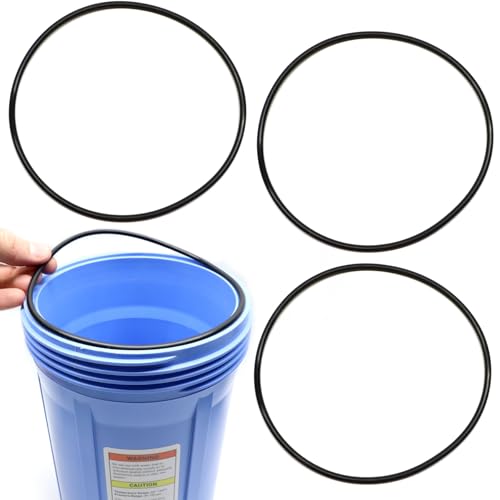
When packing gear into vehicle storage boxes, remove the digital TDS meter and store it in a dry pocket or glove compartment to protect its electronic display. Periodically inspect the rubber o-ring seal beneath the filter to ensure a snug fit, which prevents unfiltered water from bypassing the filter media and entering your clean water reservoir.
Frequently Asked Questions
How do you know when it is time to replace a ZeroWater or PUR filter cartridge?
A built-in TDS meter reading of 006 or higher indicates the ZeroWater cartridge requires immediate replacement. For PUR systems, the electronic filter indicator light flashes red after roughly two months or 40 gallons of regular use. Prompt replacement preserves pure taste and prevents saturated filtration media from releasing trapped minerals back into the pitcher reservoir.
What is the step-by-step process for changing a ZeroWater filter in a pitcher or dispenser?
Unscrew the old cartridge from the bottom of the reservoir and discard it properly. Rinse the new 5-stage filter cartridge briefly under cold water, then thread it firmly into the bottom of the reservoir until the silicone O-ring forms a complete, watertight seal. Refill the upper reservoir with tap water and check the dispensed water with your TDS meter to confirm a clean 000 reading.
Why is water leaking around the filter cartridge instead of filtering through the media?
An improperly seated O-ring or loose threading allows water to bypass the filtration media. Remove the reservoir, inspect the blue or white rubber gasket for proper alignment, and hand-tighten the filter cartridge securely into the threading without over-tightening. Proper alignment forces all gravity-fed water directly through the ion-exchange and carbon stages.
How does maintaining a pitcher filter compare to cleaning trail-ready filtration gear?
Pitcher cartridges require total replacement once spent, whereas backcountry tools allow periodic backflushing. For outdoor adventurers managing trail gear, learning how to clean lifestraw water bottle filter without hassle keeps compact filters operational across seasons, while home pitchers rely on sealed multi-stage replacements.
Do new replacement water filters require soaking before installation?
ZeroWater 5-stage filters do not require soaking, but PUR filters benefit from a quick 15-minute soak in cold water. Soaking PUR filters flushes loose carbon dust and activates the media, while ZeroWater units only need a quick cold-water rinse before threading directly into the pitcher reservoir.
How long does a standard 5-stage replacement filter cartridge last under regular use?
Filter lifespan averages between 15 to 40 gallons depending entirely on the total dissolved solids in your tap water. Areas with hard water or heavy mineral content exhaust the ion-exchange resin faster, requiring more frequent filter swaps to maintain optimal contaminant reduction.




Write Your Review
No reviews yet. Be the first to share your experience!