


A refrigerator filter change can seem simple until the new cartridge will not seat, the dispenser sputters, or water keeps dripping after installation. The right process starts with matching the cartridge to the refrigerator, not just choosing a filter that looks similar. This guide explains how to install water filter on samsung refrigerator models, what to check before fitting a replacement, and how to flush the system afterward.
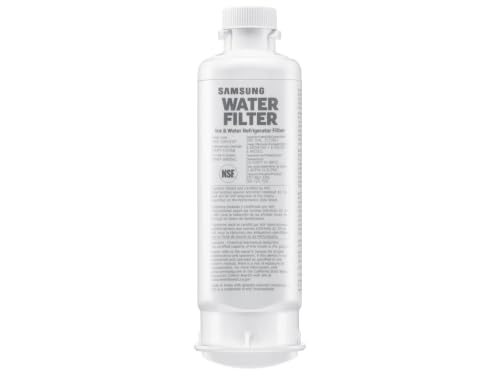
Shape matters here: the product information distinguishes a round DA29-00020B-style cartridge from a square HAF-QIN-style cartridge, and says those designs are not interchangeable. One listed Waterspecialist option is intended for specified round-filter models, while the Samsung HAF-QIN/EXP is for refrigerators that require a square filter. If your refrigerator manual or existing cartridge identifies a different part number, confirm the exact replacement before ordering. For another filter installation example, see this guide to installing an inline RV water filter.
Filter Options

Pros
- Effortless tool-free installation with a precise leak-free fit for compatible Samsung refrigerator housings
- Maintains excellent water pressure and steady flow when filling large camping bottles and coffee pots
- Substantially improves the clarity and taste of tap water by eliminating chlorine flavor
- BPA-free food-grade build certified to NSF standards for dependable water safety
- Three-pack bundle offers exceptional multi-season value for RV owners and busy outdoor families
Cons
- Requires flushing roughly 2.5 to 3 gallons of water before initial use to clear carbon fines and trapped air
- Only fits round filter housing receivers and is incompatible with square DA97-17376B filter assemblies
- Designed solely for pre-treated potable water sources and cannot purify untreated backcountry lake or river water
The Waterspecialist DA29-00020B replacement cartridge is an in-refrigerator carbon block water filter designed to swap seamlessly into compatible Samsung refrigerator systems. While traditionally considered a home appliance accessory, modern RV campers, motorhome travelers, and fifth-wheel owners frequently rely on residential refrigerators inside their mobile rigs. For outdoor enthusiasts operating out of fixed camp cabins or loading up overland coolers from a home basecamp, this three-pack filter replacement provides an economical way to maintain pristine drinking water wherever a residential appliance is part of the setup.
This filtration set is ideally suited for RV campers, seasonal campground residents, cabin owners, glamping hosts, and outdoor families who frequently stage their adventures from home. Filling insulated jugs, hydration packs, and camp cooking pots requires dependable water quality that tastes clean and pure. For budget-conscious adventurers tired of paying steep prices for original manufacturer replacements, this Waterspecialist alternative offers matching functionality and filtration performance at a substantially lower cost per unit.
Filtration performance centers on a high-grade microporous coconut shell carbon block that reduces chlorine taste, musty odors, and suspended sediment. User feedback consistently reports a noticeable improvement in water clarity and beverage flavor, which proves especially beneficial when hooked up to varied municipal or campground water supplies that carry strong chemical tastes. The filter supports a nominal 0.5 gallon per minute flow rate, ensuring your camp coffee maker or trail reservoir fills rapidly without the annoying sputtering or sluggish pressure drops associated with sub-par filter media.
Build quality meets strict material safety benchmarks, incorporating lead-free, BPA-free food-grade plastic certified against NSF 42 and NSF 372 standards. The physical casing mirrors original equipment specifications, featuring a round profile and locking locking tabs that twist firmly into place without special tools or mechanical expertise. Each cartridge in the package includes a handy monthly install sticker so travelers can easily track the recommended six-month or 300-gallon replacement schedule across multi-state travel seasons.
Practical limitations center around installation prep and compatibility. Like most carbon block filters, each unit requires running approximately 2.5 gallons of water through the line upon installation to purge loose carbon particles and internal air pockets. Furthermore, this model specifically fits round receiver slots and will not seat properly in square filter ports such as the DA97-17376B style. Campers must also remember that refrigerator filters are engineered exclusively for treated potable water sources and are not replacements for backcountry microfilters when dealing with wild, unfiltered streams.
For RV owners running residential-style appliances, camp cabin proprietors, or avid hikers who want fresh-tasting hydration on tap before heading out on the trail, the Waterspecialist DA29-00020B 3-pack delivers exceptional utility. It combines reliable filtration, robust food-safe construction, and easy maintenance into an accessible, wallet-friendly bundle that keeps clean water flowing all season long.
Residential refrigerators have become a staple in luxury fifth wheels, destination travel trailers, and motorhomes across the country. Operating these units during cross-country camping trips means dealing with varying municipal and park hookup water sources that can carry heavy chlorine or mineral odors. Installing a fresh Waterspecialist filter cartridge helps equalize water taste regardless of which campground hydrant your RV connects to during your travels.
Swapping cartridges requires no tools or plumbing experience, which is ideal when you are managing camp maintenance on the road. The simple push-and-twist mechanism locks securely into the appliance receiver, creating a tight seal that prevents interior leaks inside your camper or cabin galley. Stashing an extra cartridge from this three-pack in your RV under-bed storage ensures you never get caught without crisp drinking water on extended excursions.
Getting the best taste and longevity from each Waterspecialist filter starts with proper priming. After twisting the new cartridge into your refrigerator housing, run water continuously from the dispenser for about five minutes at normal flow to purge trapped air and loosen harmless microscopic carbon dust. Once the water runs crystal clear and sputtering ceases, the filter is fully primed and ready for everyday hydration use.
To maintain peak filtration efficiency and prevent mineral accumulation, replace the filter cartridge every six months or after filtering approximately 300 gallons of water. Use the included monthly reminder stickers directly on the filter casing so you can easily spot when a fresh replacement is due during routine seasonal gear checks.
Installing a Samsung Refrigerator Water Filter Without Guesswork
The essential sequence is straightforward: identify the filter your refrigerator accepts, remove the old cartridge according to the appliance instructions, install the matching replacement, and flush the dispenser as directed by the filter maker. The exact release and locking motion varies by filter location and refrigerator design, so the model-specific manual should guide the physical steps. Do not force a cartridge that resists insertion or rotation. A filter that looks close but does not match the connection can fail to seal properly.
Identify the existing cartridge and refrigerator requirement
Start by checking the refrigerator model label and the part number printed on the old cartridge or listed in the appliance manual. Samsung filter families can look similar in online listings, but the supplied product data makes a clear distinction between round and square filters. The Waterspecialist DA29-00020B is described as round and intended as a replacement for the DA29-00020B family, including HAF-CIN variants. The Samsung HAF-QIN/EXP is described for Samsung refrigerators requiring a square filter.
That distinction is more useful than relying on brand name alone. The Waterspecialist product listing explicitly says it is not compatible with DA97-17376B, identified as HAF-QIN, while Samsung describes its HAF-QIN/EXP as suitable for refrigerators requiring a square filter and says it will not fit a refrigerator using a round filter. Treat these as specific compatibility clues, not as a universal list for every refrigerator. If the refrigerator manual, current cartridge, and online listing do not agree, pause and confirm the correct part number with the appliance manufacturer.
Replacement listings can include long model lists, but a listed model is not a substitute for checking the exact refrigerator configuration. Some product data names multiple refrigerator families and cartridge aliases, while the actual appliance may have been supplied with a different filter design. Do not select a cartridge based only on a partial model name, the refrigerator’s appearance, or a photograph. Compare the complete model identifier and the filter code specified for that appliance.
Prepare safely before removing the old filter
Read the refrigerator manual before beginning, especially if it gives a particular removal direction, installation orientation, or reset procedure. Locate the filter compartment and make sure you have enough room to handle the cartridge without striking shelves or forcing the housing. Keep a cloth nearby for minor drips, and avoid using tools unless the manufacturer specifically calls for them. The Waterspecialist product information describes its cartridge replacement as tool-free, but that does not establish the removal procedure for every Samsung refrigerator.
Most refrigerator filter changes do not require opening household plumbing, but the appliance instructions take priority if they specify a water shutoff. Do not pull on tubing or twist a filter housing beyond its intended movement. If the filter compartment appears damaged, the cartridge is stuck, or water is actively leaking, stop rather than applying extra force. Follow the refrigerator maker’s service guidance or consult a qualified appliance technician when the connection cannot be safely handled.
Before removing the old cartridge, note its position and how it releases. Filter designs may use a push, twist, or other locking mechanism, so avoid assuming the new cartridge installs the same way as another model. Clear items that block access and keep the replacement packaging available until you confirm the new filter is the correct one. If its label conflicts with the compatibility information you checked, do not install it just to see whether it fits.
Remove and seat the compatible replacement
Release the old cartridge using the refrigerator’s documented motion, then remove it carefully. A small amount of residual water can escape as the filter comes out, so keep the area clear and wipe up any drips. Compare the old and new cartridges by part family, shape, and connection layout before proceeding. Similar color or size alone does not establish that the replacement is compatible.
Follow the replacement instructions to orient and engage the new cartridge. Keep it aligned with the filter receptacle rather than pushing at an angle, and use only the degree of rotation or pressure specified by the appliance or filter manufacturer. A cartridge that will not seat smoothly may be the wrong shape, positioned incorrectly, or obstructed by packaging or a damaged connector. Remove the cartridge and recheck instead of forcing it, since force can damage the receptacle or prevent a proper seal.
Once the cartridge is engaged, check that it sits in the position described by the manual and that the compartment closes normally. Do not assume a locked-feeling cartridge is correctly installed if the door or cover will not close as intended. Revisit the part number and installation orientation if anything feels unusual. The goal is a secure, correctly seated cartridge, not a tight connection achieved through extra force.
Flush the new cartridge and check for leaks
Flushing clears air and loose material from a newly installed filter. The Waterspecialist listing instructs users to run water from the dispenser for five minutes at 0.5 gallons per minute, approximately 2.5 gallons, before use. That instruction applies to this listed cartridge; check the instructions supplied with another filter because flushing directions can differ. If the appliance manual gives a different procedure, follow the relevant manufacturer guidance.
Dispense water into a container and expect the flow to sputter or contain air at first as the system clears. Continue flushing according to the applicable directions rather than treating the first small pour as the finished process. Watch the filter compartment and the surrounding interior during and after dispensing for signs of moisture. If water appears where it should not, stop using the dispenser and recheck the cartridge seating and compatibility before attempting another flush.
Use a clean container for the flush water and discard it as directed by the filter or refrigerator instructions. After the prescribed volume or time, dispense another glass to assess whether the flow has settled and the water looks free of obvious air bubbles. This is a basic installation check, not a test of contaminant reduction or drinking-water safety. If leaking, unusual noise, or persistent abnormal flow remains, consult the appliance instructions or service support rather than assuming the filter will correct itself.
What the Listed Filter Options Actually Distinguish
Round DA29-00020B family versus square HAF-QIN
The most consequential difference in these listings is cartridge format and stated compatibility. The Waterspecialist DA29-00020B is a round cartridge described for a range of Samsung models and replacement codes associated with DA29-00020B and HAF-CIN. Its product information specifically excludes the square DA97-17376B HAF-QIN design. The Samsung HAF-QIN/EXP listing likewise says it is for a refrigerator that requires a square filter and will not fit a refrigerator whose current filter is round.
This makes the existing filter and exact appliance model the starting point for a purchase decision. A buyer who needs the round cartridge family can consider whether the Waterspecialist listing names the refrigerator model and cartridge code. Someone whose refrigerator calls for the square HAF-QIN design should not substitute the round DA29-00020B option. If the filter shape is difficult to see, use the manual, part number, or appliance support rather than guessing from a retailer image.
Product names can also include several aliases, which may be useful when matching a replacement but can create confusion. The Waterspecialist description includes codes such as DA29-00020A and HAF-CIN variants, alongside a list of compatible refrigerator models. That information should be treated as the manufacturer’s stated compatibility, not as an assurance that every Samsung refrigerator accepts the cartridge. Confirm the precise model and the required filter family before purchase, especially if a previous owner may have replaced the original filter compartment or cartridge.
Filtration claims, certifications, and their limits
The Waterspecialist product information states that its cartridge uses coconut-shell carbon block and identifies NSF 42 and NSF 372 certifications. It also describes reduction of chlorine, taste, and odor. Those listed details are relevant to buyers concerned about aesthetic water qualities, but they should not be expanded into claims about contaminants the product data does not identify. The supplied information does not establish that this cartridge reduces every health-related contaminant, such as PFAS, arsenic, or fluoride.
The Samsung HAF-QIN/EXP listing says its carbon block reduces 99% of potentially harmful contaminants, but the provided description does not enumerate the contaminants or include certification details for that specific claim. Treat that percentage as manufacturer-provided marketing information, not as a universal statement about all contaminants or a substitute for reviewing the current product documentation. A buyer targeting a particular substance should look for a performance sheet that names it and identifies the applicable standard and test conditions. A broad phrase such as “harmful contaminants” does not tell you which substances were evaluated.
NSF 42 is associated with aesthetic effects such as chlorine taste and odor, while NSF 372 concerns lead content in materials and components. Neither standard, by itself, means that a cartridge removes every contaminant of concern. Certification details can also vary by product and model, so check the exact listing or documentation for the cartridge being purchased. If the household has a specific water-quality concern, consult the local water utility’s information or arrange appropriate water testing, then match the treatment claim to that concern.
Activated carbon is commonly selected for taste and odor improvement, but it should not be treated as a complete water-treatment system. The supplied product information does not support using either refrigerator cartridge to make microbiologically unsafe water safe to drink, or to replace a response to a boil-water advisory. Follow public health instructions during an advisory and use only treatment methods specifically approved for the situation. A refrigerator filter is a point-of-use cartridge, not a substitute for diagnosing a broader water-quality problem.
Replacement timing and keeping the change on schedule
The supplied listings give different maintenance details. Waterspecialist states a filter life of six months or 300 gallons, with actual life varying according to water conditions, and includes date stickers to help track replacement. Samsung recommends replacing its HAF-QIN/EXP filter every six months. Use the schedule that applies to the installed cartridge and refrigerator rather than assuming every compatible-looking filter shares the same capacity.
Water use and incoming water conditions can affect how quickly a cartridge reaches its stated limit. A household that dispenses more water may approach a gallon-based capacity before the calendar interval, while changes in source-water quality may also affect service life. The product information does not provide a universal indicator threshold for every refrigerator, so use the appliance’s filter monitor as directed and keep a written or labeled replacement date. If taste or flow changes noticeably before the suggested interval, check the cartridge instructions and appliance guidance rather than simply resetting the indicator.
Replacing a cartridge on schedule helps maintain the product’s intended service conditions, but an interval is not proof of water quality. Do not extend service indefinitely because the dispenser still runs, and do not assume a new cartridge resolves a plumbing or appliance fault. Keep a record of the cartridge code and date installed, especially if the refrigerator can use more than one filter family. That simple note makes the next purchase easier to verify and reduces the risk of ordering by appearance alone.
Common installation problems and sensible next steps
A cartridge that will not engage is a reason to stop and verify the part number, shape, and orientation. Do not force the filter, file down a connector, or modify the compartment. A mismatch between a round cartridge and a square receptacle cannot be solved by pushing harder. Confirm the refrigerator model and contact the retailer or manufacturer if the supplied compatibility details remain unclear.
Water that sputters immediately after a change can be associated with air in the filter path, which is why the listed flush step matters. Follow the filter-specific flushing directions and observe whether the flow settles. Persistent leakage deserves more attention than a brief change in flow: check whether the cartridge is fully seated and whether the part is correct, then stop dispensing if water continues to escape. Avoid repeated removal and reinsertion if the connection appears damaged.
If the dispenser remains weak after the correct installation and flushing procedure, the cartridge may not be the only possible cause. The supplied product information does not provide appliance troubleshooting thresholds, so check the refrigerator manual for relevant dispenser, supply, or filter-indicator guidance. Do not assume that installing a different filter will fix a problem unrelated to the cartridge. Persistent faults or visible water damage call for appliance service support.
Reset the indicator only as the manual directs
Some refrigerator models display a filter replacement reminder, but the reset controls and timing vary. Consult the exact appliance manual for the button sequence and reset point. Resetting an indicator does not flush a cartridge, verify compatibility, or demonstrate that the filter is working correctly. Complete the physical installation and flushing first, then follow the model-specific instructions for the reminder.
If the indicator does not reset, avoid repeatedly pressing controls based on directions for another Samsung model. Check whether the refrigerator requires a particular button combination or a longer press, as stated in its manual. Keep the replacement date separately so you can track service even if the electronic reminder is unavailable. The indicator is a maintenance aid, not a water-quality measurement.
For cartridge removal beyond refrigerator filters, this guide to removing a pitcher filter covers a different format, so use it only for general context and follow your Samsung manual for the appliance-specific connection. The practical takeaway is simple: match the exact cartridge family, install it without force, and flush it according to the cartridge instructions. If fit or sealing is uncertain, stop and verify the model before using the dispenser.




Write Your Review
No reviews yet. Be the first to share your experience!