


Murky, foul-tasting backcountry water can quickly ruin an otherwise great wilderness trip. Standard boiling kills harmful pathogens, but it does nothing to remove harsh chemical odors, organic sediment, or bitter tannins left behind by rotting leaves. Understanding how to make and use activated charcoal for water purification helps you strip away volatile organic compounds and bad tastes right at your campsite. Pairing simple carbon filtration methods with a high capacity backpacking hydration pack keeps your supply fresh and drinkable across long trail miles.
High-heat processing opens millions of microscopic pores inside pure carbon materials like hardwood or coconut shells, creating an adsorption sponge for unwanted impurities. Commercial options like Kishu sticks or GreenPiece coconut shell sachets provide ready-made adsorption media, but DIY outdoor enthusiasts can also process chemical-free charcoal in a camp kettle with lemon juice or calcium chloride. Integrating carbon stages alongside dependable hunting water filters gives you crisp, odor-free water without carrying bulky distillation machinery into the woods.
Pros
- 100 percent natural and plastic-free water freshener crafted from authentic Japanese oak.
- Extremely compact and lightweight, making it effortless to pack in any daypack or camp kitchen kit.
- Reusable for months with simple periodic boiling over a camp stove or kitchen burner.
- Leaves no chemical aftertaste or loose residue in your favorite outdoor water bottles.
Cons
- Does not eliminate biological pathogens like giardia or bacteria from untreated backcountry water sources.
- Requires several hours of contact time inside the bottle for noticeable taste improvement.
- Sticks can fracture if dropped forcefully onto hard rocks or campsite pavement.
Staying hydrated in the great outdoors often means drinking water from municipal campground spigots, RV hookups, or public park fountains that carry a strong taste of chlorine or sulfur. The Kishu Charcoal 3 To-Go Stick pack is an artisanal, all-natural water filtration solution designed specifically for personal drinkware. Made from authentic Japanese binchotan oak, these compact 1.5-inch sticks provide a plastic-free method to freshen your water while hiking, car camping, or relaxing around the campfire.
This filtration pack is exceptionally suited for car campers, day hikers, road trippers, festival goers, and budget-conscious outdoor enthusiasts who regularly refill reusable water bottles from potable sources. Because campground water supplies can vary widely in mineral balance and municipal treatment flavor, slipping one of these activated carbon sticks into a Nalgene or insulated flask helps neutralize chemical odors and unpleasant tastes without requiring bulky countertop pitchers or complex plumbing setups.
In practical outdoor use, the sticks function through natural adsorption. The microscopic porous surface of kiln-fired binchotan charcoal binds impurities such as chlorine, unwanted odors, and organic compounds while simultaneously leaching trace minerals like potassium, calcium, and magnesium back into your drinking water. Unlike active squeeze filters or battery-powered purifiers that require muscle or power, this system works passively inside your pack while you trek down the trail, requiring only standard water contact time to produce a smooth, clean taste.
Build quality reflects traditional craftsmanship, as the sticks are cut from solid oak carbonized at high temperatures. The resulting charcoal is dense, metallic to the touch, and surprisingly durable against everyday bumps inside a water bottle. Before initial use, campers simply boil the sticks in water for ten minutes, which cleanses the pores and prepares the carbon for adsorption. This easy reset process can be repeated every few weeks over a standard camp stove or campfire kettle, restoring adsorption capacity and extending the lifespan of each stick across an entire outdoor season.
A critical consideration for wilderness travelers is understanding what this product can and cannot do. Kishu Charcoal is formulated to improve taste, absorb chlorine, and remove select impurities from potable tap or pre-filtered water. It is not an outdoor microfilter or purifier capable of removing microbial pathogens such as giardia, cryptosporidium, or backcountry viruses from untreated rivers and lakes. Backpackers heading into deep backcountry should first treat wilderness water with a primary hollow-fiber filter, UV purifier, or rolling boil before relying on these sticks for taste enhancement.
For weekend campers, family RV vacations, and day hikers who want better-tasting water from state park spigots without generating single-use plastic waste, this 3-pack is a reliable and eco-conscious investment. It packs down to virtually zero weight, fits effortlessly into your camp mess kit, and provides months of refreshing hydration across every outdoor journey.
Preparing Kishu Charcoal sticks for camp use is simple and requires no specialized tools. Before your first trip, place the sticks in a pot of boiling water for ten minutes to sterilize and activate the micro-pores, then let them air dry before dropping them into your clean hydration vessels.
To maintain peak adsorption throughout camping season, repeat the ten-minute boiling routine once a month using your home cookware or a portable backpacking stove. Once the sticks reach the end of their useful filtration life after approximately four months of daily use, they can be crushed and composted directly into camp soil or used as a natural odor absorber in your camp gear storage bins.
Weighing only a fraction of an ounce per stick, this 3-pack provides one of the lightest hydration upgrades available for daypacks and hiking kits. The compact 1.5-inch size easily fits into narrow-mouth water bottles, cycling squeeze bottles, and wide-mouth camp flasks without rattling loudly or obstructing your drinking spout.
While it should never replace a certified wilderness pathogen filter on primitive trails, it makes a superb secondary companion for hikers who dislike the chemical aftertaste of chlorine dioxide purification tablets or treated municipal park taps.

Pros
- Very simple to use - just drop in any water container and it starts filtering
- Long 6-month lifespan with easy rejuvenation by boiling, making it cost-effective
- Lightweight and compact, perfect for backpackers and ultralight campers
- Improves the taste of water without leaving a chemical aftertaste
Cons
- Does not remove viruses, bacteria, or protozoa - not a standalone solution for backcountry water sources
- Flow rate is slow; you need to wait a few hours for full filtration in a bottle
- Some users find it requires occasional boiling to maintain effectiveness, which may be inconvenient on extended trips without a stove
The Black + Blum Charcoal Water Filter Stick is a simple yet effective way to improve the taste and quality of your drinking water, especially useful for campers who want to enjoy better hydration without relying on heavy filtration systems. This stick uses Binchotan charcoal, an ancient Japanese method that naturally attracts impurities and adds beneficial minerals. It is not a replacement for a water purifier in the backcountry, but it shines when used with safe tap water at campgrounds, RV parks, or even at home.
This product is best suited for family campers, car campers, RV campers, festival goers, and backpackers who want cleaner, better-tasting water without the plastic waste of single-use bottles. It is also a great gift for outdoor enthusiasts who appreciate simplicity and sustainability. For backcountry hikers or survivalists who need to filter from streams or lakes, a dedicated pump or UV filter is still required, as this charcoal stick only reduces chlorine, sediment, and some organic compounds.
In real-world camping use, many users report that it effectively removes the chlorine taste from campground tap water, making it much more enjoyable to drink. The filtration process is passive - you simply drop the stick into a water bottle or carafe and wait. According to user feedback, water left with the stick for 30 minutes to an hour tastes noticeably cleaner. However, for full mineral balancing, leaving it overnight is recommended. This makes it ideal for basecamp setups where you have a water jug or large bottle.
Build quality is solid: the stick is made from real Binchotan charcoal, ultrasonic cleaned, and ready to use. It comes with a simple instruction manual. The stick is durable enough to reuse for six months, and when it starts losing efficiency, a 10-minute boil brings it back to life. It is very lightweight (1.41 oz) and compact (about 1.86 x 0.39 x 0.39 inches), so it packs easily into any camp kitchen or backpack. No batteries or replacement cartridges are needed, which reduces ongoing costs.
Setup and use are about as simple as it gets: rinse the stick, drop it into water, and wait. There is no pumping, no squeezing, and no maintenance other than periodic boiling. Cleaning is straightforward - just rinse and air dry. The stick stores dry, so it can be packed away when not in use. One limitation is that the stick may break if dropped on hard ground; handling with care is advised.
Overall, the Black + Blum Charcoal Water Filter Stick is a practical, eco-conscious choice for improving water taste during camping trips. It works well as a supplemental filter for weekend warriors, family campers, and anyone who wants crisp, refreshing water at the campsite. If you are looking for a lightweight, no-fuss way to enhance your hydration experience and reduce plastic bottle waste, this is a solid investment.

Pros
- Budget-friendly 100-pack offers tremendous long-term value for RVers and off-grid setups
- Made from natural coconut shell carbon for clean, chemical-free taste polishing
- Ultralight and compact footprint makes storage effortless in camp kits or dry boxes
- Simple prep process requires only a short rinse before slotting into place
Cons
- Individual sachets are quite compact at 2 grams, often requiring two or more packets stacked together to fit standard distiller spouts
- Requires a preliminary pre-soak and rinse to clear loose carbon dust before use
The Lounsweer 100-Pack Activated Charcoal Water Filter Sachets provide an accessible, high-volume water polishing solution for outdoor enthusiasts who rely on countertop steam distillers and modular camp filtration setups. Each individual sachet contains approximately two grams of natural coconut shell activated carbon, designed specifically to capture residual volatile organic compounds, lingering chlorine, and foul mineral odors. For RV campers, overlanders, and van lifers who travel through diverse municipal and well-water hookups, having a dedicated carbon stage is critical for maintaining fresh, neutral-tasting hydration across the map.
In practical camp life, these filter packs prove especially valuable for campers who distill their own water on the road to supply sensitive CPAP machines or brew clean pour-over coffee at sunrise. Off-grid travel often introduces strange odors and sulfurous undertones into freshwater holding tanks. Running distilled water through these activated carbon sachets eliminates that plastic or mineral aftertaste, leaving water crisp and completely tasteless. Survivalists and emergency preppers will also appreciate how easily these tiny packets integrate into DIY gravity-fed camp filtration systems, serving as an effective secondary polishing stage after coarse ceramic or hollow-fiber membranes.
The build quality is centered on natural coconut shell charcoal, which is recognized for its micro-porous structure and efficient adsorption capacity. The carbon is securely packaged in porous filter paper sachets that allow steady water permeation without leaking carbon grains into your collection carafe. Weighing only 0.2 kilograms for the entire 100-piece carton, the collection takes up minimal space inside a camper van pantry, dry box, or bug-out bag. Furthermore, unused packets store cleanly for extended periods as long as they are kept sealed in dry, airtight storage away from strong camp aromas.
Ease of use is straightforward, even when setting up your gear after a long day on the trail. Preparation requires soaking the carbon sachet in clean water for five minutes, followed by a brief sixty-second rinse under running water to flush any minor carbon dust particles. Once rinsed, the sachet drops directly into the collection spout of compatible countertop distillers. Outside of drinking water systems, campers have also found practical outdoor utility by repurposing dry spare sachets as odor absorbents inside damp hiking boots, cooler corners, and airtight storage totes.
A realistic limitation reported by several users centers on size. Each sachet is relatively small, measuring around one inch square, which is noticeably smaller than standard commercial tea-bag style filters. Depending on the diameter of your distiller nozzle or filtration cup, you may need to stack two to four sachets together to create a snug seal and prevent bypass channeling. However, given the generous quantity included in the package, doubling up still yields an economical filtration lifespan. For budget-conscious road trippers, extended overlanders, and emergency preparedness planners seeking reliable water purification supplies, this bulk pack represents a practical, dependable choice.
Proper preparation ensures optimal performance and prevents black carbon fines from clouding your distilled drinking water. Before placing a new sachet into your distiller spout or filtration chamber, submerge the pouch in clean water for approximately five minutes to saturate the carbon pores. Follow this by rinsing the sachet under running tap water for about sixty seconds until the runoff appears crystal clear.
Store unused filter sachets in a sealed, airtight container or heavy-duty zip-top bag to prevent the activated carbon from prematurely absorbing ambient odors and moisture in your RV or gear locker. Replace the charcoal sachet regularly, typically after every two to four weeks of steady distilling use, or whenever you notice a slight change in the crispness and taste of your purified camp water.
Reliable water treatment is a cornerstone of any wilderness survival or domestic emergency preparedness plan. While primary mechanical filters remove bacteria and protozoa from backcountry sources, activated charcoal is uniquely suited to remove chemical runoff, agricultural odors, and chemical tastes that standard filters leave behind.
Packing several dozen of these lightweight Lounsweer sachets into a bug-out bag or emergency pantry ensures you have ample supplies to build or maintain improvised gravity filtration setups. Their lightweight footprint and long dry shelf life make them an exceptional asset for long-term self-reliance off the grid.
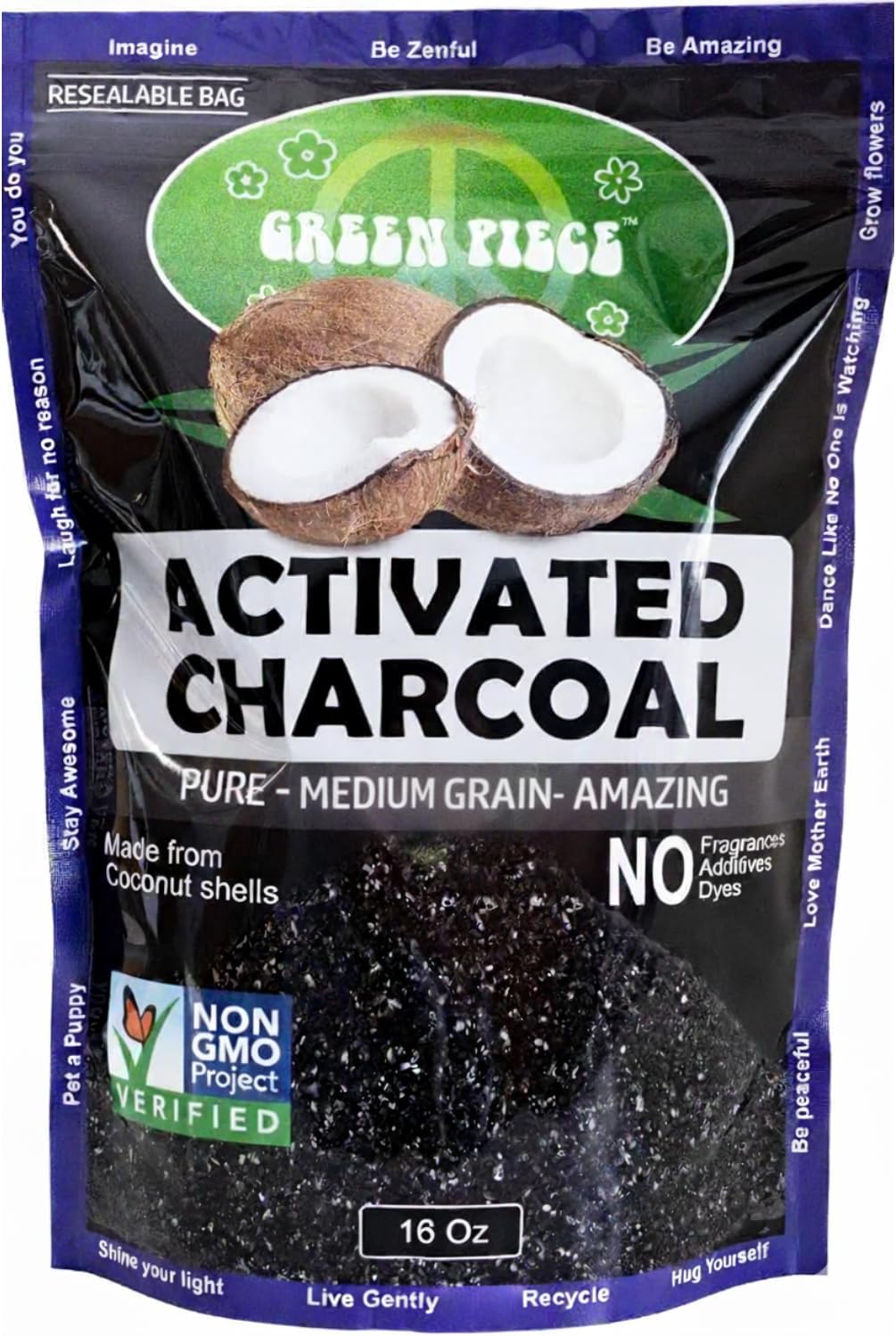
Pros
- Completely unscented, eliminating smells instead of masking them with artificial fragrance
- Versatile coarse-grain format works in camp toilets, damp gear bins, hiking boots, and RVs
- Durable resealable pouch keeps unused granules dry and active between outdoor trips
- Safe to use around camping pets, family gear, and camp kitchen storage containers
Cons
- Loose granules require a breathable container, mesh pouch, or open dish for camp deployment
- Takes a few days to fully absorb heavy odors in larger enclosed vehicle or tent areas
- Can create faint carbon dust if handled roughly while scooping into smaller containers
The Green Piece Activated Charcoal Pure is a natural, fragrance-free medium-grain odor absorber derived from 100 percent coconut shells. Unlike chemical aerosol sprays or scented cardboard hangars that merely mask unpleasant scents with heavy perfumes, this loose activated charcoal physically traps airborne impurities, moisture, and volatile organic compounds within its microporous structure. Packaged in a compact one-pound resealable bag, it serves as a versatile camp sanitation and gear maintenance companion for outdoor enthusiasts looking to maintain a clean, odor-free environment across their outdoor gear setups.
This odor eliminator is particularly well suited for RV campers, overlanders, van lifers, and family campers who regularly manage compact living quarters. It proves exceptionally valuable for campers utilizing portable composting toilets or cassette toilets in camper vans, where chemical-free odor control is a top priority. Weekend warriors and gear collectors will also appreciate having loose charcoal on hand to tuck into damp plastic storage bins filled with rainflies, tarps, sleeping bags, and muddy hiking boots, helping prevent stale mildew aromas from taking over expensive outdoor equipment between weekend trips.
In real-world camping scenarios, managing smells from damp clothing, camp kitchens, coolers, and portable latrines is an ongoing chore. Based on product specifications and outdoor user feedback, placing a small dish or breathable mesh pouch of these coarse granules near a camp toilet noticeably suppresses organic waste odors without releasing fumes. Overlanders and hunters appreciate that it is completely unscented, allowing gear bins and hunting packs to remain scent-neutral. Additionally, slipping small sachets into wet trail runners or wading boots overnight helps draw out residual dampness and foot sweat before the next morning hike.
The material quality is highlighted by its coarse-grain coconut shell structure, which promotes superior airflow compared to ultra-fine powders that can pack down and choke off passive absorption. The resealable foil-lined pouch keeps the unused charcoal dry and ready for action, preventing premature saturation during transit in a humid car trunk or camper cabinet. Because it operates completely passively, there are no batteries to recharge, cords to run, or noisy fans to disturb a quiet night under the stars at a backcountry campsite.
While the loose granule format offers exceptional flexibility, it does come with practical considerations for camp life. Campers must provide their own breathable containers, such as small cotton muslin bags, mesh wash sacks, or ventilated cups, to hold the granules. Handling loose charcoal can also release faint black carbon dust if poured quickly onto a clean camp table or tent floor. Furthermore, passive absorption requires time to work, making it best suited for continuous preventive odor management rather than an instant five-second fix.
For car campers, overlanders, RV travelers, and emergency preppers seeking a safe, eco-friendly way to keep vehicles, gear totes, and portable toilets smelling clean, the Green Piece Activated Charcoal provides outstanding utility. It eliminates the headaches of artificial scents and provides reliable, low-maintenance air freshening across seasons of trail adventures and garage gear storage.
Outdoor living often means dealing with trapped odors in small, enclosed spaces. This coarse activated charcoal is exceptionally versatile for custom camp deodorizing tasks. Campers can fill small sachet bags and place them directly inside hard coolers between trips to eliminate lingering food or fish smells.
For van lifers and overlanders, tucking a breathable container filled with charcoal granules near gray water tanks, under sink cabinets, or beside portable composting toilets helps neutralize stale air naturally. It also works wonders inside vehicle trunks and roof boxes that carry wet wetsuits, damp camp chairs, and rain-soaked awnings back from a rainy weekend.
To get the longest service life out of the Green Piece Activated Charcoal, always press the resealable zipper firmly closed after scooping out the required amount. Keeping the storage pouch tightly sealed prevents the ambient humidity inside your camper or garage from prematurely exhausting the granules before deployment.
When handling the loose medium grains at camp, pour slowly into muslin bags, clean socks, or small perforated tins to minimize carbon dust. Once saturated after several months of use in gear totes or RV lockers, charcoal granules can typically be rejuvenated by placing them in direct outdoor sunlight for a few hours to release trapped moisture and odors.

Pros
- Extremely easy to use with no setup or maintenance beyond occasional rinsing.
- Long-lasting at 4 months per stick, saving money and reducing waste compared to disposable filters.
- Improves tap water taste significantly, making drinking water more enjoyable during car camping or RV trips.
- Compact and lightweight, ideal for backpackers who want to enhance water quality without extra bulk.
- Natural activated charcoal material is a green, chemical-free option for water treatment.
Cons
- Designed primarily for tap water; not effective at removing pathogens in untreated backcountry streams or lakes.
- Takes a few hours to fully purify water, so it's not instant compared to pump filters or purification tablets.
- Some users may find the taste improvement subtle depending on tap water quality and personal preference.
The Kishu Charcoal Water Filter Stick is a unique water treatment product that focuses on improving the taste and quality of tap water rather than purifying untreated wilderness sources. It is an activated charcoal stick made by Japanese artisans using traditional techniques. This product is best suited for campers who have access to tap water at campgrounds, RV parks, or even while traveling and staying in hotels or cabins. Backpackers on short trips with reliable water sources may also appreciate its light weight and simplicity.
In a real-world camping scenario, such as setting up at a developed campsite after a long drive, this filter stick is incredibly convenient. Just drop it into any standard water bottle, fill with tap water, and let it work. The charcoal binds with toxins like chlorine, heavy metals, and other impurities, significantly improving flavor and making water more pleasant to drink. Users report a noticeable reduction in that typical tap water taste, which is a big win for coffee, tea, or just staying hydrated.
Build quality is a strong point here. The stick is made from high-quality Kishu charcoal, known for its porous structure and absorption properties. The product carries a CE certification, indicating it meets European safety standards. The stick measures about 4.8 x 3.11 x 0.91 inches and weighs just 0.05 kilograms, so it won't weigh down your backpack. It lasts up to four months with regular use, after which you simply replace it. No complicated cleaning or replacement parts are needed beyond occasional rinsing.
One realistic limitation is that this is not a full water purifier for backcountry use. It does not remove viruses, bacteria, or protozoa found in untreated streams or lakes. For wilderness backpacking, a pump filter, UV sterilizer, or purification tablets are necessary. This stick is best thought of as a taste enhancer and toxin absorber for treated tap water. It also takes some time to work - while some effect is immediate, full purification recommended by the manufacturer requires at least a few hours, so plan ahead.
Maintenance is straightforward: rinse the stick every few weeks under running water to remove trapped particles, and store it in a dry place when not in use. The manufacturer recommends replacing after four months for optimal performance. Overall, this is a practical tool for car campers, RV campers, overlanders, festival goers, and any traveler who wants better tasting tap water without the waste of plastic filters. It also makes a thoughtful gift for outdoor enthusiasts who value eco-friendly gear.
In summary, the Kishu Charcoal Water Filter Stick is a niche but valuable addition to your camping kit if you primarily use tap water. It is lightweight, durable, and effective at improving water quality. For backcountry adventurers, it should be paired with a proper purification system. For weekend warriors, family campers, and those who enjoy a little comfort on the road, this is a simple, affordable, and green solution to better drinking water.

Pros
- Noticeably improves post-distillation flavor and eliminates volatile organic compound odors
- Eco-friendly construction uses biodegradable corn fiber sachets with zero synthetic glues
- Convenient 12-pack supply provides up to a full year of fresh drinking water maintenance
- Generous carbon volume fits snugly in standard distiller funnels without messy leaks
Cons
- Requires a quick pre-rinse in clean water to wash away loose carbon dust before first use
- Designed strictly as a post-distillation polisher rather than a standalone field survival filter
Pure drinking water is essential whether you are managing an off-grid cabin, traveling long-term in an RV, or building a reliable emergency preparedness setup at home. The Green Piece Activated Charcoal Carbon Distiller Filters are specialized replacement filter sachets designed for standard countertop water distillers. While distillation effectively boils away heavy metals, microbes, and dissolved solids, lightweight volatile organic compounds (VOCs) and chemical odors can carry over with the steam. These coconut shell carbon packets act as the crucial final polishing stage to capture those lingering compounds, giving off-grid adventurers and campers crystal-clear, fresh-tasting hydration.
This 12-pack replacement bundle is ideally suited for RV campers, overland travelers with high-capacity power setups, off-grid cabin dwellers, homesteaders, and emergency preppers who rely on electric distillation units. It is also an excellent stock-up item for budget-conscious families and outdoor enthusiasts who prioritize chemical-free water purification at basecamp or during severe weather outages. Because the pack contains a full year supply of monthly replacements, it offers dependable peace of mind for anyone stocking a long-term pantry or disaster preparedness kit.
Performance in water quality relies on carbon density and pure materials. Each Green Piece sachet is filled with premium coconut shell activated carbon, offering superior micro-porosity to absorb chlorine odors and unpleasant tastes efficiently. The construction highlights an eco-friendly design made in the USA, utilizing biodegradable corn fiber cellulose that is ultrasonically sealed. Because there are zero industrial adhesives, glues, or synthetic microplastics involved, users do not have to worry about unwanted chemical leaching into their purified drinking water.
Setting up and maintaining these filter sachets is straightforward. Users simply take a single sachet, rinse it gently under distilled or purified water to clear out initial carbon dust, and place it directly into the distiller collection funnel or spout. The generously filled pouch replaces the need to stack multiple flimsy filters, staying securely in place during the drip collection cycle. Its compact, lightweight footprint also makes it easy to tuck into a camp pantry bin, camper van storage drawer, or emergency bug-out container without taking up valuable gear space.
While these charcoal sachets perform exceptionally well at absorbing odors and VOCs, users should keep in mind their specific function. They are designed as a post-treatment polisher for distilled water systems, not as a standalone pump or gravity filter for raw backcountry mud and debris. Additionally, users will want to rinse the dry sachet before use to prevent harmless carbon fines from clouding the initial collection batch. For RVers, basecamp managers, and emergency planners seeking reliable, great-tasting water from their distillation setup, this 12-pack delivers exceptional quality and dependable year-round value.
Installing a replacement sachet requires no tools, cutting, or complicated assembly. Before inserting a fresh packet into your distiller funnel, rinse it thoroughly under a stream of clean or distilled water. This brief rinse wets the coconut shell carbon, clears loose harmless micro-dust, and primes the material for immediate absorption.
Once rinsed, place the sachet flat into the collection funnel nozzle of your countertop distiller. Make sure the pouch sits evenly so the distilled runoff trickles directly through the activated charcoal bed before entering your glass or stainless steel collection carafe.
For optimal filtration efficiency and peak taste quality, replace the carbon sachet once every 30 days or roughly after processing 30 gallons of water. If you are filtering heavily treated municipal tap water or sulfur-heavy well water at an off-grid basecamp, replacing the sachet slightly more frequently can help maintain crisp flavor.
Store unused filter sachets in their sealed packaging inside a cool, dry camp storage tote or dry bag. Keeping the unused packets away from moisture and strong ambient odors ensures the activated carbon remains fresh and fully active until you are ready to use it.

Pros
- Durable 4mm extruded pellets hold shape better than loose crushed carbon with less media migration
- Strong odor and impurity adsorption ideal for RV tanks, portable camp toilets, and coolers
- Convenient 9.6-ounce size packs easily into emergency kits and outdoor storage bins
- Versatile application for DIY gravity water filters, terrariums, and camp scent reduction
Cons
- Requires thorough pre-rinsing before water filtration use to wash away initial charcoal dust
- Does not include mesh media bags, requiring campers to supply their own filter pouches
- Coal-based pellets are best suited for pre-filtration taste and odor removal rather than replacing certified microbiological purifiers
The Sukh 310g Activated Carbon Pellets provide a versatile, bulk adsorption media suited for outdoor enthusiasts, RV campers, overlanders, and emergency preparedness planners. Featuring uniform 4mm cylindrical pellets made from high-density coal-based carbon, this media is designed to capture organic impurities, foul odors, volatile organic compounds, and unwanted discoloration. While frequently marketed for aquarium filter canisters, this bulk charcoal media serves as a practical, multi-use staple for camp gear maintenance, portable toilet freshening, and custom water purification systems.
In real-world outdoor scenarios, water quality and camp hygiene often present major challenges. Off-grid travelers and survivalists frequently build or service custom gravity filters to scrub tannins, sediment taste, and chemical runoff from backcountry water sources. According to user feedback, these pellets deliver rapid odor and contaminant reduction when placed in the flow path of water. Beyond drinking water taste improvement, overlanders and car campers can deploy small pouches of these pellets inside portable coolers, camper van cabinets, and RV black or grey water compartments to neutralize stubborn organic smells without synthetic perfumes.
The build quality of the extruded cylindrical pellets offers distinct advantages over standard crushed charcoal. Regular crushed media often fractures into tiny fragments that clog mesh pores or leach black dust into output lines. These 4mm pellets maintain their structural integrity inside filter cartridges and media bags, promoting steady water flow while minimizing media loss. At 9.6 ounces (310 grams), the entire package takes up minimal space in a gear tote, dry box, or bug-out pack, giving budget-conscious outdoorsmen an economical way to maintain filtration supplies.
Preparing and using the carbon is straightforward, though handling requires basic care. Because raw activated carbon creates a fine black dust during transit, users should pour the pellets into a fine-mesh media pouch and rinse them thoroughly with clean water before introducing them to any filtration system. Once rinsed, the media can be placed directly into DIY filter housings, hung in dry food storage boxes to curb odors, or tucked into camp boots and gear lockers to keep equipment fresh between weekend camping trips.
Campers should remain mindful of the realistic boundaries of activated charcoal media in wilderness settings. While activated carbon excels at adsorbing dissolved chemicals, heavy metals, chlorine, and unpalatable flavors, it does not replace a biological filter or chemical purifier. It does not eliminate bacteria, cysts, or viruses on its own. For backcountry drinking water, these pellets should always work in tandem with a hollow-fiber membrane, ceramic filter, or boiling step to ensure complete biological safety.
For outdoor adventurers seeking an adaptable, inexpensive purification and odor-control solution, this media is a sensible addition to the camp supply closet. Whether you are assembling emergency disaster relief buckets, refreshing the filtration setup in an overland rig, or deodorizing a well-traveled camper van, the Sukh Activated Carbon Pellets deliver dependable adsorptive performance at an accessible price point.
Using activated carbon in a camp environment requires understanding proper placement and media containment. Campers building gravity filter systems or bucket filters can layer these pellets between coarse foam or cotton layers to remove dissolved odors and organic tastes. In camper vans and RVs, tucking small breathable pouches filled with these pellets near holding tanks or galley trash bins helps absorb persistent volatile compounds without masking scents.
For gear care, placing a small cloth pouch of carbon pellets inside damp hiking boots, neoprene booties, or storage totes helps draw away moisture-related mildew smells after rainy weekend trips. Keep the media packed tightly in porous mesh to ensure maximum air and water contact while preventing loose pellets from spilling into gear compartments.
Proper handling ensures clean performance and prevents charcoal dust from spreading across camp gear. Before placing pellets into a water filtration setup or enclosed space, rinse the media under a stream of clean water until the runoff turns clear. This removes transit-generated fines and prevents dark discoloration in initial water passes.
Store unused pellets in an airtight container or heavy-duty sealed bag to prevent the carbon from passively adsorbing ambient humidity and airborne odors while sitting in storage. When stored dry and sealed, activated carbon maintains an indefinite shelf life, making it a reliable staple for long-term emergency kits and off-grid gear bins.
Frequently Asked Questions
Can you use regular campfire charcoal for water purification?
No, regular campfire charcoal is not safe for direct drinking water purification. Campfire embers contain toxic ash, wood resins, creosote, and partially combusted pitch that can leach into your water. True activation requires heating clean hardwood charcoal to extreme temperatures or treating it with an activating agent to expand its pore network. Using untreated campfire charcoal will contaminate your water rather than clean it.
How long does activated charcoal last when purifying water?
Most solid activated charcoal sticks last between three to six months of regular use. Pre-packaged options like Black + Blum Binchotan sticks or GreenPiece sachets gradually saturate as they adsorb volatile organic compounds and odors. You can boil solid Binchotan sticks in clean water for ten minutes every few months to clear surface pores and restore performance. Loose granules in DIY gravity filters should be replaced after filtering thirty to fifty gallons.
Does activated charcoal kill bacteria and viruses in camp water?
No, activated charcoal does not neutralize bacteria, protozoa, or waterborne viruses. Carbon filtration relies on physical adsorption to bind organic chemicals, heavy metals, pesticides, and unpleasant odors to its porous surface. You must boil water or run it through microfiltration before carbon treatment, and learn how to clean lifestraw water bottle filter units to keep biological filtration working safely.
How do you make DIY activated charcoal for outdoor survival kits?
You make DIY activated charcoal by powdering clean hardwood charcoal and treating it with an acid solution. Burn natural hardwood in a sealed metal container until fully charred without chemical lighter fluids. Crush the cooled charcoal into medium granules, soak them in a 25 percent lemon juice or calcium chloride solution for twenty-four hours, and bake the mixture dry over camp coals. This process chemically activates the pores to trap dissolved organic impurities.
How does activated carbon improve the taste of backcountry water in 2026?
Activated carbon removes foul chlorine tastes, decaying plant tannins, and sulfur odors through surface bonding. The massive surface area of porous coconut carbon or oak Binchotan attracts non-polar organic molecules as water flows through. This makes mineral-heavy or stagnant lake water taste fresh and crisp without adding synthetic chemicals. It represents a practical finishing stage for any outdoor hydration system in 2026.


Write Your Review
No reviews yet. Be the first to share your experience!