
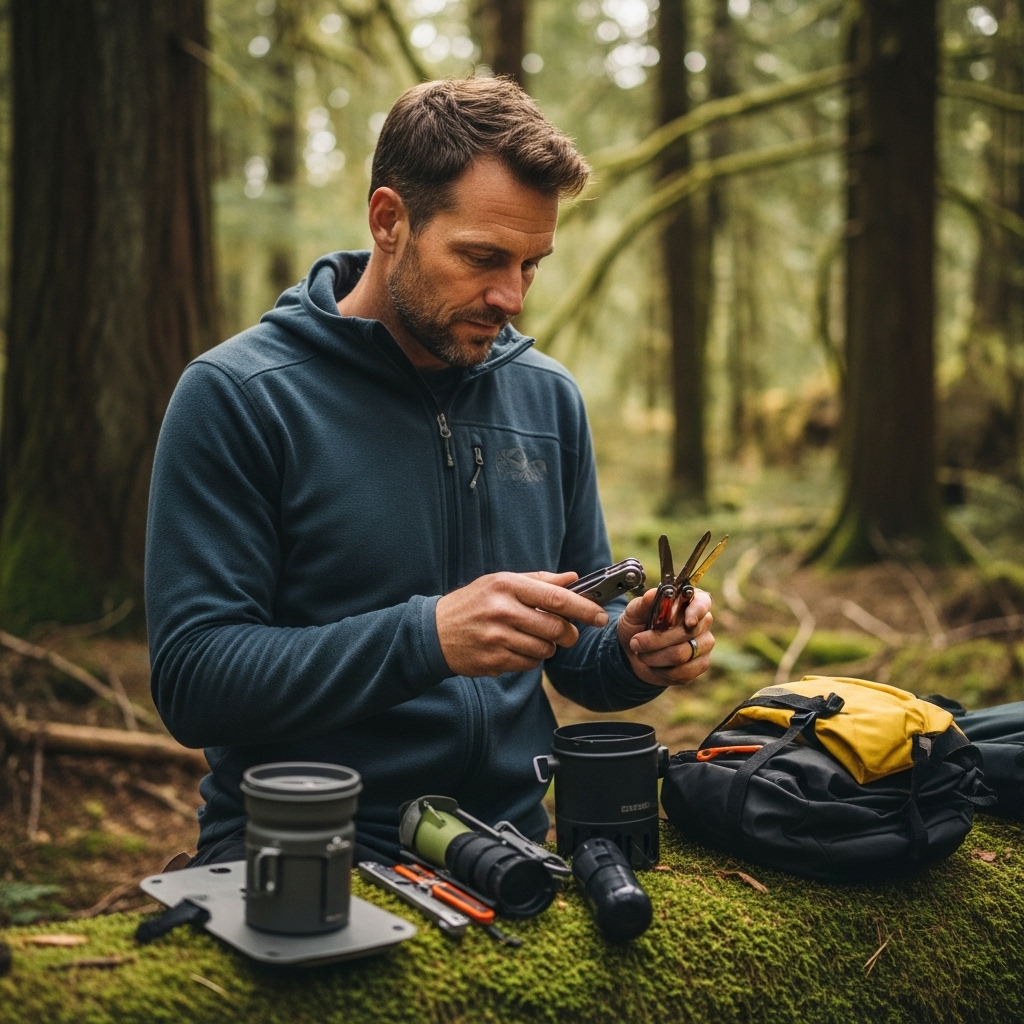

Packed trail weight dictates how far your legs can carry you before exhaustion sets in. Carrying unnecessary bulk over miles of rocky terrain quickly teaches you that every ounce matters. Figuring out how to go backpack camping requires balancing campsite comfort against packed bulk, because hauling extra weight turns an exciting journey into a grueling chore. Reliable planning starts with dialing in core gear, prioritizing trail-tested essentials, and understanding how shelter, insulation, and hydration interact in the backcountry. A beginner resource like Callisto’s How to Survive Your First Trip in the Wild gives first-time hikers a straightforward framework to organize trail gear without overpacking.
Shelter selection directly affects both pack volume and nighttime security when rough weather rolls across an exposed ridge. Matching your shelter to forecast conditions, such as picking a reliable winter camping tent for freezing nights or a lightweight canopy for mild weather, shapes your overall pack burden. Beginners often overestimate the need for bulky luxury items and underestimate the benefits of a compact, well-distributed load. Practicing water filtration, meal prep, and navigation before heading out prevents minor gear issues from escalating into major trail problems.

Frequently Asked Questions
What is the ideal pack weight when learning how to go backpack camping?
A loaded backpack should not exceed twenty percent of your total body weight. Exceeding this benchmark increases physical fatigue and strains joints over uneven elevation. Beginners should weigh their gear at home, packing heavier equipment close to the spine for optimal center of gravity. Trimming non-essential items keeps your base weight manageable.
What are the core gear essentials for backcountry camping?
Essential equipment includes a weather-appropriate shelter, an insulated sleeping system, water treatment, navigation tools, and a compact stove. Carrying lightweight water filtration eliminates the burden of hauling days of heavy drinking water. Concentrating on high-calorie, compact meals minimizes pack volume. These fundamentals guarantee reliable wilderness safety without unnecessary trail weight.
How do you secure a backcountry shelter in windy conditions?
Pitching your tent with the narrow profile facing the prevailing wind reduces structural stress on the poles. Staking out every guyline creates essential tension, and utilizing a reliable tent pitching setup prevents stakes from pulling out of loose soil. Keeping your rainfly taut prevents wind-driven rain from penetrating the inner tent body.
How much water should you carry between trail sources?
Carry approximately two liters of water between verified natural water sources under moderate hiking conditions. High heat and steep elevation gains will increase fluid demand substantially. Using a certified hollow-fiber filter or chemical treatment lets you safely harvest water from backcountry creeks. Always check seasonal water availability before departing the trailhead.
How does sleeping bag temperature rating relate to actual comfort?
A sleeping bag rating represents the lower limit for survival rather than comfortable sleeping warmth. Most backpackers require a bag rated ten to fifteen degrees lower than expected nighttime temperatures to sleep comfortably. Pair your sleeping bag with an insulated sleeping pad that provides adequate resistance against cold ground.



Write Your Review
No reviews yet. Be the first to share your experience!