
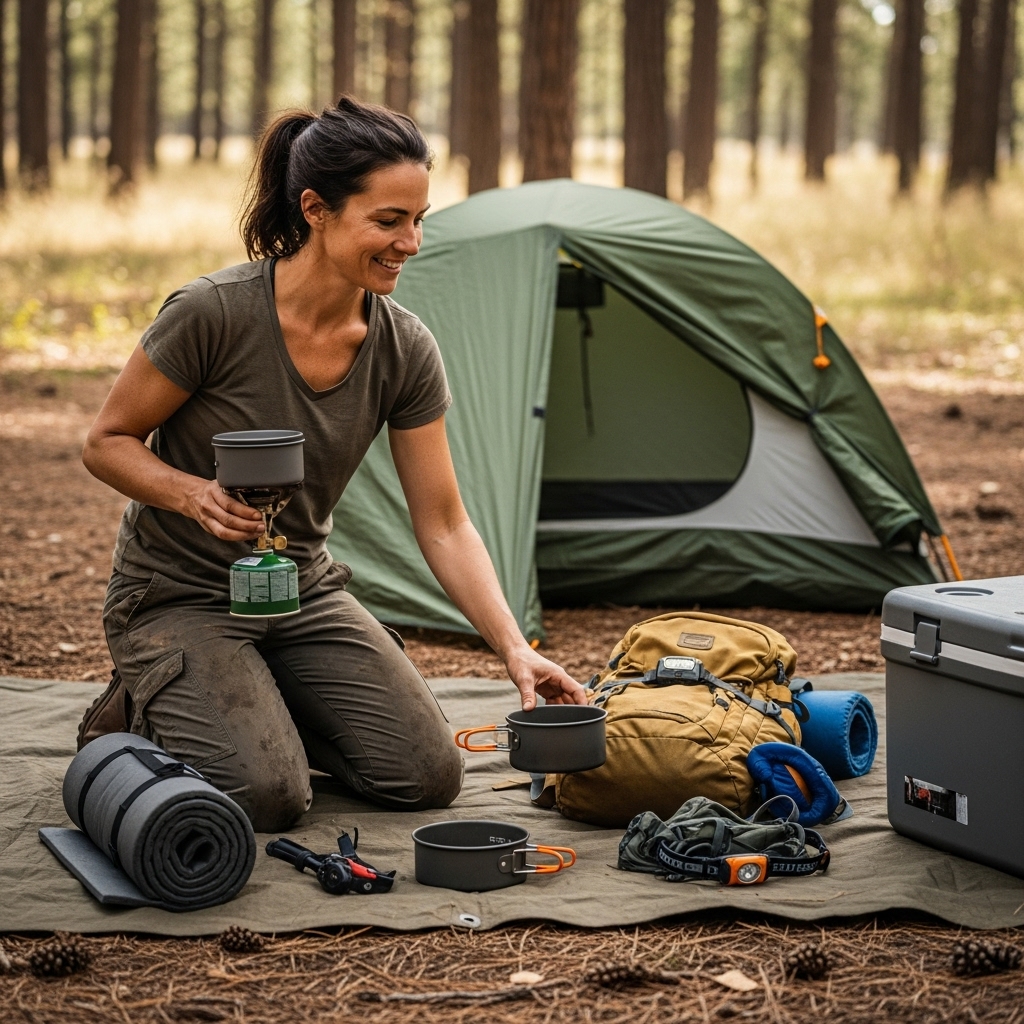

Heading into undeveloped public lands without piped water, picnic tables, or restrooms demands a completely self-contained loadout. Remote campsites test your gear quickly, making it crucial to decide what to bring dispersed camping before leaving home. Cargo space must balance bulk against actual daily needs, prioritizing hydration capacity, waste disposal systems, and weather protection. Adding durable water filters for off grid camping ensures you can safely process surface water if your onboard tank runs low. Self-reliance on public land means bringing every drop of drinking water or reliable purification tools.
Gear selection hinges on separating camp comfort from essential survival systems. A solid off-grid setup pairs weather-resistant shelter with practical site tools and sanitation supplies. Educational resources like Boondockbob’s Guide to RV Boondocking help campers understand power management, water conservation, and public land regulations before driving off-pavement. Proper trash containment and sanitation gear are vital to honor Leave No Trace principles across wild country. Respecting your vehicle’s payload limits also prevents overloading suspension components on rough forest service roads.

Essential Tips on What to Bring Dispersed Camping
How much water should you pack for dispersed camping?
Campers should pack at least one gallon of potable water per person per day for drinking, cooking, and basic washing. High temperatures or arid desert terrain can push that requirement to two gallons daily. Storing water in heavy-duty jugs prevents accidental punctures during transport across washboard roads. Carrying backup filtration supplies provides an added safeguard whenever natural water sources are nearby.
How do you manage human waste at primitive campsites?
Proper waste disposal requires either digging an eight-inch cat-hole 200 feet from water or packing a portable camp toilet. Sensitive riparian areas and high-use desert regions often mandate pack-out waste bags. Setting up portable hand washing stations helps maintain camp hygiene without burning through drinking water. Always verify local land management waste disposal rules before heading out.
What power setup works best for off-grid camping?
A portable power station paired with a solar panel covers basic off-grid electrical needs reliably. Compact battery packs keep smartphones, headlamps, and GPS units charged over a standard weekend. Larger RV setups running 12-volt coolers or medical equipment require higher watt-hour capacities and consistent solar recharging. Monitoring daily energy consumption prevents draining batteries unexpectedly far from utility hookups.
What tools are essential for dispersed campsites?
A compact shovel, a folding hand saw, tire traction boards, and reliable multi purpose camping tools are essential for remote travel. Shovels help level uneven ground or properly extinguish campfires where allowed. A folding saw clears deadfall blocking narrow trails without harming live trees. Basic mechanical tools also ensure you can fix loose hardware miles from the nearest paved highway.
Are campfires permitted at dispersed camping sites?
Campfires are permitted only when local seasonal fire regulations allow and where safe fire rings exist. Checking current Forest Service or BLM fire restrictions before leaving home prevents destructive wildfires. Campers must keep a shovel, bucket, and extra water nearby to extinguish coals completely until cold. During high-risk seasons, portable propane fire pits offer a safer alternative to wood fires.


Write Your Review
No reviews yet. Be the first to share your experience!