
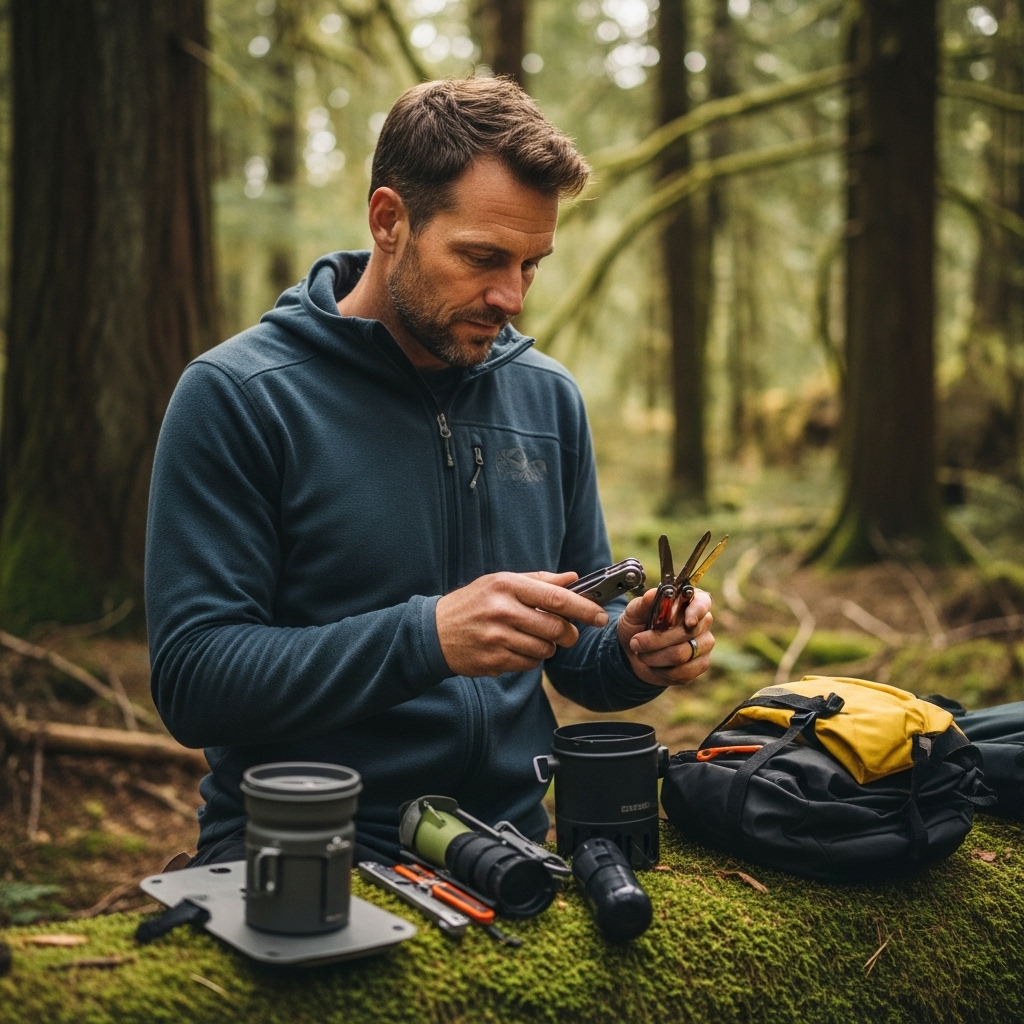

Managing a campsite full of excited children and bulky gear requires more than just loading the trunk and hoping for good weather. Packing the vehicle efficiently, keeping sleeping arrangements warm, and organizing camp meals can quickly overwhelm even seasoned outdoor enthusiasts. Learning how to plan a family camping trip transforms that chaotic scramble into a smooth, rewarding outdoor retreat. Reliable reference resources such as Field & Stream: Total Camping Manual provide tested methods for campfire cooking, campsite organization, and essential safety protocols. Pairing solid instructional guides with spacious shelters like reliable four-person family tents ensures everyone stays comfortable and protected throughout the weekend.
Preparation always begins long before anyone unrolls a sleeping bag or lights a camp stove. You need to map out meal schedules, verify local campground water supplies, and confirm that your shelter footprint matches your family size. A well-organized checklist helps avoid forgotten essentials like headlamps, first-aid items, and rain gear. Setting up designated living zones with campsite canopy shade shelters gives kids a protected area for games or dining away from direct sun and unexpected drizzles. Whether you consult The Family Camping Guide for beginner-friendly survival tips or study detailed field manuals, thoughtful planning guarantees a safe and memorable outdoor experience.


Frequently Asked Questions
What are the first steps in how to plan a family camping trip for 2026?
The first steps involve selecting an accessible campground with reliable potable water, reserving your site months ahead, and testing your gear before leaving home. Developing a practical packing checklist and scheduling simple make-ahead meals prevents unnecessary campsite stress. Establishing clear safety boundaries around campfire pits and identifying local wildlife protocols also ensures everyone stays secure throughout your stay.
How far in advance should you reserve a family campsite?
You should reserve popular state and national park campsites four to six months in advance. Many established parks open booking windows half a year early, and family-friendly sites with level tent pads, shade trees, and flush toilets book up rapidly. Booking as soon as reservations open ensures you secure an accessible location close to essential facilities without settling for overflow areas.
What tent size is best for a family camping trip?
A tent rated for two people beyond your actual group size provides the necessary space for comfortable sleeping and indoor gear storage. Stated tent capacities measure shoulder-to-shoulder sleeping pads without accounting for duffel bags, extra bedding, or restless children. For rainy forecasts, choosing heavy-duty weatherproof shelters with a full-coverage rainfly keeps living areas dry and protects personal gear.
What is the most effective way to organize meals for family camping?
Pre-cooking ingredients at home and packing individual meals in clear, labeled storage bins is the most efficient camp kitchen strategy. Chopping vegetables, marinating meats, and measuring dry pancake mixes before departure cuts campsite prep time in half. Packing two separate coolers, one for frequent beverage access and another dedicated strictly to dinner perishables, helps preserve your ice supply across multi-day trips.
How do you secure a family campsite against inclement weather?
Pitching your shelter on elevated, well-draining ground and securing all guy lines prevents water pooling and wind collapse. Always clear the ground of sharp debris, stake out tent corners using durable tent stakes for secure pitching, and angle the entryway away from prevailing wind patterns. Setting up an auxiliary tarp over the dining table ensures your group maintains a dry communal area during unexpected afternoon storms.




Write Your Review
No reviews yet. Be the first to share your experience!