
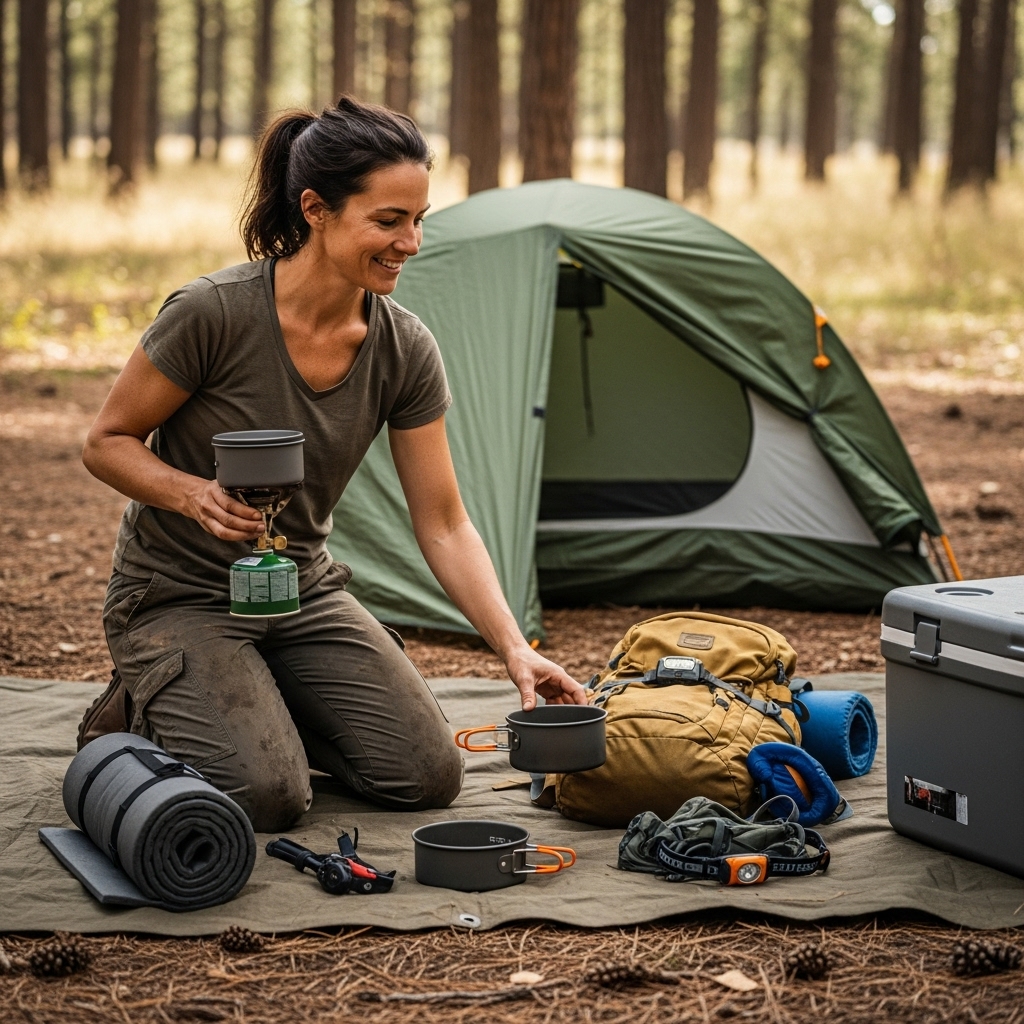

Campsite reservation fees, packed loops, and rigid check-in schedules often complicate a simple weekend trip into the woods. Learning how to find free dispersed camping allows you to bypass crowded grounds and pitch a shelter across quiet Bureau of Land Management (BLM) territory and national forest acreage for zero dollars. Setting up camp in primitive areas demands thorough self-reliance because these undeveloped parcels lack running water, picnic tables, and trash cans. Packing essential items like durable water filters for off grid camping ensures you maintain safe hydration while preserving remote wilderness environments.
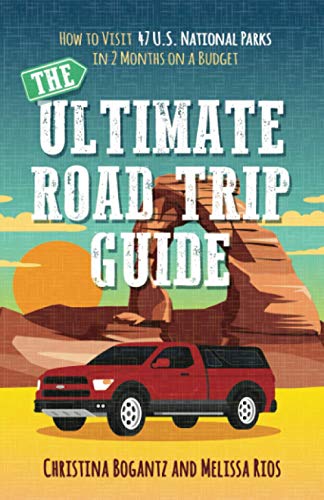
Careful map evaluation makes the difference between an incredible mountain view and getting stuck down an unmaintained spur road. Practical resources such as Public Lands Camping for Beginners and RV Boondocking Guide 2025 – 2026 explain the motor vehicle use rules, legal boundary lines, and stay limits needed to camp responsibly. Carrying sturdy multi purpose camping tools also helps with site maintenance and quick gear fixes well beyond cell towers. Understanding these public land regulations gives you the freedom to set up camp safely and confidently under open skies.


Off-Grid Dispersed Camping Questions Answered
Where is free dispersed camping legally allowed in the United States?
Free dispersed camping is permitted on most federally managed public lands, particularly within Bureau of Land Management parcels and United States Forest Service boundaries. State trust lands and wildlife management areas sometimes allow primitive camping, though rules differ widely between individual states. National parks generally prohibit dispersed stays, restricting overnight camping to designated fee campgrounds or permitted backcountry zones. Checking the local ranger district motor vehicle use map before your trip confirms which dirt roads legally allow roadside camping.
Do you need a permit or reservation for dispersed camping?
No reservations or entry permits are typically required for standard dispersed camping on national forest or BLM land. Sites are available entirely on a first-come, first-served basis along established spurs and pullouts. Certain popular wilderness areas or fire-prone districts may require a free seasonal campfire permit or registration slip at an entry kiosk. Contacting the appropriate field office ahead of time ensures you comply with any temporary fire bans or travel restrictions in the area.
What sanitation gear is necessary when camping without facilities?
Self-contained sanitation equipment is required because dispersed campsites offer no restrooms, running water, or trash dumpsters. A hand trowel allows campers to dig a six-inch cathole for human waste at least 200 feet away from trails and natural water sources. Adding dedicated portable hand washing stations keeps campsite cooking and cleaning hygienic without wasting excess water. All food wrappers, graywater solids, and hygiene trash must be packed out completely in sealed bags.
How long can you stay at a single dispersed campsite?
Most federal agencies enforce a stay limit between 14 and 16 consecutive days within any 28-day period at one location. Once that maximum duration is reached, regulations require moving your camp a specified distance, commonly 25 to 30 miles away. These time limits prevent permanent settlement and give sensitive topsoil and surrounding plants time to recover from tire tracks and foot traffic. Observing these limits protects public lands so other campers can enjoy clean, open campsites year-round.
Can RVs and travel trailers safely access dispersed campsites?
Yes, many BLM access roads accommodate trailers and motorhomes, though road ruts, low branches, and tight turnarounds present real challenges. Large rigs require adequate onboard freshwater, black tank storage, and auxiliary power before pulling off paved highways. Bringing durable outdoor cooking sets makes meal prep efficient outside the rig while conserving interior battery power. Scouting unpaved side spurs in a passenger car or on foot prevents bottoming out heavy campers on washboard dirt tracks.
What is the most reliable way to locate dispersed sites before arriving?
Comparing agency motor vehicle use maps with satellite imagery provides the clearest view of legal dispersed pullouts. Printed guides like Public Lands Camping for Beginners and RV Boondocking Guide 2025 – 2026 offer direct advice on navigation, required gear, and boundary lines. Downloading offline GPS layers guarantees you know property lines when cellular service cuts out in mountain valleys. Calling regional ranger stations directly delivers current updates on seasonal washouts, active logging, and road closures.





Write Your Review
No reviews yet. Be the first to share your experience!