
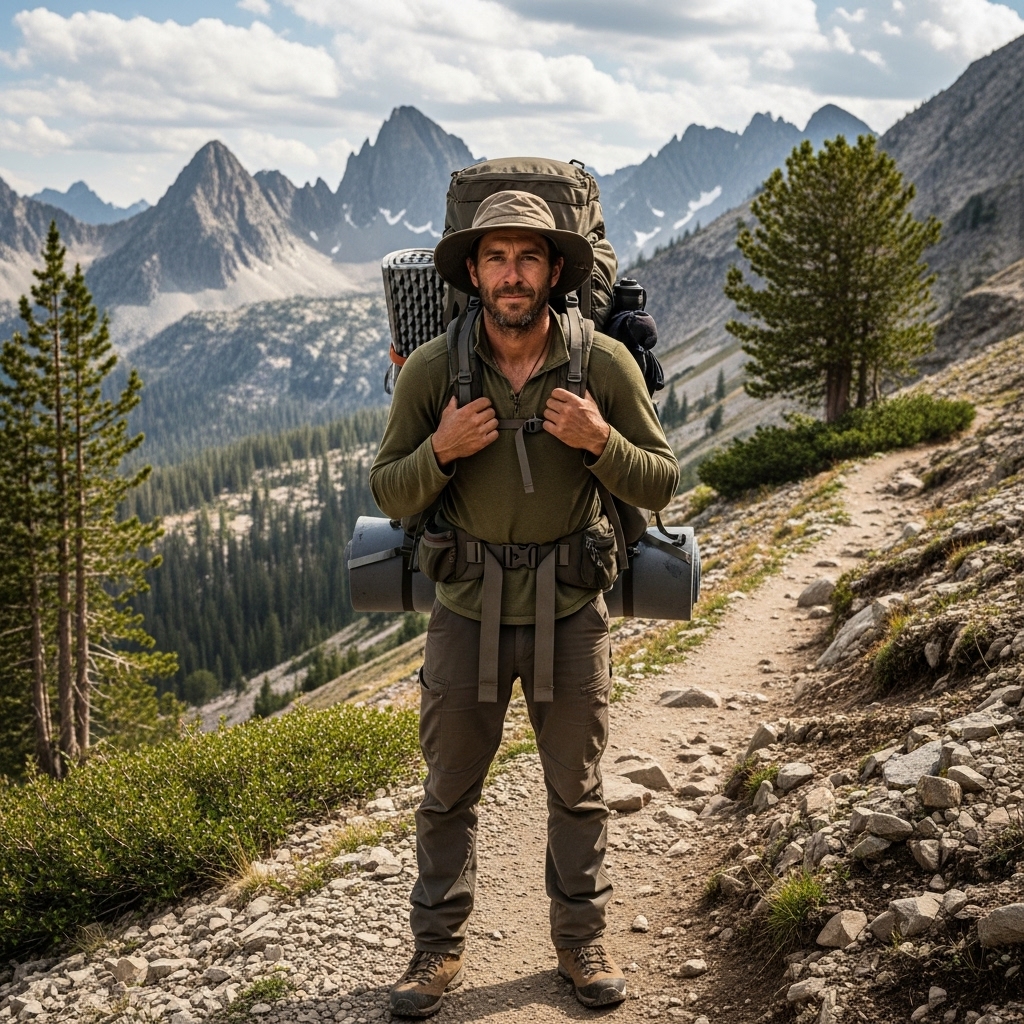

Solid campsite preparation often separates a restful weekend under the stars from a chaotic, sleepless ordeal. Dialing in your sleep system, organizing camp cookware, and understanding site layout ahead of time keep unexpected weather or forgotten gear from spoiling your outing. Learning how to have a good camping trip comes down to practical systems rather than packing every gadget in your garage. Packing a reliable campsite shelter setup alongside organized storage bins creates a functional basecamp where everyone stays dry, warm, and fed without constant scrambling. For family outings, pairing your gear with a spacious four-person family shelter gives everyone dedicated sleeping room while keeping duffels neatly arranged out of damp grass.
Navigating campsite logistics also means planning for unpredictable weather, campsite layout, and daily routines before you pull away from the driveway. Establishing dedicated zones for cooking, sleeping, and trash disposal preserves camp cleanliness and minimizes nighttime wildlife hassles. You will also want reliable shade and rain coverage over your picnic table, which is where a sturdy campsite canopy shelter proves invaluable during sudden downpours or blistering midday sun. Balancing essential creature comforts with efficient packing ensures you spend less time wrestling with mismatched gear and more time relaxing around the evening fire.


Frequently Asked Questions
What is the most important factor in how to have a good camping trip?
Advance planning of shelter, sleep insulation, and meal logistics is the most critical element of a successful outing. Campers who organize gear by activity save considerable campsite setup time and prevent critical gear oversights. Testing gear in your yard before leaving confirms all poles, stakes, and lines are accounted for. Pairing adequate ground insulation with weather-appropriate bedding ensures restful sleep, which sets the tone for the entire outdoor experience.
How do you organize a campsite efficiently for a smoother stay?
Establish clear spatial zones for sleeping, food preparation, dining, and waste disposal immediately upon arrival. Keep sleeping quarters upwind and separate from your cooking area to deter curious wildlife and manage cooking odors. Securing your shelter with reliable tent stakes and guy lines keeps the structure stable during unexpected gusts. Clear pathways between tents and common areas prevent nighttime tripping hazards over root systems and gear bags.
How can campers stay warm and dry during chilly night conditions?
Layering proper ground insulation underneath your sleeping pad prevents cold soil from draining your body heat. Using a sleeping pad with adequate thermal resistance matters just as much as your sleeping bag rating. Campers facing freezing conditions should consider a specialized cold-weather camping shelter designed to handle heavy moisture and stiff breezes. Changing into clean, completely dry thermal base layers right before bed prevents trapped daytime sweat from chilling your skin overnight.
What simple camp kitchen strategy prevents mealtime stress?
Pre-cooking and portioning meal ingredients at home eliminates prolonged camp prep work and excessive dishwashing. Pack a two-burner camp stove along with matches, pre-cut vegetables, and marinated proteins in sealed bags inside a well-chilled cooler. Keeping gray water buckets and biodegradable soap nearby makes cleanup prompt and straightforward. Stowing non-perishable food securely inside your vehicle keeps animals away and protects dry goods from damp morning dew.
How do beginner campers avoid overpacking outdoor gear?
Focus on the foundational basics of shelter, sleep systems, water, lighting, and simple cookware before packing non-essential campsite luxuries. Group essential items into clear, labeled plastic tubs to monitor total cargo bulk and vehicle payload. A practical field handbook or trip planner helps you follow a structured checklist rather than guessing what might come in handy. Leaving surplus novelty equipment at home saves trunk space and significantly reduces packing and unpacking fatigue at camp.


Write Your Review
No reviews yet. Be the first to share your experience!