

Balancing Campsite Comfort Against Real Trip Expenses
Gear choices dictate how much money stays in your wallet when heading outdoors for the weekend. Investing in essential campsite infrastructure like sleeping pads, weather-resistant shelters, and reliable cook setups adds up quickly, which leaves many beginners wondering how expensive is camping before their first excursion. A simple weekend outing can cost under fifty dollars if you’ve already got basic blankets and cook over open coals, but building a complete vehicle-camping setup can reach several hundred dollars quickly. It’s smart to assess your immediate trip requirements versus long-term gear durability so you don’t overspend on specialized accessories before understanding your actual campsite routines.
Smart campsite preparation balances essential gear purchases with recurring travel fees, such as state park permits and firewood supplies. Storing gear neatly with backpack organizers keeps critical items protected and reduces accidental re-purchases before each journey. You can keep meal expenses manageable by pairing basic camp staples with proven outdoor cooking sets rather than dining out during travel. Careful evaluation of listed product dimensions, materials, and genuine campsite necessities ensures you invest only in equipment that matches your specific travel style and practical comfort goals.


Frequently Asked Questions About Camp Expenses
What is the average upfront cost for a beginner camping setup in 2026?
A basic beginner setup typically costs between $150 and $400 for entry-level gear. This initial investment covers a budget tent, synthetic sleeping bags, foam sleeping pads, and basic campsite lighting. Campers who already own household blankets or choose car camping can trim these startup costs significantly. Upgrading to lightweight backpacking equipment or premium weatherproofing will naturally raise the starting price.
Does campsite booking add a significant fee to How Expensive Is Camping?
Campsite reservations typically add $15 to $45 per night depending on park location and hookup amenities. Primitive tent sites on public lands or national forests often charge under $20, while developed state and national park sites with potable water or electric hookups reach higher nightly rates. Dispersed camping on designated public lands can be free, though it requires carrying all your water and waste management gear.
Can packing multi purpose camping tools help lower trip expenses?
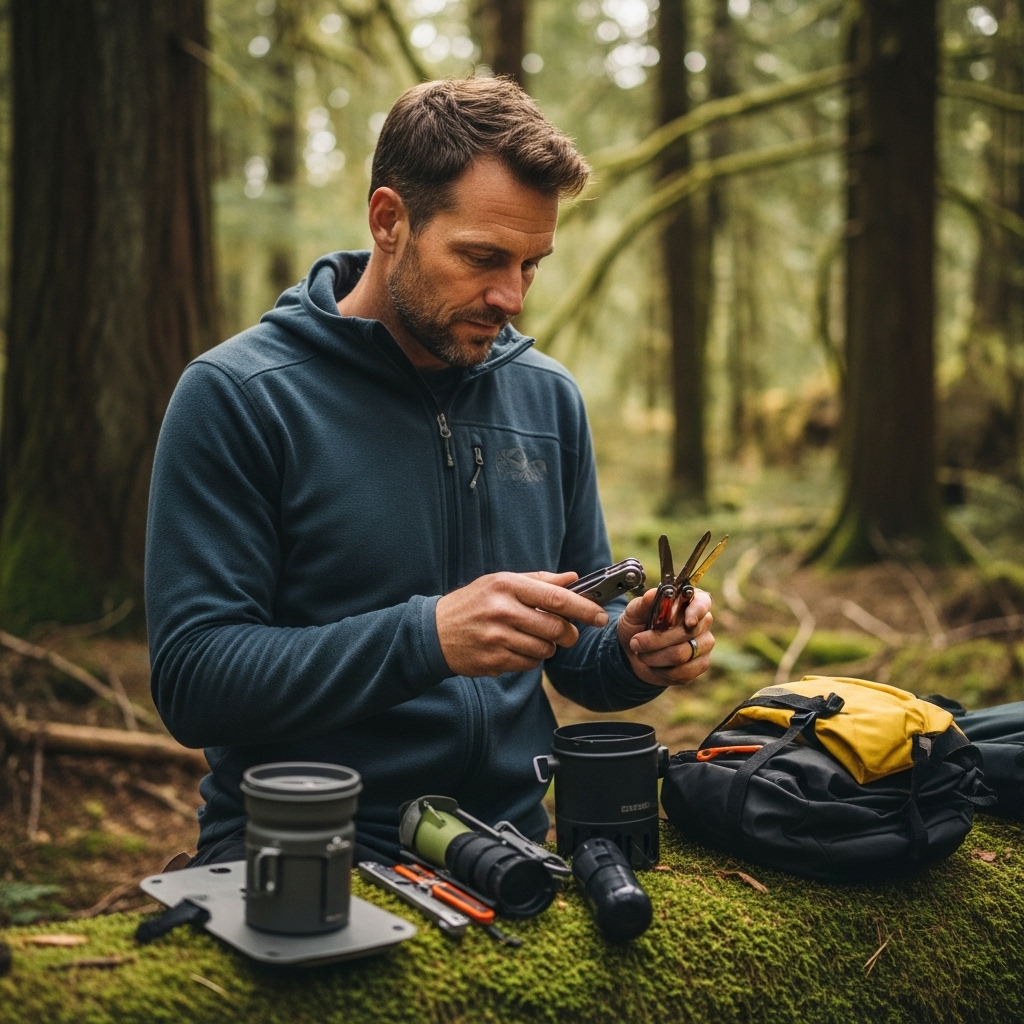
Versatile equipment reduces expenses by replacing multiple single-use implements with one compact design. Investing in reliable multi purpose camping tools cuts down on pack bulk and prevents emergency purchases at pricey camp store outposts. Compact implements handle everything from tent stake extraction to basic gear adjustments, keeping your packing list light and budget intact.
Is car camping cheaper than backpacking?
Car camping is generally much cheaper than backpacking because it allows you to repurpose household items. Traditional vehicle campers can use standard bed pillows, heavy blankets, and domestic kitchen pans without worrying about packed dimensions or trail weight. Backpacking demands ultralight fabrics, compact sleeping pads, and specialized stoves that carry substantially higher price tags.
How can campers reduce recurring food and water expenses on outdoor trips?
Campers cut recurring trip expenses by prepping meals at home and utilizing reliable campsite purification. Relying on portable filtration rather than single-use bottled water jugs eliminates ongoing plastic purchases while keeping off-grid camps hydrated. Cooking large batches of dry pantry staples over camp stoves also prevents expensive convenience food purchases during travel.


Write Your Review
No reviews yet. Be the first to share your experience!