
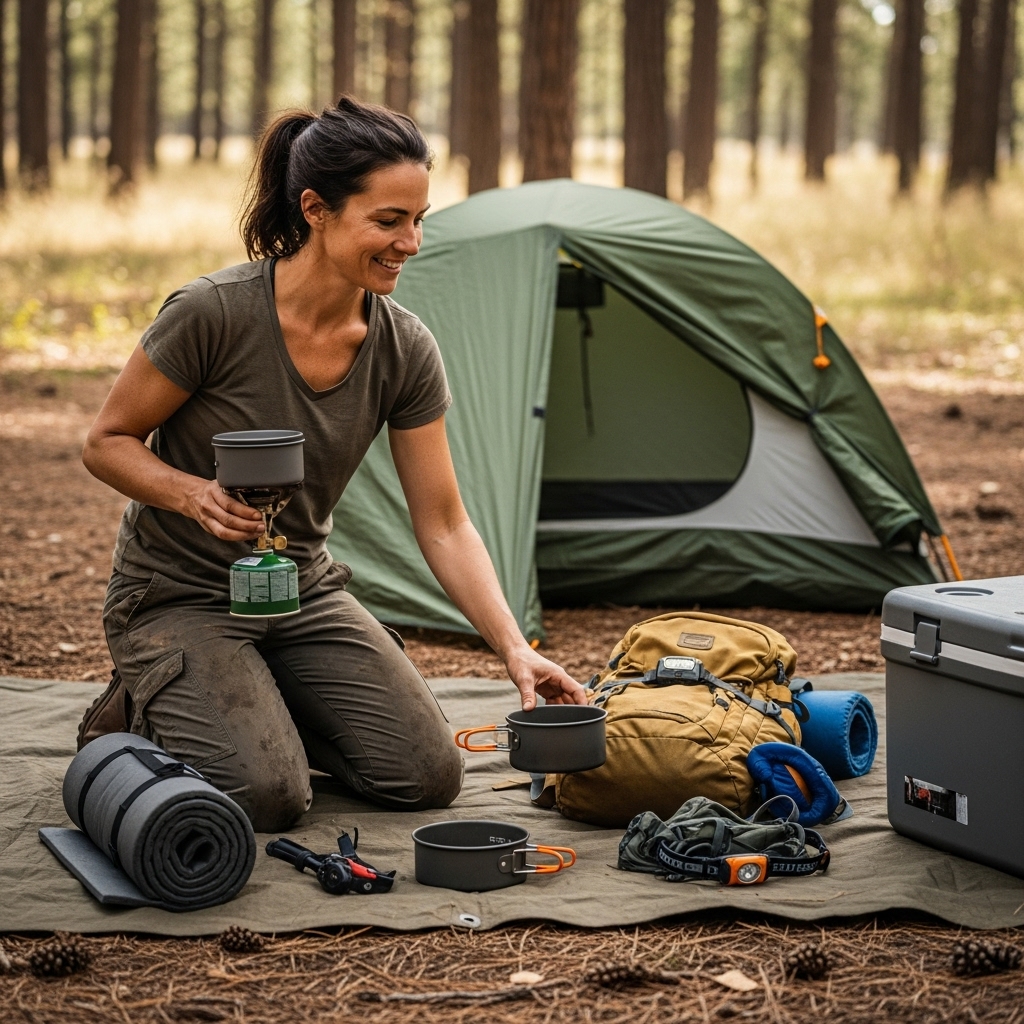

Setting up your first campsite doesn’t have to feel like a high-stakes guessing game. Packing smart gear makes the difference between an unforgettable weekend under the stars and a miserable night battling damp bedding. If you want to learn how to start camping, starting with established car camping grounds gives you an easy safety net while mastering basic outdoor routines. Evaluating packed bulk against interior comfort helps prevent overcrowding in your vehicle trunk. Investing in a straightforward, spacious car camping tent gives beginners reliable headroom and basic weather protection without complicated pole assemblies.
Practical trip preparation always trumps buying expensive, overly specialized survival gadgets. Sleeping systems require particular attention because an insulated pad works together with your sleeping bag to prevent overnight chill. Based on product specifications and user feedback from novice campers, mastering essential camp cooking and basic fire safety builds lasting confidence outdoors. You’ll quickly see that organized campsite storage keeps food away from critters and cuts down on evening frustration. Taking small steps on your initial outings turns initial hesitation into pure outdoor enjoyment.


Key Considerations for New Campers and Outdoor Setups
What basic shelter setup works best for beginner campers?
A freestanding three-season dome tent offers the most practical balance of simple assembly and weather resistance. Dome frames utilize crossing flexible poles that stand upright without immediate guyline tension. This structure lets you reposition the tent easily to locate level ground and proper campsite drainage. Adding a waterproof rainfly protects against morning condensation and unexpected wind.
How should first-time campers plan sleeping gear for overnight warmth?
A dedicated sleeping pad combined with a temperature-rated sleeping bag provides essential warmth and cushioning. Cold ground pulls body heat away much faster than ambient air, making the pad’s insulating layer vital. Beginners often rely on home blankets, but specialized camping pads prevent conductive heat loss. Matching bag temperature ratings with forecast nighttime lows ensures restful sleep.
How many nights should a beginner spend on a first camping trip?
A one-night or two-night weekend stay at an established state park is ideal for testing new equipment. Short trips limit physical fatigue and help you identify gear adjustments without unnecessary stress. Consulting clear camping night requirements and trip planning guides helps first-timers organize efficient packing routines. Staying near home also permits quick departures if inclement weather arrives.
Do beginner campsites require a separate shade shelter?
Yes, adding a shade canopy creates a dedicated dry space for cooking and gear staging outside your tent. Setting up a durable camp shade shelter over a picnic table protects meal prep from sudden rain and sun exposure. Keeping camp chores outside preserves clean, mud-free sleeping quarters. It also prevents wet outerwear from cluttering your primary shelter floor.
What cooking setup is safest for novice campers?
A compact two-burner propane stove provides consistent, controllable flame output for first-time camp cooks. Propane canisters eliminate the soot and ignition hassles common with damp campfire wood. Always store food and coolers securely inside your vehicle trunk overnight to deter wildlife. Positioning your cooking area well away from your sleeping quarters maintains proper campsite safety.


Write Your Review
No reviews yet. Be the first to share your experience!