
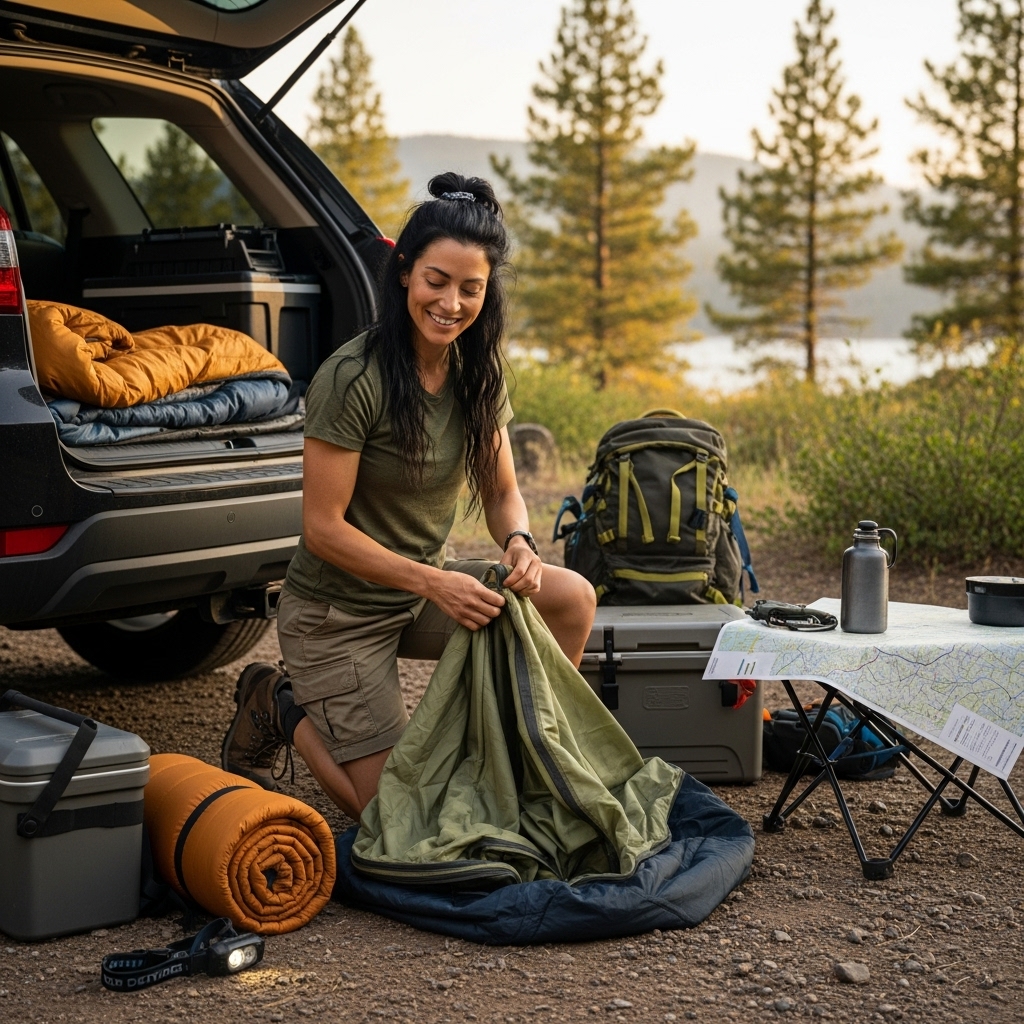

Securing the right campsite before peak season kicks off saves hours of frustration at crowded park gates. Learning how to book camping spots early ensures you get level tent pads, reliable shade, and easy access to fresh water without settling for overflow spaces. Between state park reservation windows and busy national forest recreation portals, locking in your dates takes some forward planning. Pairing a confirmed reservation with a solid guide or trip planner makes packing much simpler, especially if you need space for a sturdy car camping tent or family gear layout.
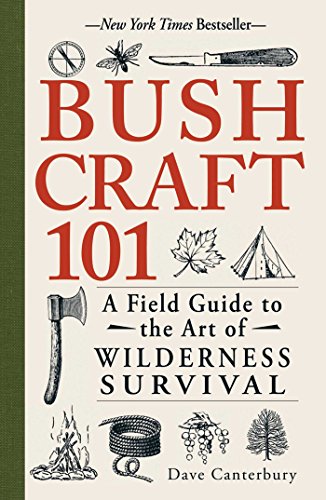
Smart outdoor prep goes beyond simply clicking reserve on a recreation website. Veteran campers always double-check vehicle length limits, fire ring regulations, and nearby amenities to avoid unpleasant campsite surprises. Keeping track of reservation confirmation numbers, check-in cutoffs, and gear checklists in dedicated travel logs keeps your weekend smooth. Whether you are coordinating a quick weekend getaway or tracking nights under the stars for scout badges, having detailed field manuals and journals on hand prevents rookie mistakes from spoiling the trip.




Frequently Asked Questions
How far in advance should you reserve a campsite?
Most public campgrounds release reservation slots six months in advance. Federal and state platforms typically open booking dates at set morning hours, meaning popular holiday weekends fill within minutes. Logging into reservation portals early with account details ready gives you the best chance of securing a prime spot.
Can you book camping reservations on the day of arrival?
Yes, many campgrounds offer same-day walk-up or first-come, first-served sites. However, available spaces depend strictly on campsite vacancy rates and staff availability at the ranger kiosk. Arriving before midday gives you a much better opportunity to grab unreserved ground before nightfall.
What details should you record in a camping trip log?
Documenting site pad dimensions, nearby water hookups, trail distances, and weather conditions helps you plan future visits accurately. Keeping note of campsite numbers with good tree coverage or level ground saves research time for your next trip. Dedicated logbooks also give you space to record meal plans and packing lists so nothing important stays behind.
Does booking a campsite guarantee shade and weather protection?
No, standard campsite reservations only secure the physical parcel of land and its assigned parking pad. Natural tree canopy varies widely by loop, so bringing a protective camp shade shelter ensures reliable rain and sun defense over your picnic table. Reviewing user photos and campground maps before finalizing your stay helps confirm actual site exposure.
What should you check regarding vehicle and tent dimensions before booking?
Always verify the listed tent pad footprint and maximum driveway length on the reservation portal. A campsite rated for small setups cannot safely fit a large family shelter alongside a vehicle and a freestanding outdoor canopy. Reviewing site guidelines prevents issues with overflowing into fire lanes or damaging delicate roadside vegetation.


Write Your Review
No reviews yet. Be the first to share your experience!