
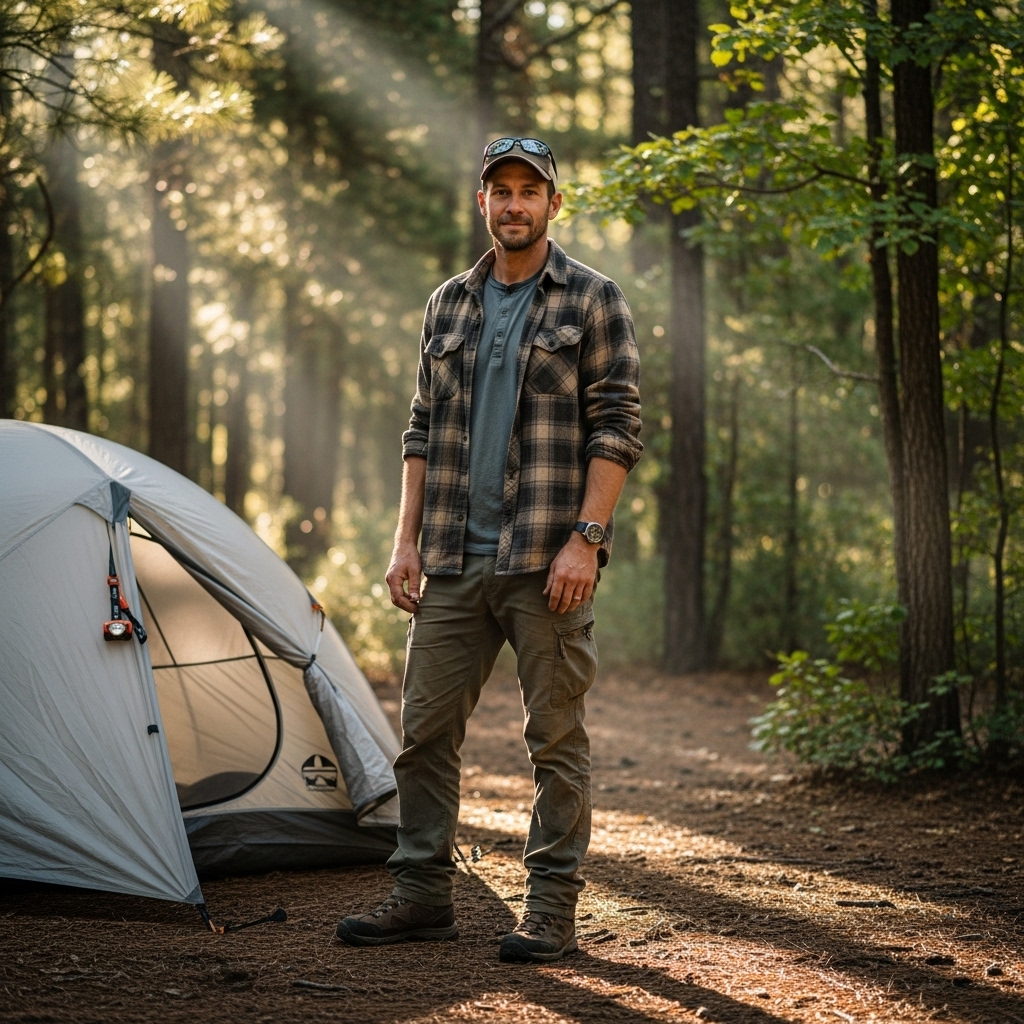

Securing a campsite without an advance reservation often catches road-trippers off guard. In national parks, state forests, and recreation areas across the country, what does walk up camping mean signifies a first-come, first-served site claiming system rather than an online booking. Campers simply arrive at the ranger booth or self-pay kiosk, pay the fee in person, and claim whichever designated unoccupied spot remains. It’s a system that rewards early arrivals, flexible itineraries, and compact vehicle storage. Understanding how these sites operate eliminates the panic of pulling into a trailhead at dusk with nowhere to pitch your shelter.
Arriving without a booking also changes how you pack and organize your outdoor gear. While many walk-up spots let you park right at the picnic table, some locations require carrying gear thirty to fifty yards from your vehicle. Managing loose gear with durable backpack organizers for camping keeps your vehicle tidy and makes quick setups painless. Knowing what to expect gives you a clear edge, helping you secure an open site before the weekend rush fills every fire ring.



Helpful Insights on First-Come Campsites and Reservations
How does a walk-up campsite differ from a walk-in campsite?
A walk-up campsite refers strictly to the reservation policy, while a walk-in site describes physical site access. Walk-up sites operate on a first-come, first-served basis where you cannot book ahead of time. In contrast, walk-in campsites require you to park in a central lot and carry your gear on foot a short distance to the tent pad. You can easily encounter a site that is both walk-up and walk-in, requiring prompt arrival as well as lightweight packing.
Do you have to pay immediately when claiming a walk-up campsite?
Yes, campers must complete registration and pay campsite fees immediately after occupying an empty post. Most state and federal campgrounds use self-service iron rangers with paper fee envelopes. You must deposit cash or a personal check into the lockbox within thirty minutes of parking, then attach the receipt stub to your campsite post. Rangers patrol these loops regularly, and failing to display payment can lead to citations or forfeiture of the space.
What is the best time of day to secure a walk-up camping spot?
Arriving between 6:00 AM and 10:00 AM yields the highest chance of snagging an open site. Most campgrounds enforce checkout times between 11:00 AM and noon, meaning departing campers pack up their tents during mid-morning. Staking out the registration board early lets you spot departing groups and tag their campsite post the moment they vacate. Friday afternoons are notoriously crowded, so arriving on a Thursday morning significantly boosts your odds.
Can you hold a walk-up campsite for friends who arrive later?
No, campground regulations generally prohibit saving empty campsites without physically occupying them. To legally claim a site, you must pay the fee and immediately place physical equipment such as a tent, vehicle, or camp chair at the space. Leaving an empty site tagged with just a receipt while waiting for others invites disputes from incoming campers who need immediate shelter. Each registered site must also adhere to specific vehicle and tent limits set by park managers.
What gear is most helpful when preparing for walk-up campsites in 2026?
Self-contained gear, reliable cash, and versatile hand tools are critical for unreserved sites. Because site amenities vary wildly from full picnic setups to primitive clearings, packing durable multi purpose camping tools ensures you can clear tent pads, hammer stakes, or adjust camp equipment quickly. You should also carry exact cash for iron ranger envelopes, a pen for filling out fee forms, and compact lighting for late setups.
Is there a stay limit on first-come, first-served campsites?
Yes, most public campgrounds establish a maximum stay limit ranging from seven to fourteen consecutive days. These limits prevent long-term homesteading and ensure equitable access for traveling recreationists throughout peak seasons. Once you reach the maximum stay duration, park rules typically require vacating the entire recreation area for a specified cooldown period before returning.


Write Your Review
No reviews yet. Be the first to share your experience!