
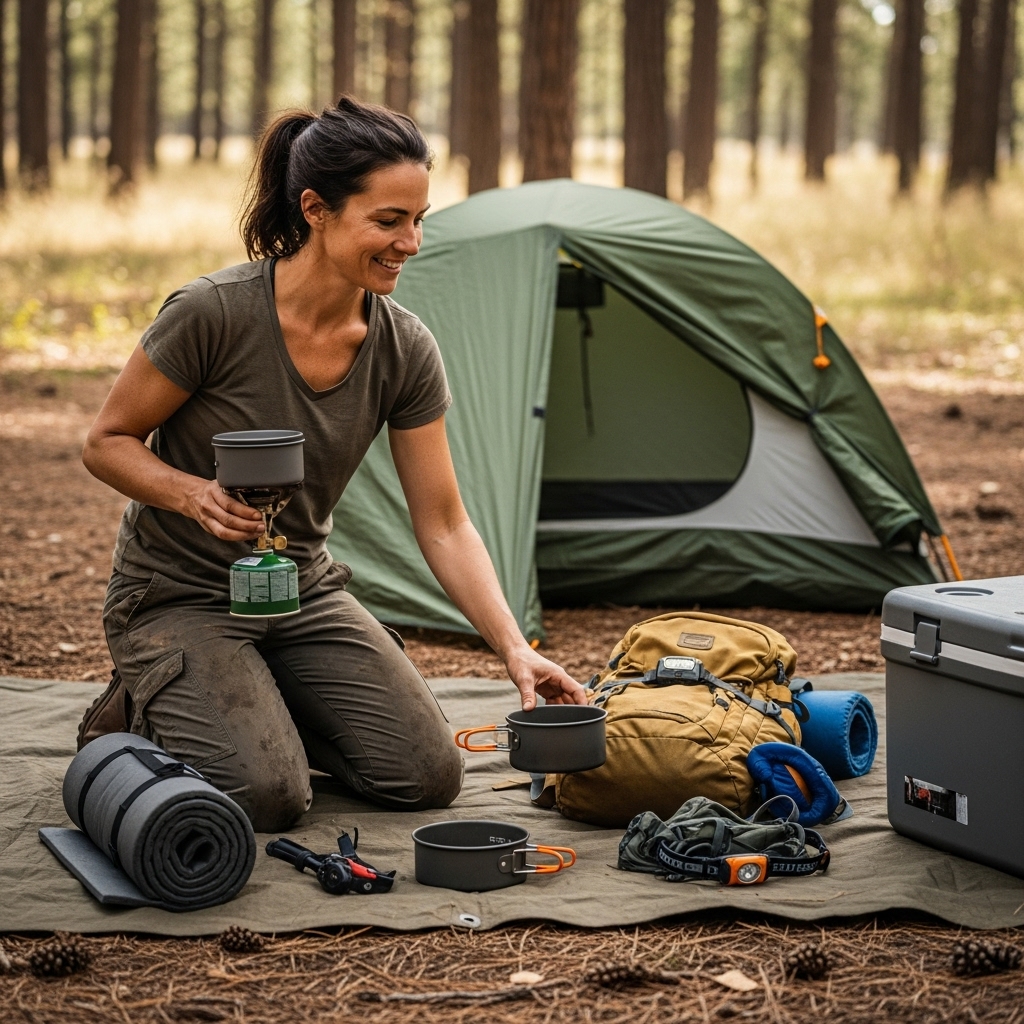

Pitching camp far away from crowded resort loops gives you quiet mornings, open horizons, and true privacy. Public lands managed by the Bureau of Land Management and the United States Forest Service offer millions of acres where primitive camping is legal and accessible. Understanding how to find dispersed camping spots requires knowing exact land boundaries, access road conditions, and self-contained waste management before you drive past the pavement. Off-grid travel demands reliable utility planning because dispersed areas lack water spigots and dumpsters. Securing potable water remains a primary concern away from developed hookups, so packing durable water filters for off grid camping keeps your setup self-sufficient.
Reference resources like the RV Boondocking Guide 2025 – 2026 highlight practical location tactics, off-grid power calculations, and basic equipment needed for staying comfortable without utility hookups. Motor Vehicle Use Maps published by the Forest Service indicate exactly where motorized dispersed camping is permitted along designated dirt spurs. Digital satellite imagery paired with offline GPS mapping allows you to verify campsite grade and vehicle turnaround space before pulling off the highway. Proper preparation ensures you stay safe while keeping public lands open for future campers.

Frequently Asked Questions
Where is dispersed camping legally permitted on public land?
Dispersed camping is legally permitted across most BLM lands and national forests unless a specific district order prohibits it. Campsites must generally sit outside developed recreation areas, typically within 100 to 300 feet of an open route as marked on local Motor Vehicle Use Maps. State trust parcels and wildlife refuges often enforce separate permits or outright bans, so checking local jurisdiction beforehand is essential. Setting up only on recognized public property prevents trespassing citations and protects fragile wilderness areas.
How long can you stay at a single dispersed camping location?
The standard stay limit on BLM territory and national forest property is 14 days within any 28-day consecutive window. Once you reach that 14-day limit, agency regulations require moving your entire camp at least 25 miles away to let the native vegetation recover. Popular districts sometimes post shorter seasonal caps, which makes checking ranger alerts a practical necessity. Moving on schedule prevents vegetation loss and ensures fair access for other travelers.
What digital mapping tools work best for primitive campsites?
Offline navigation apps like Gaia GPS, OnX Offroad, and official Forest Service map files provide the most reliable site guidance. These tools display public boundaries with distinct color layers, showing clear divides between private ranches and public property. Downloading maps prior to leaving cell coverage prevents navigation failures in remote canyons. Satellite overlays also allow you to verify road conditions and clearings before towing gear into tight spots.
How do you manage sanitation without campsite bathrooms?
You must pack out waste in sealed cassette toilets or dig a six-inch cat-hole at least 200 feet away from natural water sources. Washing dishes directly in streams contaminates sensitive creek habitats and drinking sources. Setting up clean gear like portable hand washing stations for camping maintains personal hygiene while preventing graywater from polluting nearby soil. Packing durable trash sacks ensures all scraps return to town collection points.
What recovery tools are necessary for dispersed vehicle camping?
Carrying a compact shovel, traction pads, a tire deflator, and a tow strap is vital before driving down unmaintained forest roads. Rutted tracks and loose gravel shoulders create real recovery challenges for standard vehicles. Packing dependable gear like multi purpose camping tools for campers helps you trim dead branches and grade uneven tire spots around your parking area. Proper utility tools prevent minor trail obstacles from turning into costly tow bills.
Are campfires permitted at undeveloped campsites?
Campfires are allowed at undeveloped sites only when local fire danger stages allow open burning and you use existing fire rings. High summer heat often triggers strict fire bans across dry regions, which prohibits open campfires completely. Western states often require carrying a free campfire permit even to operate portable canister stoves. Clearing debris around the fire ring and drowning coals with plenty of water keeps wild forests safe from accidental blazes.



Write Your Review
No reviews yet. Be the first to share your experience!