
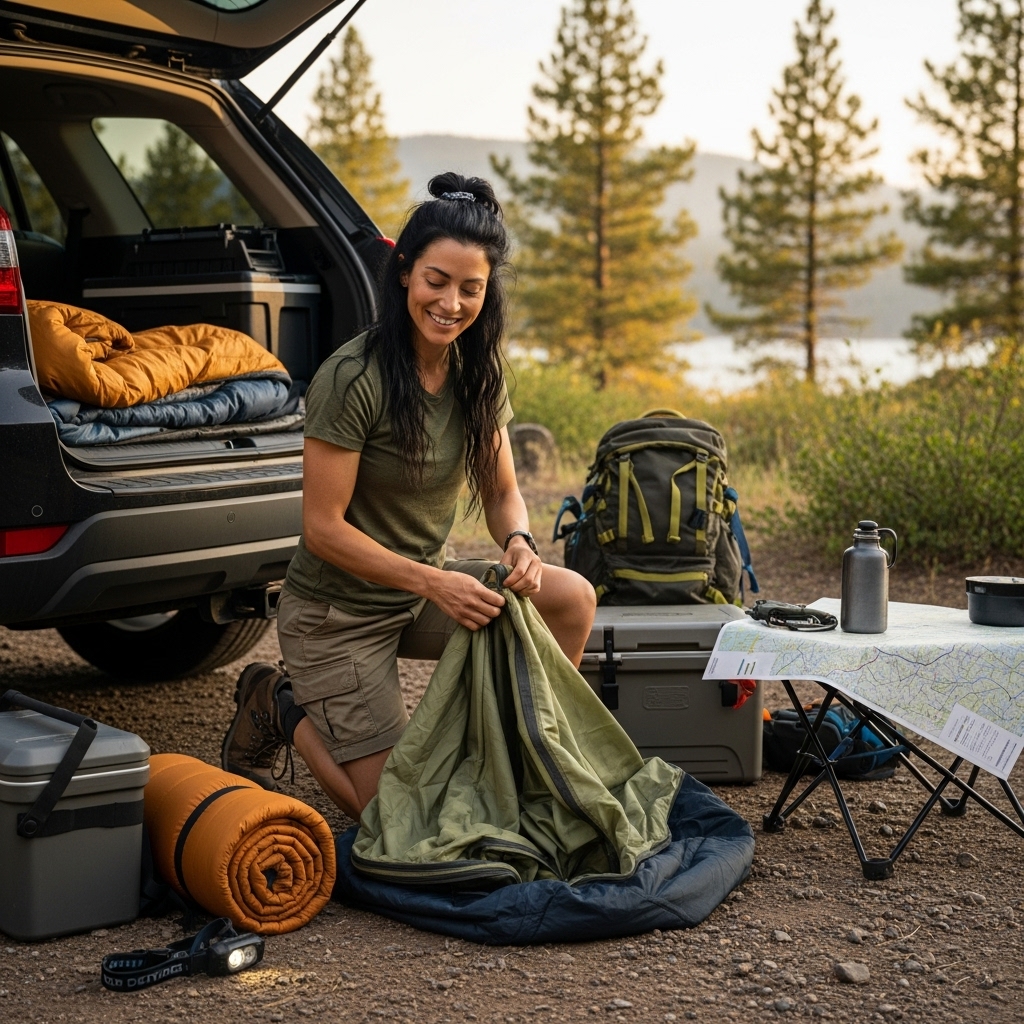

Coastal campsites present unique challenges that quickly turn a scenic trip into a gritty mess without proper preparation. Shoreline sand clings to footwear and abrades tent fabrics, making dedicated barriers essential for seaside comfort. Figuring out what do you need for beach camping begins with keeping sand out of your sleeping quarters while securing reliable shade. A woven outdoor floor mat creates an effective buffer at your shelter entrance, while a reliable canopy tent for campsite shade protects your group against harsh coastal sun and steady ocean breezes.
Managing freshwater and personal hygiene becomes equally critical once saltwater settles on skin and cooking utensils. Using dedicated portable hand washing stations rinses sticky brine from hands and feet before anyone steps onto clean bedding. Assessing essential beach camping gear means balancing wide ground coverage with fast packability across loose dunes. Practical items like high-coverage outdoor mats and compact camp essentials make coastal trips noticeably more comfortable.




Frequently Asked Questions About Beach Camping Essentials
Why is a woven outdoor mat necessary for beach camping?
A woven outdoor rug prevents loose sand from entering sleeping quarters while letting trapped particles sift through the weave. Solid tarps trap grit on top, but woven polypropylene mats let sand fall beneath your feet. This material resists water and dries quickly under seaside humidity. Placing a dedicated mat outside your tent door minimizes abrasive wear on tent floors.
How do you secure beach campsite gear against coastal winds?
Sand anchors, weighted sandbags, and reinforced corner guy lines provide the holding strength needed to stabilize coastal setups against ocean winds. Standard metal pegs pull loose immediately from soft sand. Campers often anchor large outdoor mats using corner tie-downs buried in firm substrate or weigh them down with heavy coolers. Securing shelter corners early prevents gusts from dislodging gear.
What cooking equipment works best on sandy coastal campsites?
Enclosed camp stoves paired with compact cookware sets equipped with tight-fitting lids work best to prevent windblown sand from entering your food. Sturdy outdoor cooking sets for camping feature nesting pots and wind-resistant cookware designed for exposed sites. Elevating camp kitchen gear on a camp table keeps blown grit off surfaces. Storing clean dishes inside sealed bins protects them from salty mist.
Can regular tent stakes be used in loose beach sand?
No, standard thin metal tent stakes lack the surface area required to hold tension in loose coastal sand. Shoreline shelters require wide, curved sand stakes or fillable sandbags to resist displacement from coastal breezes. When standard pegs fail, burying driftwood or rocks horizontally under a foot of wet sand creates strong deadman anchors. Sand-specific stakes ensure your rainfly stays taut throughout the trip.
How should you maintain and clean camping gear after beach trips?
Rinsing all equipment thoroughly with fresh tap water removes corrosive salt residue and abrasive sand before long-term storage. Salty ocean air corrodes zipper sliders, metal grommets, and pole ferrules if left uncleaned. Shake out woven plastic mats and allow fabrics to dry completely in the shade to prevent mildew. Inspecting gear after each shoreline outing keeps equipment ready for your next outdoor trip in 2026.





Write Your Review
No reviews yet. Be the first to share your experience!