

Planning an off-grid wilderness trip requires balancing campsite freedom with public land rules. Campers often ask whether is dispersed camping allowed in national parks before heading into remote territory. In short, traditional dispersed camping without fees or designated sites is prohibited in almost all U.S. National Parks. These protected parklands restrict overnight stays strictly to developed campgrounds or regulated wilderness areas that require backcountry permits. Instead, travelers looking for free roadside camping usually head to neighboring Bureau of Land Management (BLM) territory or National Forest tracts bordering park entrances.
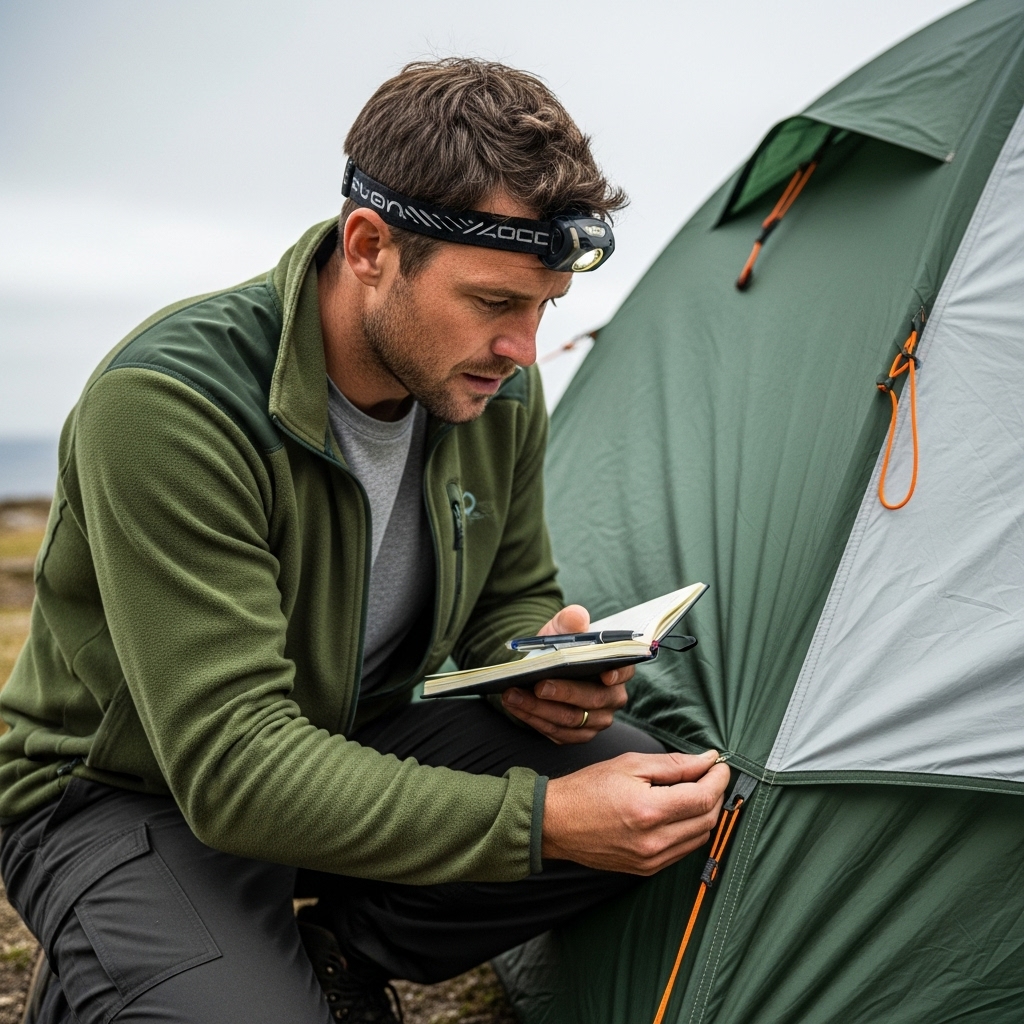
Camping on perimeter public land demands full self-sufficiency since primitive sites lack piped water, trash service, and restrooms. Packing durable water filters for off grid camping keeps drinking water safe near natural streams, while bringing reliable multi purpose camping tools makes managing remote setups much simpler. Keeping your route organized with the InnoBeta National Parks Gifts journal also lets you record road numbers and permit checkpoints accurately. Checking local ranger district regulations before you arrive prevents unexpected access closures and costly fines.


Frequently Asked Questions About Park Camping Rules in 2026
Can you camp anywhere you want inside a national park?
No, you cannot set up camp anywhere you choose inside national park boundaries. The National Park Service restricts overnight stays strictly to designated campgrounds or marked wilderness zones. Camping outside approved areas harms sensitive terrain and can result in federal citations from park rangers.
What is the main difference between dispersed and backcountry camping?
Dispersed camping involves free, vehicle-accessible camping outside developed campgrounds on public land, whereas backcountry camping requires hiking into remote wilderness zones. National parks strictly regulate backcountry access through mandatory permits and quota systems. In contrast, dispersed camping on neighboring Forest Service lands rarely requires reservations.
Where can you find legal dispersed camping near national parks in 2026?
Legal dispersed camping is widely available on U.S. Forest Service and Bureau of Land Management lands bordering park gates. These public lands typically allow primitive camping along designated dirt roads for up to 14 consecutive days. Checking official Motor Vehicle Use Maps ensures you pitch camp on authorized corridors.
Do you need special gear for perimeter dispersed campsites?
Yes, primitive perimeter sites require fully self-contained gear because they offer no water, tables, or toilets. Preparing meals with compact outdoor cooking sets for camping keeps food prep contained and minimizes trash. Pack-out sanitation gear is equally essential to leave no trace in fragile borderlands.
How do you maintain sanitation when dispersed camping near parks?
Proper sanitation requires carrying your own waste disposal supplies and camping at least 200 feet away from any water source. Utilizing portable hand washing stations for camping helps maintain clean hands without polluting nearby creeks. Campers must pack out all solid waste, toilet paper, and food scraps to protect surrounding ecosystems.




Write Your Review
No reviews yet. Be the first to share your experience!