
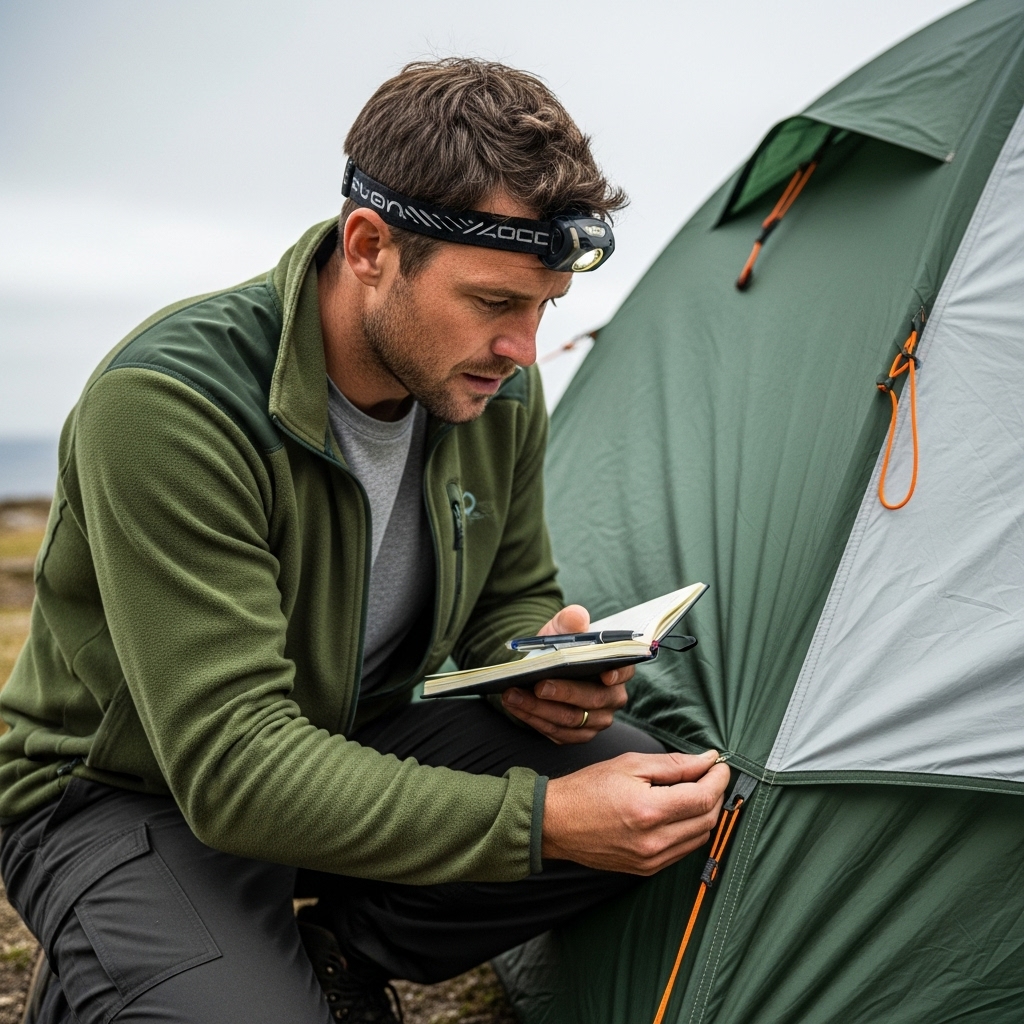

Packing up camp at dawn often brings an unexpected physical battle when ground anchors refuse to budge. Knowing how to remove tent stakes efficiently protects your fingers, saves your back, and prevents damaged shelter webbing during takedown. Campers often drive pegs deeply into clay, rocky loam, or gravel to secure heavy-duty water-resistant camping tents against sudden gusts. When takedown time arrives, pulling straight up by hand can result in painful blisters or bent metal pegs that refuse to hold on your next trip.
Soil friction, vacuum resistance in damp earth, and hardened roots can lock even premium metal pegs firmly in place. Using controlled leverage, improvised pulling levers, or dedicated camp tools transforms this frustrating chore into a quick, routine task. Understanding proper mechanical technique ensures that you do not tear expensive guylines or bend your stakes into useless scrap metal. A methodical approach preserves your shelter equipment season after season while speeding up your departure from the backcountry.

Pros
- Dual-purpose head design drives stakes and pulls them without requiring extra tools
- Forged 45 carbon steel build provides solid driving force into compacted dirt
- Shock-absorbing rubber handle sleeve noticeably cuts down hand vibration
- Compact 10.8-inch length stores neatly inside gear totes or tent storage sacks
- High-visibility red handle makes the mallet easy to spot in tall grass or at dusk
Cons
- Total weight of 1.25 pounds makes it heavier than ultralight backpackers typically prefer
- Shorter handle length provides less extraction leverage compared to full-size framing tools
The DESHIL 10.8-Inch Camping Hammer and Tent Stake Remover is a dedicated campsite utility tool designed to simplify driving and pulling tent pegs. Weighing 1.25 pounds and built around a forged 45 carbon steel head, this mallet caters primarily to car campers, family campers, RV travelers, overlanders, and festival attendees who need reliable shelter anchoring in firm or rocky terrain. While ultralight backpackers often rely on campsite rocks to save pack weight, campers setting up larger family cabin tents, dining shelters, or heavy-duty tarps benefit greatly from a purpose-built tool that drives stakes straight without bending the metal or damaging tent grommets.
Campsite setup and takedown become noticeably smoother with a dual-function head. The flat steel striking face provides ample mass to seat aluminum, steel, or forged stakes into compacted soil, gravel pads, or packed clay. When breaking camp, the reverse side provides a claw remover with a built-in stake-pulling notch. This design allows campers to slip under peg hooks or through tie-down eyelets, applying direct upward leverage to dislodge stubborn stakes rather than straining fingers or tearing tent guylines.
Build quality focuses on impact resistance and user comfort. The head is forged from 45 carbon steel treated with an anti-corrosion coating to withstand damp grass, dewy mornings, and unexpected rainstorms. DESHIL incorporates a reinforced neck joint to resist bending or snapping when prying against resistance in hard ground. For hand protection, the handle features a textured rubber sleeve over a shock-absorbing TPU core, which the manufacturer states reduces vibration transfer by up to 70 percent. This non-slip grip gives campers confident control when striking stakes in wet weather or while wearing thick camp gloves.
At roughly 11 inches by 4.9 inches, this 16-ounce class hammer is compact enough to stow directly inside a tent carry bag, stake roll, vehicle trunk organizer, or camp kitchen bin. The bright red handle color serves a practical outdoor purpose, helping campers spot the tool quickly in tall grass, leaf litter, or while pitching shelter after sunset. Maintenance is straightforward, requiring only a quick wipe-down with a dry cloth after use to remove mud and moisture before seasonal storage.
There are a few practical trade-offs to keep in mind before purchase. Weighing 1.25 pounds, this tool is best suited for vehicle-supported camping rather than extended backpacking treks where every ounce counts. Furthermore, the compact 10.8-inch handle length prioritizes packability over raw mechanical advantage. While it handles standard tent pegs and heavy-duty steel stakes effectively, pulling extra-long canopy rebar or stakes frozen into deep winter ground may require a longer lever arm.
Based on product specifications and practical design features, the DESHIL Camping Hammer is a durable addition to any car camping or family campground kit. Backed by a lifetime replacement guarantee against manufacturing defects, it provides solid value for campers seeking to protect their shelter stakes, speed up camp setup, and eliminate the frustration of stuck pegs.
The DESHIL camping mallet is built for repeated heavy impact, utilizing forged 45 carbon steel for the main striking head. This grade of carbon steel provides high hardness and wear resistance, allowing the striking face to contact hard steel stakes repeatedly without chipping or deforming. An anti-corrosion protective coating shields the bare metal from moisture, helping prevent surface rust when the tool is used in wet grass, muddy campgrounds, or rainy weather.
A critical weak point on many budget camp mallets is the neck joint where the head connects to the handle. DESHIL addresses this stress concentration by engineering a reinforced neck joint designed to resist bending forces during aggressive stake pulling. When leveraging stuck stakes out of hard ground, the neck bears the mechanical load without warping.
User protection is integrated directly into the handle architecture. A shock-absorbing TPU core is surrounded by an ergonomic textured rubber sleeve, engineered to dampen striking shock before it reaches the wrist and elbow. This combination ensures a secure, cushioned grip that performs reliably across hot summer weekends and cold autumn campouts alike.
Pitching a tent securely requires driving stakes deep enough to withstand wind gusts, which can be challenging on hard-packed state park tent pads. The DESHIL hammer delivers concentrated, balanced striking power that drives stakes into rocky soil where lightweight plastic mallets or random camp rocks often fail. The flat face helps ensure clean, square impacts that keep stakes straight rather than bending them off-axis.
Camp takedown is often where outdoor equipment gets damaged, as campers pull on fabric loops or guy ropes to dislodge stuck stakes. The integrated claw remover and specialized puller notch engage directly with stake heads, providing steady leverage to pull pegs straight out of compacted ground. This preserves tent loops, prevents bent stakes, and saves considerable time when packing up camp in a hurry.
Storing the tool between trips is equally convenient. Its 10.8-inch profile allows it to slide alongside standard tent poles inside most tent storage duffels, ensuring the hammer is always stored right where it is needed when arriving at the next campsite.

Pros
- Galvanized steel construction resists bending and breaking during ground insertion
- Hot-dip galvanized coating protects against rust and outdoor moisture exposure
- High-visibility orange tops improve perimeter safety and help prevent campsite tripping
- Sharp pointed tip allows driving by hand, foot, or camping mallet into grass and dirt
- Convenient 10-pack quantity provides enough anchors for standard tents and tarps
Cons
- Listing does not provide product weight specifications, leaving total pack weight unclear for weight-sensitive packing
- Manufacturer notes they are not optimized for rocky ground without pre-softening the soil
- Seven-inch length may offer limited holding security in loose sand or deep snow compared to specialized anchors
The FEED GARDEN Heavy Duty Tent Stakes are a dedicated camping accessory pack designed to anchor outdoor shelters, tarps, and canopies. Sold in a 10-pack, these 7-inch ground pegs serve as a practical upgrade or replacement for the thin wire stakes often bundled with entry-level camping tents. They are well-suited for car campers, weekend campground visitors, and backyard canopy setups where reliable ground holding power is necessary to secure guy lines and tent corners against normal breezes.
Constructed from thick galvanized steel, these stakes feature a hot-dip galvanized finish engineered to resist rust and corrosion across wet ground and humid weather conditions. Each stake measures 7 inches long by 1.6 inches wide, with a 0.1-inch profile that tapers into a sharp pointed tip. This design allows campers to drive the pegs into grass, dirt, and packed earth using a standard camping hammer, the heel of a boot, or direct hand pressure when ground conditions allow.
A prominent functional element of these stakes is the molded, high-visibility orange head. In busy campsites, guy lines and ground anchors often create tripping hazards, particularly during dawn, dusk, or nighttime walks around the shelter. The bright orange tops make each peg easier to spot in turf or soil. The head design also creates an effective hook and anchor point for securing tent guy ropes, while offering sufficient surface area to grip and pull the stakes when striking camp.
While versatile for general camping, these stakes have specific terrain considerations noted by the manufacturer. They are designed primarily for turf, standard soil, and packed earth. If you encounter rocky or dense campsite surfaces, the manufacturer advises pre-softening the ground or choosing specialized longer or heavy-duty rock stakes to prevent damage. Furthermore, the listing does not state the exact weight per stake or the total bundle weight, so backpackers tracking base pack weight will need to weigh that missing specification against the durability of solid steel.
For car campers, festival attendees, and backyard organizers needing an affordable set of dependable replacement anchors, this 10-pack delivers practical utility. Ten stakes are typically enough to secure the four base corners and essential guy lines of a standard two- to four-person dome tent. If you pitch large family cabin tents, extensive tarps, or screen houses requiring extensive anchoring, verifying your total stake count before departure will ensure you have enough pegs for a secure pitch.
The FEED GARDEN tent stakes are manufactured from solid galvanized steel to resist bending under moderate mallet impact and lateral guy line tension. The steel core provides structural rigidity compared to lightweight aluminum wire stakes.
To protect against the elements, each stake features a hot-dip galvanized coating that shields the metal from rust and moisture damage during damp ground contact or prolonged rain exposure. The top of each stake is fitted with a durable, high-visibility orange cap designed for rope retention and pulling leverage.
These 7-inch stakes are engineered primarily for common campsite ground surfaces including manicured lawn grass, natural dirt, and moderately packed earth. The sharp point eases ground penetration whether driven by foot or a camping mallet.
Campers pitching in rocky or gravel-heavy pitches should take note of manufacturer guidance to soften the ground beforehand or switch to specialized stakes. The bright orange heads serve a dual role at camp by providing an obvious visual marker to reduce tripping accidents near tent perimeter lines.

Pros
- Noticeably lighter than standard iron stakes at approximately 0.07 pounds each
- High-visibility orange color makes stakes easy to spot in tall grass, dirt, and dim lighting
- Included storage bag keeps dirty or pointed stakes safely contained away from tent fabric
- Crafted from rust-resistant metal for extended outdoor service in damp conditions
- Generous 12-pack quantity provides enough anchors for a complete family tent or multiple tarps
Cons
- The product listing does not state the exact metal alloy or grade used in construction
- At 7.1 inches with a straight profile, these pegs may offer limited hold in loose sand or deep snow compared to specialized anchors
The AVOFOREST 12-pack of 7.1-inch metal tent stakes serves as an anchoring accessory for outdoor camping shelters. It is suited for campers, hikers, festival attendees, and canopy owners looking to replace lost or flimsy stock wire pegs with more visible and durable metal alternatives. Because these are standalone ground stakes, they function as a universal accessory rather than a complete shelter system.
In terms of practical dimensions and weight, each stake measures approximately 7.09 inches in length by roughly 0.39 inches square and weighs 0.07 pounds. The manufacturer emphasizes this low weight compared to heavier iron utility stakes, which often weigh around 0.3 pounds each. This compact profile allows a camper to carry all twelve stakes in a backpack or duffel without adding unnecessary bulk to their gear kit.
Constructed from rust-resistant metal, these pegs are designed to resist bending in typical outdoor ground conditions better than thin plastic or low-grade wire stakes. A key design element is the bright orange coating, which provides strong visual contrast against grass, dirt, and sand. This visibility helps campers avoid tripping over guyout points around camp and makes finding stakes during morning pack-down much easier.
Using these stakes involves driving the 7.1-inch shaft into the ground at an angle to anchor tent base loops, guyline cordage, or tarp corners. The set includes a dedicated storage bag, which keeps pointed tips and residual campsite dirt from puncturing tent fabrics or dirtying other gear in transit. For routine care, wiping away excess dirt and allowing the stakes to dry before packing them into the storage bag is good practice.
While the manufacturer highlights high-strength and anti-rust metal properties, the specific metal alloy (such as an aluminum or steel variant) is not detailed in the product data. Additionally, straight 7.1-inch stakes are best suited for medium-density campground soils. Campers pitching shelters in loose beach sand, powdery snow, or rocky riverbeds will likely require specialized wide snow/sand anchors or heavy-duty steel rock pins instead.
For campers, backpackers, and outdoor enthusiasts seeking an affordable, lightweight backup or upgrade set of high-visibility stakes, this 12-pack provides straightforward utility. Shoppers should assess the typical soil conditions of their planned destinations to verify whether standard 7.1-inch straight metal pegs will provide sufficient anchoring hold for their setup.
The AVOFOREST stake set includes twelve 7.1-inch metal pegs designed to anchor tent corners, vestibule pull-outs, rainfly guylines, tarps, and shade canopies.
With a profile measuring approximately 0.39 by 0.39 inches across and 7.09 inches in length, these stakes are built for standard penetration in common lawn, forest floor, and packed dirt campsite soils. The vibrant orange exterior coating provides clear contrast against soil and turf to aid in campsite safety.
Each package contains twelve individual 7.1-inch orange metal tent pegs.
The set also comes with a dedicated storage bag designed to keep the stakes organized in one place, preventing metal edges from rubbing against delicate shelter fabrics during transport.
The Complete Guide to Extracting Stubborn Tent Stakes
Extracting ground anchors requires an understanding of soil resistance and mechanical leverage rather than brute force. When a stake enters the earth, surrounding soil particles compress around the shaft, creating surface friction that locks the peg into position. Pulling vertically against that friction requires immense force and strains your hands and lower back. Mastering proper campsite extraction methods allows you to retrieve your gear smoothly regardless of challenging ground conditions.
Why Tent Stakes Get Stuck in Different Soil Types
Different campsite surfaces create distinct physical challenges when securing and retrieving shelter anchors. Heavy clay soils expand when damp and form an airtight seal around metal shafts, generating suction that resists direct upward movement. In arid environments, dry sandy loam and baked clay can cement around the stake shaft after overnight temperature drops. Recognizing the ground composition helps you choose the right removal approach before attempting extraction.
Rocky terrain presents a different obstacle because the peg often wedges tightly between buried stones beneath the surface. Driving stakes into gravelly ground can slightly deflect the tip, creating a hook that grips underground substrate. Tree roots also present a common hazard in forested campsites, as stakes driven too close to trees can become wedged directly into root systems. Forcing a wedged stake straight upward in these environments usually results in bent metal or damaged heads.
The Twist-and-Pull Method for Manual Extraction
The twist-and-pull technique provides an effective way to remove tent stakes without needing specialized tools. Instead of pulling upward, grab the exposed head of the stake firmly and rotate it three hundred and sixty degrees within the ground. This rotational motion breaks the soil seal and widens the entry hole slightly, separating the metal from compacted dirt. Once the stake rotates freely in place, the holding friction decreases dramatically and allows for an effortless upward draw.
If the peg resists turning by hand, wrap a cloth or work glove around the stake head to protect your palm from sharp metal edges. Applying steady rotational force is far more effective than sudden, jerking movements that can snap plastic components. Once you complete two or three full rotations, pull the stake upward along the exact angle at which it was originally driven. Following the entry angle minimizes resistance by sliding the shaft out through its existing path.
Using Another Tent Stake as an Improvised Extraction Lever
A second metal tent peg serves as one of the most reliable improvised extraction tools available at any campsite. Slide the pointed end of a loose stake through the hook, eyelet, or notch of the stubborn peg that remains embedded in the dirt. This configuration creates a sturdy T-handle that distributes pulling force evenly across both hands. The added width gives you superior physical leverage, allowing you to lift with your leg muscles rather than straining your fingers.
Campers using heavy-duty ground pegs like the FEED GARDEN Heavy Duty Tent Stakes 7 Inch can easily slip a second peg under the curved hook or large head. The large head design on these galvanized steel stakes provides an ideal contact point for an improvised pulling crossbar. Pull directly along the shaft axis while gently rocking the crossbar from side to side to help release the surrounding soil. This simple camping trick works exceptionally well across damp grass, packed earth, and standard campground sites.
Dedicated Extraction Tools and Camping Mallets
Investing in a purpose-built camping hammer dramatically simplifies campsite takedown, especially on extended trips with larger shelters. Multi-functional tools like the Outdoor Camping Hammer Tent Stake Remover – 10.8″ feature an integrated rear claw and puller notch designed specifically to grip stubborn stakes. The curved notch slips under the hook or flange of the peg, providing mechanical advantage that lifts the anchor vertically with minimal physical effort. This tool eliminates the need to kneel in wet dirt or apply excessive hand pressure.
The forged steel construction of a dedicated stake hammer also allows you to tap the side of an embedded peg gently before pulling. Striking the stake lightly on multiple sides breaks the crust of hardened earth around the shaft. Once the soil seal fractures, engaging the hammer claw allows you to lever the peg out smoothly using the ground as a natural fulcrum. For car campers managing large family gear sets, keeping a dedicated stake tool in your gear tote saves substantial time.
Safely Dislodging Stakes from Hard-Packed and Rocky Ground
Hard-packed campground gravel and rocky earth present resistance that can trap straight metal spikes. When a stake refuses to move, pouring a small amount of warm or room-temperature water around the base of the shaft helps loosen the surrounding earth. The water penetrates the compacted perimeter, softening baked clay and reducing friction gripping the metal. Allow the water to soak in for two or three minutes before attempting to twist or lever the peg again.
When anchoring larger shelters like spacious outdoor tents in rocky ground, stakes are often driven at steep angles to catch secure subsurface purchase. In these situations, tapping the top of the stake slightly deeper with a mallet can actually free a caught tip by dislodging it from a rock fissure. Once the tip slips free from the subsurface pinch point, you can rotate the shaft and extract it cleanly. Never yank sideways with severe force in rocky soil, as lateral strain easily bends steel shafts.
Extracting Ground Anchors from Frozen Soil and Winter Ice
Cold-weather camping introduces severe anchoring challenges when freezing temperatures turn moist ground into solid frost. Metal stakes conduct cold rapidly, causing moisture in the soil to freeze directly to the surface of the shaft. Attempting to pry a frozen stake with standard leverage often shears the metal head or breaks the peg entirely. Managing winter anchors requires patience and thermal awareness to release the ice bond safely.
Pouring warm water from your camp kettle directly over the exposed head of the frozen stake transfers heat downward through the metal shaft. The conducting metal quickly melts the microscopic ice crystals bonding the shaft to the frozen substrate. After waiting sixty seconds for the heat to transfer, use a stake puller or claw hammer to twist and extract the peg. Dry the retrieved stake immediately with a cloth to prevent flash freezing before storing it in your pack.
Why You Should Never Pull Stakes by the Guyline
A frequent mistake during rushed campsite departures is yanking on attached tent guylines or corner webbing loops to pull out ground stakes. Tent cordage and webbing are engineered to withstand horizontal tension from wind rather than concentrated vertical shearing forces against sharp metal hooks. Pulling directly on guyline cord can slice through the outer nylon sheath or snap the line entirely. Replacing broken tension cords in the field creates unnecessary frustration during future outings.
Corner webbing loops sewn directly into the tent floor are particularly vulnerable to structural damage from improper extraction habits. Yanking on a staked corner loop can tear the structural bar-tack stitching or rip the waterproof floor fabric, destroying the weather seal of your shelter. When packing away advanced designs such as dark-room camping tents, always unhook the guylines and webbing loops completely before touching the stakes. Handling the stake by its metal head or eyelet ensures that your tent fabric remains pristine.
The Cord Loop Leverage Technique for Low-Profile Pegs
Some lightweight tent stakes feature flush-sitting tops or minimal notches that offer very little surface area for your fingers to grip. In these situations, constructing a dedicated extraction loop using a short length of high-strength accessory cord solves the problem. Tie the cord into a continuous loop using an overhand knot on a bight or a double fisherman knot. Slip the loop underneath the notch or through the hole drilled into the head of the stake.
Once the cord loop is positioned, slide a sturdy stick, a tent pole section, or your camp hammer handle through the loop to form a lever handle. Lift upward with both hands while using the stick to keep your pulling vector aligned with the stake shaft. This technique protects your hands from pinched fingers while providing generous pulling power on minimalist pegs. Keep a pre-tied loop of accessory cord inside your stake bag so it is always ready during takedown.
Inspecting and Straightening Bent Stakes in the Field
Stakes extracted from stubborn or rocky terrain frequently show signs of slight bowing or bending along the lower third of the shaft. Inspecting each peg immediately upon removal prevents packing damaged gear that will fail to drive straight on your next excursion. Steel stakes, such as those found in the 12 Pack Tent Stakes Heavy Duty Camping set from AVOFOREST, possess enough ductility to tolerate careful field realignment. Aluminum stakes, however, require gentle handling because brittle metal can snap under sudden corrective force.
To straighten a bent steel peg at camp, place the bowed section over a flat rock or firm log with the curve facing upward. Tap the high point of the bend gently using the flat face of your camp hammer or a flat river stone. Work slowly with light taps rather than heavy impacts to avoid fatiguing the metal structure. Once the shaft aligns reasonably straight, return it to your storage pouch for future use.
Cleaning and Maintenance Routine for Ground Pegs
Caring for your tent stakes extends their operational life and makes future removal substantially smoother. Soil, mud, and organic debris clinging to the shafts contain moisture that accelerates corrosion, especially on non-galvanized metal surfaces. Before sliding pegs into your storage sack, wipe away heavy dirt with a dry camp towel or scrape it off against a log. Clean shafts slide into and out of ground surfaces with much less resistance than crusty, corroded metal.
Once you return home, rinse your ground stakes under clean tap water to remove acidic soil residues and salt deposits from beach camping. Allow all metal pieces to air dry completely on a towel before sealing them inside an enclosed storage sack. Inspect the top striking surfaces for mushrooming, which occurs when metal hammers flatten the peg head over time. Filing down sharp burrs prevents cuts and ensures that puller notches continue to seat properly on the stake head.
How Stake Selection Influences Extraction Difficulty
The specific style and profile of your tent pegs dictate both ground-holding security and the effort required to pull them during takedown. Smooth round-wire pegs slide out of the dirt easily, but they offer limited resistance against strong winds in loose or sandy soil. Y-beam and V-shaped stakes provide exceptional anchoring power in varied ground, yet their increased surface area creates substantially more friction upon removal. Selecting the right stake profile for your expected terrain balances wind safety with manageable takedown effort.
High-visibility components also play a vital role in preventing forgotten or lost stakes during early morning departures. The FEED GARDEN Heavy Duty Tent Stakes 7 Inch feature bright orange heads that stand out sharply against dark loam, fallen leaves, and thick grass. Similarly, the vibrant finish on the AVOFOREST 12 Pack Tent Stakes Heavy Duty Camping set ensures that every peg is accounted for before you leave camp. Choosing stakes with integrated pulling hooks and bold colors makes locating and extracting ground anchors straightforward in any environment.
Weight considerations also influence gear selection for campers balancing shelter durability with pack load. Heavy steel ground anchors excel for car camping setups where vehicle transport accommodates extra weight without physical strain. Backpackers, on the other hand, frequently prioritize lightweight metal spikes that reduce trail fatigue while retaining adequate stiffness. Evaluating your camping style ensures that you carry the right balance of holding power, transportability, and ease of extraction.
Practical Campsite Takedown Sequence
Establishing an orderly takedown routine prevents gear damage and eliminates the stress of rushing to clear your campsite. Always release tension on all guyline adjusters before touching a single ground stake around your shelter perimeter. Once lines are slack, unhook the cords from the stakes and unclip any corner webbing anchors attached to the tent floor. Clearing the tent fabric completely out of the way provides full visibility and unhindered access to every embedded peg.
Work methodically around the perimeter of your campsite, extracting each peg using the twist-and-pull method or your camp hammer tool. Count your retrieved stakes as you place them into their designated storage pouch to confirm that none remain buried in the grass. Taking these extra moments to manage your anchoring hardware properly preserves your gear and keeps your campsite clean for the next outdoor enthusiast.


Write Your Review
No reviews yet. Be the first to share your experience!