
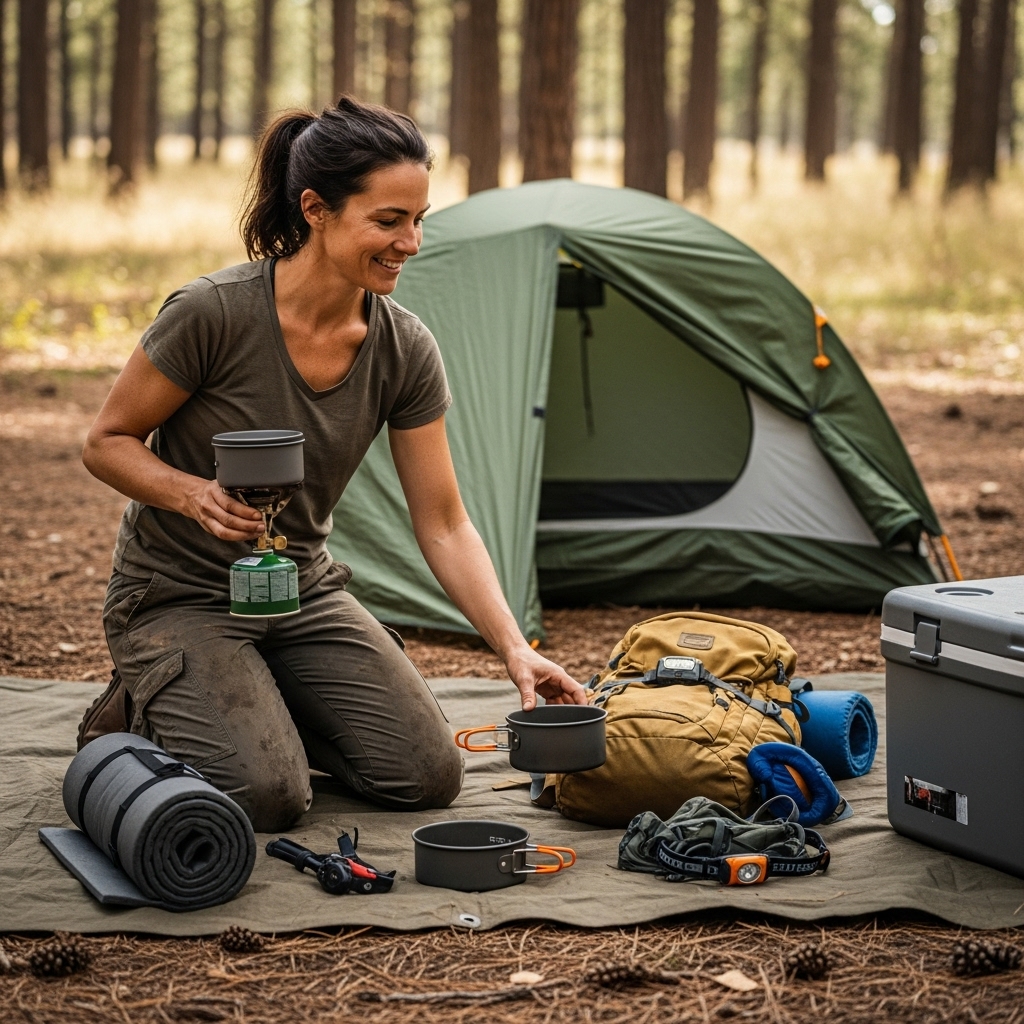

Reliable Shelters for Mountain Ridges and High Country
Sudden wind gusts across exposed ridges and heavy downpours can turn an alpine trek into a miserable experience if your shelter doesn’t hold up. Sturdy rainfly coverage, durable aluminum poles, and seam taping are critical features to verify before packing your gear. Pairing these protective elements with a reliable handheld GPS for trail navigation helps you reach high campsites safely. Once you settle in at elevation, selecting the best mountain camping tent makes the difference between a restful night and a damp struggle.
Usable interior space and proper ventilation are equally vital when harsh weather keeps you confined inside. Solo shelters like the camppal 1 Person Tent for Camping Hiking Mountain offer a compact 3.75-pound packed weight and an extended 8.2-foot floor length. For partners, the Night Cat 2-Persons Backpacking Tent provides dual vestibules and ceiling vents to balance storage with rain resistance. Reviewing listed specifications ensures your shelter fits your route.

Pros
- Sturdy aluminum poles offer significantly better wind resistance and longevity than standard fiberglass alternatives.
- Impressive 3000mm waterproof rating, welded floor, and factory-taped seams keep ground moisture and downpours out.
- Two-door, two-vestibule architecture eliminates the hassle of climbing over a tent partner during midnight camp exits.
- Generous mesh canopy panels provide clear stargazing views and cool cross-ventilation during warm summer nights.
- Simple freestanding layout allows effortless pitching even when setting up camp solo after dark.
Cons
- Total weight of 4.4 pounds is slightly heavy for dedicated ultralight long-distance thru-hikers.
- Floor width of 55.1 inches creates a snug shoulder-to-shoulder fit when accommodating two wide sleeping pads.
- Ground footprint is not included, requiring careful campsite site clearing or an optional tarp over rocky terrain.
The Night Cat 2-Person Backpacking Tent is a lightweight, freestanding three-season dome shelter engineered specifically for hiking, trail camping, and outdoor exploration. Designed to balance affordability with trail-ready functionality, this shelter serves budget-conscious backpackers, weekend hikers, festival attendees, and scouts who need a dependable outdoor shelter without the steep investment demanded by high-end mountaineering brands. Solo adventurers will also appreciate its spacious interior footprint, which provides ample space for a single camper alongside bulky packs and outdoor gear.
Weather resistance stands out as one of the strongest attributes of this design. The outer rainfly and welded floor feature a 3000mm waterproof polyurethane coating reinforced by fully taped factory seams, preventing rain penetration during sudden mountain downpours. The full-coverage fly shields the inner mesh body completely from wind-driven moisture, while the welded floor barrier prevents wet ground seepage from soaking through sleeping bags. When gusty ridge winds kick up, the included aluminum poles and reinforced guylines provide a rigid, secure frame that flexes under pressure without snapping.
Ventilation and condensation management are handled effectively by the full mesh canopy of the inner tent body. Dual integrated ceiling vents on the rainfly create a steady chimney effect, pulling cool air up through the mesh walls and exhausting humid breath out the top. This airflow is vital during humid summer nights or wet mornings when interior condensation typically collects on non-breathable fabrics. On clear, bug-heavy summer evenings, leaving the rainfly off allows campers to sleep beneath the stars with total mosquito and insect protection.
Inside the tent, the floor plan measures 82.6 inches in length by 55.1 inches in width, complemented by a peak ceiling height of 43.3 inches. This creates enough headroom for two adults to sit upright comfortably without scraping the ceiling mesh. The inclusion of two independent D-shaped doors prevents campers from having to crawl over each other during midnight exits, while matching dual vestibules create protected exterior storage zones for trekking boots, packs, and camp cookware. Built-in interior storage pockets keep headlamps, pocket knives, and phones off the floor and within quick reach.
Setting up the tent is straightforward and typically takes around three minutes thanks to the simple two-pole crossing design. Lightweight aluminum poles slide smoothly into durable corner grommets, allowing lone hikers to pitch the entire structure effortlessly in failing light. Takedown is equally rapid, and the tent packs down neatly into its included travel sack. As with any lightweight camping tent, using an auxiliary footprint or ground tarp is advisable to prolong floor fabric life against sharp stones, prickly desert scrub, or jagged twigs.
While the 4.4-pound trail weight may exceed the strict criteria of ultralight thru-hikers tackling thousand-mile trails, it represents an outstanding sweet spot for general weekend trail excursions, car camping backups, and casual wilderness outings. The combination of aluminum hardware, dual-vestibule convenience, and robust 3000mm waterproofing makes the Night Cat 2-Person Backpacking Tent a high-value choice for any outdoor enthusiast looking to hit the trail with dependable shelter.
Built to handle sudden mountain storms and unpredictable trail weather, the Night Cat 2-Person Tent utilizes a comprehensive 3000mm waterproof coating across the rainfly and floor. Welded floor seams eliminate needle punctures in high-wear pooling areas, while high-temperature seam tape across the rainfly seams ensures that heavy downpours roll off without leaking into the living quarters.
Wind management is enhanced by the structural rigidity of aluminum alloy poles paired with perimeter guyline points. When properly staked out into firm soil, the aerodynamic dome profile deflects strong lateral gusts, maintaining interior volume and preventing the fly from flapping loudly against the mesh body during stormy backcountry nights.
The intuitive two-pole freestanding frame allows single campers to pitch the Night Cat tent in approximately three minutes. Because the inner body clips directly onto the interlocking aluminum poles, securing the structure is fast and intuitive, even when arriving at a remote campsite after dusk with only a headlamp for illumination.
At an overall weight of 4.4 pounds, this tent packs down compactly into a dedicated carry bag that easily fits inside or lashes to the base of standard backpacking packs. The weight can also be split between two trail partners by dividing the rainfly, inner tent, and pole bundle, making it an efficient option for hiking pairs.

Pros
- Extended 8.2-foot floor length comfortably accommodates taller hikers and provides interior gear storage.
- High waterproof coating of 3500mm paired with taped seams delivers reliable wet-weather performance.
- Single-ridge aluminum pole construction ensures quick, hassle-free pitching in deteriorating weather.
- Durable ripstop fabric and wind-shedding design offer dependable stability in exposed outdoor environments.
Cons
- Low peak height of around 3 feet limits seated headroom when changing clothes or sitting upright.
- Listing details show minor weight discrepancies between 2.7 and 3.75 pounds that weight-sensitive hikers should verify.
- Compact solo footprint offers narrow elbow room strictly tailored for one person.
The Camppal 1-Person Tent is a purpose-built solo shelter engineered for hikers, backpackers, hunters, and solo adventurers who prioritize weather defense and rapid deployment in the backcountry. Designed with an extended 8.2-foot sleeping footprint and a streamlined low-profile silhouette, this shelter serves as a roomy alternative to a cramped bivy sack. Whether you are heading out for a weekend backpacking trek in the mountains or establishing a hunting outpost, its compact footprint fits into tight trail clearings where larger multi-person tents cannot go.
Weather resistance stands out as a core design focus, backed by an outer fly rated at 3500mm to 4000mm of water resistance. The construction incorporates comprehensive seam taping across the four bottom corners, zipper lines, and velcro closures with PVC reinforcement to prevent moisture seepage during persistent storms. Its anti-tearing ripstop fabric and sturdy single aluminum ridge pole work together to deflect wind gusts and manage light snow loads, making it a capable companion for three-season and milder shoulder-season conditions.
Interior space balances a compact trail footprint with extra-long usable sleeping room. At 8.2 feet in length and nearly 3 feet in width, the inner tent gives taller campers plenty of stretch-out room without forcing sleeping bags against wet tent walls. The extra floor space easily houses boots, dry bags, and clothes at the foot of your sleeping pad. An additional 1.3-foot vestibule area sheltered by the outer rainfly provides a protected exterior staging zone for damp footwear and packs, keeping dirt and moisture out of your dry sleeping area.
Pitching the tent is straightforward thanks to its single-ridge aluminum pole architecture. Solo campers can secure the frame and stake down the fly in just a few minutes, which proves invaluable when setting up camp after dark or under an approaching rainstorm. With a listed trail weight between 2.7 and 3.75 pounds, the shelter packs down small enough to strap onto a backpack or stow inside a bike pannier, offering dependable portability for fast-moving trekkers.
The low peak height of approximately 3 feet means seated headroom is limited, so changing clothes requires lying down or hunching over. Campers should also monitor ventilation to avoid interior condensation during damp, cool nights. For solo backpackers, scouts, hunters, and minimalist campers seeking dependable storm protection and extra legroom at an accessible price point, the Camppal 1-Person Tent delivers a balanced blend of weatherproofing, durability, and practical backcountry utility.
The Camppal 1-Person Tent utilizes an outer rainfly with a substantial 3500mm to 4000mm waterproof coating, designed to prevent water ingress during prolonged downpours. Factory-taped seams along the floor corners, zipper paths, and PVC-reinforced velcro closures provide critical barrier protection at common leak points.
Its low-slung, aerodynamic profile and durable aluminum ridge pole help the tent shed brisk winds efficiently. Guyline attachment points and reinforced stakes anchor the shelter firmly in exposed backcountry terrain, offering dependable stability against unpredictable mountain weather.
Frequently Asked Questions
What waterproof rating should you look for in a mountain tent?
A waterproof rating between 3000mm and 4000mm provides solid protection during heavy mountain rains. The camppal 1 Person Tent for Camping Hiking Mountain lists a 3500mm to 4000mm water resistance specification with taped seams. The Night Cat 2-Persons Backpacking Tent includes a 3000mm rating and a full-coverage rainfly. These ratings help block moisture, though taut pitching remains necessary in windy conditions.
Can a single-person mountain tent accommodate taller campers with gear?
Yes, shelters with extended floor dimensions give taller campers enough room to sleep without crowding their packs. The Camppal solo tent features an 8.2-foot inner length, leaving extra room for boots and dry bags. An elongated layout prevents sleeping bags from pressing against tent walls where condensation collects.
How do aluminum poles compare to fiberglass for high-elevation camping?
Aluminum poles provide superior strength, flex resistance under gusty winds, and lower carry weight compared to fiberglass. Both the Night Cat and Camppal models use aluminum pole frames to maintain structural stability. Fiberglass can snap or splinter in freezing temperatures, making aluminum the dependable choice for rugged terrain.
Why is dual-vestibule storage beneficial in a two-person backpacking tent?
Dual vestibules supply dedicated, sheltered gear storage outside the main sleeping area for each camper. In a best mountain camping tent like the Night Cat two-person shelter, twin D-shaped doors allow separate entry without crawling over a partner. This design keeps muddy hiking boots and damp rucksacks from soaking your sleeping pads.
How do you minimize interior condensation during chilly mountain nights?
You can lower condensation by maximizing airflow through integrated mesh panels and ceiling vents. Dual ceiling vents let warm, humid breath escape before moisture accumulates on the inner walls. While campers use gear like rechargeable camping fans in warm valleys, pitching your best mountain camping tent into the wind aids natural ventilation in 2026.
Is it safe to run a camping heater inside a mountain tent?
No, you should never use a fuel-burning heater or camp stove inside an enclosed tent because of severe carbon monoxide risks and fire hazards. Mountain shelters depend on proper sleeping pads and insulated bags for warmth. Always adhere to manufacturer safety guidelines and keep combustion equipment outside your sleeping quarters.


Write Your Review
No reviews yet. Be the first to share your experience!