


Keep sharp tap flavors out of your espresso
Chlorine or stale odors in tap water can distract from the flavor you want in a carefully pulled shot. A compatible reservoir filter may help reduce some taste and odor compounds, while certain filter media also address mineral buildup. The right choice depends on your espresso machine model and the water entering your home, so check the manufacturer’s compatibility list before ordering.
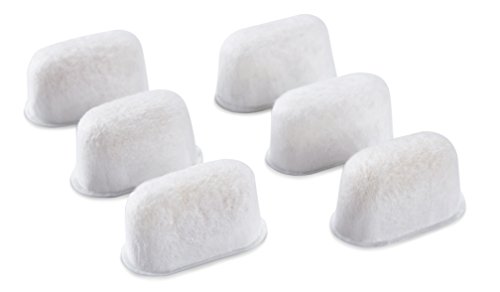
This roundup of the best water filter for espresso machine options compares product specifications, filtration media, fit claims, and stated replacement intervals. Activated carbon is listed for several options, while some Breville-compatible replacements also use ion exchange resin. These filters are not a substitute for water testing or a solution for every contaminant, and none of the supplied product details provide micron ratings or independent certification claims. For broader household treatment, see this guide to non-RO home water purifiers; machine-specific cartridge fit still matters for espresso.
Maintenance is part of the deal: replacement timing varies by product, water hardness, and use. Compare the stated schedule with your machine manual, and avoid assuming a filter removes lead or other contaminants unless the manufacturer provides applicable evidence. If you also maintain water equipment on the road, this RV inline water filter installation guide covers a separate filtration setup.




FAQs
How do I know whether a replacement filter fits my espresso machine?
Match the exact model number and, where specified, production batch to the replacement’s compatibility list. Breville BWF100-style options list different supported models, and some official filter details include batch limits. Check your manual before buying rather than relying on a brand name alone.
Do espresso machine water filters remove limescale?
Some listed filters are described as helping reduce mineral buildup or limescale. Ion exchange resin is specified in certain Breville-compatible options, while carbon primarily targets taste and odor compounds. A reservoir filter’s effect depends on your water and the product design, so follow the machine’s descaling guidance too.
How often should I replace an espresso machine filter?
Follow the interval for the specific cartridge and your machine manual. The supplied listings range from monthly replacement guidance to roughly every two or three months, and hard water may call for more frequent changes. Set a reminder and do not assume all replacement filters share one service life.
Can activated carbon improve espresso water taste?
Activated carbon is commonly used to reduce chlorine-related taste and odors, and several listed cartridges use coconut-shell carbon. The product descriptions do not establish a specific reduction percentage or micron rating. For a general overview of safe water filter replacement, see the linked guide, though espresso cartridges may have different installation steps.
Are third-party replacement filters a reasonable alternative?
They may suit your machine if the model is explicitly listed and the cartridge installs correctly. Compare the stated media, packaging, and change schedule with the original filter’s requirements. Product claims alone do not confirm independent certification or performance for every source-water contaminant.
Will a reservoir filter replace a whole-home water treatment system?
No, an espresso machine cartridge treats water in its reservoir and is not a whole-home system. It cannot be assumed to address well-water sediment, sulfur odors, or every drinking-water contaminant. If you have a water-quality concern, identify it first and select treatment rated for that specific issue.


Write Your Review
No reviews yet. Be the first to share your experience!