


Cleaner-tasting water starts with the right filter
A sharp chlorine taste can make a glass of tap water less appealing, while grit and sediment can create different headaches in household plumbing. The right filter depends on the water source and the job you need it to do: a replacement carbon cartridge for a compatible home system is not interchangeable with a countertop gravity unit or a travel filter straw. This guide to best non toxic water filters compares those distinct options using the listed materials, filtration details, capacity claims, certifications, and user feedback.
Match the product to the water concern rather than treating every filter as a catch-all solution. The PUREPLUS carbon block is listed for chlorine taste and odor reduction, while the ZeroWater pitcher is certified to reduce specific contaminants, including lead and PFOA/PFOS. Purewell’s stainless steel gravity system and Waterdrop’s portable straw serve different routines, from kitchen use to outdoor trips. Check the manufacturer’s compatibility guidance, replacement schedule, and contaminant claims before buying; filtration does not make an unknown or unsafe water source automatically potable. For another home filtration option, see this guide to a non-RO water purifier for home use, or review the practical details in this RV inline water filter installation guide.

Pros
- Significantly improves tap water taste and eliminates chlorine smells at RV parks and campgrounds
- Tight 1-micron pore size effectively captures fine silt from remote well water and holding tanks
- Universal 10 x 2.5 inch profile fits standard external RV filter canisters and camper van systems
- Durable coconut shell carbon construction resists channel cracking under typical camp water pressure
Cons
- Tight 1-micron rating can restrict water flow faster if connected to heavily silted or muddy water sources
- Requires a mandatory five-minute water flush before initial use to rinse away loose carbon fines
- Requires a compatible standalone 10-inch canister housing rather than connecting directly to standard hose threads
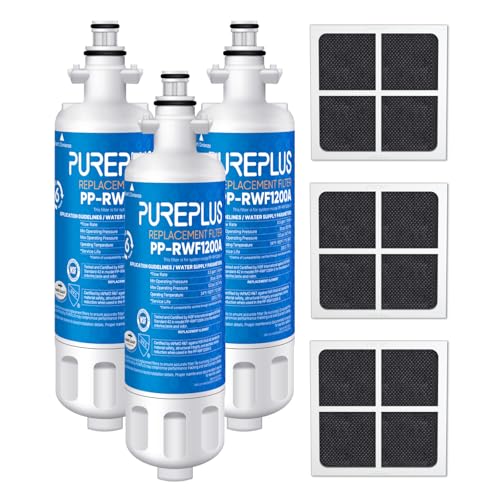
The PUREPLUS 1-Micron CTO Carbon Block Filter is a universal replacement cartridge designed for standard 10-inch by 2.5-inch water filtration canisters. For RV travelers, van lifers, overlanders with pressurized onboard water systems, and owners of off-grid camp cabins, keeping potable water fresh and pleasant to drink can be a persistent challenge. Hooking up to unknown campground spigots or filling tanks from rural wells often introduces unpleasant tastes, strong chlorine scents, and fine silt that ruin morning camp coffee and foul up camper plumbing fixtures.
This multi-pack cartridge set is well suited for RV campers, overland adventurers, seasonal cabin owners, and emergency preparedness planners who rely on canister filtration systems. Whether you are outfitting an exterior dual-canister setup mounted to your travel trailer bumper, maintaining an under-sink filtration tap in your van conversion, or filtering bulk water for a remote base camp, these carbon blocks deliver broad utility. Budget-conscious outdoor enthusiasts also benefit from the 4-pack format, which keeps maintenance costs low across multiple camping seasons.
In real-world camp settings, water quality varies dramatically from one campsite to the next. Based on product specifications and user feedback, these filters utilize dense coconut shell activated carbon sintered into a 1-micron block structure. This fine porosity traps microscopic silt, sand, and rust flakes while actively neutralizing sulfur odors and municipal chlorine treatments. Campers often notice an immediate improvement in the clarity and flavor of their drinking and cooking water. The solid carbon matrix maintains structural integrity under normal campground water pressure, providing a steady flow for washing dishes and filling hydration bladders.
Each cartridge is manufactured to standard 9 7/8-inch by 2.5-inch dimensions, ensuring drop-in compatibility with widely used 10-inch housings from brands like Pentek, Culligan, and standard camper canister assemblies. Rather than relying on separate loose gaskets that can be misplaced during quick swaps in cramped RV utility bays, the cartridge features soft molded end caps that create a watertight compression seal when the housing is tightened. Certified against NSF/ANSI 42 standards by IAPMO, each unit offers up to a 13,000-gallon capacity depending on source water clarity, translating to months of dependable outdoor use.
Potential buyers should consider that a 1-micron rating provides very tight filtration, which can slow down water flow noticeably when dealing with heavily clouded or sediment-laden rural well supplies. In those environments, pairing this carbon block with an inexpensive 5-micron sediment pre-filter in a dual-stage housing prevents premature clogging. Additionally, each new cartridge requires a brief five-minute flush prior to consumption to clear out harmless loose carbon dust. It is also vital to drain the canister before freezing winter weather, as trapped water can freeze and crack the carbon core inside an unheated camper compartment.
For extended road trips, weekend RV getaways, off-grid base camps, and general emergency preparedness, the PUREPLUS 4-pack represents a dependable, cost-effective water filtration solution. It turns uncertain campground hookups and storage tank supplies into crisp, odor-free water for cooking meals, brewing hot drinks, and staying hydrated throughout any adventure.
Installing the cartridge into an RV or camp canister takes only a few minutes. Shut off the primary water supply valve, relieve water pressure by opening a camp faucet, and unscrew the standard 10-inch filter housing using a filter wrench. Remove the old cartridge, wipe down the inside of the canister bowl, and insert the fresh PUREPLUS block with the soft end caps aligned vertically.
Thread the housing back onto the cap securely by hand and snug it gently with your wrench to ensure the soft ends seat properly against the internal stops without over-tightening. Turn the campsite water supply back on slowly while checking for leaks around the housing threads. Run the camp tap or hose for about five minutes to flush any initial carbon fines before routing the water into your drinking tank or galley sink.
To maximize cartridge longevity when traveling through areas with high sediment or well silt, consider running a coarse sediment filter upstream in a two-stage filter canister bracket. This keeps the carbon block surface free from mud, allowing the active carbon pores to focus on removing chlorine, chemicals, and unwanted tastes.
When winterizing your travel trailer or packing down camp for the off-season, always remove the cartridge from the filter canister. Shake out excess moisture and allow it to dry thoroughly, or replace it with a fresh cartridge at the start of the next season. Leaving a wet filter cartridge in an unheated RV during freezing weather can cause structural cracking and bypass leaks inside the filter housing.

Pros
- High 700 ml per minute gravity flow rate fills trail bottles and cookware quickly without tiring hand fatigue.
- Included activated coconut carbon core noticeably improves the taste and smell of backcountry creek water.
- Exceptional kit value with two complete filter straws, a 1.5-gallon reservoir, connecting hose, and two 16 oz squeeze pouches.
- Flexible modularity allows campers to use it as a basecamp gravity station or split gear for ultralight day hikes.
Cons
- The roll-top handle on the reservoir bag does not create a watertight seal, meaning it will leak if laid flat on the ground.
- Glacial silt and heavily clouded water can reduce the flow rate quickly, requiring regular field backflushing.
- Requires an elevated hanging point such as a tree limb, camp pole, or vehicle roof rack to achieve optimal gravity pressure.
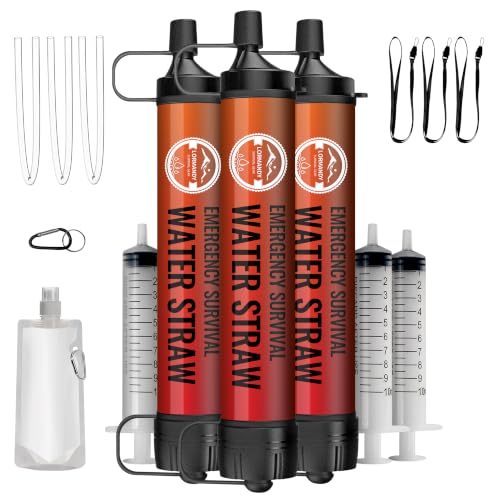
The Waterdrop Gravity Water Filter Straw System is a versatile, high-capacity water purification setup designed to eliminate the physical effort of purifying backcountry water. Instead of crouching over a muddy bank with a manual hand pump or sucking through a tiny personal straw, this system harnesses gravity to process up to 1.5 gallons (5.5 liters) of water in a single hang. Supplied with two independent filter straws, a heavy-duty dirty water reservoir, durable tubing, and two 16-ounce flexible pouches, it addresses the hydration needs of family campers, backcountry backpackers, scout troops, overland adventurers, and preparedness-minded households.
Filtration efficiency is driven by a multi-stage process featuring a 0.1-micron hollow fiber ultrafiltration membrane paired with high-adsorption coconut shell activated carbon. This configuration reduces common outdoor contaminants including dirt, sand, micro-particulates, and aquatic sediment, while the carbon block targets chlorine, unpleasant organic odors, and muddy trail tastes. With an optimal flow rate reaching up to 700 milliliters per minute under full gravity pressure, campers can filter enough water for dinner rehydration, morning coffee, and daily trail refills in just a few minutes without breaking a sweat.
Build quality and design versatility stand out in practical camp use. The main reservoir is constructed from thick, food-grade, BPA-free TPU material that flexes easily into a pack yet resists abrasions against rough tree bark. Outdoor enthusiasts will appreciate the system's modular nature: you can hang the full 1.5-gallon reservoir from a tree branch at basecamp, attach a filter straw directly to an included 16-ounce squeeze pouch for fast miles on the trail, screw the straw onto a standard 28mm threaded bottle, or even drink directly from a fresh alpine spring. Each individual straw carries a lifespan rating of up to 1,400 gallons, providing long-term service across seasons of outdoor trips.
Like all hollow-fiber backcountry filters, this system has realistic handling considerations. The reservoir utilizes a dry-bag style roll-top with a buckle handle that makes carrying easy, but user feedback highlights that the top closure is not completely watertight when set down sideways. To prevent accidental spills, the bag should always remain upright or suspended from a branch. Additionally, filtering extremely silty or tannin-stained water can slow the flow over time. Keeping the included backwash adapters on hand and flushing the membrane with clean water after heavy use is essential for maintaining dependable output.
For weekend warriors setting up camp after sunset, hikers wanting clean drinking water on multi-day treks, and families needing a simple campsite hydration hub, the Waterdrop Gravity System provides outstanding practicality and performance. Having two filtration straws in one package adds built-in redundancy for group safety or emergency survival kits. It remains a dependable, budget-friendly alternative to costly expedition pump filters, making camp chores noticeably easier on any outdoor adventure.
Setting up the Waterdrop gravity system is straightforward and requires no tools. Simply scoop water from a stream or lake into the wide-mouth 1.5-gallon reservoir, roll down the reinforced top edge, click the buckle to create a secure carry handle, and hang the bag from a sturdy tree branch at least four to five feet above ground level. Attach the quick-connect silicone tubing to the bottom outlet, connect the filter straw with the directional arrow pointing downward, and open the shut-off clamp to let clean, filtered water flow directly into your bottles, hydration bladders, or camp pots.
Maintaining peak flow rate requires basic field cleaning, especially when drawing from murky or algae-rich water sources. If the gravity flow slows down, campers can easily backwash the hollow fiber straw by removing the mouthpiece and flushing clean water backward through the filter using a standard threaded water bottle. After returning home from a trip, ensure the reservoir, tubing, and straws are thoroughly air-dried before storing to prevent mildew. In freezing alpine conditions, always keep the damp filter straw inside your sleeping bag or jacket pocket, as frozen water inside the microscopic hollow fibers can crack the membrane and permanently compromise filtration.
Weighing approximately 1.25 pounds for the complete multi-piece kit, this filtration package packs down into a compact bundle that takes up minimal volume in a backpack side pocket or camp kitchen bin. For solo fast-and-light outings, hikers can leave the large reservoir behind and carry only a single filter straw paired with a 16-ounce collapsible squeeze pouch, cutting trail weight down to mere ounces while retaining full 0.1-micron filtration safety.
For group camping and overland basecamps, the 1.5-gallon capacity shines by reducing trips back and forth to the water source. One person can haul enough water in a single visit to hydrate several campers, run a camp dishwashing station, and prep breakfast porridge. The combination of high water volume, modular carrying choices, and dual filter redundancy makes this package equally valuable for recreational weekend trips and home emergency preparedness kits during severe weather outages.

Pros
- Operates completely off-grid relying strictly on gravity, requiring zero electricity or pressurized plumbing hookups
- Durable 304 food-grade stainless steel housing provides exceptional longevity compared to plastic filter pitchers
- Includes both an elevated metal stand and a sturdy stainless steel spigot right out of the box
- Impressive 6,000-gallon dual-element filter lifespan delivers excellent cost efficiency over multiple camping seasons
Cons
- At roughly 8.5 pounds and 20 inches tall, it is sized for basecamps, RVs, and vehicle travel rather than backpacking
- Does not reduce total dissolved solids (TDS) or remove beneficial natural minerals from the water
- Filling the upper chamber while the lower chamber is already full can cause water to overflow the center rim
The Purewell 2.25 Gallon Gravity Water Filter System is a rugged, non-electric countertop filtration station engineered for reliable hydration at basecamp. Built around heavy-duty stainless steel chambers and gravity-fed composite filters, this system is an ideal match for car campers, RV travelers, overlanders, cabin owners, and emergency preparedness planners. If you frequently set up camp at state parks with questionable municipal hookups, boondock off the beaten path, or prepare for severe weather power outages, this self-contained gravity filter delivers dependable hydration without relying on batteries or pressurized water lines.
At the center of the system is a 3-stage composite filtration core featuring a 0.01-micron hollow-fiber ultrafiltration membrane, an activated carbon block, and a silver ion layer. Based on product specifications, this configuration meets NSF/ANSI standards 42 and 372 for chlorine reduction and lead-free construction. In practical campsite use, it excels at removing cloudy sediment, pipe rust, and harsh sulfur or chlorine odors from campground spigots and treated well supplies. Filtering at an estimated rate of up to four gallons per hour, it fills camp kettles and trail bladders quickly enough to keep group breakfasts moving smoothly at sunrise.
Build quality stands out thanks to the 304 food-grade stainless steel upper and lower housings. Unlike plastic filter pitchers that can crack during bumpy transit down washboard forest service roads, these metal canisters resist dents and outdoor wear. Purewell includes a matching 304 stainless steel spigot rather than a cheap plastic valve, eliminating leaks and ensuring smooth pouring. The included non-slip wire stand is an especially thoughtful touch for outdoor use, lifting the spigot high enough off picnic tables or camp kitchen tailgates to fit large insulated bottles and wide-mouth cooking pots directly underneath.
Setting up and maintaining the system around camp requires minimal fuss. Assembly involves installing the spigot, screwing the filter elements into the upper chamber, and filling the top reservoir. Because water flows strictly by gravitational draw, users must remember that adding water to the top while the bottom chamber is full will cause overflow at the seam. For long-term care between camping trips, draining the canisters, allowing the filter elements to dry thoroughly, and wiping down the polished steel surfaces will keep the unit clean and ready for your next outdoor excursion.
While this system excels at stationary campsite hydration, it does carry realistic outdoor limitations. Weighing around 8.5 pounds with a 20-inch standing profile, it is far too bulky for backcountry backpacking and belongs squarely in vehicle-supported camps. Additionally, the composite filters are designed to strip contaminants and foul tastes without stripping natural minerals, meaning they will not lower total dissolved solids (TDS). For family campers, overlanders, hunters, and emergency preparedness enthusiasts seeking a durable, high-capacity gravity system that delivers crisp drinking water without burning through single-use plastic bottles, this Purewell setup offers outstanding long-term value.
Operating a camp kitchen for a family or group requires a steady supply of potable water for coffee, rehydrating freeze-dried meals, and washing produce. This 2.25-gallon gravity system eliminates the tedious chore of constantly pumping hand filters or hauling dozens of disposable plastic jugs into the backcountry. Resting securely on its included stand, it creates an intuitive hydration station where campers can easily dispense clean water straight into camp cookware, tumblers, and hydration packs.
For overlanders and RV boondockers, the non-electric design ensures clean drinking water even when house batteries run low or solar panels face cloudy skies. The nesting chamber design allows the upper bucket to slip inside the lower one for transit, saving valuable cargo space in crowded vehicle trunks or camper van cabinets when packing gear between destinations.
According to manufacturer guidelines, the dual composite carbon filters offer a combined lifespan of up to 6,000 gallons, translating to several seasons of regular weekend camping or long-term household backup use. For the best flow rates and hygiene, rinsing the exterior of the filter cartridges under clean water periodically removes silt buildup that naturally accumulates when processing turbid outdoor water sources.
When packing away your gear at the end of the camping season, disassemble the chambers, empty all standing water, and let the components air-dry completely in a shaded area. Proper drying prevents mildew buildup, while storing the stainless canisters inside an enclosed gear tote protects the polished finish from trail grit until your next family adventure.

Pros
- Exceptional 5-stage filtration removes more contaminants than standard pitchers
- Built-in TDS meter takes the guesswork out of filter replacement
- BPA-free materials with a reliable, leak-free design for car camping or RV use
- Saves money and reduces plastic waste over time
Cons
- Plastic construction may feel less premium than glass or stainless steel alternatives
- Replacement filters can add up in cost for heavy users
- Not designed for backcountry use - best for tap water or RV water supply
The ZeroWater 10-Cup Ready-Pour Water Filter Pitcher is a practical hydration solution for campers who rely on tap water at RV parks, campgrounds, or festival grounds. Instead of hauling heavy plastic bottles or trusting questionable supply lines, this pitcher gives you control over water quality with its advanced 5-stage ion exchange filter. It removes virtually all total dissolved solids (TDS), including metals, minerals, salts, and even forever chemicals like PFOA/PFOS, so every glass tastes clean and fresh.
This pitcher is best suited for car campers, RV enthusiasts, overlanders, and family campers who have access to a spigot but want better-tasting, safer water. It also works well for festival goers tailgating for a weekend and budget-conscious adventurers looking to save money on bottled water. The included TDS meter lets you test your starting water quality and monitor filter life, so you are never caught off guard with a degraded taste.
In real-world camping scenarios, the ZeroWater pitcher shines when you need to fill water bottles, coffee pots, or hydration bladders. The 10-cup capacity is enough for a small group's daily drinking needs, and the quick-fill spigot makes dispensing easy without tipping the whole pitcher. While it does not filter from a backcountry stream, it is perfect for improving the taste and safety of campground tap water, RV tank water, or even well water at remote cabins. The filtration is certified by IAPMO for reducing lead, chromium, and mercury, adding an extra layer of trust for families.
Build quality is solid: the BPA-free plastic body is sturdy enough for regular handling and the handle is comfortable for pouring. The pitcher is lightweight at just 1 pound, so it won't weigh down your camp kitchen. However, the plastic construction means it could crack if dropped on rocky ground, so handle with care. The included filter is easy to install and replace - just soak, rinse, and snap in. Many users find the TDS meter particularly helpful for seeing the difference before and after filtration.
One realistic limitation is the ongoing cost of replacement filters. Depending on your water quality, a filter may need changing every 20 to 40 gallons, which can add up for heavy users. Also, if you are camping without access to a clean water source, this pitcher won't help - it is strictly for tap water, not murky rivers or lakes. For those who want a no-fuss way to ditch single-use plastic bottles at the campsite, though, the ZeroWater pitcher is a reliable, user-friendly choice that delivers on its promise of pure taste.
FAQs
Does a carbon block filter remove sediment as well as chlorine?
A carbon block can reduce chlorine taste and odor, and the PUREPLUS listing also describes filtration of suspended particles and dirt. Its listed 1-micron rating and NSF/ANSI 42 certification relate to specified filtration claims, not every possible contaminant. For heavy sediment, check whether your system needs a separate sediment pre-filter.
How often should I replace a whole house carbon cartridge?
The PUREPLUS cartridge is suggested for replacement every 3 to 6 months, depending on use and water quality, with a stated capacity of up to 13,000 gallons. Treat those figures as product guidance, not a guarantee for every household. Confirm your housing size and model compatibility before ordering a replacement cartridge.
Does the Purewell gravity filter lower TDS?
No, the product listing says its filter does not lower TDS. It describes a 0.01-micron hollow-fiber UF membrane, carbon block, and silver ion membrane, plus NSF/ANSI 42 and 372 certifications. Choose a filter based on the contaminants you need to address, not micron size alone.
Can the Waterdrop gravity straw filter be used while traveling?
Yes, its listed setup connects to the included 1.5-gallon gravity-fed bag or compatible bottles. The product description states a 1,400-gallon capacity per straw and describes backwashing to help restore flow. Follow its instructions and do not assume it is suitable for every untreated water source.
What contaminants does the ZeroWater pitcher reduce?
The listing says the pitcher is IAPMO certified to reduce lead, chromium, PFOA/PFOS, and mercury. Its five-stage ion-exchange filter removes virtually all TDS according to the product description, and the included meter lets you check TDS readings. TDS is not a complete measure of water safety. See this pitcher filter removal guide for cartridge handling help.


Write Your Review
No reviews yet. Be the first to share your experience!