

Hard-water scale calls for the right kind of treatment
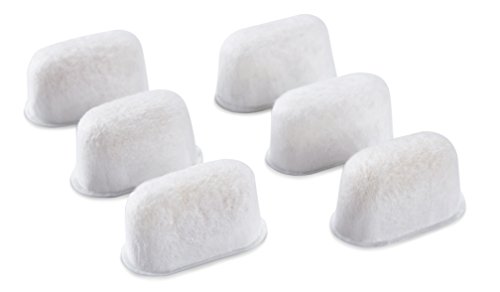
White crust on a kettle or coffee machine is a familiar sign of mineral scale, but a drinking-water filter and a descaler don’t do the same job. This roundup of the best water filter for limescale includes products aimed at different needs: the Philips AquaClean filter is designed to reduce calcium buildup in compatible coffee machines, while the iSpring unit is a salt-free whole-house descaler. Several pitchers and under-sink filters focus instead on taste or listed contaminant reduction, so they shouldn’t be mistaken for water softeners.
After carefully comparing the listed specifications, filtration claims, service-life details, and installation style, the practical distinction is clear: match the treatment to the scale problem you want to address. For example, an under-sink carbon filter may improve chlorine taste without lowering dissolved minerals, while reverse osmosis reduces total dissolved solids. Check your water source and the product’s compatibility before buying. For broader options, see this guide to non-RO water purifiers for home or the steps for replacing a pitcher filter.

Pros
- Massive capacity means fewer filter changes during cross-country camper travel or extended road trips.
- Simple plug-and-play installation fits standard RV and residential cold water plumbing lines without drilling.
- High 2.5 GPM flow rate delivers robust stream pressure for camp dishwashing and cooking pot fills.
- Certified lead-free construction with food-grade, BPA-free coconut shell carbon block media.
Cons
- Designed strictly for treated municipal or pre-filtered potable water lines, not for raw backcountry creek water with biological pathogens.
- Cold water supply line connection only; cannot be plumbed to hot water feeds.
- Does not reduce Total Dissolved Solids (TDS), as it intentionally retains dissolved minerals.
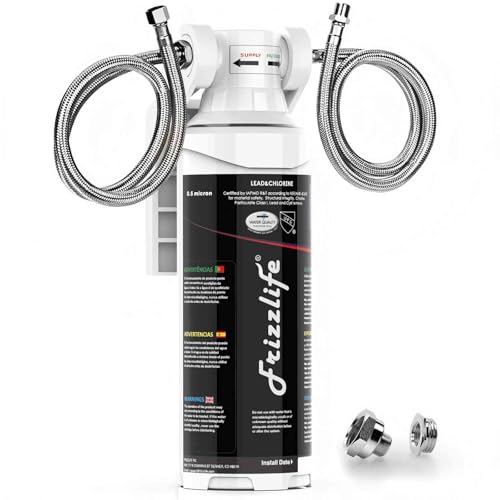
Clean drinking water is the backbone of any successful outdoor journey, whether you are staging an overland rig for an off-grid excursion, outfitting a camper van, or keeping an RV galley functional for extended road trips. The ICEPURE WFS5300A Under Sink Water Filter System is a high-capacity, direct-connect inline filtration unit engineered to supply crisp, refreshing water straight from your primary sink faucet. Designed to plumb directly into standard cold water feeds, it eliminates the need to carry bulky flats of disposable plastic water bottles into the backcountry or crowd your camp cooler with water jugs.
For RV campers, travel trailer owners, conversion van builders, and cabin retreat caretakers, water quality can vary wildly from campground spigots to municipal fill stations. This system tackles that unpredictability with authoritative NSF/ANSI 42 and 372 certifications. Its 0.5-micron outer layer paired with an advanced coconut shell carbon block filter captures particulate sediment, sand, and rust while significantly reducing chlorine, disagreeable odors, and harsh tastes. At the same time, it preserves beneficial minerals in the water, giving you refreshing hydration for filling camp kettles at dawn or topping off daypacks before hitting the trail.
Camp kitchen efficiency depends on good water pressure, and this unit delivers a generous full flow rate of 2.5 gallons per minute at 60 PSI. Many compact filters throttle flow down to a frustrating dribble, but this setup allows you to scrub camp cookware, wash fresh vegetables, and fill multi-gallon hydration bladders without delay. With an ultra-long service rating of 22,000 gallons or roughly three years under normal municipal conditions, it offers incredible endurance for seasonal travelers and full-time road trippers who want minimal maintenance between adventures.
Build quality and spatial practicality are paramount when outfitting mobile living quarters. Measuring just 6.81 inches long, 5.39 inches wide, and 15.55 inches tall, the cylindrical filter housing slides into tight spaces beside RV drainage pipes or under narrow van sink cabinets. The kit includes hardware compatible with both 3/8-inch and 1/2-inch female NPT cold water lines. Once the head assembly is anchored to a cabinet wall, future filter cartridge swaps take only a couple of seconds using a simple twist-and-lock mechanism, requiring no specialty tools or messy plumbing disassembly.
Prospective buyers should keep in mind that this unit is engineered strictly for municipal tap water, RV park utility hookups, or potable holding tanks. It is not designed to purify untreated raw surface water from streams, lakes, or stagnant puddles that might harbor cysts, viruses, or bacteria. For weekend warriors, overland vehicle builders, emergency preparedness organizers, and camper families looking for reliable, odor-free, high-flow water right at the galley sink, this inline system represents an exceptional, hassle-free upgrade.
Installing this filter inside a camper van or recreational vehicle is straightforward thanks to the included inline fittings that link directly into standard 1/2-inch or 3/8-inch cold water connections. Because it runs inline with your existing galley faucet, you avoid drilling additional holes in your countertop for an auxiliary dispenser.
When running off a 12-volt RV diaphragm pump, the system maintains steady output with minimal pressure drop, ensuring quick fills for coffee carafes and cookware. Ensure that the mounting bracket is securely fastened to a sturdy cabinet partition so the filter stays firmly upright during bumpy gravel road travel and trail washboards.
Taking proper care of your inline water filter ensures optimal performance throughout the camping season. If you are winterizing an RV, travel trailer, or unheated mountain cabin, always remove the filter cartridge before pumping non-toxic RV antifreeze through your plumbing lines, as antifreeze can ruin the carbon block media.
Store the detached cartridge in a cool, clean spot above freezing temperatures during the off-season. When de-winterizing your camp rig in the spring, flush your water lines completely with fresh potable water before twisting the filter cartridge back into the mounting head.

Pros
- Generous 7.5-liter capacity minimizes repetitive trips to the campground water spigot.
- Five-stage ion exchange filter removes dissolved solids down to 000 PPM for remarkably crisp camp water taste.
- Built-in digital TDS meter removes the guesswork from cartridge replacement schedules.
- Smooth push-button spigot makes filling camp cups, hydration bladders, and cook pots effortless.
- Compact rectangular footprint fits securely on camp kitchen tables, tailgates, or inside RV refrigerators.
Cons
- Thorough five-stage gravity filtration operates with a slow flow rate that requires patience when refilling the basin.
- Not intended for raw backcountry streams with heavy silt or biological pathogens without prior boiling or micro-filtration.
- At 5.5 pounds empty and over 20 pounds fully filled, it is suited strictly for vehicle-supported camping rather than backpacking.
The ZeroWater 32-Cup Ready-Read 5-Stage Water Filter Dispenser serves as a dependable, high-capacity bulk hydration station tailored for vehicle-based camping setups. Unlike small handheld camp squeeze filters or micro-strainers designed for wilderness trekking, this tabletop unit holds 7.5 liters (32 cups) of liquid, making it a cornerstone for camp kitchens, pop-up campers, overland rigs, and cabin retreats. Whether you are hooking up to questionable water spigots at a crowded state park or drawing from an onboard camper holding tank, this dispenser aims to strip out dissolved solids, chemical aftertastes, and common municipal contaminants before you fill your camp mugs or coffee percolator.
This bulk filtration system is best suited for family campers, RV travelers, overlanders, festival goers, tailgate hosts, and emergency preppers seeking pure drinking water without hauling heavy cases of single-use disposable bottles. If your camp style revolves around a basecamp picnic table or a dedicated camper kitchen counter, the high capacity saves you from making constant runs to the campground water post. It also makes an exceptional choice for budget-conscious road trippers who want to bypass store-bought jugs by purifying campground hookup water directly on site.
In terms of outdoor performance, the core strength lies in its 5-stage ion exchange filtration, which is IAPMO certified to reduce lead, chromium, mercury, and forever chemicals like PFOA and PFOS. The integrated digital TDS (total dissolved solids) meter slides right into the dispenser body, allowing you to sample the water and confirm a 000 PPM readout with a single button press. When cooking breakfast at sunrise or mixing hydration electrolytes for a day on the hiking trail, the water yields a neutral, crisp flavor free from the sulfur, chlorine, or metallic mineral twang often encountered at rural campgrounds.
The dispenser body is molded from sturdy, BPA-free plastic with an ergonomic handle for stable transport from the potable water post back to your picnic table. Measuring 13.13 inches long, 6 inches wide, and 10.38 inches tall, its slim rectangular footprint slots easily into RV refrigerators, camp storage totes, or along the edge of a tailgate. The front-mounted push-button spigot allows one-handed pouring into hydration bladders, camp kettles, and tall water bottles without needing to lift the heavy unit once it is filled.
Realistic limitations are centered on flow rate and raw water source selection. Because the dense 5-stage resin filter removes fine dissolved solids, water drips through slowly, requiring campers to top off the reservoir well before the morning coffee rush. Additionally, user reviews highlight that sediment-heavy water or extremely mineral-rich tap supplies will deplete the filter cartridge faster. Campers should also remember that this unit is engineered for clear, potable tap or pre-filtered water sources; it is not a wilderness purifier meant to eliminate backcountry bacteria, giardia, or silt from muddy riverbeds without proper pre-filtration or boiling.
For car campers, RV owners, weekend warriors, and emergency preparedness kits, the ZeroWater 32-Cup Dispenser offers exceptional value by providing bottled-quality water straight from your campsite base. As long as you pair it with clear tap sources or pre-filtered camp supply tanks, it simplifies meal prep, protects your crew from lingering tap contaminants, and eliminates the waste of plastic water bottles on every outdoor getaway.
Setting up an organized camp kitchen requires gear that operates reliably without constant tending, and this 32-cup dispenser fits right into that routine. Placing the unit at the end of a picnic table or on a tailgate creates a dedicated hydration station where kids and fellow campers can help themselves using the push-button spigot, keeping dirty hands out of main water jugs.
For RVers and van lifers, the dispenser slides directly onto standard camper refrigerator shelves or kitchen counter corners. Purifying campground hookup water through the 5-stage filter noticeably improves the aroma and flavor of camp drip coffee, morning oatmeal, and rehydrated backcountry meals by removing mineral hardness and chlorine odors.
Maintaining the system during an outdoor season is straightforward thanks to the included digital TDS meter. By testing the dispensed water periodically, you receive a definitive measurement of filter life; the manufacturer advises replacing the cartridge once the meter registers 006 PPM or higher.
To protect the unit during camping trips, avoid letting the filtration cartridge dry out completely between weekend outings, and never expose the plastic reservoir to freezing overnight temperatures with water inside. Keeping the basin washed with mild soap between outings prevents scale buildup and ensures clean hydration throughout your camping calendar.

Pros
- Exceptional 5-stage filtration removes more contaminants than standard pitchers
- Built-in TDS meter takes the guesswork out of filter replacement
- BPA-free materials with a reliable, leak-free design for car camping or RV use
- Saves money and reduces plastic waste over time
Cons
- Plastic construction may feel less premium than glass or stainless steel alternatives
- Replacement filters can add up in cost for heavy users
- Not designed for backcountry use - best for tap water or RV water supply
The ZeroWater 10-Cup Ready-Pour Water Filter Pitcher is a practical hydration solution for campers who rely on tap water at RV parks, campgrounds, or festival grounds. Instead of hauling heavy plastic bottles or trusting questionable supply lines, this pitcher gives you control over water quality with its advanced 5-stage ion exchange filter. It removes virtually all total dissolved solids (TDS), including metals, minerals, salts, and even forever chemicals like PFOA/PFOS, so every glass tastes clean and fresh.
This pitcher is best suited for car campers, RV enthusiasts, overlanders, and family campers who have access to a spigot but want better-tasting, safer water. It also works well for festival goers tailgating for a weekend and budget-conscious adventurers looking to save money on bottled water. The included TDS meter lets you test your starting water quality and monitor filter life, so you are never caught off guard with a degraded taste.
In real-world camping scenarios, the ZeroWater pitcher shines when you need to fill water bottles, coffee pots, or hydration bladders. The 10-cup capacity is enough for a small group's daily drinking needs, and the quick-fill spigot makes dispensing easy without tipping the whole pitcher. While it does not filter from a backcountry stream, it is perfect for improving the taste and safety of campground tap water, RV tank water, or even well water at remote cabins. The filtration is certified by IAPMO for reducing lead, chromium, and mercury, adding an extra layer of trust for families.
Build quality is solid: the BPA-free plastic body is sturdy enough for regular handling and the handle is comfortable for pouring. The pitcher is lightweight at just 1 pound, so it won't weigh down your camp kitchen. However, the plastic construction means it could crack if dropped on rocky ground, so handle with care. The included filter is easy to install and replace - just soak, rinse, and snap in. Many users find the TDS meter particularly helpful for seeing the difference before and after filtration.
One realistic limitation is the ongoing cost of replacement filters. Depending on your water quality, a filter may need changing every 20 to 40 gallons, which can add up for heavy users. Also, if you are camping without access to a clean water source, this pitcher won't help - it is strictly for tap water, not murky rivers or lakes. For those who want a no-fuss way to ditch single-use plastic bottles at the campsite, though, the ZeroWater pitcher is a reliable, user-friendly choice that delivers on its promise of pure taste.


Pros
- Brings TDS readings down to 000 for pure-tasting camp coffee, tea, and meal prep
- Integrated digital TDS meter eliminates guesswork on filter cartridge life
- Substantial 5.2-liter capacity reduces the need for constant refilling at the spigot
- Slim, rectangular footprint packs efficiently into camp kitchen bins or camper galleys
Cons
- Not engineered for untreated backcountry streams or wilderness sources lacking pre-filtration for biological pathogens
- Denser 5-stage filter media results in a slower gravity flow rate than basic carbon pitchers
- Heavy when fully filled with water, requiring a stable camp table or solid countertop surface
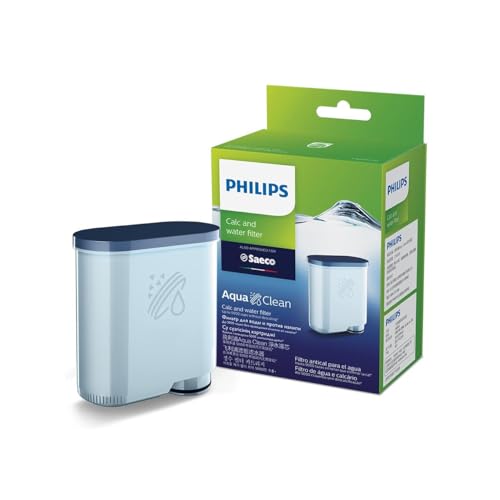
The ZeroWater 22-Cup Water Filter Dispenser is a high-capacity, gravity-fed filtration station designed to provide clean, crisp drinking water at the campsite, RV park, or cabin. Equipped with a 5-stage ion exchange filter and an integrated digital TDS (Total Dissolved Solids) meter, this dispenser is engineered to strip away metals, chemical contaminants, and dissolved minerals from tap supplies. It serves car campers, RV travelers, overlanders, family campground groups, and emergency preparedness planners who want premium drinking and cooking water without hauling heavy cases of disposable plastic bottles.
In a camp setting, municipal campground spigots and rural RV hookups often yield water with heavy mineral loads, chlorine odor, or lingering sediment. This dispenser tackles those issues by filtering tap supplies down to an impressive 0 TDS, noticeably improving the flavor of campfire coffee, morning oatmeal, and trail canteens. With a 22-cup (5.2-liter) capacity, it supplies plenty of water for multiple campers throughout the day. The built-in push-and-pour spigot allows effortless one-handed dispensing right from the edge of a picnic table or tailgate kitchen.
Built from durable, BPA-free food-grade plastic, the unit balances structural rigidity with a lightweight empty weight of just 2.3 pounds. Its slim profile measures 5.5 inches wide, 10.4 inches long, and 11.3 inches high, allowing it to slide into compact spaces such as an RV counter, a portable camp pantry, or alongside standard camping coolers. The included Ready-Read TDS meter mounts directly into the chassis, giving you instant clarity on water quality before filling your hydration bladders.
Setting up the dispenser at basecamp is straightforward: rinse the filter cartridge, screw it securely into the reservoir base to prevent bypass leaks, and pour in your water supply. Maintenance is made simple by the digital meter, which signals that a replacement cartridge is needed once the reading reaches 006. Hand washing the reservoir with mild soap between camping weekends keeps the components fresh and ready for the next adventure.
Campers must keep in mind its wilderness limitations. The 5-stage filter is not an outdoor wilderness purifier for raw, untreated backcountry lakes or stagnant streams containing bacteria, protozoa, or cysts. Additionally, because the multi-stage filter media is exceptionally dense, water flows more slowly through the top reservoir than through standard single-stage carbon pitchers, so filling the unit ahead of group meal prep is recommended.
For weekend car campers, tailgaters, glampers, and emergency preppers, the ZeroWater 22-Cup Dispenser offers remarkable value and peace of mind. It turns questionable campground tap water into exceptionally pure hydration, cuts plastic waste around the campfire, and neatly fits into your vehicle camp kitchen loadout. If your outdoor adventures revolve around established campgrounds, RV parks, or remote cabin getaways with running water, this dispenser is an outstanding hydration companion.
Organizing a clean hydration hub is one of the most practical upgrades you can make to a family campsite or overland camp kitchen. Setting this dispenser on the corner of a sturdy folding camp table gives the whole group immediate access to pure water without opening and closing coolers to grab plastic bottles.
The push-button spigot makes it easy for kids to fill their own camp mugs, while adults can quickly draw measured amounts of water for Dutch oven cooking or pour-over camp coffee. Because the unit maintains a narrow 5.5-inch width, it takes up minimal table space, leaving plenty of room for camp stoves, cutting boards, and dining essentials.
Proper care ensures your dispenser delivers optimal filtration across many camping seasons. Always check that the O-ring on the filter cartridge sits squarely in place before threading it tightly into the upper reservoir, as an imperfect seal can allow unfiltered tap water to bypass the filtration bed.
During cold-weather trips, avoid leaving water inside the filter cartridge in freezing conditions, as expanding ice can compromise the internal ion exchange membranes. Store the dispenser in an insulated vehicle cabin or tent overnight when temperatures drop. To clean, remove the filter and TDS meter, and gently hand wash the plastic body with mild dish soap and warm water.


Pros
- Zero salt or chemical refills required, saving valuable storage space and ongoing maintenance effort during travel
- Simple wrap-around wire installation works easily on PEX, PVC, and copper pipe systems without cutting lines
- Helps extend the lifespan of RV water heaters and camp shower components by minimizing limescale buildup
- Compact footprint fits conveniently inside cramped travel trailer utility bays or remote cabin setups
Cons
- Requires a continuous 110V electrical power source, which depends on shore power, an inverter, or a generator
- Does not remove physical sediment, iron, or heavy minerals, requiring a separate filter for dirty water sources
- Not suitable for extremely hard water exceeding 19 grains per gallon or high iron levels above 3 ppm
The iSpring ED2000 is an electronic salt-free water descaler designed to condition hard water by breaking down and preventing limescale accumulation in plumbing networks. Unlike traditional salt-based softeners that require bulky tanks and recurring brine refills, this system utilizes high-frequency electromagnetic pulses transmitted through twin antenna wires wrapped directly around the incoming water line. For RV campers, travel trailer owners, cabin dwellers, and overlanders maintaining stationary basecamps, hard water from various campground hookups and rural wells can quickly ruin plumbing fixtures, shower valves, and tankless water heaters. This electronic conditioner addresses mineral scale build-up at the source without altering the underlying mineral balance of drinking supplies.
This setup is particularly suited for full-time RV campers, seasonal campground visitors, glamping retreat managers, and off-grid cabin owners tired of battling mineral crust on plumbing fixtures. Weekend warriors hauling travel trailers across the country often encounter erratic municipal or well water supplies with high calcium carbonate content that leaves chalky deposits on camp cookware, shower walls, and sink aerators. Budget-conscious outdoor enthusiasts seeking an alternative to heavy fifty-pound bags of water softener salt will appreciate the compact footprint. It also benefits outdoor adventurers on low-sodium diets who want to avoid the sodium exchange common in chemical softening setups.
When connected to campground utility posts or remote cabin lines, the system tackles hard water ranging from 10 to 19 grains per gallon without restricting water flow rate. User feedback indicates that mineral deposits on sinks, mirrors, and fixtures become softer and significantly easier to wipe away rather than calcifying into stubborn crusts. Onboard RV water heaters, heating elements, and outdoor shower wands benefit from reduced scale accumulation, which helps maintain heating efficiency and prevents clogged lines. Since it leaves beneficial calcium and magnesium ions intact, water retains its crisp outdoor taste without that slippery or oily feeling common with traditional softeners.
Constructed with durable electronic components housed in a compact two-pound enclosure, the unit is engineered for easy mounting in tight utility compartments. The system features a straightforward DIY setup that requires wrapping two copper antenna cables tightly around an existing pipe section in opposite directions, securing them with zip ties, and plugging the power adapter into a standard wall outlet. Because no pipe cutting, soldering, or plumbing rework is necessary, it works reliably on PEX tubing, PVC pipes, and copper lines commonly used in modern RVs and camper builds. The absence of replacement filters or moving parts ensures low long-term hassle, supported by a manufacturer one-year money-back guarantee and lifetime technical assistance.
There are several practical limitations outdoor adventurers must consider before installing this system. The unit requires corded 110V electric power, meaning off-grid campers will need an active portable power station, inverter, or generator hookup to keep it running continuously. Additionally, this is an electronic conditioner rather than a purifier or mechanical filter; it will not remove sediment, chlorine, bacteria, or dissolved solids from wild water sources, meaning a dedicated particulate or carbon filter remains necessary for well or stream water. User reviews also suggest that water containing high iron levels above 3 ppm can dampen the electromagnetic pulses, making pre-treatment necessary in certain rural regions.
For RV travelers, road trippers, and basecamp owners looking to protect their plumbing investment against aggressive mineral buildup without hauling heavy bags of salt, the iSpring ED2000 offers a sensible and cost-effective approach. While backpackers and tent campers will rely on portable gravity or pump purifiers for backcountry hydration, mobile rig owners and cabin caretakers will find this conditioner preserves water heater efficiency and keeps fixtures looking clean throughout extended seasonal stays. It represents a practical, low-maintenance upgrade for anyone seeking reliable scale reduction across diverse campground hookups.
Mounting the device inside a camper van, travel trailer, or remote cabin requires minimal space and basic hand tools. Position the main control unit near an available electrical outlet and locate a straight section of incoming pipe, ideally before lines split into the water heater and domestic taps.
Wrap the two insulated induction coils tightly around the pipe in opposing directions as directed in the manual, ensuring the turns sit flush against one another. Secure the wire ends firmly with the provided zip ties to prevent vibrations from road travel or water pressure shifts from loosening the contact points.
Because the unit operates entirely through electromagnetic pulses without filters, salt beds, or moving mechanical parts, ongoing maintenance is virtually nonexistent. Users simply need to keep the electronic control module dry and clean, away from standing water or extreme outdoor exposure.
Periodically inspect the coil windings inside your utility compartment to verify the antenna wires remain tightly bound to the plumbing line. For RV owners winterizing their rigs, disconnect the power supply and leave the wiring in place alongside normal system winterization procedures.
FAQs
Does a carbon water filter remove limescale?
No, not usually. Carbon filters such as the ICEPURE and CuZn under-sink models target taste and specified contaminants, but their listed features don’t claim to soften water or remove dissolved hardness minerals. Check the product’s stated treatment purpose before buying for scale control.
Which product here is designed to reduce limescale?
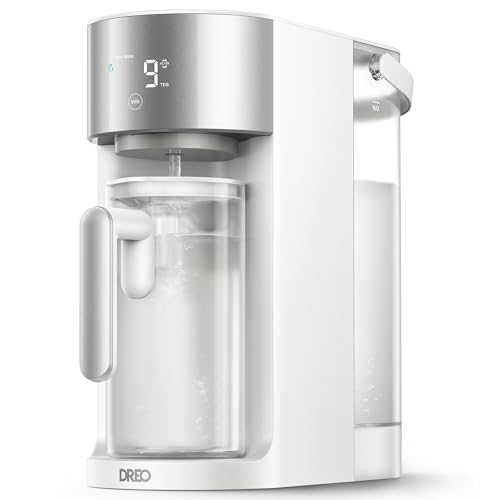
The Philips AquaClean filter is designed to reduce calcium and scale formation in compatible coffee machines. The iSpring ED2000 is a salt-free whole-house descaler intended to help prevent scale deposits, but it is not a conventional water softener and does not change water chemistry as a salt softener does.
Does reverse osmosis reduce dissolved minerals?
Yes, reverse osmosis is designed to reduce dissolved solids, unlike many carbon filters. The DREO countertop system lists a TDS monitor and a reverse-osmosis membrane; its product description reports specific reduction claims under laboratory conditions, which may not reflect every home’s incoming water.
Can a water pitcher treat hard water scale?
Not necessarily. The ZeroWater pitchers and dispensers are described as reducing virtually all TDS, while the Waterdrop pitcher targets chlorine, odor, and other listed substances but does not lower TDS. Review replacement-filter availability and follow the product’s indicator or instructions; this inline RV filter installation guide also explains why system type and fit matter.
Will an under-sink filter maintain household faucet flow?
These listed under-sink filters serve a single connected faucet, not the entire home’s plumbing. ICEPURE lists a 2.5 GPM flow rate at 60 PSI, but actual flow depends on installation and water conditions. Confirm cold-line fittings and the specified connection size before ordering.
How often should I replace a limescale filter?
Follow the product-specific service guidance rather than one universal schedule. ICEPURE lists a capacity of 22,000 gallons or up to three years, Philips describes scale protection for up to 5,000 cups, and ZeroWater dispensers indicate filter replacement when the meter reads 006. Actual timing can vary with use and source-water quality.






Write Your Review
No reviews yet. Be the first to share your experience!