
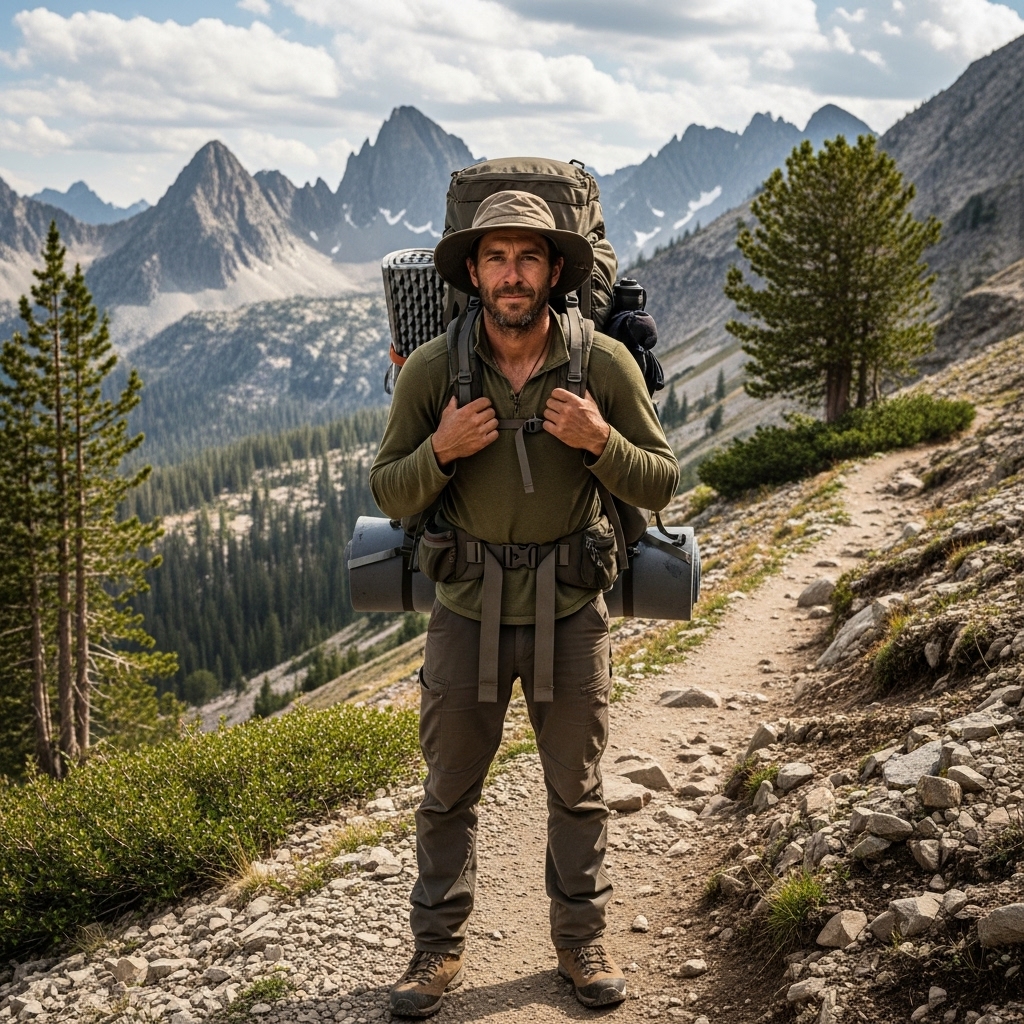

Pitching a tent far away from crowded campground loops offers unmatched freedom, but navigating undeveloped terrain requires clear preparation before you roll past the pavement. Figuring out how to find dispersed camping starts with understanding who manages the dirt roads you travel, whether that means Bureau of Land Management territory or United States Forest Service tracts. Established dispersed campsites sit along secondary forest routes and don’t provide water spigots, trash dumpsters, or picnic tables. Securing reliable durable water filters for off grid camping is essential since natural streams provide your only hydration source in backcountry sectors. Dedicated guidebooks outline motor vehicle use maps and legal boundary lines so you can settle into serene territory without accidentally trespassing.
Off-grid campers often struggle with spotty cell reception and vague property lines when searching for quiet sites at dusk. Studying trusted trail and boondocking manuals helps you identify durable pullouts, respect stay limits, and follow Leave No Trace principles without stress. Knowing vehicle clearance requirements prevents costly towing situations on rough washboard corridors miles from main highways. Reliable informational guides demystify seasonal access gates, dispersed fire restrictions, and permit nuances across Western states. You can head into remote terrain with total confidence once you understand public boundary rules and prepare your basic self-reliance setup properly.


Essential Questions About Off-Grid Public Land Stays
Is dispersed camping allowed on all public land in the United States?
Dispersed camping is allowed on most Bureau of Land Management areas and National Forest System tracts, but it is not permitted everywhere. Designated wilderness zones, active wildlife preserves, and private inholdings enforce strict closures or seasonal bans. Motor vehicle use maps designate specific corridors where off-grid vehicle camping is legal, typically within 150 to 300 feet of an approved road. Checking local district ranger stations clarifies current restrictions before pitching camp.
What essential gear is required for dispersed camping in 2026 without amenities?
A self-contained sanitation setup, reliable navigation tools, and sufficient food and water reserves are mandatory for off-grid camping. Packing compact portable hand washing stations helps maintain campsite hygiene when running water is unavailable. Campers must carry a trowel or portable toilet system to pack out or bury waste according to regional regulations. Packing sturdy multi purpose camping tools ensures you can clear trail branches and secure stakes in rocky dirt without extra weight.
How long can you legally stay when learning how to find dispersed camping on federal land?
Most federal public lands enforce a 14-day stay limit within any 28-day consecutive period. After reaching the maximum duration, campers must relocate their camp outside a specified radius, usually between 25 and 30 miles, depending on the field office district. This policy prevents prolonged residency and minimizes ground compaction on fragile vegetation. Reviewing local district guidelines confirms exact mileage and day limitations for your destination.
How do you find legal campsites without cell service in 2026?
Downloaded offline satellite maps, Motor Vehicle Use Maps, and printed regional guidebooks allow you to verify public land boundaries without cellular coverage. Physical road atlas pages clearly mark public Bureau of Land Management tracts versus fenced private ranches. Pre-downloading topographical overlays reveals elevation contours and creek beds suitable for overnight pullouts. Paper guides provide vital fallback coordination when mobile devices lose battery power or satellite reception.
Are campfires permitted when dispersed camping on public lands?
Campfires depend entirely on current fire danger levels and regional stage restrictions in that specific forest or management district. High summer heat frequently triggers Stage 1 or Stage 2 fire bans that prohibit open wood fires even inside rock rings. When conditions permit campfires, you must build them within existing fire scars on bare mineral soil well clear of overhanging brush. Carrying a self-contained propane fire bowl offers a safer alternative during moderate restriction periods.


Write Your Review
No reviews yet. Be the first to share your experience!