

Coordinating Communal Campsites and Group Gatherings
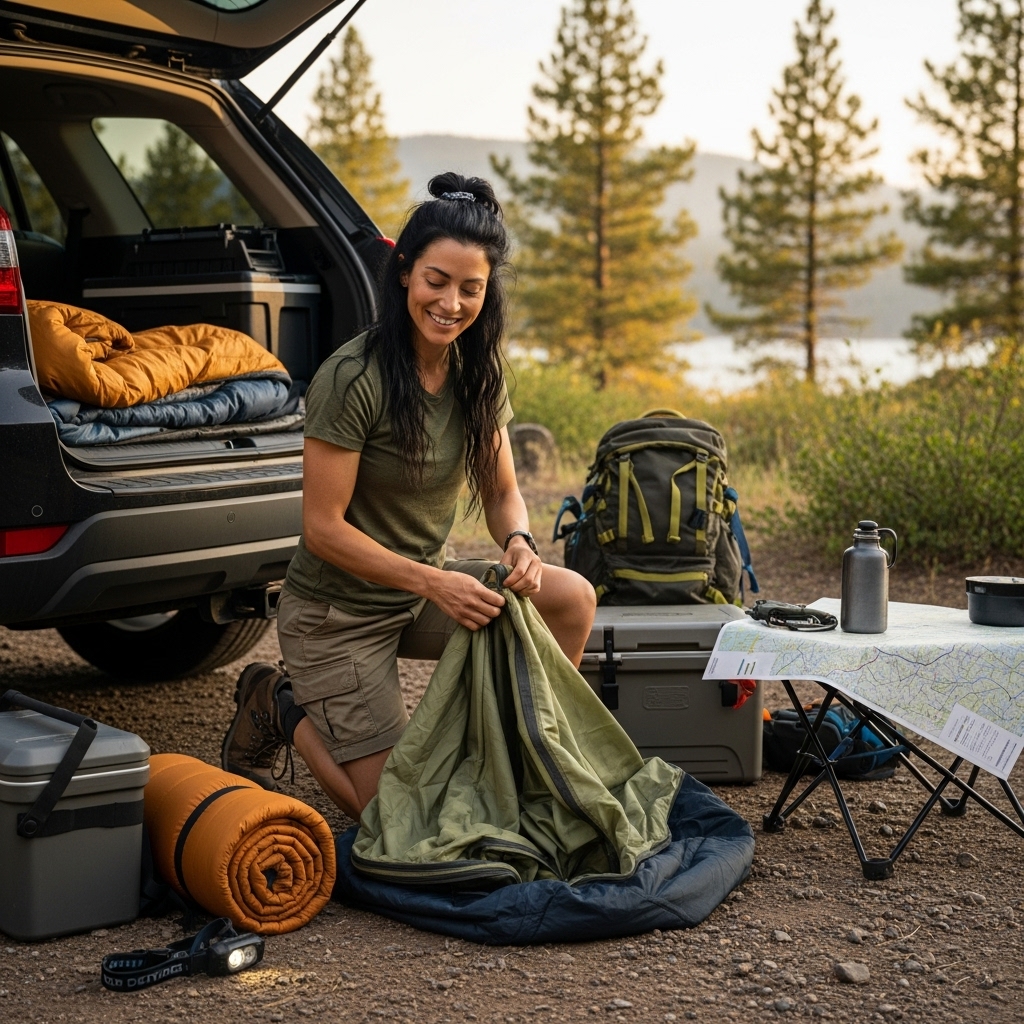
Managing shelter spacing and communal cooking zones often turns into a puzzle when multiple families head outdoors together. Pitching tents across scattered individual pads separates everyone, leaving trip planners scrambling to keep the crew connected around one fire ring. That logistical headache is why travelers ask what is a group site camping reservation actually offers compared to standard slots. A group campsite is a designated, high-capacity outdoor area engineered to host ten to dozens of campers alongside multiple tents and vehicles. Bringing a spacious setup like a durable timber camping tent for car camping works best across these oversized footprints.
Booking these large spaces requires balancing vehicle parking limits, quiet hours, and shared campground amenities. After analyzing campground layout specifications, park guidelines, and camper feedback, group outings succeed only when communal organization is locked down early. Bringing along helpful campground guidebooks, RV logbooks, and fun icebreaker games keeps everyone entertained around the picnic tables without feeling crowded. Having the right tools and group games turns a complex trip into a relaxed gathering.




Frequently Asked Questions
How many people can typically stay at a group campsite?
Most group campsites accommodate between 10 and 50 people, depending on park regulations. Smaller group parcels host 10 to 20 campers, while larger zones support up to 100 people. Park agencies set these limits to protect vegetation and manage facility wear. Always verify your total head count against the reservation limit before arriving to avoid extra fees.
Can you park multiple vehicles directly at a group site?
Yes, but vehicle limits vary sharply depending on campground layout. While group sites often feature parking spurs for four to eight vehicles, additional cars must park in central overflow lots. Exceeding vehicle limits directly on the site pad often leads to fines from campground hosts. Coordinating carpools in advance leaves ample space for tents and gathering areas.
How does booking a group site differ from reserving adjacent individual sites?
A group site provides a unified layout with communal infrastructure rather than divided private pads. Single campsites isolate tents behind bushes or roads, while group areas feature clustered fire rings and multiple picnic tables. Setting up a canopy tent for campsite shade over dining tables is much easier across a shared clearing. This setup streamlines meal prep and centralizes social time.
What amenities are standard at a group camping site?
Group campsites typically provide multiple picnic tables, an oversized fire pit, potable water spigots, and nearby restrooms. Upgraded state park loops may add covered pavilions, food lockers, and electrical hookups. Primitive group areas often lack running water, requiring campers to haul filtration systems or water jugs. Reviewing the amenities list ahead of time ensures proper gear packing.
Do group campsites enforce stricter quiet hours than standard sites?
No, group campsites enforce the same quiet hours as standard campsites, usually from 10:00 PM to 6:00 AM. Even though group parcels sit farther away from solo campsites, rangers strictly enforce noise limits. Excessive shouting or loud music after hours can trigger campground eviction. Quiet campfire games and stargazing keep evening entertainment enjoyable without disturbing others.
What gear helps organize what is a group site camping trip in 2026?
Essential gear includes communal cookware, lantern lighting, trail guidebooks, and tabletop games to keep everyone organized. Scouting groups can consult the rules for camping merit badge nights to track qualifying outdoor hours. Camping name games and strategy card sets keep kids and adults engaged during downtime. Centralizing group logistics prevents confusion across large parties in 2026.





Write Your Review
No reviews yet. Be the first to share your experience!