
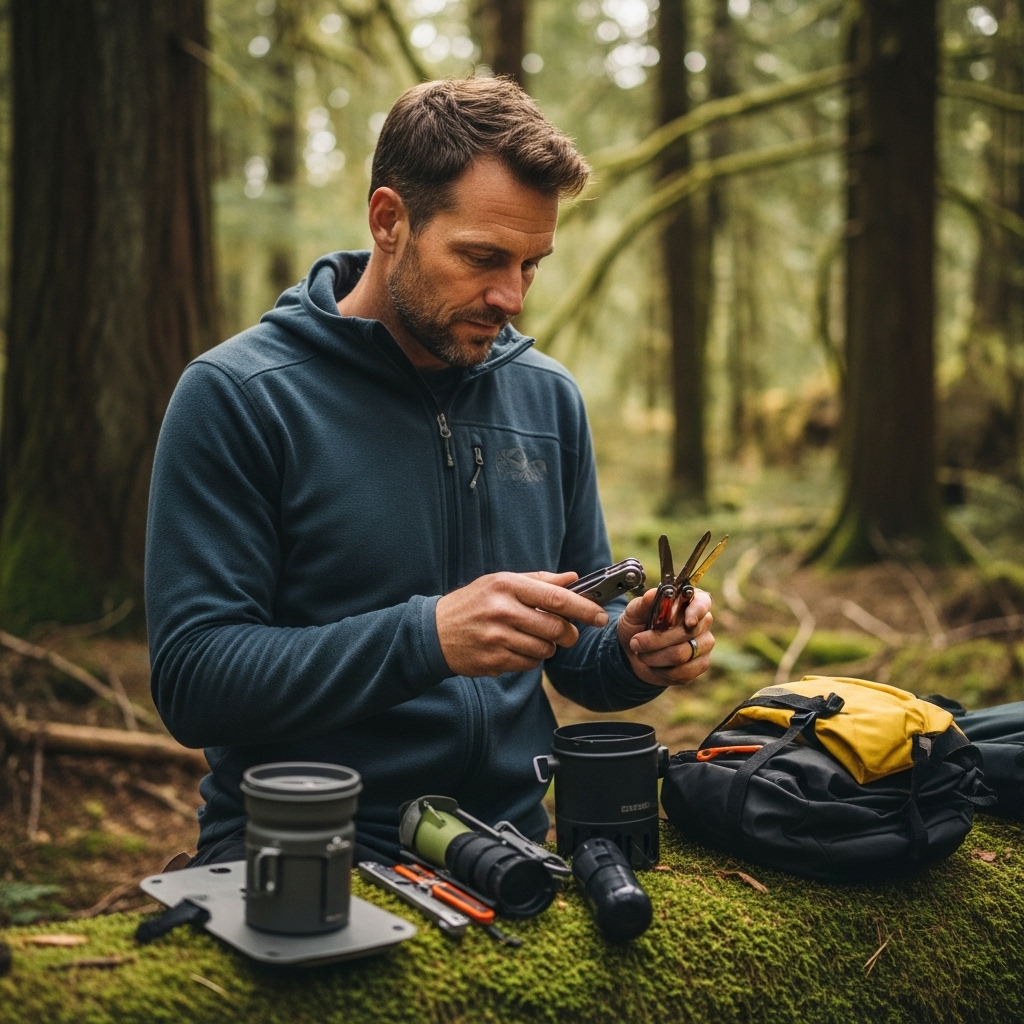

Navigating remote highways and crowded campground reservations often exposes the delicate balance between spontaneous adventure and organized preparation. Leaving home without a clear schedule frequently leads to booked-up state parks, forgotten cookware, and unnecessary vehicle clutter. Learning how to plan a camping road trip ensures you balance daily driving hours with campsite comfort while keeping essential checklists right at your fingertips. Reliable route books and physical trip planners give you clear roadmaps, detailed meal tracking, and space for campground notes so you spend less time troubleshooting on the road. Pairing route books with dependable shelter like a timber camping tent for car camping keeps your overnight stops comfortable and stress-free.
Physical planners, structured route guides, and campground logs bridge the gap between digital navigation and real-world campsite logistics. Cell signals often vanish along scenic backcountry corridors, making offline resources and paper logs indispensable for tracking fuel stops, dump stations, and campsite reservations. Dedicated travel journals also prevent gear oversights by offering structured checklists for camp kitchens, sleeping systems, and emergency essentials. Researching your route thoroughly before turning the ignition key gives you the confidence to explore remote public lands without scrambling for overnight parking.




Frequently Asked Questions
What is the first step in organizing a camping road trip?
Determining your total travel timeframe and daily driving limit is the essential first step before reserving campsites. Setting a realistic ceiling of 300 to 400 miles per day prevents driver fatigue and leaves daylight for pitching tents or leveling campers. Once you establish your driving window, you can map out state parks and national forest campgrounds along the path.
Why should you use a physical camping logbook instead of only relying on phone apps?
Physical logbooks maintain access to critical campsite details, packing lists, and reservation numbers even when mobile coverage drops in remote mountain or desert areas. Hardcover planners like the Clever Fox Camping Journal feature durable 120gsm paper and dedicated spreads for meal plans, gear checklists, and campsite amenity logs. Having an offline paper record prevents delays at campground check-in stations when digital apps fail to load.
How far in advance should you book campgrounds for popular national parks?
National park campsites and popular state park grounds typically require booking three to six months in advance through official reservation platforms. High-traffic destinations release sites on rolling reservation windows, and drive-up spaces often fill by early morning during peak travel seasons. Keeping a secondary list of nearby dispersed camping areas or private RV parks gives you reliable backups if primary sites are fully booked.
How do you manage gear packing to avoid vehicle clutter during multi-stop trips?
Organizing camping equipment into clear, labeled storage bins by category keeps daily essentials accessible without unpacking your entire vehicle. Group camp kitchen items, lighting, and sleeping gear into designated containers so setup takes minimal effort at each stop. Storing quick-pitch shelter like an outdoor canopy tent for shade and shelter near the cargo door ensures rapid protection from afternoon sun or sudden rain.
What critical details should you record at each campground stay?
Recording site numbers, hookup types, leveling difficulty, and nearby amenities helps you evaluate future road trip stays and maintain accurate travel budgets. Dedicated journals such as the spiral-bound LOGBOOK LIBRARIAN record up to 52 trips with structured sections for campground fees, site dimensions, and local attractions. Tracking these details helps you remember which campsites accommodate your vehicle size comfortably on future adventures.


Write Your Review
No reviews yet. Be the first to share your experience!