
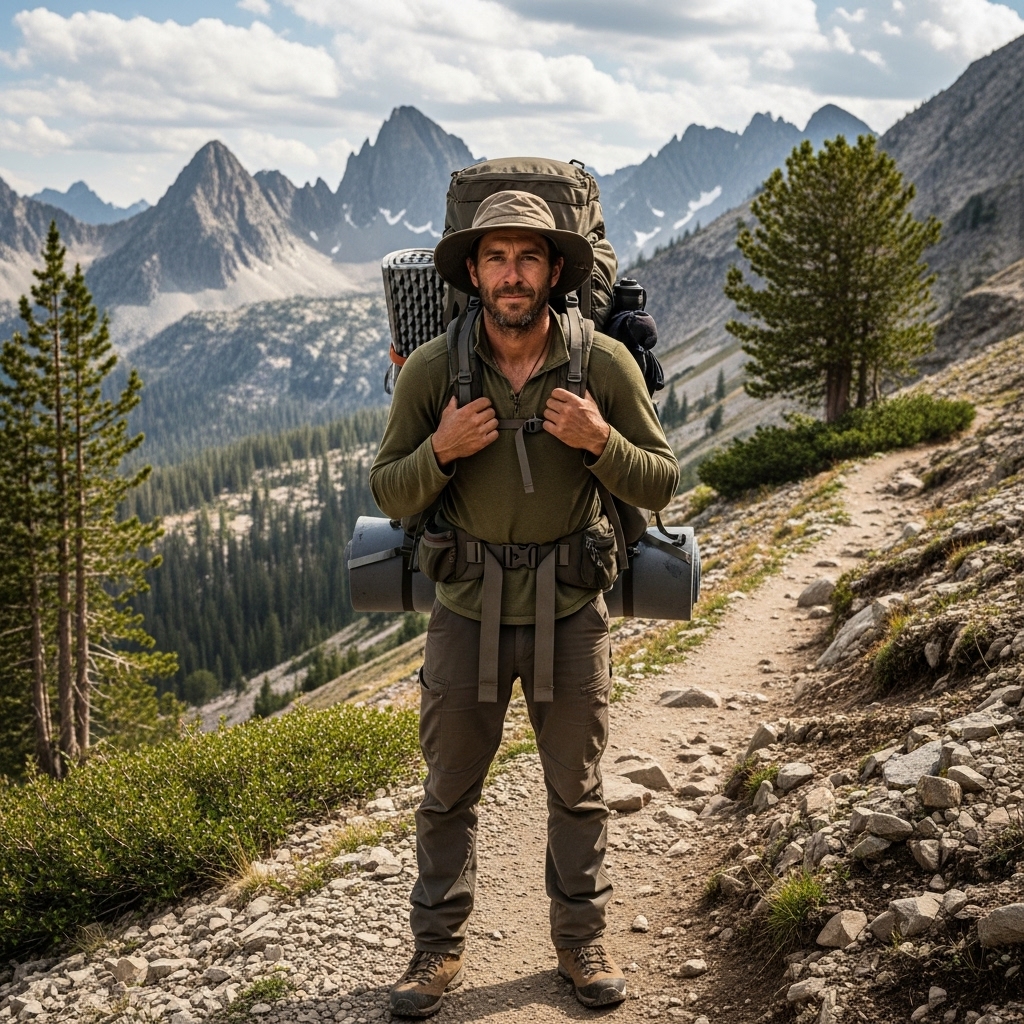

Managing an off-grid campsite requires balancing gear weight with rustic durability, especially when stepping away from crowded holiday parks with modern hookups. Venturing past electrical outlets and piped water forces you to plan every detail, from basic weather protection to campfire organization. Many outdoor enthusiasts exploring what is primitive camping realize it centers on self-reliance in remote backcountry zones without designated restrooms or utility hookups. Setting up camp in these quiet spaces means choosing resilient gear, whether you pitch a spacious timber camping tent or lean into rugged minimalist packing for road trips.
Rustic outdoor living also influences how campers decorate cabins, camper vans, and home spaces between excursions. Based on our analysis of camp accessories, listed dimensions, and user feedback, dependable materials like solid wood, durable stoneware, and rust-resistant metal signs bring genuine campsite character into daily life. Displaying campfire sentiments or packing moisture-wicking kitchen towels keeps wilderness memories alive without cluttering tight vehicle storage compartments.


Essential Primitive Camping Questions Answered
How does primitive camping differ from standard tent camping?
Primitive camping lacks all developed campsite amenities such as flush toilets, running water, picnic tables, and electrical hookups. Standard campground camping places your tent on an established pad with shared bathrooms and trash bins. Primitive campers must haul clean drinking water, pack out trash, and manage self-contained shelters. Understanding what is primitive camping helps adventurers prepare proper sanitation and navigation essentials before hitting backcountry trails.
What essential gear is necessary for a primitive campsite setup?
A reliable sleep system, water filtration method, emergency navigation gear, and weatherproof shelter form the mandatory foundation for any primitive campsite. You must carry sufficient food, bear-resistant storage where required, and a dedicated camp privacy tent if personal sanitation privacy is essential. Because wild sites lack tables, compact folding surfaces and durable tarps keep your camp kitchen organized and clean.
Can you have a campfire while primitive camping?
Campfires are permitted in certain primitive areas only when local fire regulations and seasonal burn bans allow them. Many wilderness zones require portable camp stoves to protect undisturbed topsoil. If open fires are permitted, gather dead and downed wood, keep the flames small, and extinguish coals completely before sleeping. Campers celebrating fire traditions often display rustic signs sharing campfire rules to bring that spirit home during dry seasons in 2026.
How do campers handle sanitation and waste without campground facilities?
Human waste disposal requires digging a cathole six to eight inches deep at least 200 feet away from lakes, streams, and campsites. Solid waste must be buried thoroughly, while used hygiene paper must be packed out in sealed plastic bags. Campers also use absorbent kitchen towels to clean cookware using minimal water. Following Leave No Trace principles keeps fragile wilderness areas clean throughout 2026.
How does weather protection differ between primitive campsites and developed parks?
Primitive campsites offer zero built-in pavilions, storm huts, or shade shelters to block heavy rain or intense heat. Campers must pack self-supporting protection, such as an outdoor canopy tent for car-accessible sites or durable rainflies for backcountry tents. Staking shelters securely into natural ground and orienting doors away from wind prevents dangerous weather exposure.




Write Your Review
No reviews yet. Be the first to share your experience!