
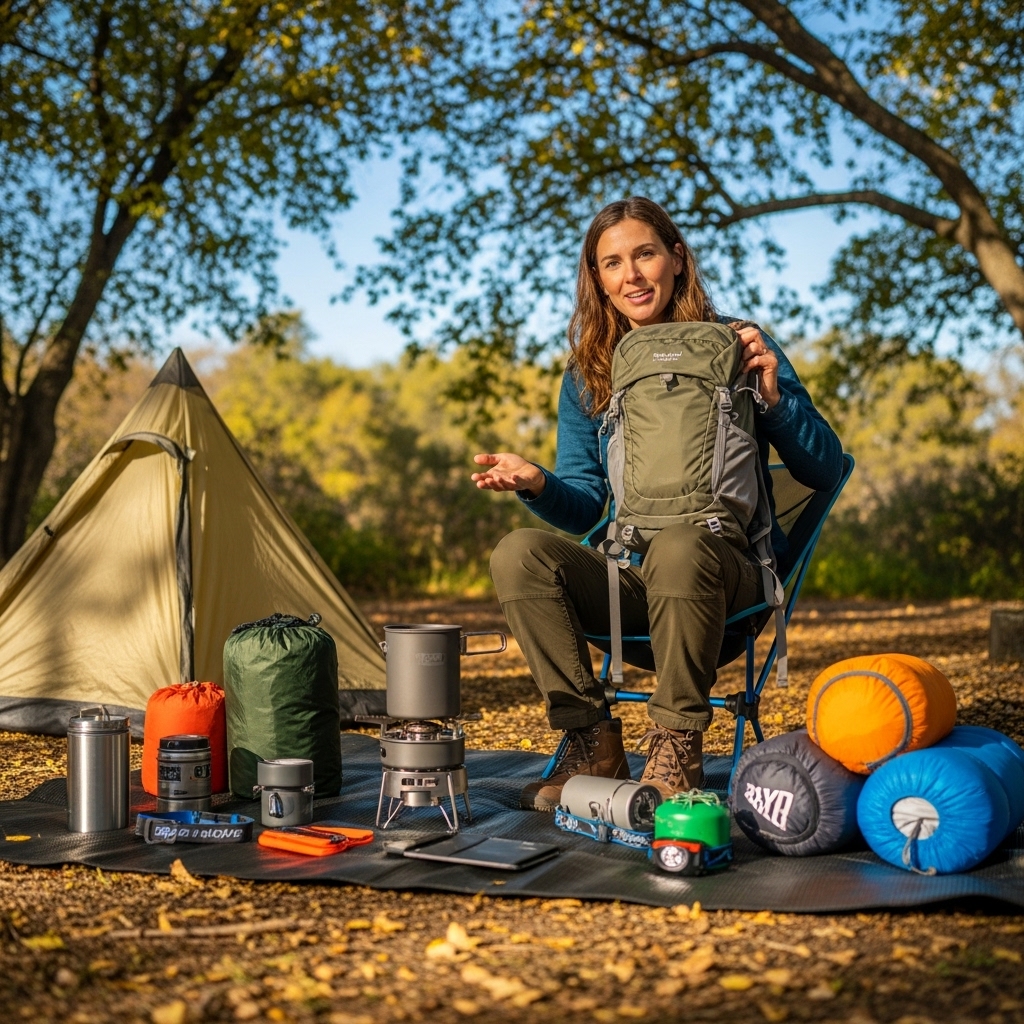

Campground water shutoffs and dropping evening temperatures usually dictate how late into the year outdoor trips remain practical. Across most northern states and mountain elevations, public parks close vehicle gates and winterize bathhouses by mid-to-late October. Understanding when does camping season end requires looking at regional frost dates, park operating schedules, and your shelter’s ability to resist gusty cold fronts. Sturdy shelters with dual-wall construction and sealed seams prevent drafts while managing condensation during crisp shoulder-season nights. Campers pushing into late autumn regularly pair weather-resistant tents with reliable multi purpose camping tools to handle firm ground and chilly campsite tasks.
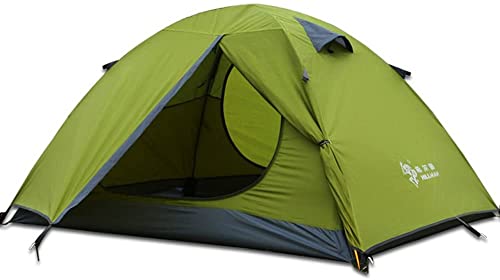
The manufacturer highlights the Hillman 2-3 Person Tents for Camping 3-4 Season Windproof as a 3-season option equipped with aluminum poles and taped waterproof seams to withstand wind and rain. With a listed weight of 5.6 pounds and floor dimensions measuring roughly 82.7 by 70.9 inches with two vestibules, it provides the barrier needed for chilly autumn overnights.
Pros
- Aluminum pole construction provides structural support while keeping total packed weight under six pounds
- Double-layer design with two separate doors allows easy entry, exit, and covered gear storage
- Factory tape-sealed seams and double stitching offer built-in protection against damp weather
- Compact packed dimensions of 7 by 7 by 19.3 inches make vehicle or pack transport straightforward
Cons
- Product details leave ambiguity by citing both 3-season and 3-4 season ratings without listed hydrostatic head figures
- Stated three-person occupancy provides a tight fit that leaves minimal interior space for bulky equipment
The Hillman 3-Person Double-Layer Camping Tent is an outdoor shelter designed for car campers, casual hikers, and small groups heading outdoors. Marketed for diverse activities ranging from casual park camping to hunting, hiking, and travel, this tent balances floor space with transportable weight. It utilizes a dome-style structure supported by aluminum poles, providing a lighter and sturdier alternative to entry-level fiberglass frames for weekend trips and trail excursions.
In terms of interior space, the manufacturer lists this shelter as a three-person tent. The primary sleeping area measures approximately 70.9 inches wide by 82.7 inches long, with a center peak height of 47.2 inches. The floor layout also documents dual 23.6-inch vestibule extensions on either side, bringing the full exterior width to roughly 118.1 inches when the flysheet is deployed. While three adults can lay side by side on standard narrow sleeping pads, using the tent for two people leaves significantly more room for clothing, backpacks, and comfortable movement.
The tent incorporates a double-layer build with a detachable rainfly and two separate doors, allowing campers to enter or exit without crawling over gear or sleeping partners. Double-stitched and tape-sealed seams are built into the waterproof materials to help protect against wet conditions, while integrated UV protection guards the fabric against sun exposure. Large mesh sections across the tent body facilitate cross-ventilation, helping circulate fresh air during warm spring, summer, and autumn outings.
For transport and campsite handling, the tent packs down into an included carry bag measuring 7 by 7 by 19.3 inches and weighs between 5.5 and 5.6 pounds according to manufacturer specifications. This compact profile makes it easy to transport in a car trunk, storage tub, or strapped to an exterior backpack loop for shorter hikes. The manufacturer indicates that one person can assemble the inner tent and flysheet in under 10 minutes. As with any outdoor shelter, thoroughly airing and drying the canopy and fly before long-term storage helps preserve the factory taped seams and fabric coatings.
Buyers should be aware of a few uncertainties within the listed product data. The product title claims 3-4 season suitability, yet the detailed feature list specifies 3-season performance tailored for spring, summer, and autumn. Additionally, the manufacturer does not publish specific fabric denier ratings, millimeter hydrostatic head numbers, or an itemized breakdown of included stakes and guylines. Campers planning trips in heavy downpours, strong winds, or freezing winter weather should keep these unverified specifications in mind.
Overall, the Hillman 3-Person Tent offers an accessible combination of aluminum framework, dual-door accessibility, and manageable carrying weight. It represents a practical option for solo campers who want extra breathing room, couples packing weekend gear, or casual hikers looking for a double-layer setup under six pounds. When comparing this model with competing tents, shoppers should weigh the included aluminum pole construction against the lack of specific waterproof ratings to decide if it meets their campsite needs.
The Hillman tent is constructed with a double-layer fabric system designed to balance weather resistance and breathability. Seams throughout the structure feature double stitching and factory tape sealing to reduce the likelihood of moisture penetration through needle holes.
Instead of heavier fiberglass rods, this model utilizes aluminum poles for the main frame. The aluminum construction helps maintain structural tension while shaving overall carry weight, making it a resilient option for multi-stop camping itineraries.
Setup is engineered for fast, straightforward assembly, with manufacturer documentation noting that a single camper can pitch the inner tent and flysheet in under 10 minutes. The dual-door configuration allows straightforward access from either side of the shelter.
To manage interior temperatures and airflow, the inner tent features wide mesh panels across the upper body. These breathable sections promote air circulation across the floor and ceiling, helping vent warmth during summer, spring, and fall adventures.
Packed for transit, the entire shelter bundle measures 7 by 7 by 19.3 inches, making it easy to store in car trunks, kayak hatches, or gear closets. The product data lists the total carrying weight between 5.5 and 5.6 pounds (2.5 kilograms).
While lightweight enough for short backpacking loops, hunting trips, or split-pack trail hiking, it remains substantial enough to offer stable shelter for car camping and beach outings.
Frequently Asked Questions About Camping Season
Campsite weather protection and dropping overnight temperatures determine how late into autumn an outdoor trip remains comfortable. While hardened adventurers camp year-round, knowing when does camping season end in 2026 depends on local park winterization, regional freeze dates, and gear capabilities.
What month does the general camping season end in the United States?
Most organized campground operations end between late September and mid-November across the United States. Northern states and elevated mountain regions typically shut down water systems by mid-October to protect plumbing from deep freezes. Southern and desert locations remain open through winter, effectively shifting their prime camping window into the colder months.
Can a 3-season tent handle late fall camping weather?
Yes, a quality double-layer 3-season tent can manage late autumn weather as long as it features sturdy poles and a full rainfly. The Hillman 2-3 person shelter uses aluminum rods and double-stitched taped seams that resist autumn wind and rain dirt. It is not built for heavy winter snow loads, but it easily handles chilly shoulder-season breezes.
How do freezing temperatures affect campsite comfort in late autumn?
Sub-freezing temperatures create excessive interior tent condensation and chill sleeping pads from the frozen ground underneath. Pairing your shelter with insulated sleeping pads and warm outdoor cooking sets for camping keeps morale and body heat high when evening temperatures plunge near the season cutoff.
Is the Hillman 2-3 Person tent suitable for late-season backpacking?
The listed 5.6-pound weight and 7 by 19.3-inch packed size make this tent viable for short autumn backpacking trips or car camping. Splitting the rainfly, tent body, and aluminum poles between two hikers keeps the carrying burden manageable over rugged trails.
How do you prepare your gear when camping season concludes?
Clean all tent fabrics thoroughly and let them dry completely before packing them away to prevent mildew during winter storage. Storing clean gear alongside protected water equipment like durable water filters for off grid camping ensures everything remains undamaged for spring.




Write Your Review
No reviews yet. Be the first to share your experience!