
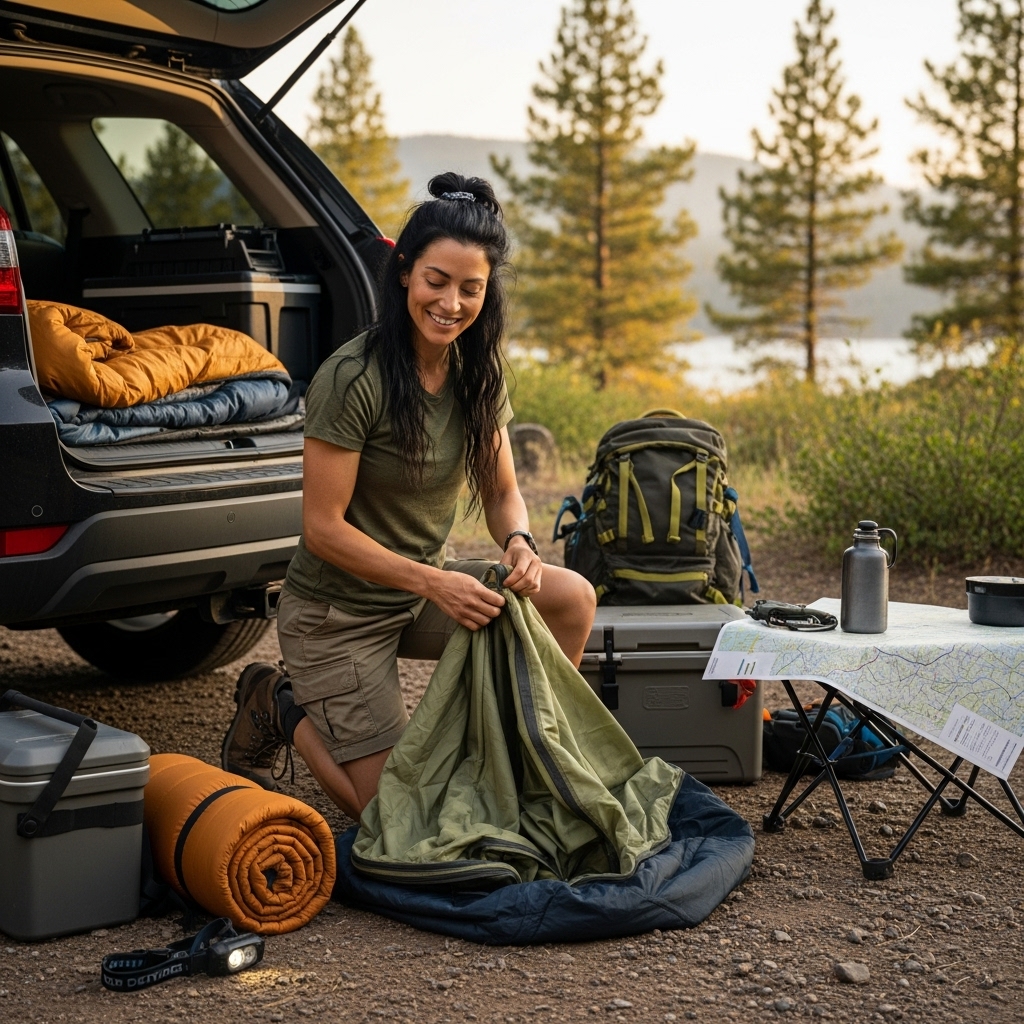

Planning a wilderness getaway begins with securing reliable shelter that shields campers from damp ground and shifting weather. Knowing where to buy tents allows outdoor enthusiasts to evaluate critical factors like interior floor space, fabric durability, and ventilation before investing. Online retailers, specialized camping outposts, and local gear shops each provide distinct advantages depending on whether a camper prioritizes rapid delivery or in-person evaluation. Choosing the right source helps campers acquire equipment suited to their specific camping environment.
Different retail avenues carry specialized inventories tailored to casual campground weekends, extended group travel, or backcountry trekking. Sourcing gear through reputable suppliers makes it simpler to compare features like darkened sleeping fabrics in dark room camping tents or expanded floor plans in spacious family camping tents. A deliberate shopping approach also ensures access to legitimate manufacturer warranties, transparent return windows, and authentic replacement parts. Taking time to weigh retail options leads to dependable protection and comfortable nights outdoors.


Pros
- Dark Room coating dramatically cuts morning glare and moderates daytime cabin heat
- Pre-attached pole structure makes pitching and packing up exceptionally quick for one person
- Near-vertical wall angles maximize usable elbow room and interior sitting space
- Tub-style floor and inverted seams offer dependable protection from ground moisture
Cons
- At nearly 11 pounds, the packed weight is strictly suited for car camping rather than trail backpacking
- Center height of 4 feet 8 inches provides great sitting headroom but requires crouching for adults
- Comfortably accommodates two adults with gear or three snugly, making four adult campers a tight squeeze
The Coleman Skydome Dark Room Tent is a purpose-built shelter engineered for car campers, weekend festival travelers, and family campground outings where convenient setup and restful sleep take top priority. Built around an 8 by 7 foot footprint, this model is tailored for couples who want plenty of space for a queen-size air bed and gear bags, or small families with young children. Its standout identity lies in the integration of Coleman's Dark Room technology with an updated dome profile that emphasizes usable interior room over sloped, cramped walls.
Sunlight management is where this shelter separates itself from typical entry-level camping tents. The Dark Room coated fly and tent fabric block roughly 90 percent of incoming daylight, creating a dark interior even on clear summer mornings. For parents trying to put toddlers down for an afternoon nap or festival goers resting after late-night entertainment, the darkened interior makes catching up on sleep much easier. In addition to light blocking, the specialized coating helps moderate heat buildup inside the tent during bright sunny afternoons at open campgrounds.
Livability inside the tent benefits greatly from the Skydome wall geometry. By pitching the lower pole sections at steeper angles, the structure delivers nearly vertical walls that provide 20 percent more headroom than classic curved dome designs. Moving gear in and out is streamlined thanks to a wide entryway door, so you will not struggle while dragging in inflated air mattresses or heavy sleeping pads. Inside, high-set mesh storage pockets and an overhead gear loft keep flashlights, headlamps, phones, and camp keys off the floor and away from foot traffic.
Weather protection relies on Coleman's proven WeatherTec engineering. A rugged polyethylene bathtub floor rises well above ground level, shielding your bedding from splashing rainwater and damp ground surfaces. Welded corners and inverted seams help prevent moisture seepage, while the included full-coverage rainfly sheds downpours effectively. The fiberglass frame structure has been engineered to withstand winds up to 35 mph, provided all guylines are secured with quality stakes into firm turf.
Prospective buyers should be mindful of practical limitations before planning a trip. Tipping the scales at nearly 11 pounds, this tent is designed strictly for vehicle-based adventures and will not suit multi-mile backcountry backpacking treks. Furthermore, while the 4-foot-8-inch peak center height offers generous room for sitting on cots or changing while seated, taller adults cannot stand upright. Like most four-person industry ratings, sleeping four full-sized adults leaves little room for bags, making it best utilized as a spacious retreat for two campers with gear.
For car campers, state park explorers, and road-tripping weekenders seeking an affordable shelter that pitches in minutes, this Coleman Skydome model represents solid outdoor value. The quick-pitch frame minimizes campsite chores so you can spend more time around the campfire, while the blackout interior ensures you wake up on your own schedule instead of being forced awake by early dawn light.
Pitching the Skydome is designed to take under five minutes thanks to the pre-attached pole system. The shock-corded fiberglass frame stays connected to the central hub, eliminating the frustration of sorting loose poles or threading rods through long fabric sleeves. Simply unfold the shelter, extend the telescoping corners, snap the fast clips onto the frame, and secure the rainfly over top.
When unexpected rain rolls through camp, the WeatherTec construction keeps interior gear dry. The tub-style floor wraps upward to stop running surface puddles from entering, while the factory-taped fly seams block overhead drips. Guylines should always be staked out tautly to maintain proper tension and maximize airflow between the rainfly and the inner mesh roof panels, which helps reduce overnight condensation buildup.
Navigating Retail Channels and Sourcing Decisions for Camping Tents
Securing a dependable shelter requires understanding the differences among major purchasing channels. Campers often debate whether to purchase gear through massive online marketplaces, dedicated outdoor retailers, big-box department outlets, or direct manufacturer storefronts. Each outlet caters to different priorities, ranging from swift doorstep delivery and competitive pricing to hands-on fabric inspections and specialized customer service. Navigating these avenues strategically ensures that outdoor adventurers invest in shelters matching their group size, transport capacity, and expected weather conditions.
Online Marketplaces and Broad-Catalog Platforms
Broad-catalog online platforms serve as convenient hubs for comparing diverse shelter designs across numerous brands. These expansive digital storefronts frequently feature popular recreational options such as the Coleman Skydome Dark Room series alongside compact backcountry designs like the Forceatt two-person tent. Shoppers can rapidly contrast dimensional specifications, peak heights, and floor layouts across hundreds of listings within minutes. Centralized distribution networks also provide dependable shipping schedules, making online platforms practical for campers planning upcoming excursions.
Navigating large digital marketplaces requires vigilance regarding third-party merchant authenticity and fulfillment details. Authorized dealers provide genuine items backed by valid manufacturer warranties, whereas unvetted resellers may distribute outdated inventory or improperly stored stock. Buyers should inspect seller ratings, review return policies, and confirm that product descriptions list complete component packages. Verifying that the shipment includes the primary canopy, rainfly, stakes, and storage sack avoids unpleasant surprises during campsite setup.
Specialized Outdoor Co-ops and Dedicated Outfitter Shops
Dedicated outdoor outfitters offer a curated shopping environment focused on technical performance and specialized backcountry recreation. These retailers typically employ knowledgeable floor staff who understand local terrain, regional weather patterns, and proper shelter maintenance. Visiting an outfitter allows campers to inspect physical fabric textures, examine seam construction, and test zipper actions on display models. Hands-on evaluation provides tactile clarity that digital imagery cannot replicate, particularly when assessing vestibule volume or interior headroom.
Specialized outfitters frequently establish generous customer satisfaction guarantees that permit real-world evaluations within reasonable timeframes. Memberships or loyalty programs at outdoor co-ops often yield seasonal savings opportunities and access to rental gear programs. While dedicated outfitters may feature smaller total catalog selections than global marketplaces, their inventory emphasizes durable materials like 7001 series aluminum poles and silicone-coated nylon fabrics. This focus suits backpackers and multi-season campers who prioritize weight savings and weather resilience.
Purchasing Directly from Tent Manufacturers
Direct manufacturer websites present an authoritative avenue for sourcing brand-new models and proprietary replacement components. Buying directly from established brands like Coleman or emerging gear producers ensures immediate access to the entire brand catalog. Manufacturers frequently stock brand-exclusive accessories, such as custom-fitted ground footprints and specialized gear lofts, which secondary retailers may not carry. Direct transactions also create an immediate purchase record that simplifies warranty registration and future customer service inquiries.
Direct purchasing channels occasionally require longer shipping windows compared to regional logistics hubs operated by massive ecommerce platforms. Promotional pricing on manufacturer websites often aligns with seasonal transitions or holiday clearance events rather than constant marketplace discounts. Campers who value direct accountability and seamless access to replacement pole sections, rainflies, and repair swatches benefit greatly from buying at the source. This channel eliminates intermediary communication delays when submitting warranty claims for manufacturing defects.
Regional Sporting Goods Stores and General Department Chains
General department chains and local sporting goods stores provide immediate, same-day access for campers facing urgent departure deadlines. These brick-and-mortar locations excel at supplying family-sized car camping shelters, instant cabins, and basic recreational dome tents. Shoppers can inspect packed package dimensions and total box weights in person, which helps determine whether a shelter fits neatly into a vehicle trunk. Immediate physical possession eliminates the risk of transit delays or lost packages prior to a scheduled weekend outing.
Inventory at general retail chains tends to fluctuate according to seasonal retail calendars. Camping aisles often expand during late spring and shrink substantially by mid-autumn to accommodate seasonal merchandise changes. The technical variety available at general department stores is frequently geared toward warm, fair-weather recreational camping rather than alpine or multi-day backpacking. Campers seeking specialized ultralight shelters or high-index waterproof ratings may find limited options on traditional retail shelves.
Evaluating Return Windows, Restocking Terms, and Warranty Coverage
Scrutinizing return terms before finalizing a tent purchase protects outdoor budgets against unexpected equipment mismatches. Different retail platforms enforce distinct policies regarding outdoor gear returns, particularly once an item has been unboxed or pitched on grass. Some specialty retailers accept returns on gently evaluated gear, while standard online sellers often require items to remain in original, pristine condition with factory tags intact. Knowing these stipulations prevents costly misunderstandings if an assembled tent proves too cramped for your sleeping mats.
Manufacturer warranties function independently of retail return windows and address defects in materials or craftsmanship. A standard limited warranty covers structural failures like delaminating seam tape, cracked pole ferrules, or broken zipper teeth under normal usage. However, warranties rarely cover damage resulting from improper staking, exposure to open flames, or wind storms exceeding manufacturer specifications. Retaining your original purchase invoice and registering the shelter promptly preserves your warranty rights throughout the operational life of the equipment.
Interpreting Technical Specifications Across Retail Listings
Product listings across digital storefronts use standardized technical terms that require careful interpretation by prospective buyers. For example, stated sleeper capacity reflects maximum shoulder-to-shoulder occupancy without factoring in bulky duffel bags, dog beds, or camping cots. Selecting a model with nearly vertical wall geometry, such as the Coleman Skydome, provides substantial headroom advantages over traditional sloping dome profiles. Assessing total square footage alongside peak height offers an accurate projection of daily living comfort inside the shelter.
Weather protection metrics also demand close scrutiny when browsing retail product cards. Product specifications often highlight hydrostatic head ratings, such as the 3000mm rating cited on the Forceatt two-person tent, which indicates water resistance under laboratory pressure conditions. Shoppers exploring water resistant camping tents should verify full-coverage rainfly designs, welded floor corners, and inverted seams. Distinguishing water-resistant surface coatings from fully sealed weatherproof construction ensures realistic expectations when rain showers arrive.
Delivery Logistics, Packaging Integrity, and Pre-Trip Inspection Protocols
Ordering camping shelters online requires realistic scheduling to account for transit buffers and delivery verification. Placing an order several weeks ahead of a planned outing allows ample time to handle transit delays or potential shipping damage. When the parcel arrives, inspect the exterior cardboard box for punctures, crushed corners, or moisture exposure that might indicate interior hardware trauma. Immediate inspection ensures that any shipping damage can be documented and reported to the seller without jeopardizing your itinerary.
Conducting a trial pitch in a clean backyard or indoor living space is an essential practice following any new tent purchase. Laying out the canopy confirms that all listed accessories, including guy ropes, stakes, poles, and gear lofts, are present and undamaged. Assembling pre-attached pole assemblies or threading aluminum sections through pole sleeves reveals any manufacturing anomalies before you arrive at a remote campsite. Taking time to repack the components into their stuff sack also familiarizes you with the packing bulk for transport.
Aligning Sourcing Channels with Camping Style and Group Dynamics
Matching your purchase venue to your primary camping discipline ensures you obtain appropriate shelter architecture without unnecessary compromises. Car campers and family groups benefit from large-scale recreational retailers offering spacious multi-person tents with wide entryway doors and dark-room fabric treatments. These shelters prioritize livability, stand-up height, and quick setup mechanisms over ultralight packed weights. Sourcing through major retail platforms often provides the widest range of large-capacity family tents suitable for seasonal campground vacations.
Backpackers, long-distance hikers, and canoe campers require specialized sourcing that emphasizes weight-to-volume ratios and structural durability. Sourcing a compact shelter, such as the Forceatt two-person model with 7001 aluminum poles and micro-mesh canopy venting, requires retailers that clearly state trail weights and packed dimensions. Specialized outfitters and direct gear portals supply technical specifications that help hikers calculate pack loads accurately. Selecting an appropriate retail channel directly influences trail comfort and campsite dependability.
Sourcing Essential Accessories, Footprints, and Replacement Hardware
A complete camping shelter system often requires auxiliary components that may not arrive inside the primary retail carton. Ground footprints protect tent floors against abrasive gravel, sharp twigs, and groundwater seepage, extending the structural longevity of the tent. While some packages include ground sheets, many brands require purchasing custom-cut footprints separately through direct brand channels or specialized accessory merchants. Verifying whether a tent package contains ground protection prevents premature fabric abrasion during rough campsite deployments.
Stock stakes and guylines supplied with entry-level tents often represent basic wire designs suitable only for soft loam or manicured turf. Sourcing heavy-duty aluminum Y-stakes, reflective guy lines, and tensioning sliders from dedicated outdoor gear retailers enhances wind stability in exposed settings. Keeping spare pole repair sleeves and seam sealant in your maintenance kit safeguards against unforeseen field mishaps. Purchasing these supplemental maintenance items alongside your main shelter ensures complete preparedness before venturing into unpredictable environments.
Strategic Timing and Informed Purchasing for Long-Term Value
Timing your tent acquisition to match annual retail sales cycles can yield notable value on high-performance outdoor equipment. Major outdoor outfitters and ecommerce platforms routinely host promotional events during early spring, mid-summer holidays, and late-autumn clearance windows. Purchasing during off-peak seasons allows campers to acquire premium aluminum frames and specialized weather-resistant fabrics within sensible budget boundaries. Monitoring seasonal transition sales remains an effective strategy for budget-conscious outdoor adventurers.
Ultimately, determining where to buy tents comes down to balancing purchase convenience, customer service access, and specific gear requirements. Prioritizing reputable vendors with clear return guidelines and verified authenticity guarantees a smooth acquisition process. A well-chosen shelter sourced from a trustworthy retailer delivers dependable shelter, sound ventilation, and reliable protection for many outdoor journeys ahead.


Write Your Review
No reviews yet. Be the first to share your experience!